
Costco may look almost identical on both sides of the border, but the product mix can feel surprisingly different once you get past the entrance. American warehouses often carry cult favorites, supersized staples, and regional hits that never become regular finds in Canada. Here's a closer look at 10 Costco U.S. items Canadians have spotted, envied, and wondered why they never showed up at home.
The ½-Pound All-Beef Hot Dog Combo at U.S. Pricing
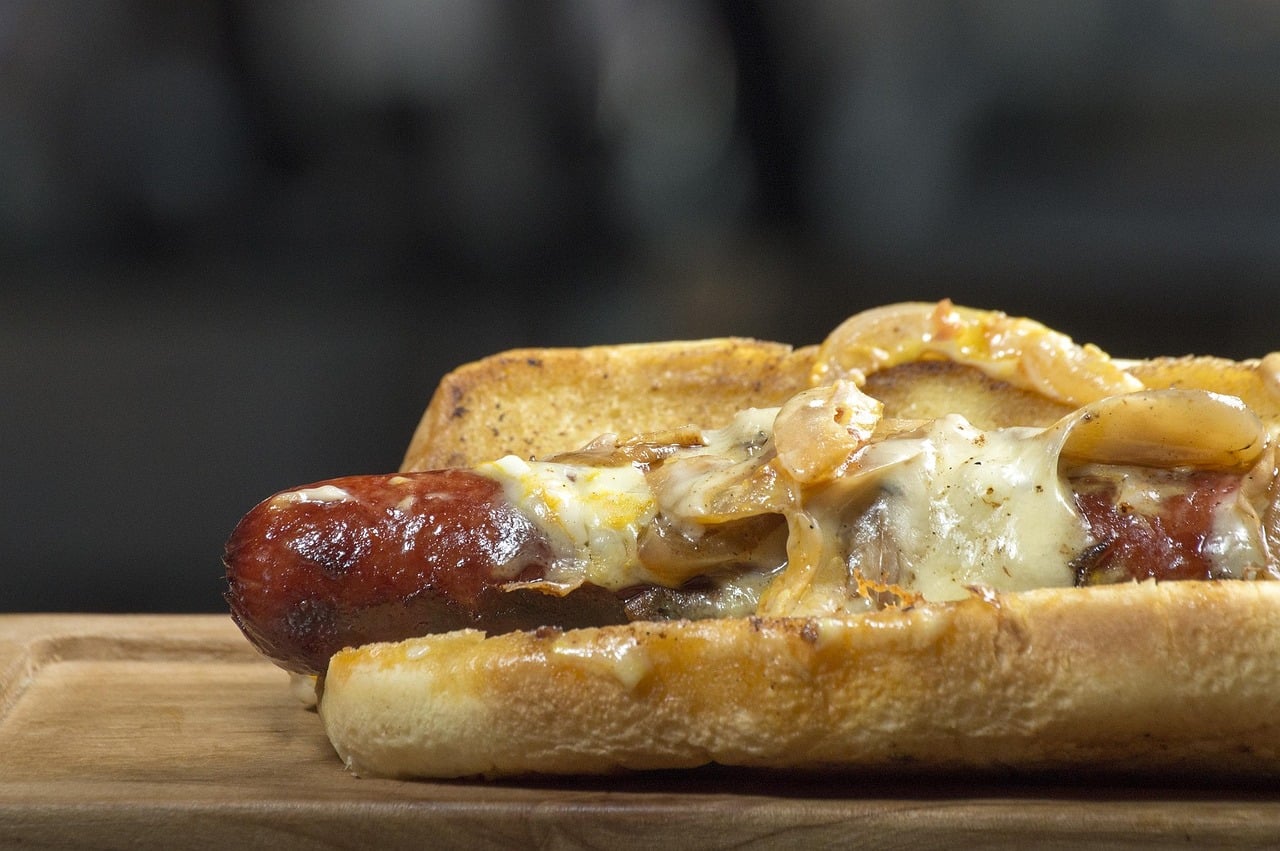
Few Costco items inspire as much loyalty as the food court hot dog, and in the United States the famous ½-pound all-beef combo has become a symbol of bargain culture. The low price is part of the legend, but so is the consistency. Shoppers know exactly what they are getting, and they expect it every time.
Canadian Costcos have their own food court staples, but menu pricing, portion expectations, and supplier arrangements do not always mirror the U.S. setup exactly. Import rules, beef sourcing, and local operating costs can all shape what lands on the menu.
That is why the American version feels like more than lunch. It represents a Costco tradition Canadians recognize, but not always in the exact same form they see across the border.
Take-and-Bake Pizza
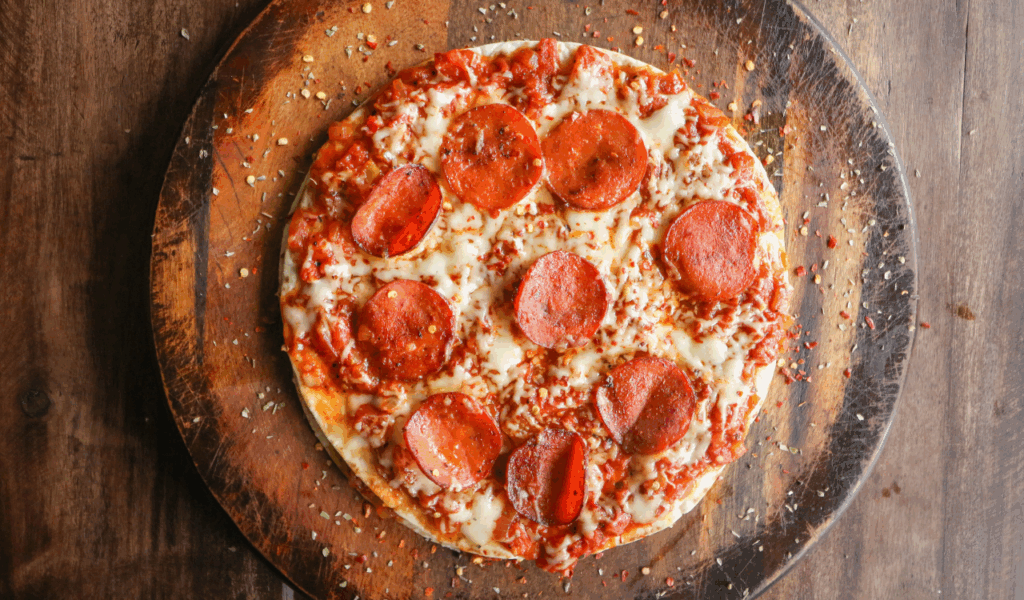
This one stings because it feels so practical for Costco shoppers. In many U.S. locations, take-and-bake pizza fit perfectly with the warehouse rhythm. You grabbed a giant pie, brought it home cold, and baked it fresh when dinner actually needed to happen.
For Canadian shoppers, that format never became a dependable Costco offering. Food safety rules, store layout decisions, and local prepared-food strategies likely played a role. A product that seems simple can become complicated once refrigeration, labeling, and turnover are factored in.
What made it special was convenience without sacrificing that just-baked feel. It sat in the sweet spot between grocery shortcut and family-night centerpiece, which is exactly why Canadians kept asking about it.
Kirkland Signature Organic Peanut Butter Cups
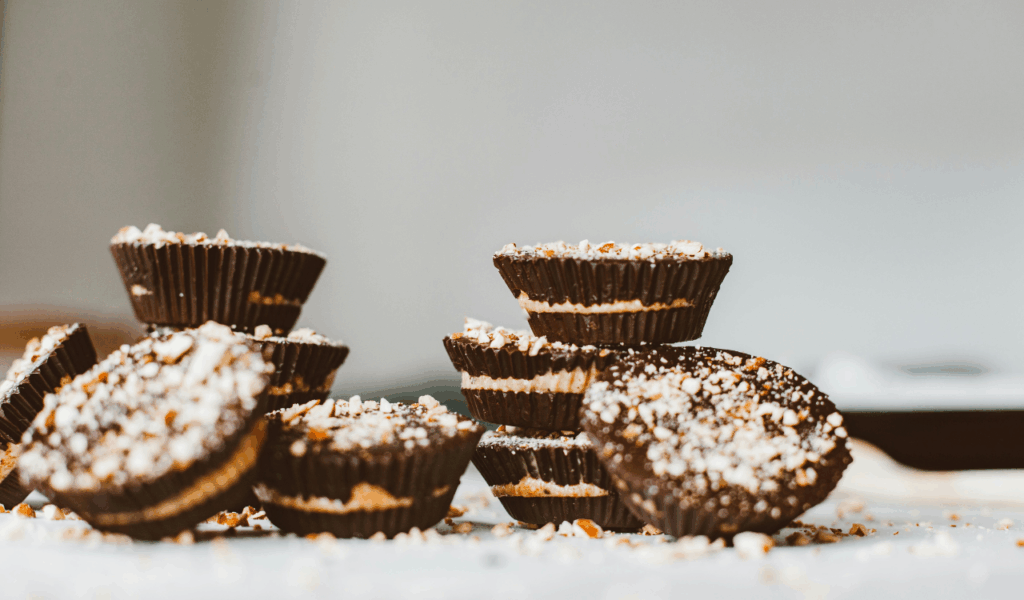
Some Costco products become cult favorites almost overnight, and these peanut butter cups did exactly that in the United States. They hit the modern sweet spot: chocolatey, rich, slightly salty, and dressed up with the organic Kirkland label that makes indulgence feel just a bit more respectable.
Canadian shelves have plenty of candy, but not every private-label success makes the jump north. Bilingual packaging requirements, different distributor plans, and shelf-space priorities matter more than most shoppers realize. Even a popular item may stay market-specific if the numbers do not line up.
The frustration is easy to understand. These were not just another chocolate treat. They were the kind of bulk buy that quietly turned into a household obsession after one sample.
Pumpkin Pie Bigger Than Most Ovens Feel Ready For
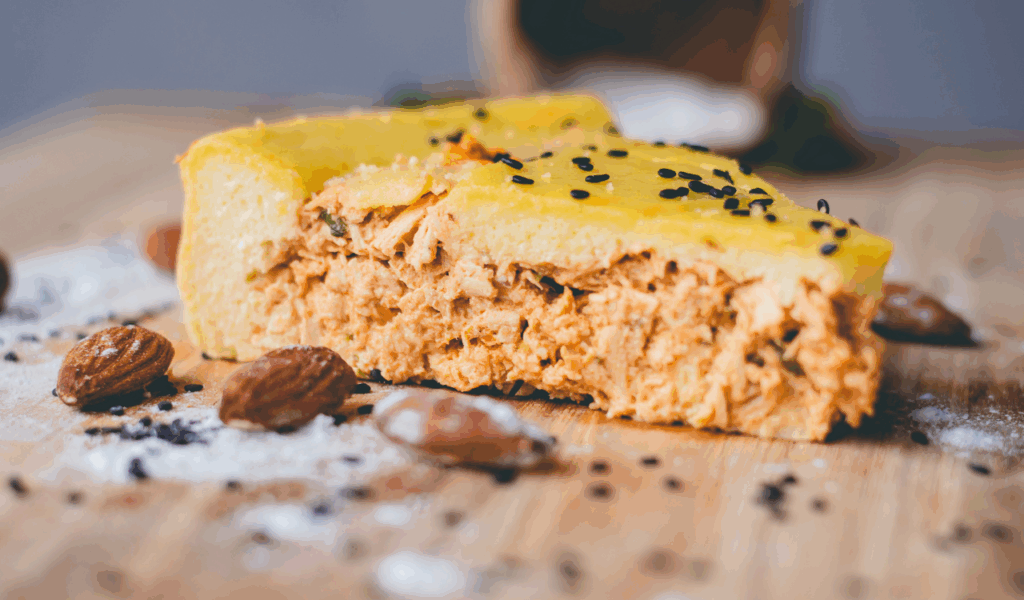
Costco pumpkin pie is not subtle, especially in the United States where seasonal bakery items often go big on size and nostalgia. The pie has become a holiday talking point because it is massive, affordable, and engineered for gatherings where nobody wants to arrive empty-handed.
Canada certainly knows pumpkin pie, but the exact American bakery version has never been a universal match. Ingredient sourcing, bakery production systems, and regional demand can shape whether a seasonal giant becomes a standard item in every market.
Part of the appeal is theatrical. You are not just buying dessert, you are buying relief for a host and a conversation piece for the table. That oversized generosity is very Costco, which is why its absence gets noticed.
Kirkland Signature Protein Bars in More U.S. Flavors
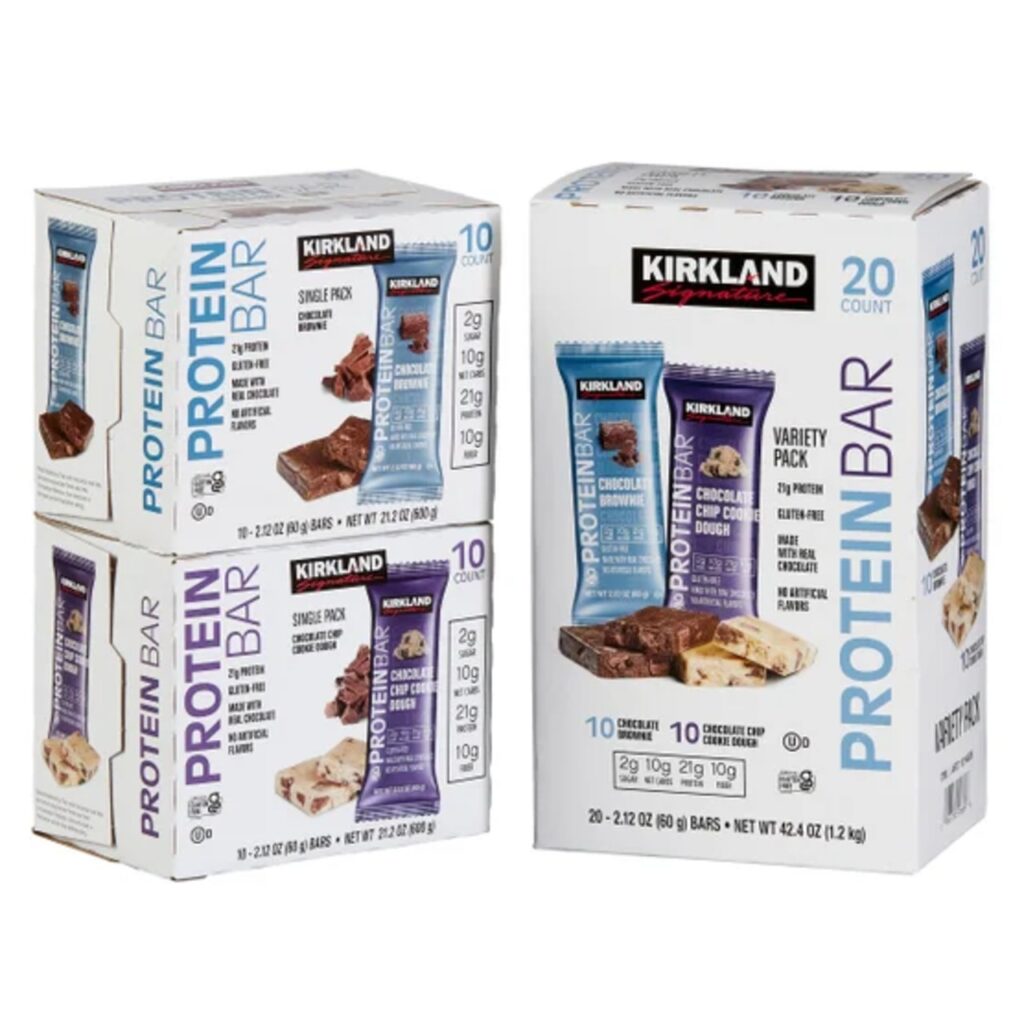
Protein bars are a serious business at Costco, where shoppers expect value, volume, and a little variety. In the United States, Kirkland Signature protein bars have often appeared in flavor combinations and assortment packs that Canadian members could only hear about through haul videos and cross-border shopping stories.
That does not always mean Canada gets none of them. It often means the lineup is narrower, arrives later, or disappears faster. Product launches can be staggered by country, and nutrition labeling rules differ enough to affect packaging and rollout timing.
The appeal here is obvious. Costco shoppers love dependable staples, and protein bars live in gym bags, office drawers, and family pantries. When another market gets more options, it feels like Canada is missing an easy win.
Huge Jugs of Peanut Butter Pretzels
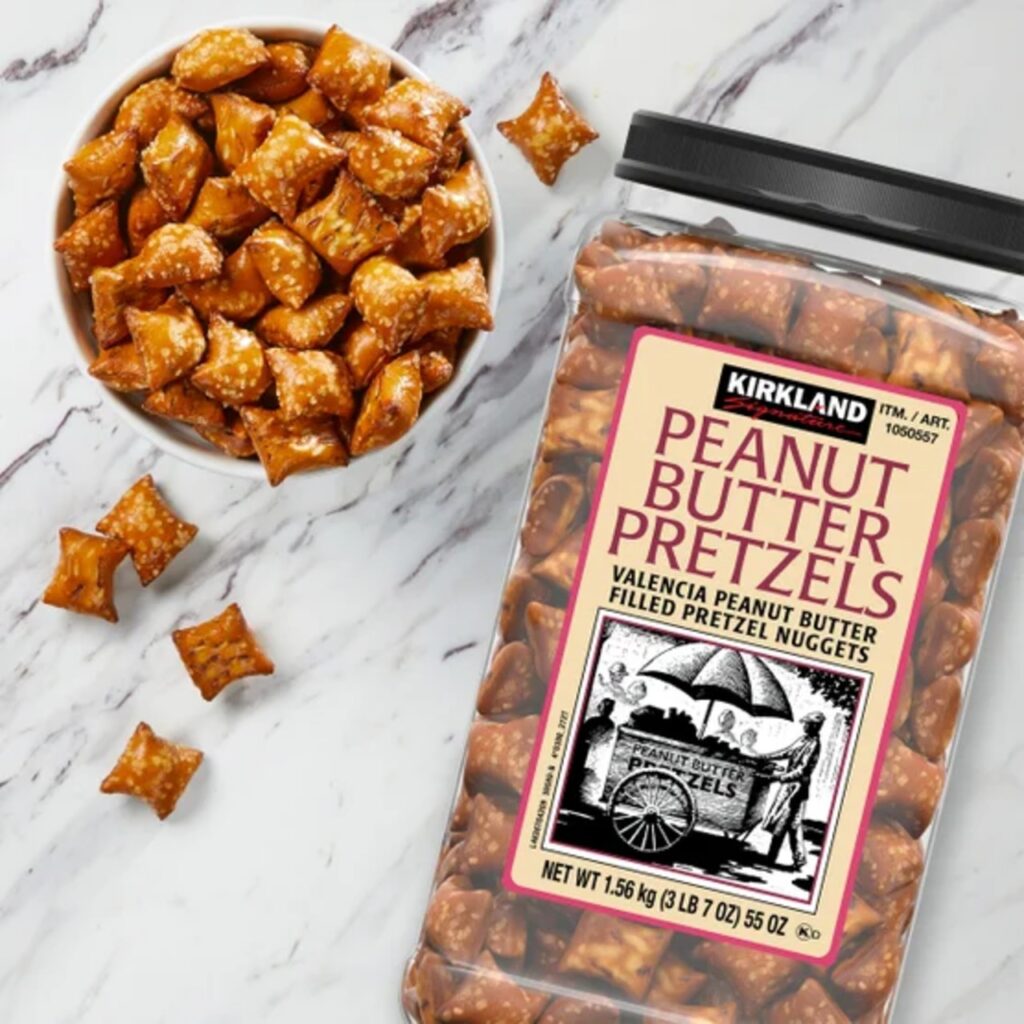
There are snacks, and then there are Costco snacks that become a household event. The giant U.S. tubs of peanut butter-filled pretzels earned that status because they delivered the ideal salty-sweet crunch in a package large enough to test anyone's self-control.
Canadian shoppers have seen similar snack categories, but not always the same iconic oversized version. Cross-border differences often come down to supplier contracts, packaging language requirements, and whether a product can maintain steady demand in another market.
What made these memorable was their snack-table versatility. They worked for road trips, movie nights, office kitchens, and casual grazing. That broad appeal made them feel like a natural Canadian fit, which only deepened the disappointment when they never became standard.
Massive Sheet Cakes with U.S.-Style Decor Options
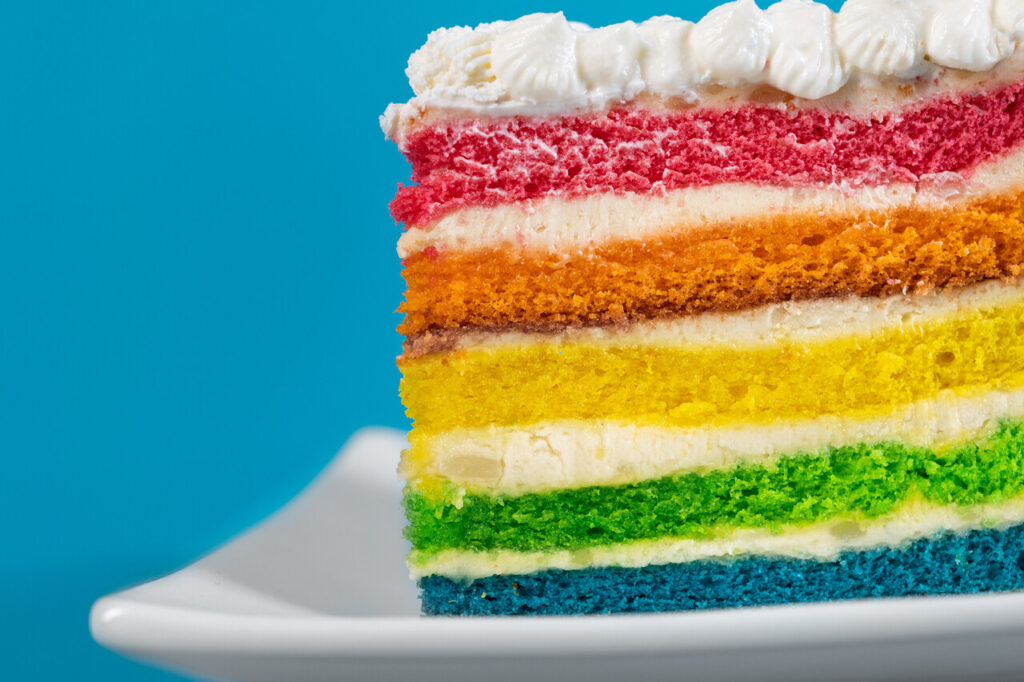
Costco sheet cakes in the United States developed a reputation for being the dependable answer to birthdays, graduations, and office parties. They were large, affordable, and customizable enough to become part of the event-planning routine for people who needed to feed a crowd without overspending.
Canadian warehouses have offered celebration cakes, but not always the same formats, flavors, or decoration systems. Bakery programs can vary by country depending on labor setup, equipment, ingredient sourcing, and what local stores can produce efficiently at scale.
The real draw was the combination of value and simplicity. You could order one giant cake and be done. For Canadians who saw the American version online, it looked like the kind of no-fuss Costco solution that should have been universal.
U.S. Regional Barbecue Rubs and Sauce Packs
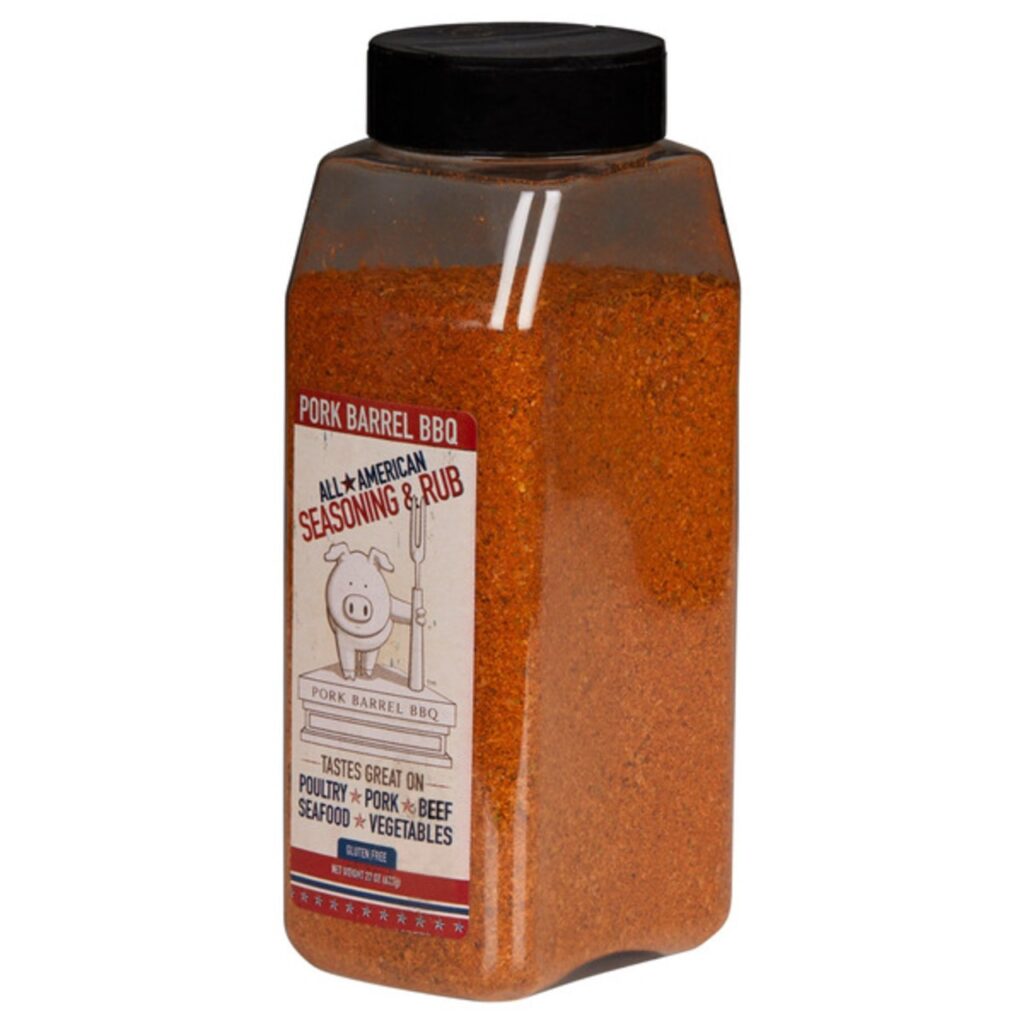
American Costco warehouses often lean into regional food culture, and barbecue is a perfect example. In many U.S. stores, shoppers can find large-format rubs, marinades, and sauce bundles tied to Southern, Texas, or Kansas City-style grilling traditions that simply do not show up the same way in Canada.
This is where local demand matters a lot. American regional flavors can sell strongly in areas where backyard smoking and grilling are deeply embedded habits. Canadian warehouses may prioritize different pantry staples or more broadly appealing condiments instead.
For Canadians, these products represent more than seasoning. They suggest a Costco experience tuned to place and food identity. That is part of the envy. The U.S. gets a sense of culinary region, while Canada often gets the safer middle.
Chicken Bakes in Wider Ready-to-Heat Formats
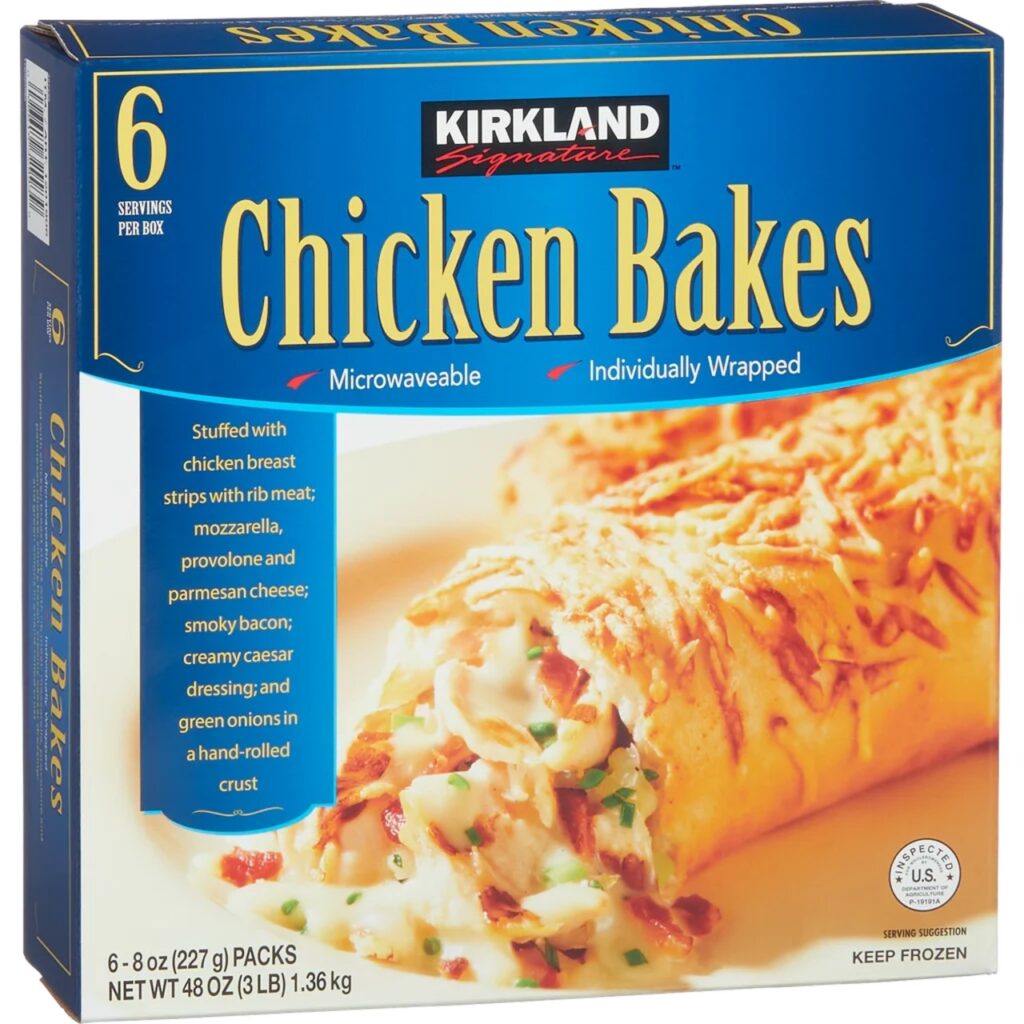
The chicken bake is one of those Costco foods people talk about with surprising emotion. In the United States, it has lived multiple lives, from food court icon to frozen or ready-to-heat formats that gave shoppers another way to bring that familiar flavor home.
Canada has had its own food court favorites, but the broader chicken bake presence never became equally established. That can happen when a product straddles departments. It is part prepared food, part convenience item, and part branded comfort food, which makes national rollout trickier.
Its popularity comes down to familiarity. It feels like classic Costco in handheld form: hearty, cheesy, filling, and easy. When Americans can grab versions beyond the food court, Canadians naturally wonder why that convenience stops at the border.
Kirkland Signature Hard Seltzer
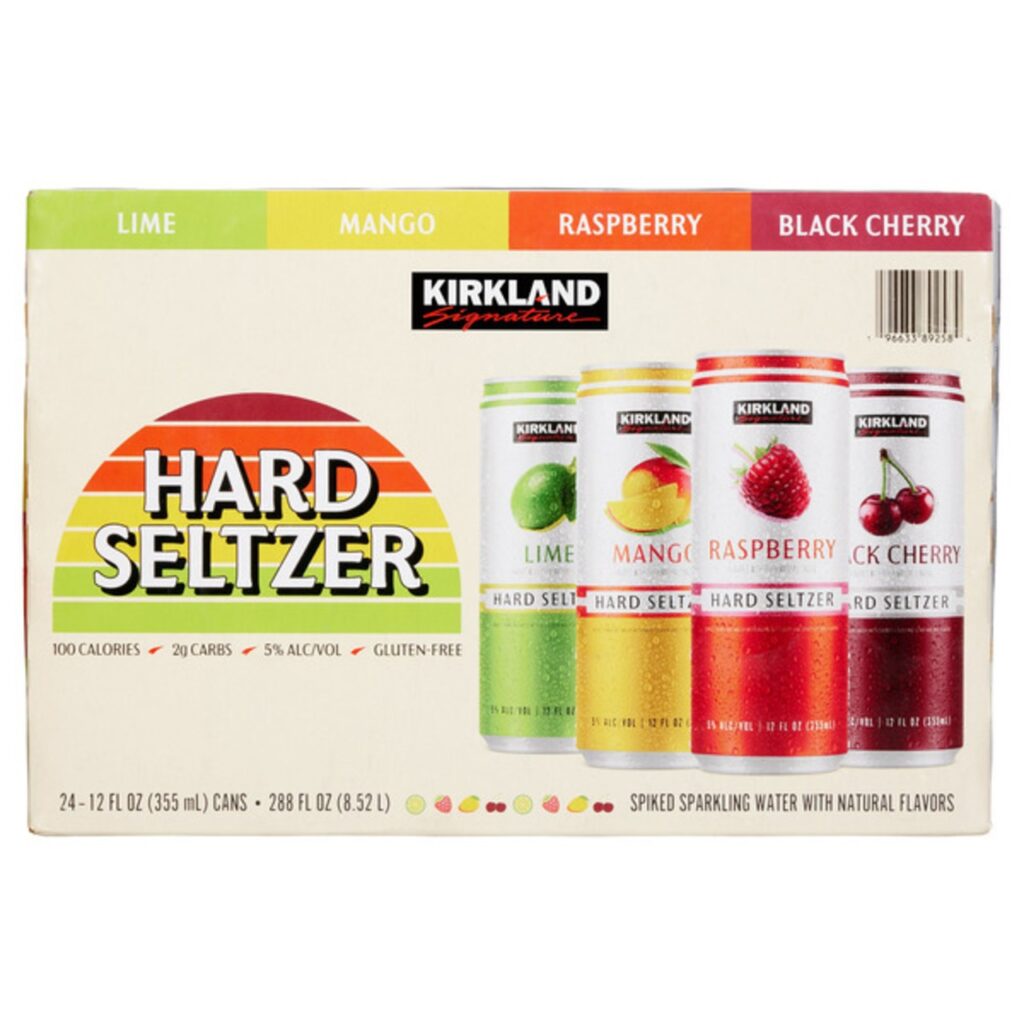
Private-label alcohol is one of the clearest places where Costco's U.S. and Canadian worlds split apart. Kirkland Signature hard seltzer became a buzzy American warehouse buy because it arrived at the intersection of value pricing and a booming ready-to-drink trend.
In Canada, alcohol sales are shaped by provincial rules, licensing systems, and distribution structures that vary widely. Even if consumer interest is there, a warehouse chain cannot treat every province like one seamless retail market. That alone can stop a seemingly obvious product from spreading.
The appeal was not just price. It was the idea that Costco could turn a trendy category into a bulk-buy staple. For Canadian shoppers, that missing product highlights how much regulation influences what ends up in the cart.




Leave a Reply