
It used to be the easy answer for a cheap, fast meal. Now, for a growing number of Canadians, McDonald's feels more like a compromise that costs too much.
Sticker shock has changed the entire equation
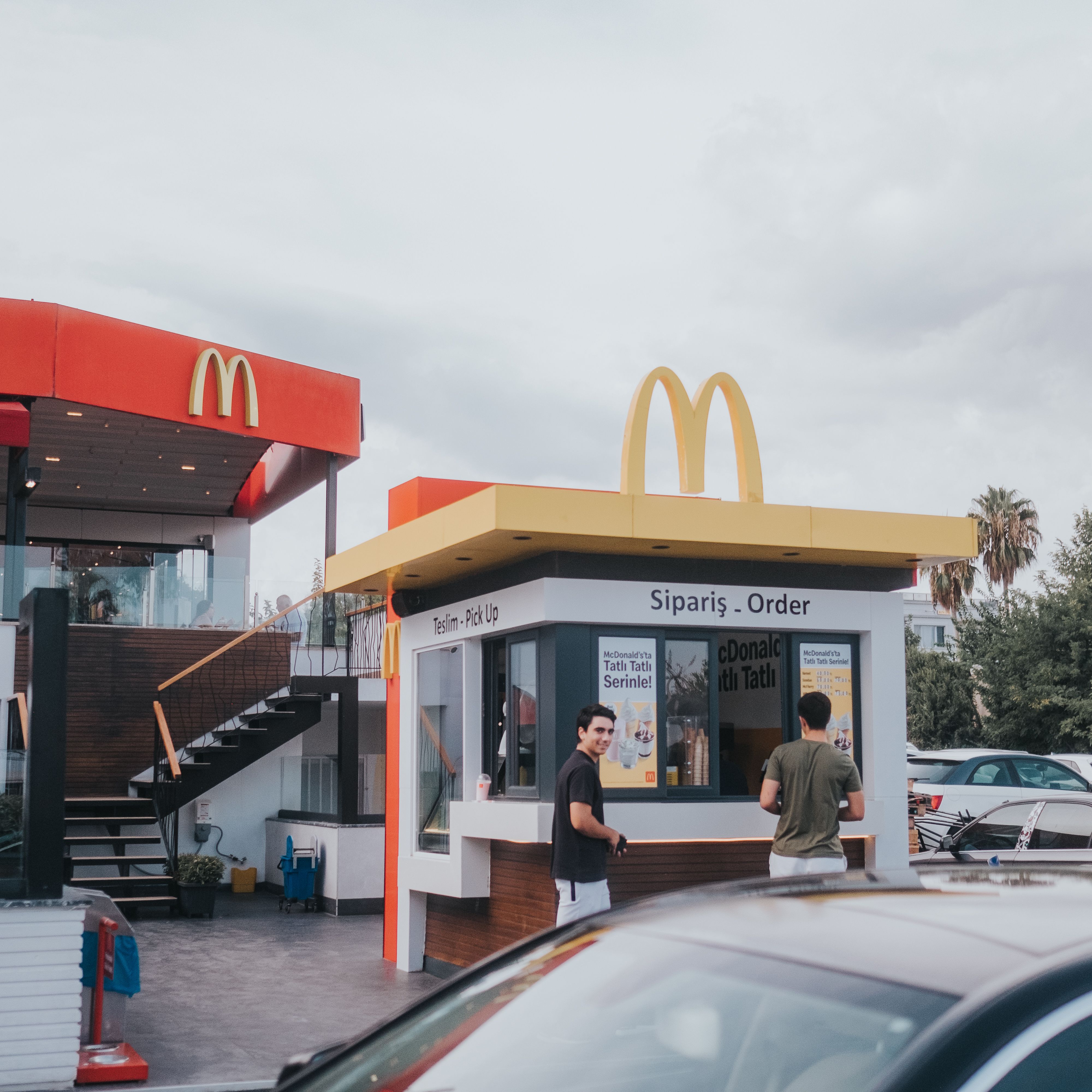
The biggest complaint is simple: price. Across Canada, many customers say a basic combo at McDonald's now lands much closer to casual dining prices than traditional fast-food prices, especially after tax and delivery fees.
That shift matters because McDonald's built much of its reputation on affordability. When a burger, fries, and drink edge toward the cost of a fresh sandwich, a shawarma wrap, or a local lunch special, the old value story starts to fall apart.
Inflation is part of the explanation, but customers do not judge inflation in theory. They judge the total on the screen. If a family of four can spend an amount that feels closer to a sit-down meal than a quick drive-thru stop, frustration follows fast.
Value menus no longer feel like real value
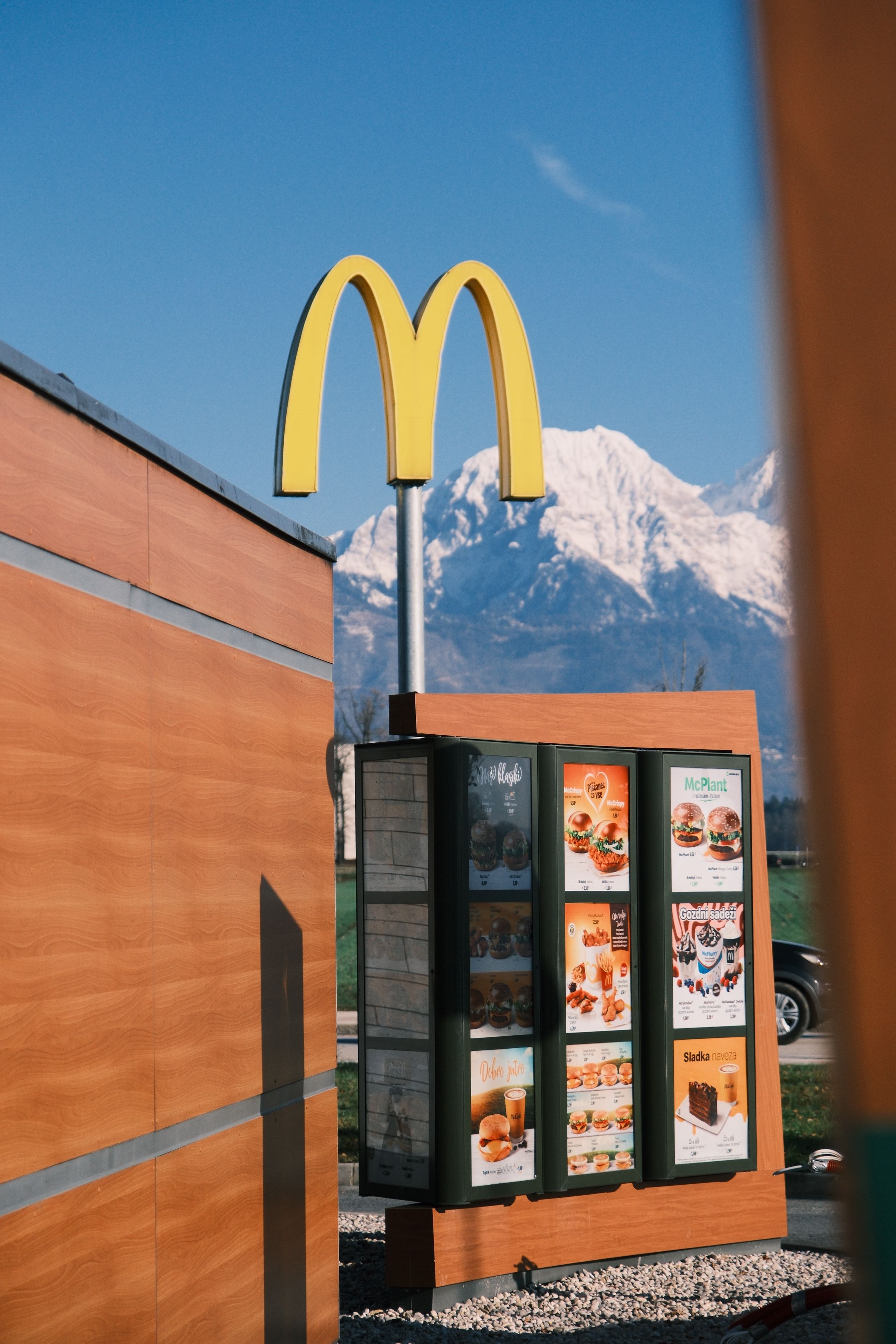
What made McDonald's resilient for decades was not just convenience. It was the sense that even if the food was ordinary, the deal was dependable. Canadians increasingly say that feeling is gone.
App deals and limited promotions still exist, but many customers view them as inconsistent or too conditional. A discount that depends on using an app, collecting points, or buying multiple items does not feel the same as straightforward everyday affordability.
This is especially noticeable among students, shift workers, and families watching every dollar. For those groups, predictable low pricing matters more than digital coupons that may or may not match what they actually want to order that day.
Fast food is being compared to better alternatives
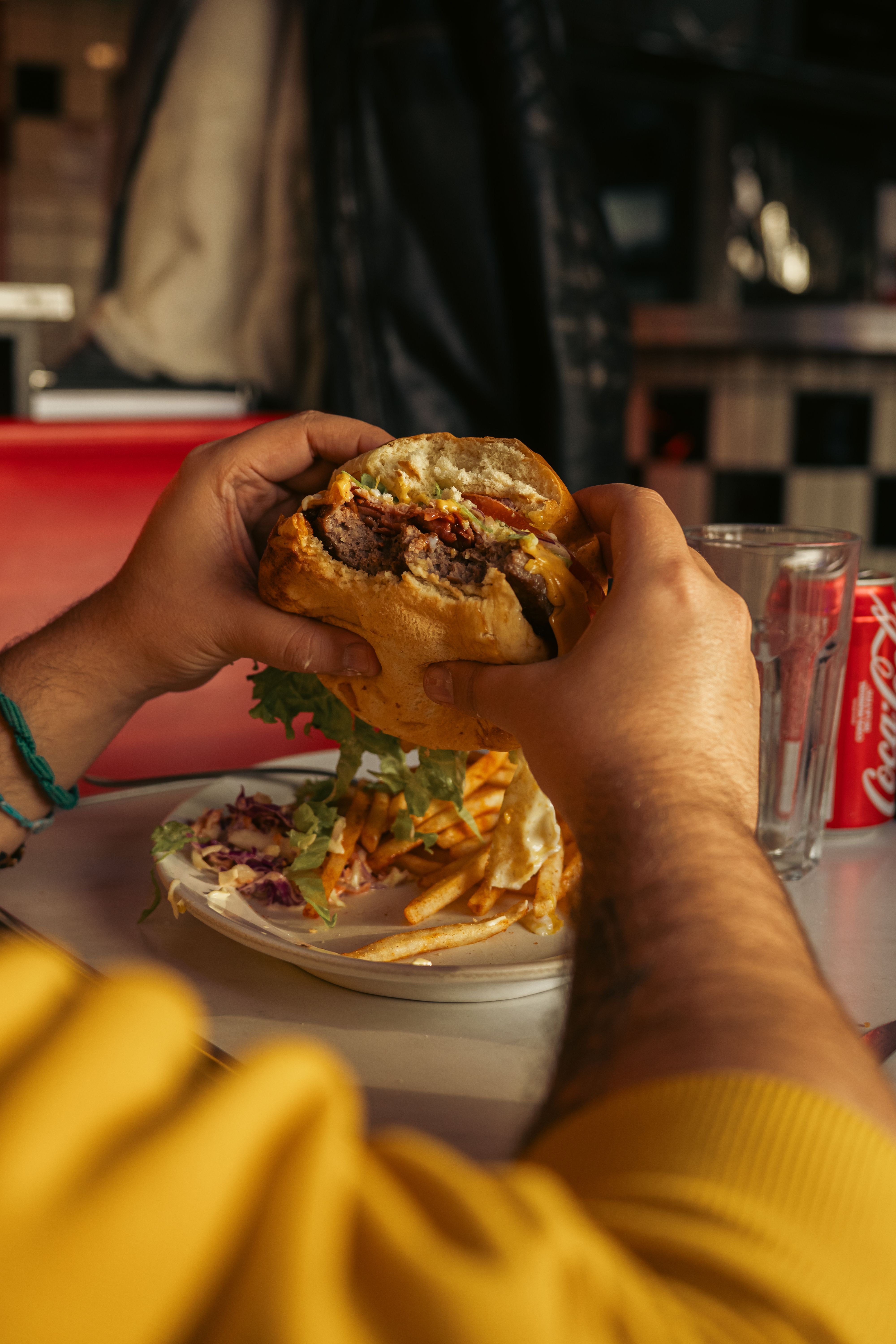
The market around McDonald's has changed. In many Canadian cities, customers can now choose from independent burger shops, grocery store hot counters, bakery cafés, food courts, and culturally diverse takeout options that offer larger portions or fresher ingredients for similar money.
That comparison is hurting the brand. If a local diner serves a bigger burger and hand-cut fries for only a little more, McDonald's loses one of its biggest historical advantages. If a supermarket offers a ready-made meal for less, it loses another.
Even coffee and breakfast, once key strengths in Canada, face sharper competition. Tim Hortons, A&W, breakfast chains, and local cafés all compete for the same rushed morning customer, and many people now shop based on value first, not habit.
Quality expectations are higher than they used to be
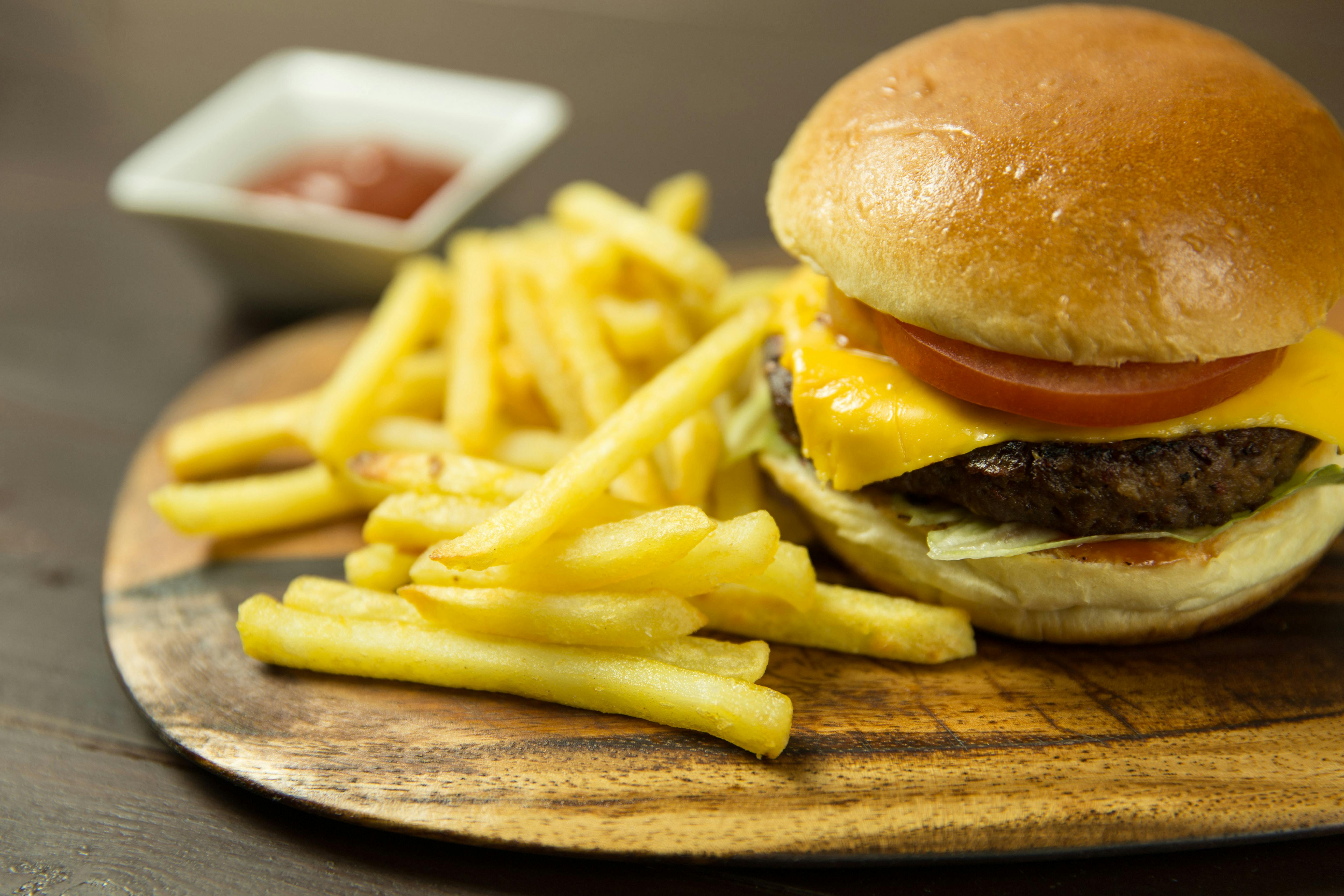
Customers are also more demanding than they were 10 or 20 years ago. They notice portion sizes, ingredient freshness, customization, and whether the food actually looks close to the ads.
When prices rise, tolerance for disappointment drops. A lukewarm order of fries, a flattened burger, or an incorrect item in the bag feels more irritating when the meal no longer feels cheap. The standard people accept at low prices is not the standard they accept at elevated ones.
McDonald's still benefits from consistency and brand familiarity, but consistency alone is no longer enough. Many Canadians now expect fast food to justify its cost through either clear quality, bigger portions, or stronger value. If it does none of the three, repeat visits suffer.
Convenience still matters, but it has become expensive

McDonald's remains one of the most accessible food chains in the country. It has long hours, drive-thru locations, broad menu recognition, and a system designed for speed. That convenience still has real value.
But convenience now comes with visible extra costs. Delivery platform markups, service fees, and tips can turn a routine McDonald's order into an unexpectedly expensive purchase. Even in-store, add-ons and combo upgrades raise totals quickly.
For many consumers, the mental math has changed. If the main reason to choose McDonald's is speed, but the price no longer feels low, people become more willing to wait a few extra minutes for food they see as better, larger, or more satisfying.
The brand is facing a perception problem, not just a pricing problem
This is what makes the issue more serious than ordinary menu inflation. Canadians are not only saying McDonald's costs more. They are saying it no longer feels worth what it costs.
That distinction matters because brands survive higher prices when customers believe the experience still delivers. A premium coffee can work if it feels premium. A fast-food meal can work if it feels cheap, filling, and reliable. McDonald's is being squeezed in the middle.
Unless that balance shifts back through stronger value, sharper promotions, or a better overall experience, the criticism will likely continue. In a crowded Canadian food market, being familiar is helpful, but it is no longer enough to win on its own.




Leave a Reply