
Malls were once seen as yesterday's real estate. Now, for many Canadian restaurant chains, they look like one of the smartest bets in the market.
Foot Traffic Has Improved in a More Practical Way

What is drawing chains back is not nostalgia. It is the simple reality that many major Canadian malls have regained dependable traffic, especially those anchored by grocery stores, cinemas, transit links, medical services, and mixed-use residential projects.
That matters because restaurants do not just need crowds. They need predictable dayparts. A suburban power centre may be busy on weekends, but a strong mall can generate lunch, afternoon snack, dinner, and late-evening traffic from workers, families, teens, and service visitors in the same building.
According to retail analysts and leasing brokers, landlords have become better at measuring traffic quality rather than just raw volume. Chains want customers who stay longer and make multiple stops, and enclosed malls increasingly provide that, especially in top-tier urban and suburban centres.
Landlords Are Rebuilding the Food Experience
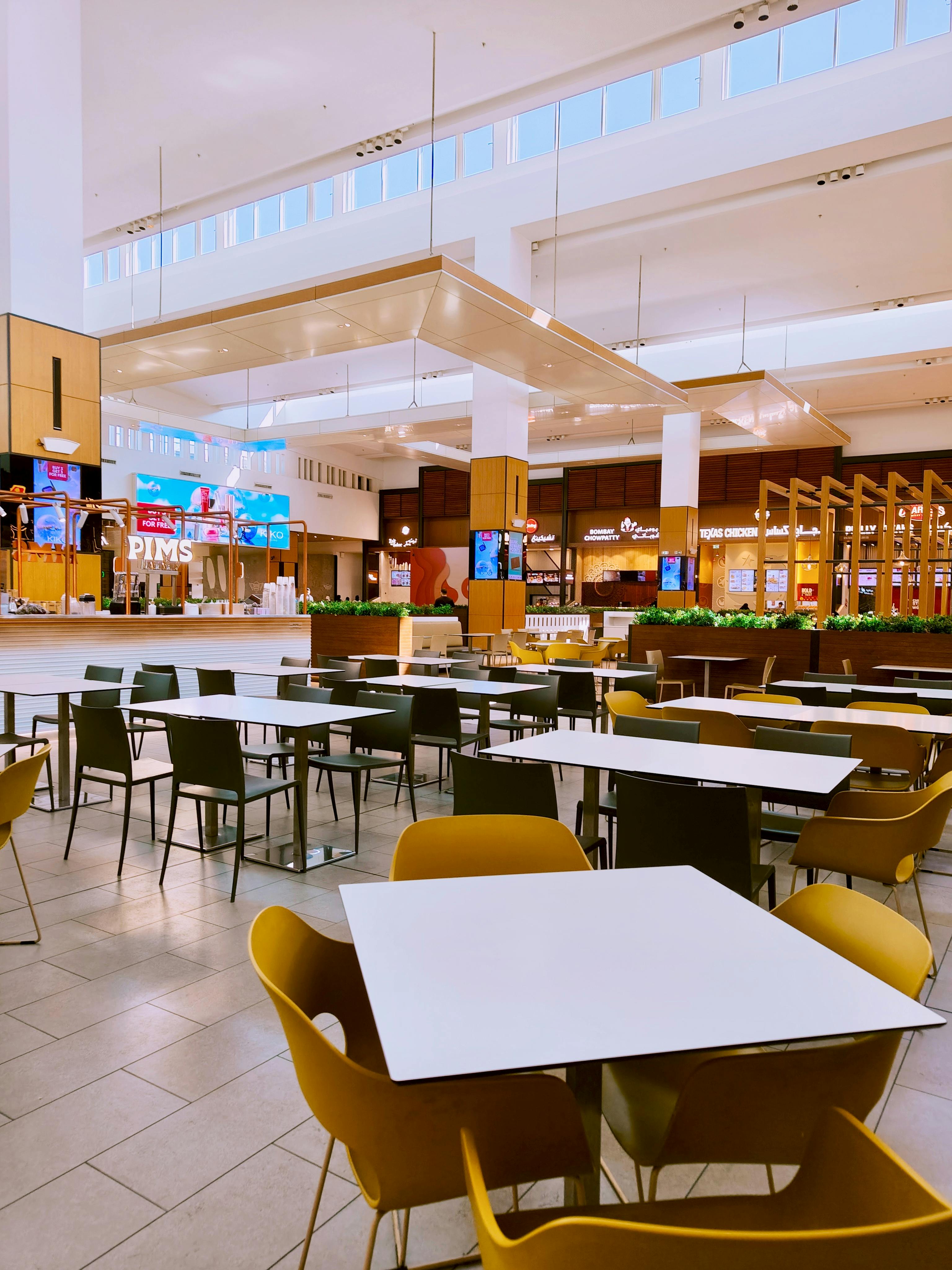
The old model was a generic food court filled with interchangeable quick-service counters. That format lost appeal as consumers began expecting fresher menus, better seating, mobile ordering, and spaces that felt more like social hubs than cafeteria zones.
Mall owners across Canada have responded with major upgrades. Renovated food halls now include daylight, lounge seating, local design touches, alcohol service in some cases, and dedicated pickup shelves for digital orders. These details make mall locations feel more like flagship stores than overflow units.
For chains, that shift changes the economics and the brand fit. A company that once avoided malls for fear of looking discounted can now enter a modernized space that supports premium pricing, broader menus, and a stronger visual identity.
Restaurant Chains Want Lower-Risk Expansion
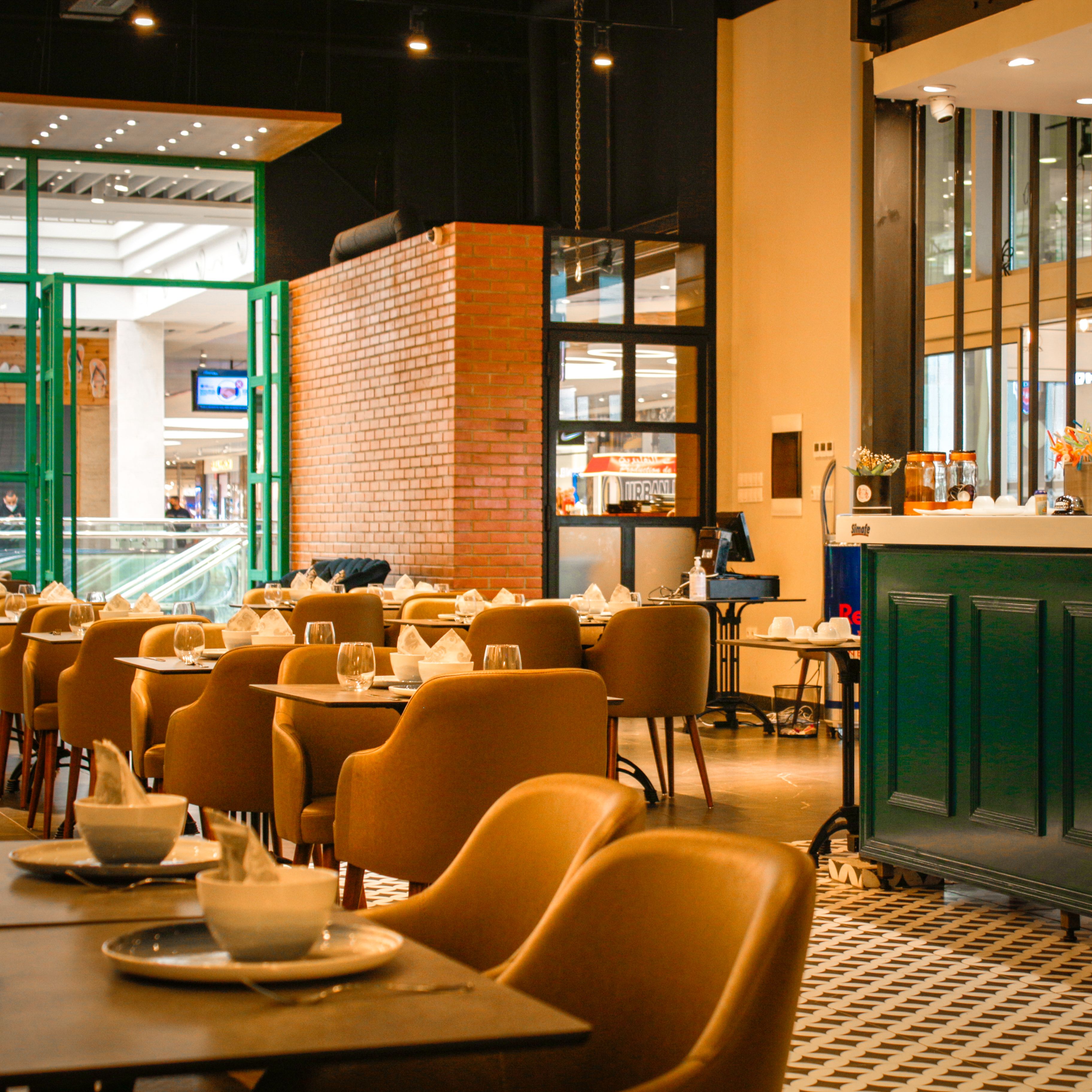
Expansion has become more complicated across Canada. Construction costs remain high, financing is tighter, and standalone restaurant development often comes with bigger site costs, parking requirements, and longer municipal approval timelines.
A mall unit can reduce some of that friction. Venting, utilities, maintenance, and security are often more standardized, and landlords may offer tenant improvement allowances or flexible deal structures to fill strategic food zones. That can make mall space a more controlled way to grow.
For chains balancing caution with ambition, this matters. A mall location can serve as a lower-risk test for a new trade area, a new prototype, or a new menu format before committing to a full freestanding build.
Malls Now Support Omnichannel Restaurant Sales
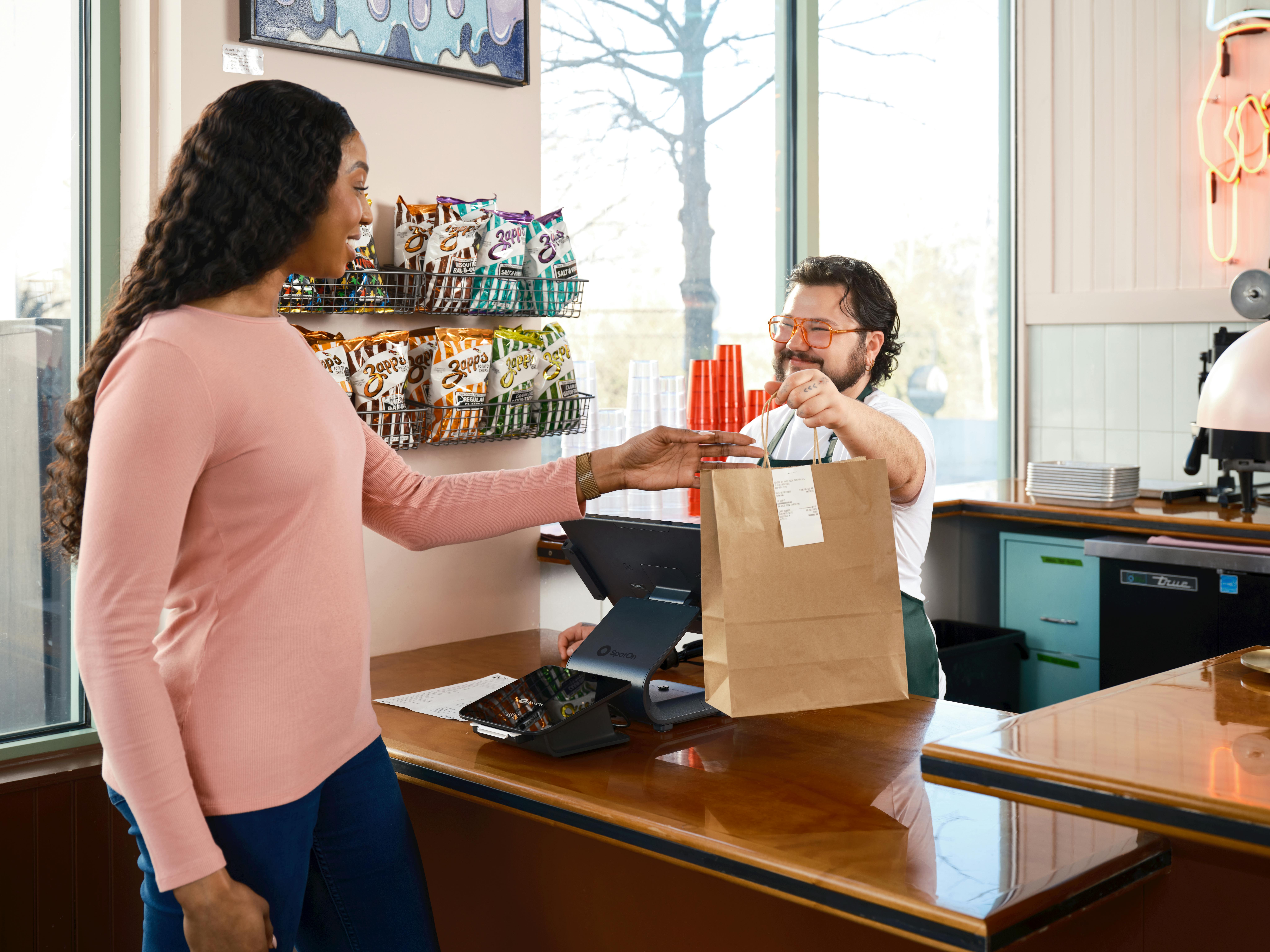
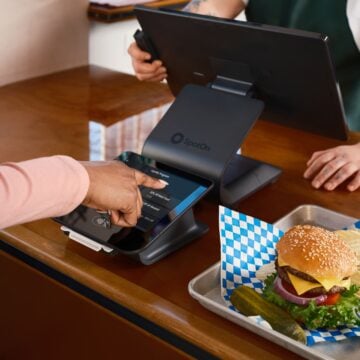
The strongest mall restaurant today is not relying only on people carrying trays to a common seating area. It is built to serve dine-in guests, app orders, third-party delivery, pickup, and sometimes catering from one compact footprint.
That flexibility is especially valuable in Canada's dense metropolitan markets. A mall near condos, offices, and transit can operate as both a retail storefront and a small urban fulfillment hub. In some cases, it reaches customers who never actually shop the mall itself.
Chains have become more sophisticated about this hybrid model. They study delivery radiuses, pickup convenience, parking flow, and digital order mix before signing a lease. A well-located mall can outperform a streetfront site if it supports several revenue streams at once.
Younger Consumers Are Treating Malls as Social Spaces Again

Teenagers and young adults are a major part of the story. For many of them, the mall is not just a shopping destination but a climate-controlled, transit-accessible place to meet, browse, eat, and spend time without planning a full evening out.
Restaurant chains understand that social behavior drives food purchases. A bubble tea stop can lead to a fried chicken order, which can turn into dessert later. Brands that win these casual, repeat visits build frequency, and frequency is often more valuable than one large ticket.
This is one reason why beverage-led chains, dessert brands, and fast-casual concepts are especially active in mall leasing. They match the way younger consumers move through malls, making spontaneous purchases at several points during a visit.
The Best Malls Have Become Mixed-Use Mini Cities
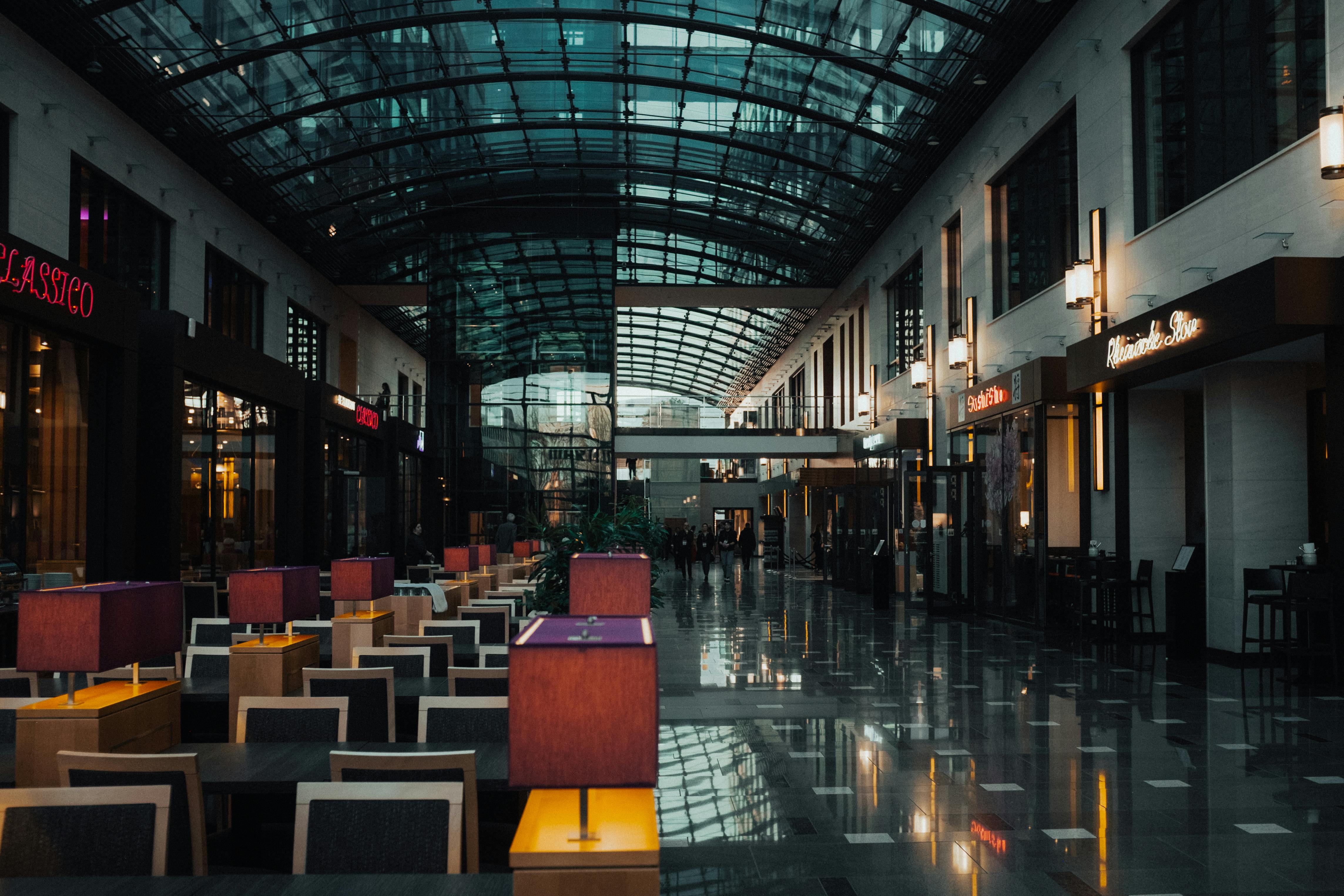
The biggest structural change is that many leading malls are no longer pure retail properties. Across Canada, top sites increasingly combine shops with condos, offices, hotels, fitness clubs, entertainment venues, health services, and public transit connections.
That creates an all-day customer base that older mall models never had. Office workers need lunch, residents want convenient dinner, families pair errands with snacks, and moviegoers extend visits into evening meals. For restaurant chains, this broadens demand far beyond traditional shopping peaks.
In other words, chains are not really betting on the old mall coming back. They are betting on the new mall, one that functions more like a dense neighborhood node. After years of avoiding the format, many now see it as one of the clearest paths to efficient, multi-occasion growth in Canada.



Leave a Reply