
Canadian grocery is no longer a simple battle for shelf space. It is becoming a survival test for chains caught between bargain hunters and premium shoppers.
The middle of the market is disappearing
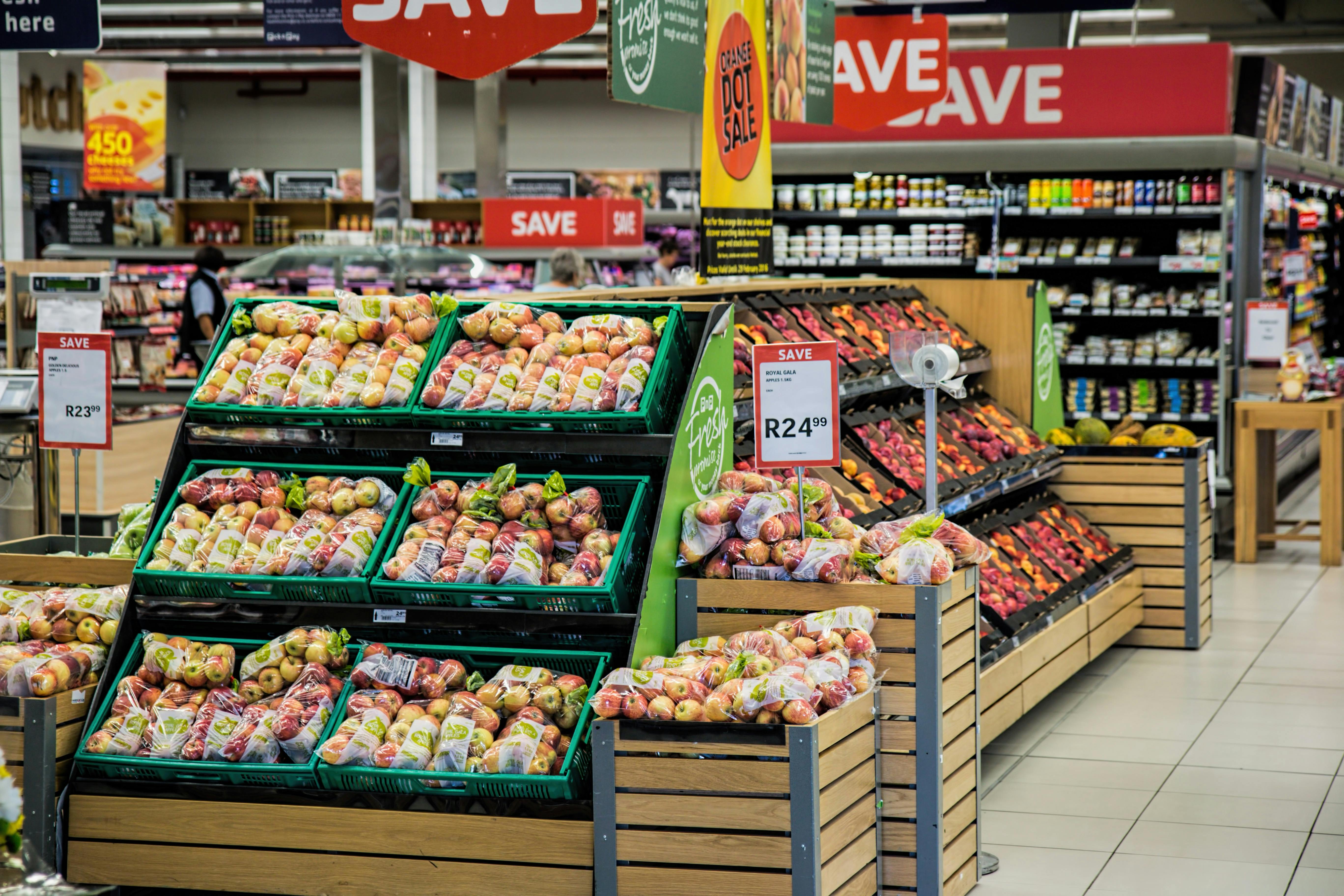
What used to be a comfortable position in Canadian grocery is now the most dangerous one. Mid-market chains once thrived by offering acceptable prices, broad selection, and convenient locations. That formula worked when inflation was stable and shoppers were less surgical about where every dollar went.
Now the market is splitting in two. On one side are hard discounters, warehouse clubs, and private-label heavy banners that win on price. On the other are premium grocers, specialty food stores, and high-service formats that sell quality, convenience, and experience.
That leaves traditional chains stuck in the middle. They are often not cheap enough to beat discount rivals, and not distinctive enough to justify higher prices. In retail strategy, this is one of the hardest places to live because shoppers can quickly see the gap.
Industry reporting from outlets including Reuters has repeatedly highlighted how Canadian consumers have become more price sensitive since the inflation shock of 2022 and 2023. The result is a grocery landscape where average players are steadily losing relevance, even if their stores still look busy.
Inflation changed shoppers more than retailers expected

Sticker shock did more than irritate households. It changed behavior in ways many supermarkets still seem to underestimate. Consumers learned to compare flyers aggressively, split baskets across multiple stores, delay discretionary food purchases, and swap national brands for private label or no-name alternatives.
Once people build those habits, they rarely disappear quickly. A family that discovered a discount chain for pantry staples may keep going there even after inflation cools. In the same way, affluent shoppers who moved toward premium prepared meals or specialty retailers may not return to a bland middle option.
Statistics Canada data has shown food purchased from stores rising sharply over the past few years, pressuring household budgets. Wage growth has not felt strong enough to offset that pain for many families, especially renters, new homeowners, and seniors on fixed incomes.
This matters because grocery loyalty is weaker than it looks. Points programs and weekly promotions can help, but they do not fully protect chains that lack a sharp identity. In the current climate, consumers are rewarding either clear value or clear differentiation, not vague adequacy.
Why local and regional chains face the hardest road
The biggest national players have advantages that smaller chains cannot easily replicate. They negotiate better terms with suppliers, spread technology costs across larger store networks, and invest more heavily in logistics, loyalty platforms, and private-label development.
Regional banners are often more exposed to cost spikes in energy, transport, labor, and refrigeration. If a smaller chain operates in only one province or a limited urban cluster, it has less room to absorb shocks. One weak quarter can do real damage to cash flow.
Some local grocers do have strengths, especially neighborhood knowledge and community trust. But goodwill does not cancel structural pressure. If a nearby discount giant opens, or if a premium competitor captures higher-income shoppers, the local middle-market store can lose both ends of its customer base.
By 2026, survival may depend on balance-sheet strength as much as store traffic. A chain that cannot fund renovations, digital ordering, and price investments may find itself trapped in a downward spiral where aging stores produce weaker sales, which then limits future investment even further.
Price wars are only one part of the threat

It is tempting to think this is simply about who can charge less for milk, bread, and produce. In reality, the risk is broader. Grocery chains are now competing on data, supply chain resilience, store format, labor efficiency, and the ability to keep popular items in stock.
Shoppers notice empty shelves, poor produce quality, and understaffed checkout lanes almost immediately. A mid-tier grocer that fails on these basics can lose trust fast. That trust often shifts to retailers with stronger operations, not just lower prices.
E-commerce adds another layer of pressure. Click-and-collect, delivery partnerships, and app-based promotions are no longer optional in many markets. Large chains can build these systems more efficiently, while smaller operators often face thin margins before they even begin.
Even suppliers are changing the equation. Big chains can secure better volume deals and exclusive products, while weaker grocers may pay more or get less favorable terms. Over time, that compounds into a visible disadvantage on shelf price, assortment, and freshness.
The survivors will be the chains that choose a side

The smartest grocers are not trying to be everything to everyone anymore. They are choosing a lane and building around it. That could mean becoming a ruthless value operator with strong private label, or a premium neighborhood merchant known for fresh food, service, and local assortment.
Costco and hard-discount models show the power of disciplined value. At the other end, premium chains and specialized independents prove that shoppers will pay more when quality, convenience, and trust feel tangible. The weak spot is the retailer that offers neither proposition clearly.
For local chains, this may require painful decisions. Some will shrink footprints, close underperforming stores, or merge with stronger operators. Others will refit stores around ethnic foods, prepared meals, pharmacy services, or hyper-local sourcing to create a sharper reason to visit.
The key point is simple. A generic grocery format is becoming economically fragile in Canada. If a chain waits too long to reposition, 2026 may arrive before its turnaround does.
What Canadian shoppers should watch before closures happen

There are usually warning signs before a grocery chain disappears. Frequent stockouts, delayed renovations, shrinking staff levels, reduced hours, and increasingly aggressive promotions can all signal margin stress. So can a visible shift toward cheaper assortment without a coherent strategy behind it.
Watch how a chain talks about itself. If management emphasizes value, premium service, local sourcing, and convenience all at once, that can suggest confusion rather than strength. In today's market, clarity is more believable than broad promises.
Consumers may also notice more consolidation. Stores can be sold, converted to different banners, or quietly closed when leases expire. That pattern has appeared across retail categories before, and grocery is not immune simply because food demand is constant.
The broader lesson is that demand for groceries does not guarantee survival for every grocer. Canada still needs food retailers, but it may not need as many middle-market ones. For your local chain, the next 18 months could determine whether it adapts, gets acquired, or fades away.




Leave a Reply