
Most Canadians see milk, eggs, and chicken as ordinary grocery staples. Few realize those products come from one of the country's most carefully managed economic systems.
The system has a name, and it shapes daily shopping
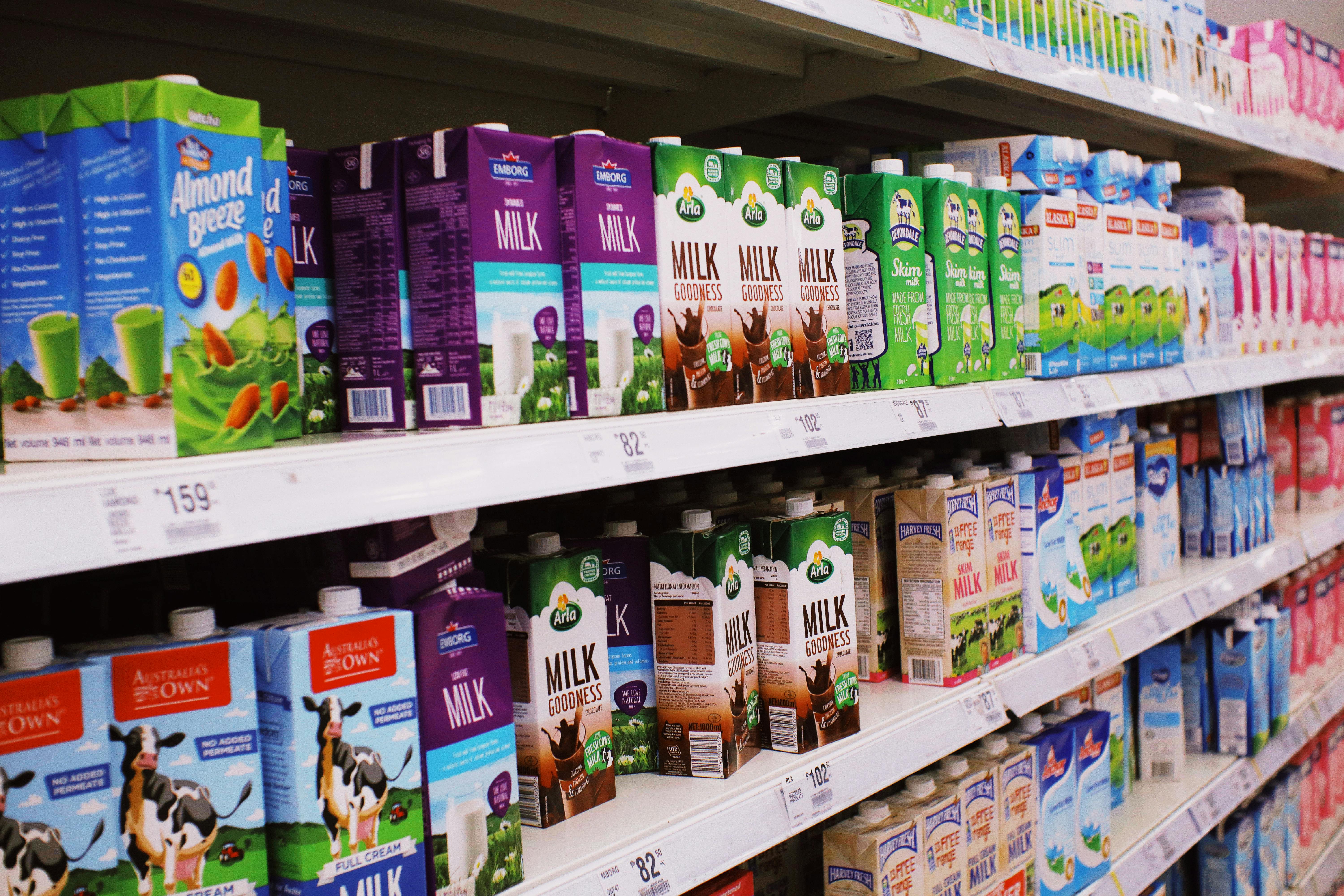
At the heart of Canada's dairy, egg, and poultry industries is supply management. It covers dairy, chicken, turkey, table eggs, and hatching eggs, and it works by matching domestic production to expected Canadian demand.
Farmers cannot simply produce as much as they want in these sectors. They need quota, which is a government-regulated production right that determines how much milk they can ship or how many birds or eggs they can market.
That quota has major value. In some provinces, dairy quota has historically been worth tens of thousands of dollars per cow unit, making it one of the biggest assets on a farm balance sheet and a major barrier for new entrants.
Consumers usually notice the results rather than the mechanism. Store shelves are steady, dramatic oversupply is rare, and price swings tend to be far less violent than in countries where farmers are exposed to global boom-and-bust cycles.
It was built to stop the chaos that once hit farm families
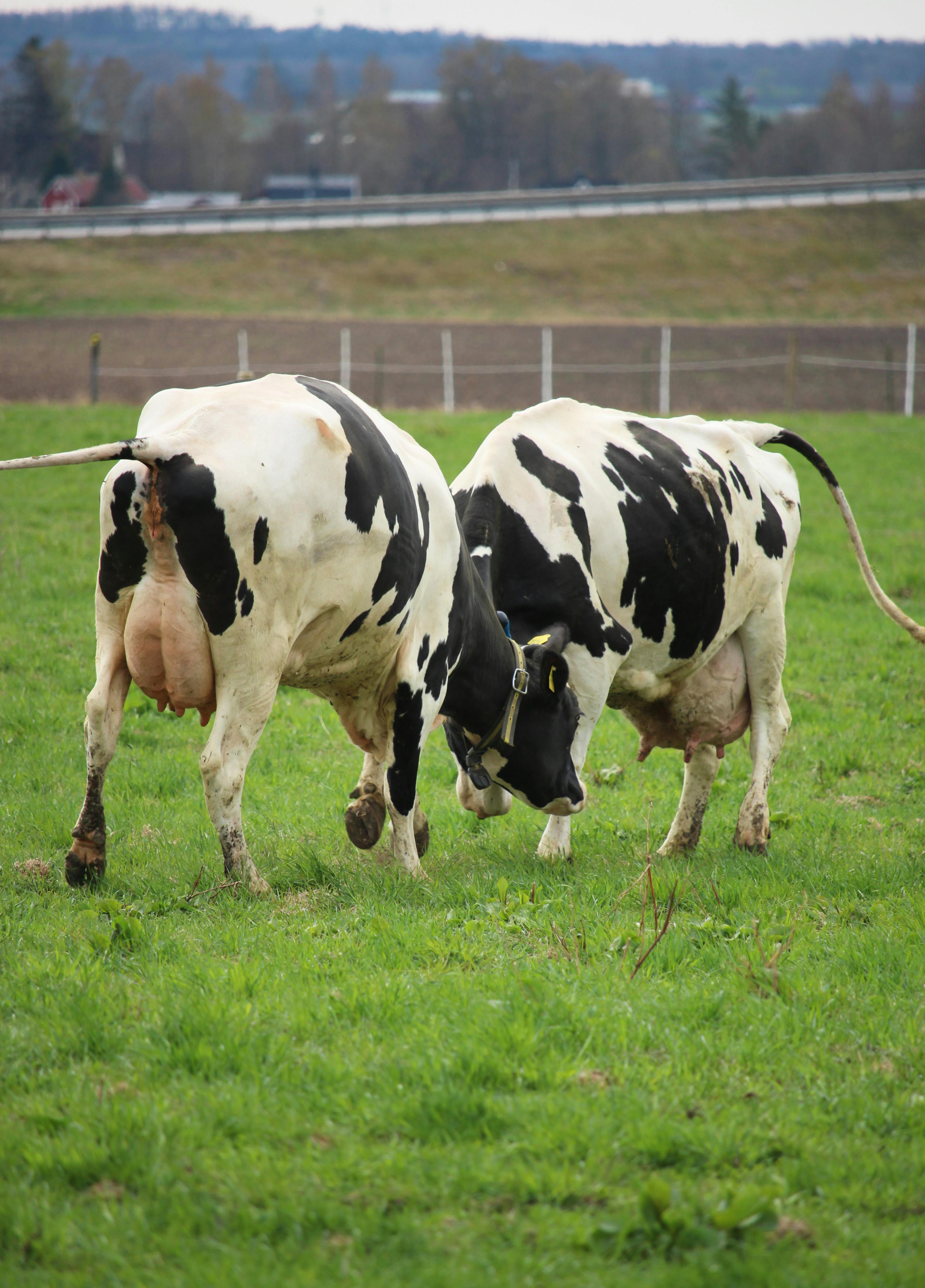
Supply management did not appear by accident. It grew out of the instability of the 1960s and early 1970s, when many Canadian farmers faced deep uncertainty, weak bargaining power, and sudden price collapses.
Milk could be dumped, poultry markets could be glutted, and farm income could swing sharply from one season to the next. Governments and producer groups wanted a framework that would prevent chronic overproduction and give farmers a more predictable return.
The answer was a three-part structure that still defines the system today: production discipline through quota, administered pricing based on costs, and import controls that limit foreign competition beyond set access levels.
That combination created an unusual compact. Farmers accepted output limits, governments enforced the rules, and consumers paid prices designed to support a stable domestic farm sector rather than the lowest possible world price.
Quota, pricing, and tariffs work together as one machine

The most misunderstood part of supply management is that quota alone does not make the system work. It functions only because production controls are reinforced by pricing formulas and tariff walls at the border.
In dairy, for example, farm-gate prices are guided by cost-of-production studies that consider inputs such as feed, fuel, labour, and capital needs. Similar regulatory structures exist in eggs and poultry, though each commodity has its own board and formula.
Imports are the third pillar. Canada allows some foreign access under tariff rate quotas, but once those volumes are exceeded, tariffs can become extremely high, which strongly protects the domestic market from lower-priced outside supply.
This is why trade negotiations regularly target these sectors. Agreements such as CETA, CPTPP, and CUSMA opened slices of the Canadian market to foreign producers, and Ottawa later announced compensation packages for affected farmers.
Supporters say it protects farms, food security, and rural stability
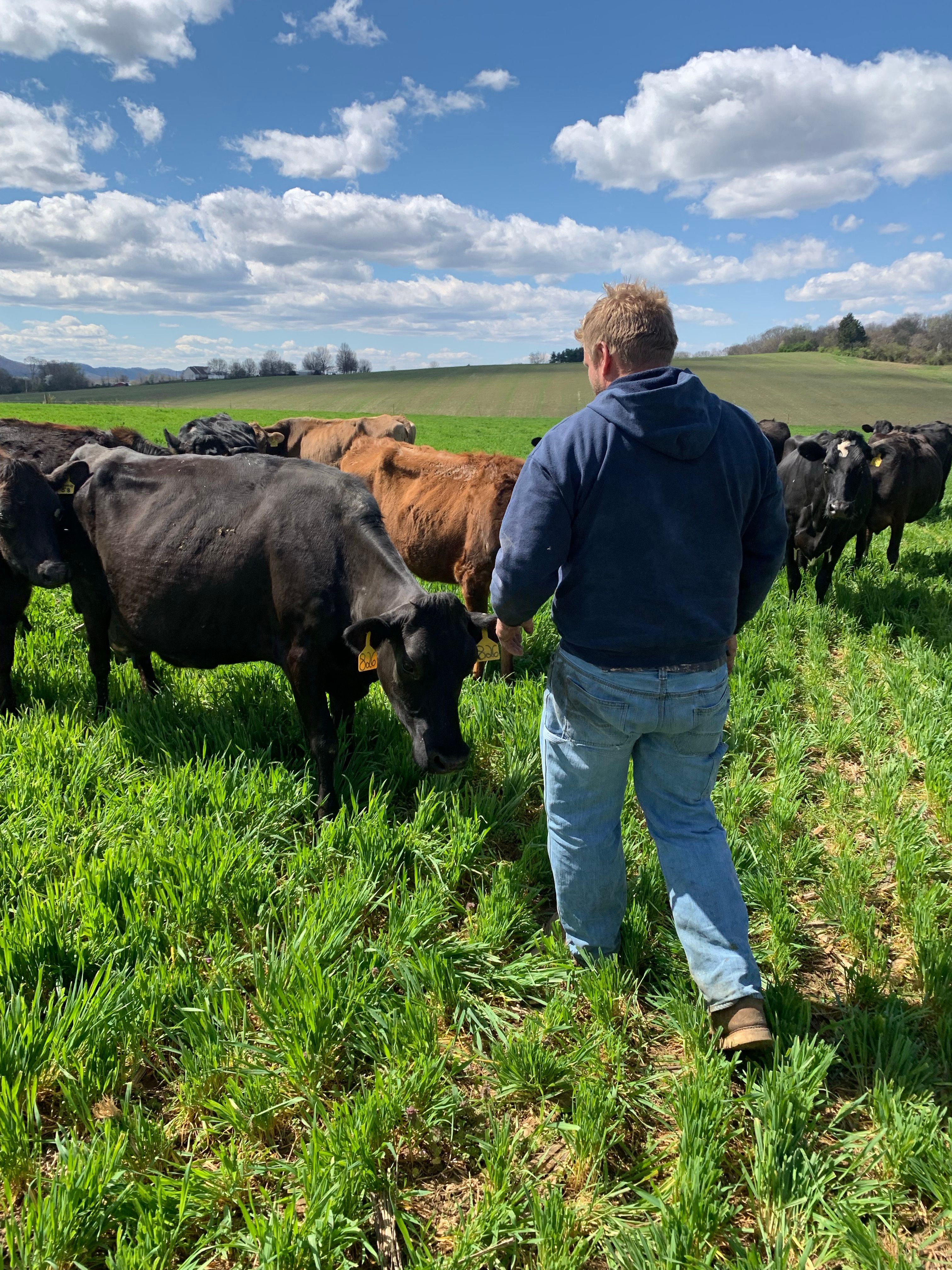
Supporters argue that supply management succeeds at the job it was designed to do. It delivers relatively stable farm incomes, reduces the need for large direct subsidy programs, and helps preserve family-scale farming in many regions.
In countries without such systems, dairy farmers especially can face severe price crashes. During global oversupply periods, producers elsewhere have sometimes dumped milk, culled herds, or relied on emergency public aid to survive.
Canada has largely avoided those extremes. Advocates also say domestic planning improves food security by maintaining national production capacity instead of outsourcing basic protein and dairy needs to more volatile world markets.
Rural communities benefit as well. Predictable farm revenues support local equipment dealers, feed suppliers, veterinarians, processors, and lenders, creating an economic web that is less visible than grocery prices but vital outside major cities.
Critics say shoppers pay more and newcomers face steep barriers
Critics do not dispute that the system creates stability. Their argument is that the costs are spread across consumers and aspiring farmers, often in ways that are hard to see at the checkout counter.
Because prices are managed above many world levels and imports are limited, Canadians often pay more for dairy and poultry than consumers in more open markets. Economists have long debated the exact premium, but the direction of the effect is widely accepted.
The burden inside farming is also significant. Young producers trying to enter supply-managed sectors often confront quota costs so high that expansion, succession, and innovation become harder unless families already own substantial assets.
There are also distributional questions. Higher food prices matter far more to lower-income households than to affluent ones, which is why critics argue the system acts like a quiet transfer from consumers to quota holders.
The future debate is not whether it exists, but how it changes
Supply management remains politically resilient because it is deeply embedded in provincial and federal institutions. No major national party treats its full dismantling as an easy or low-risk reform, especially in vote-rich agricultural regions.
Yet the system is not frozen. Governments have adjusted quota rules, created programs for new entrants, and renegotiated trade access while trying to preserve the core structure that farmers depend on for planning and financing.
The real debate now is about modernization. Can Canada lower entry barriers, improve transparency, support smaller farms, and soften consumer costs without triggering the instability that originally led to the system's creation?
That question explains why this little-known quota framework matters so much. It is not just an agricultural rulebook. It is a national bargain over prices, protection, rural livelihoods, and what Canadians expect their food system to deliver.




Leave a Reply