
Canadians are feeling inflation most sharply in the aisle that cannot be skipped. Food bought from stores has become a more stubborn problem than the broader cost of living.
Why the 18-month streak matters

When grocery inflation outpaces overall inflation for 18 straight months, it signals more than a temporary spike. It means food prices are resisting the broader cooling seen in other parts of the economy, even as headline inflation eases. For households, that creates a harsh reality because groceries are a recurring necessity, not a purchase people can simply delay.
Statistics Canada data has repeatedly shown this gap between store-bought food and the all-items Consumer Price Index. While gasoline, durable goods, and some discretionary categories have softened at various points, food prices have stayed elevated. That matters most to lower- and middle-income families, who spend a larger share of their pay on essentials.
The effect is cumulative. A few percentage points of extra food inflation, repeated month after month, can permanently reset a family's grocery budget. Once prices rise on staples like bread, dairy, meat, and produce, they rarely return to prior levels even after inflation slows.
What is keeping food prices high
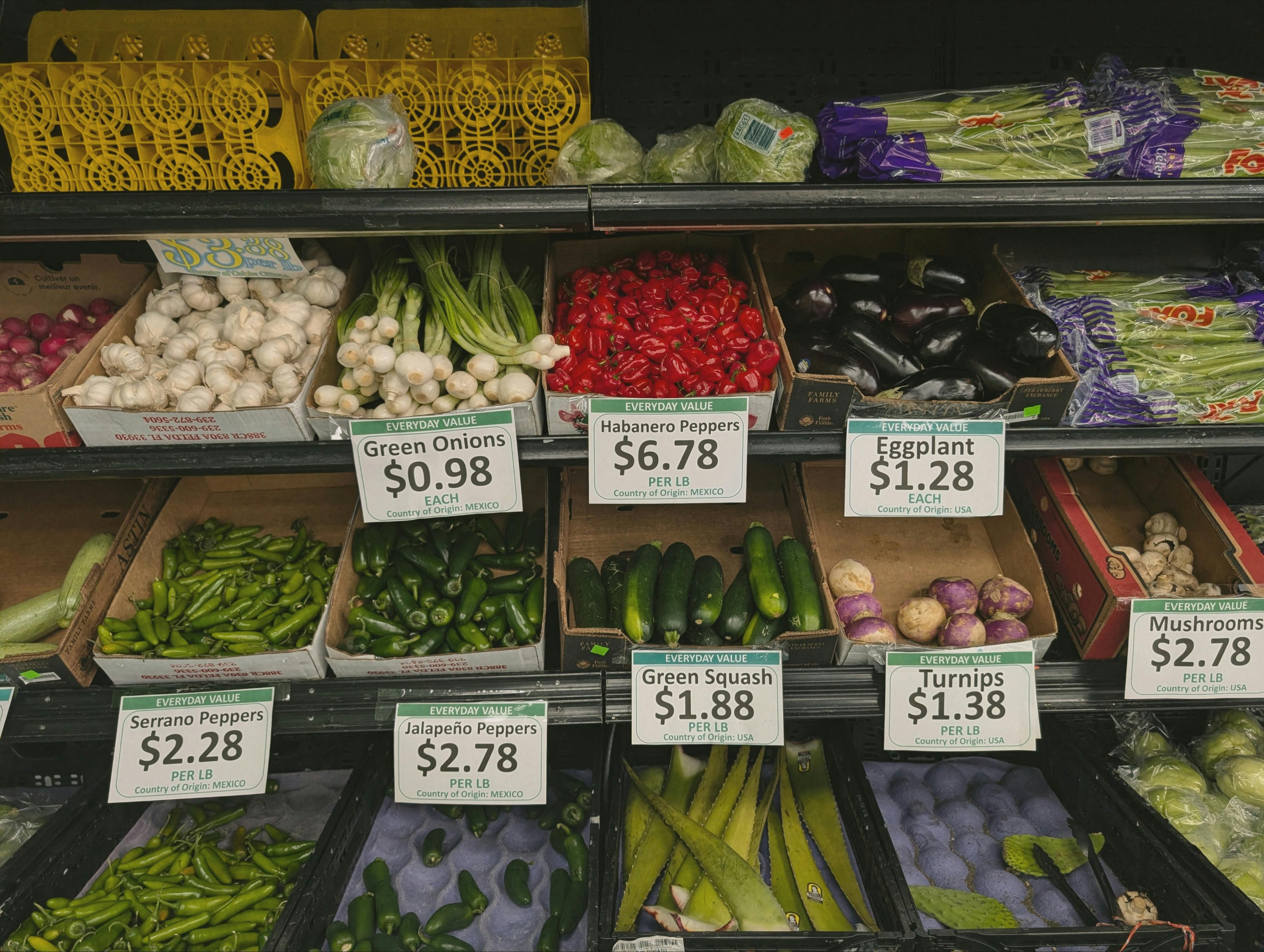
The forces behind grocery inflation are broad and layered. Farmers and food manufacturers have faced higher costs for fertilizer, feed, fuel, packaging, borrowing, and transportation. Those increases move through the supply chain gradually, which is one reason grocery inflation often lags behind changes in broader inflation.
Weather has also played a measurable role. Droughts, floods, heat waves, and poor growing conditions in Canada and other producing regions have tightened supply for fruits, vegetables, grains, and oils. Climate volatility does not hit every category at once, but over time it keeps pressure on shelves and wholesale markets.
The value of the Canadian dollar and global trade conditions matter too. Canada imports a large share of its fresh produce and many processed food inputs. When exchange rates weaken or shipping costs rise, retailers and suppliers face another layer of cost pressure that consumers eventually see at checkout.
Why shoppers notice it so intensely
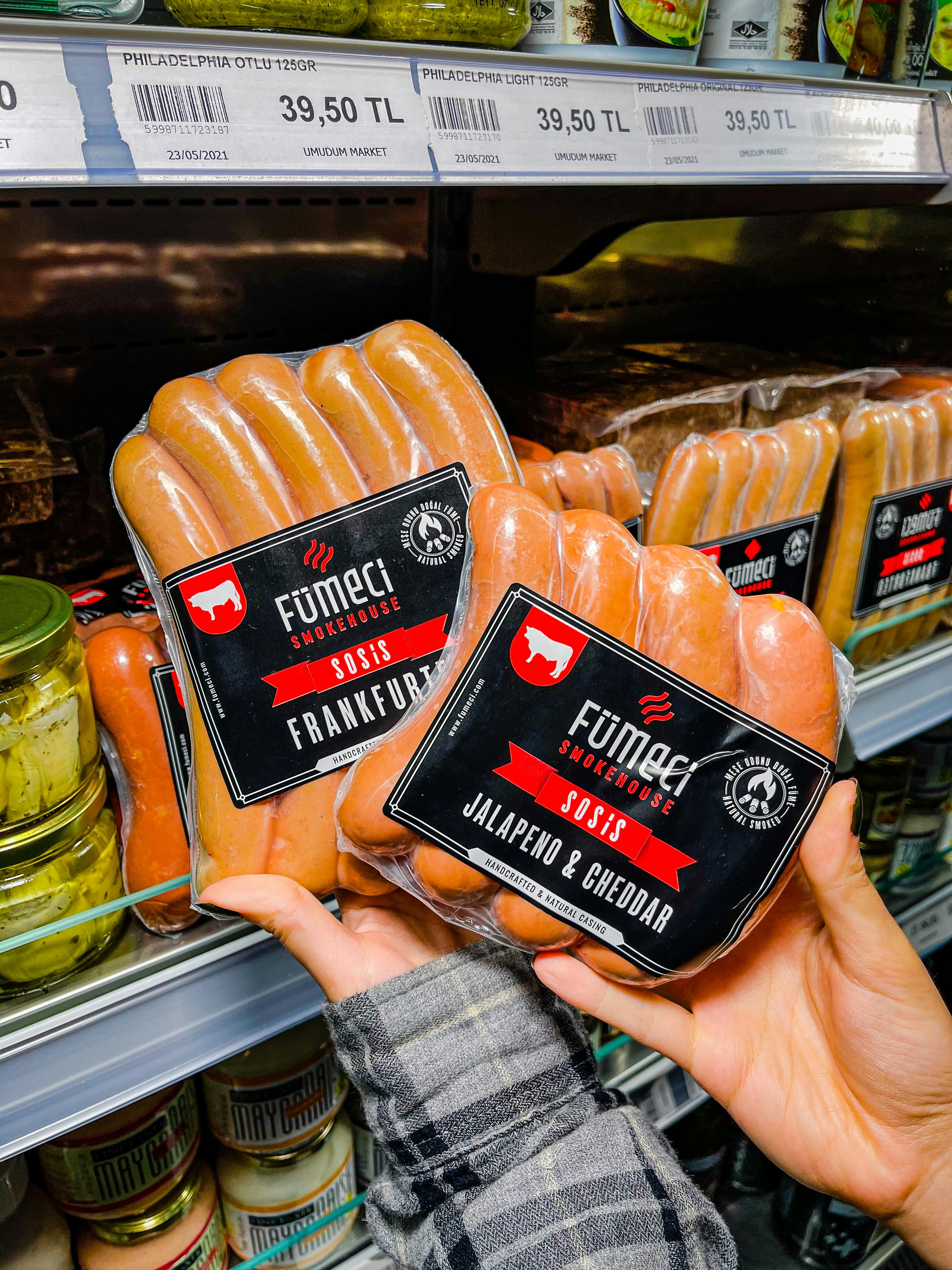
Grocery inflation feels worse than many other forms of inflation because people encounter it constantly. A rent increase may happen once a year and a car purchase every several years, but food prices confront consumers weekly. The repetition makes each increase more visible, especially when package sizes shrink or promotions become less generous.
Many shoppers report spending the same amount and bringing home fewer items. That is often a mix of outright price increases and so-called shrinkflation, where quantities are reduced while sticker prices change little. A box, bag, or carton may look familiar, but the value calculation has shifted against the customer.
Psychology also matters. Consumers know roughly what eggs, milk, chicken, apples, and cereal should cost, so changes stand out immediately. When staple items move higher together, households do not interpret that as abstract inflation data. They experience it as a direct hit to routine life.
The pressure on families and vulnerable groups

The burden is not evenly shared. Seniors on fixed incomes, students, single-parent households, and people relying on social assistance are especially exposed when grocery prices rise faster than overall inflation. These groups have less room to substitute, absorb higher costs, or stock up when items go on sale.
Food banks across Canada have reported sustained demand, a sign that higher grocery costs are reshaping daily choices. Some families are switching from fresh foods to lower-cost processed items, buying less protein, or visiting multiple stores to chase discounts. Those changes may save money in the short term but can carry health and time costs.
Rural and northern communities face an even steeper challenge. Transportation costs, limited competition, and dependence on shipped goods can make food inflation more severe there. In those areas, a national average can understate the reality seen in local stores.
How retailers and policymakers are responding

Governments have tried to address affordability through rebates, competition scrutiny, and public pressure on major grocers. Ottawa has pushed large chains to explain pricing behavior, while regulators have examined competition in the grocery sector. Still, policy tools have limits because many food inflation drivers originate well before products reach store shelves.
Retailers, for their part, have leaned harder on discount formats, private-label products, loyalty offers, and sharper promotions. Some chains highlight value packs and lower-price house brands to retain strained customers. That can ease pressure for some shoppers, but it does not fully reverse higher underlying costs.
Economists generally caution against expecting a dramatic drop in food prices. More often, the likely outcome is slower growth rather than true deflation. In practical terms, that means grocery bills may stop worsening as quickly, but they are unlikely to return to pre-surge norms.
What Canadians can expect next

The next phase will depend on weather, energy, wages, interest rates, and global commodity markets. If transportation and input costs stabilize, grocery inflation could continue to cool. But any new supply disruption, crop failure, or currency weakness could keep food prices growing faster than overall inflation for longer.
Consumers are already adapting. More are comparing flyers, choosing store brands, buying frozen produce, reducing impulse purchases, and planning meals more carefully. These are rational responses, but they also show how inflation changes behavior long after the sharpest price spikes pass.
The broader lesson is clear. When grocery inflation outpaces headline inflation for 18 consecutive months, it is not just an economic statistic. It is a sign that the most basic part of household spending remains under unusual strain, and that relief, when it comes, may be gradual rather than immediate.




Leave a Reply