
A plate of food can say a lot about how people are expected to live. In Canadian seniors' homes, that message is changing fast.
Residents now expect more than survival food

Today's seniors are not entering care with low expectations about meals. Many have spent decades dining out, hosting family gatherings, and following personal food traditions, so they notice immediately when food feels generic, overcooked, or stripped of identity.
Operators across Canada have recognized that institutional food sends the wrong signal. It can make residents feel processed rather than cared for, especially when menus are repetitive and service is rushed. Restaurant-style dining, by contrast, offers visible choice, table service, and meals that look and smell appealing.
This shift is also generational. Baby boomers are reshaping retirement living with stronger consumer expectations, and providers know dining is now a major selling point. In many residences, prospective families tour the dining room before they ask about programming.
Better dining supports better health outcomes
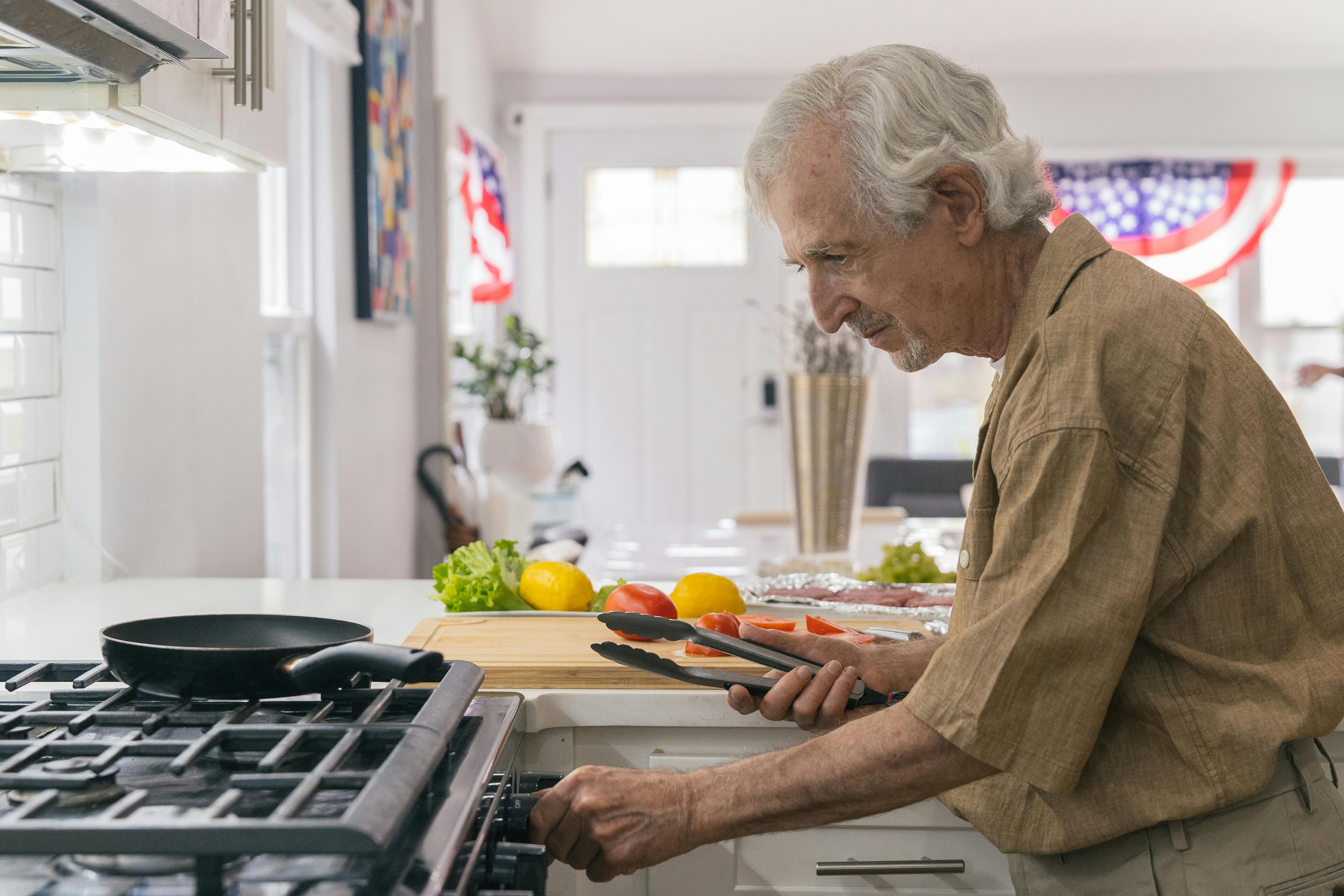
A meal is never just a meal in senior living. For older adults, poor appetite, swallowing difficulty, medication side effects, and loneliness can all reduce food intake, which raises the risk of weight loss, frailty, and hospitalization.
That is one reason homes are investing in better presentation, flexible menus, and more appealing textures. According to geriatric nutrition experts, people often eat more when food looks familiar and appetizing, when portions can be adjusted, and when they have some control over what appears on the plate.
Canadian homes are also learning from person-centred care models that connect dining with health outcomes. A resident who chooses soup, salmon, or softer vegetables is more likely to finish the meal than one who is handed a standard tray with little room for preference.
Restaurant-style service restores dignity and choice

The biggest difference is not always the recipe. It is often the experience of being served in a calm, attractive room instead of receiving a tray on a rigid schedule that prioritizes kitchen efficiency over personal routine.
Choice matters deeply in long-term care because so much daily life is structured by others. When residents can select from a menu, decide when to eat within a broader service window, or request substitutions, dining becomes one of the few daily moments of autonomy still fully available to them.
Homes that adopt this approach often redesign more than menus. They add smaller dining rooms, real dishware, open kitchens, and staff trained in hospitality. The goal is not luxury for its own sake. It is to make meals feel normal, respectful, and socially engaging.
Food quality helps homes compete for residents and staff
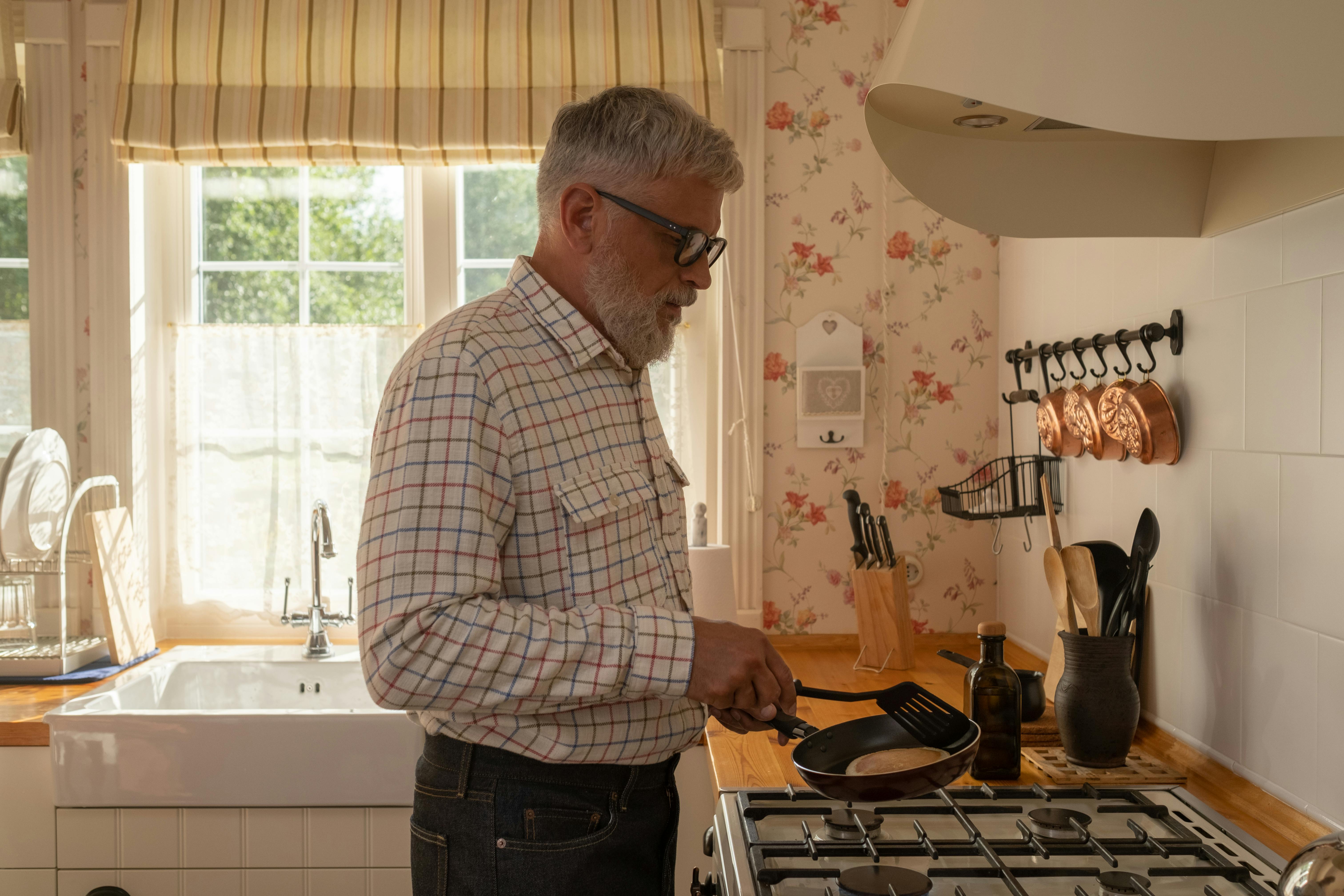
Dining has become a business issue as much as a care issue. In independent living, assisted living, and private retirement residences, operators compete intensely, and food is one of the most visible markers of quality to both residents and adult children.
A well-run dining program signals competence throughout the building. Families often assume, reasonably, that a home able to deliver fresh meals, accommodate allergies, and serve residents warmly is also likely to be attentive in other areas. In that sense, the dining room functions as both care environment and public proof point.
Staff recruitment is part of the equation too. Chefs and food-service workers increasingly prefer workplaces where they can cook real meals rather than reheat standardized items. Homes that promise creativity, seasonal menus, and resident interaction may have an easier time attracting culinary talent.
Canadian menus are becoming more local and more personal
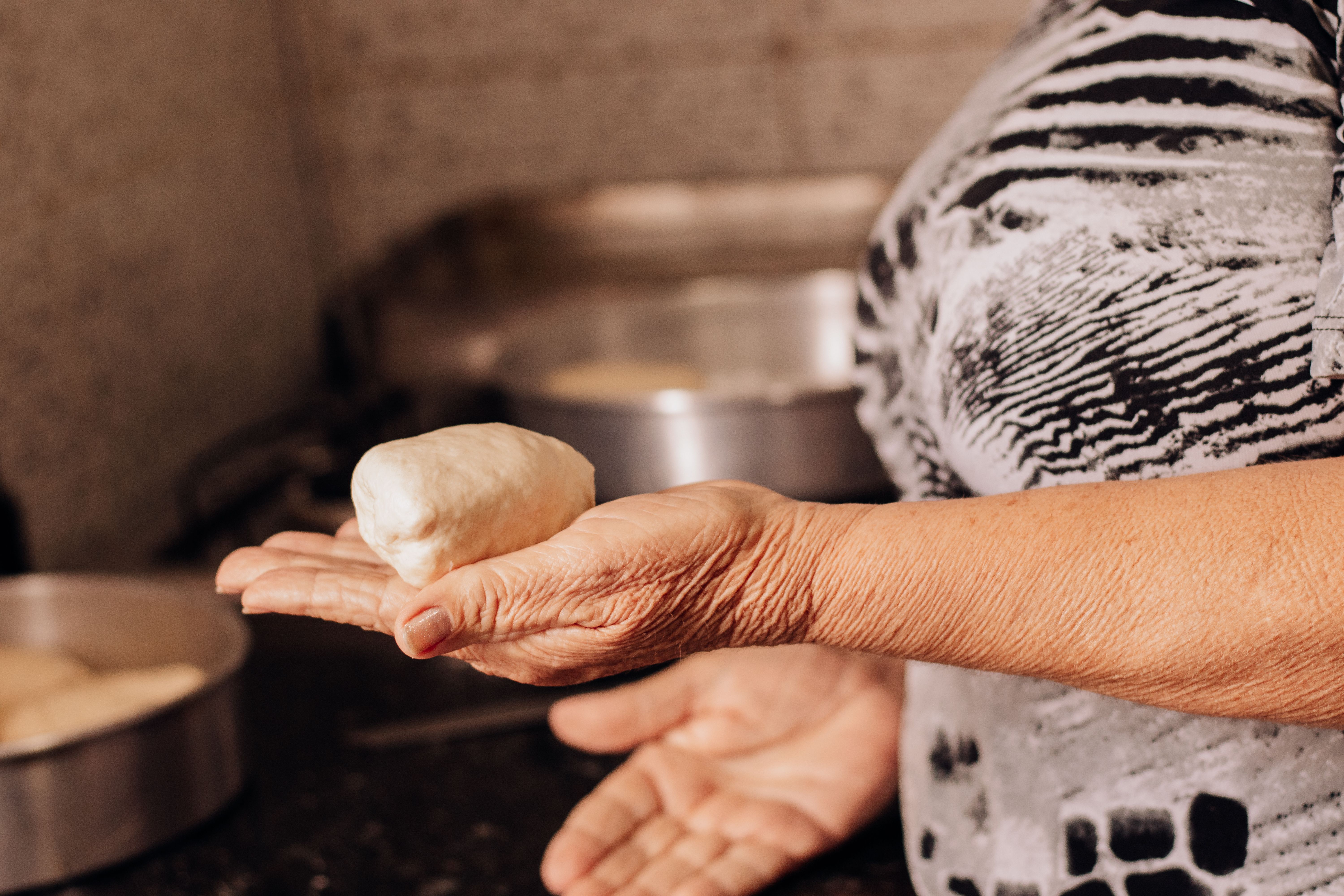
One major reason institutional food is fading is that it rarely reflects who residents actually are. Canadian seniors' homes now serve populations with varied regional tastes, cultural backgrounds, and dietary needs, making one-size-fits-all menus increasingly outdated.
In practice, that means more homes are offering culturally familiar dishes, comfort foods, and seasonal ingredients. A residence in British Columbia may highlight Pacific salmon and Asian-inspired soups, while one in Quebec may lean into tourtière, root vegetables, and classic French-Canadian preparations.
Personal history matters just as much as geography. Many operators now collect food biographies during intake, asking about favorite meals, lifelong dislikes, religious restrictions, and family traditions. That information helps kitchens create dining experiences that feel less clinical and far more human.
The trend is practical, not just cosmetic
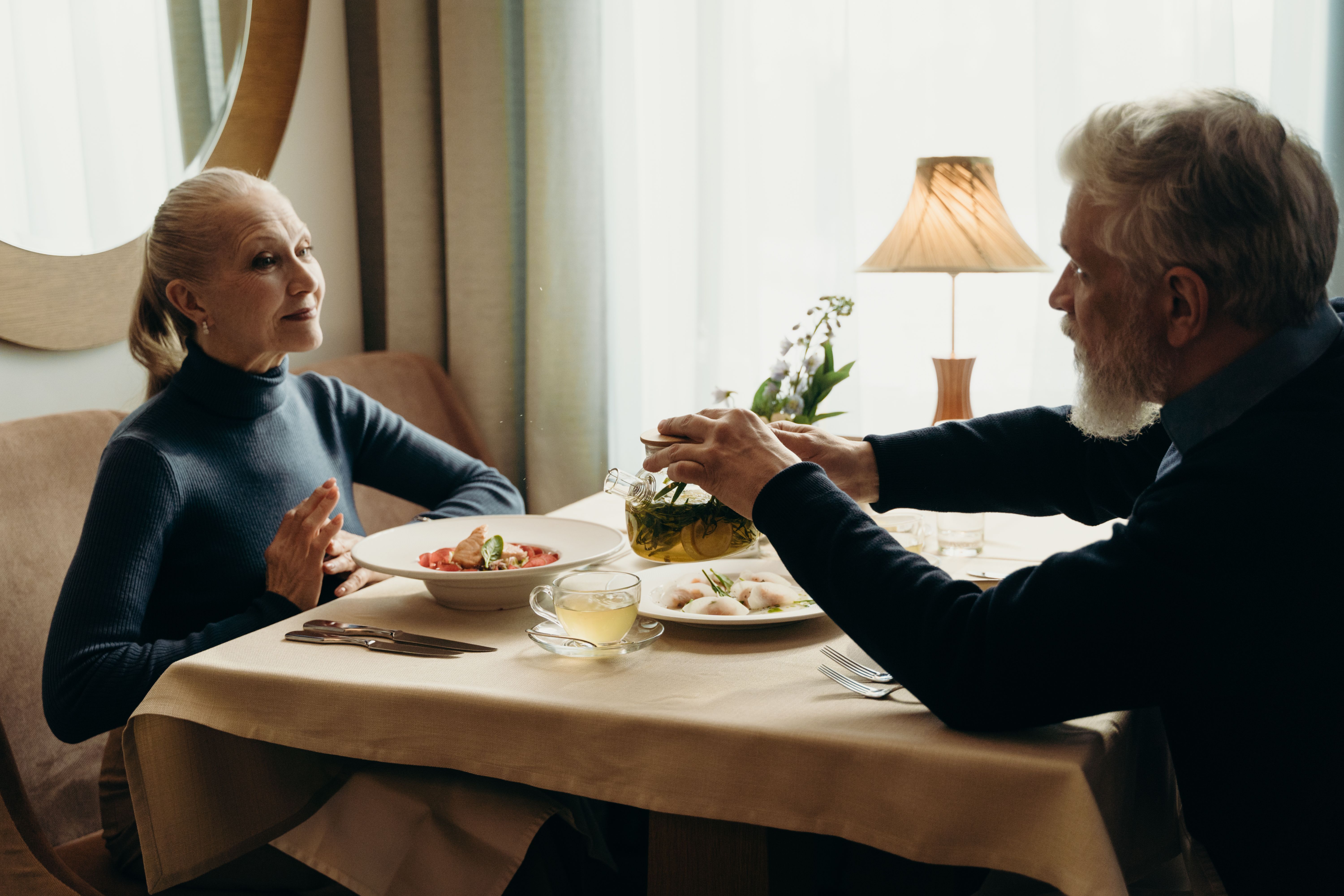
This change is not simply about white tablecloths or fancier menu wording. The strongest programs combine hospitality with clinical nutrition, texture-modified cooking, dementia-friendly service, and data tracking on intake, satisfaction, and waste.
For residents with memory loss, restaurant-style dining can be adapted rather than abandoned. Staff may use simpler menus, visual choices, finger foods, and quieter rooms to reduce confusion while preserving comfort and independence. Good design can support both safety and pleasure.
The broader lesson is clear. Canadian seniors' homes are ditching institutional food because it no longer fits what residents need or what families expect. Better dining improves quality of life, encourages better eating, strengthens a home's reputation, and turns daily care into something that feels recognizably human.




Leave a Reply