
Eating out is still part of Canadian life. The difference now is that more people are approaching restaurants with a stricter budget in mind.
A shift in habits, not a retreat from restaurants
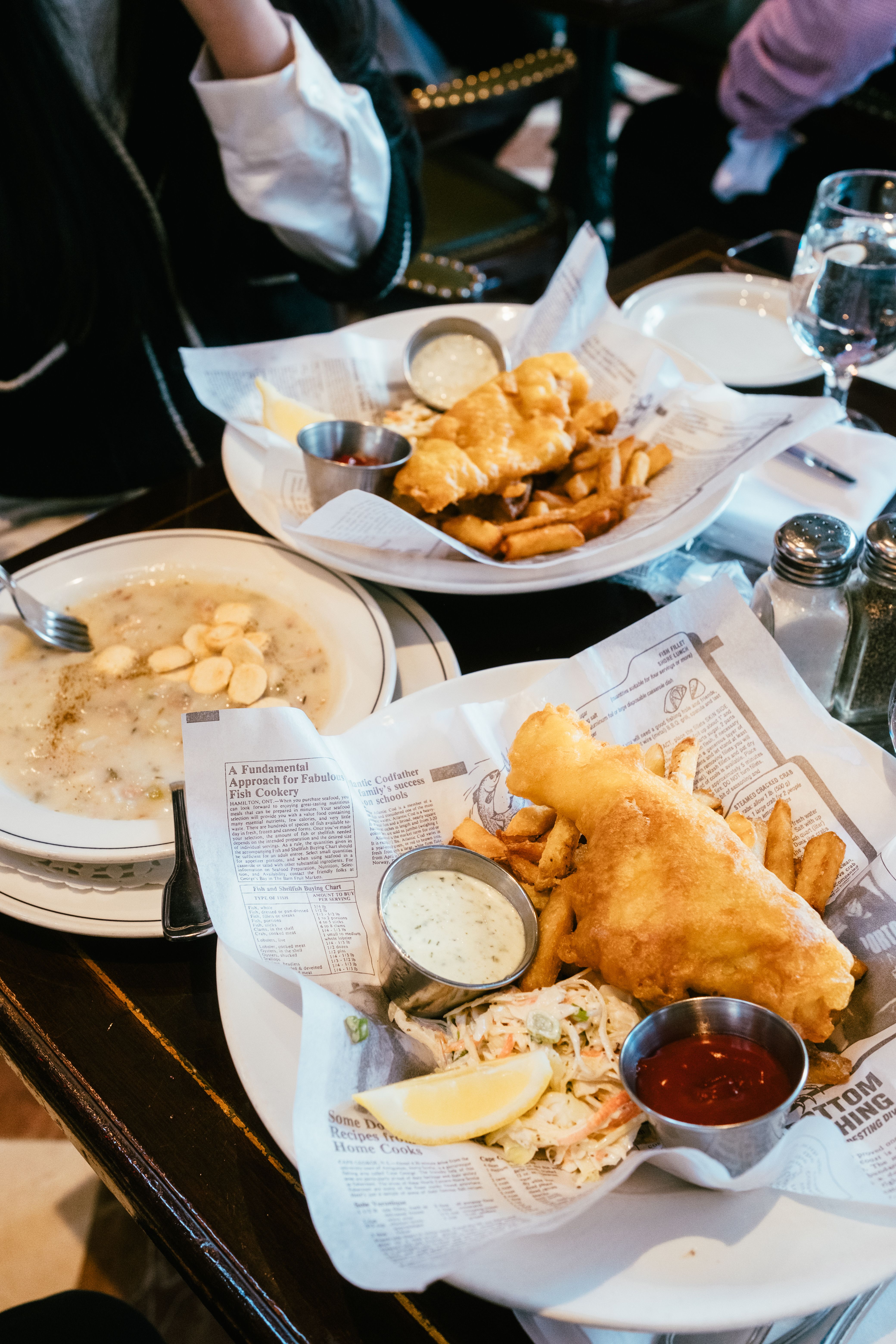
Dining out remains important for convenience, social connection, and routine. What has changed is the amount people are willing to spend once they sit down. Industry surveys and consumer spending data have shown that roughly 1 in 3 Canadians is actively trimming restaurant spending while continuing to visit cafés, fast-casual chains, and full-service restaurants.
This is not the same as abandoning the category. Many households still see restaurant meals as a manageable treat, especially after years in which social routines were disrupted. According to foodservice analysts and national polling trends, consumers are reducing extras rather than eliminating outings altogether.
That means skipping appetizers, sharing desserts, or choosing water instead of cocktails. It also means trading a higher-priced dinner for breakfast, lunch, or takeout. The visit still happens, but the final bill looks very different.
Inflation is changing the psychology of every menu choice
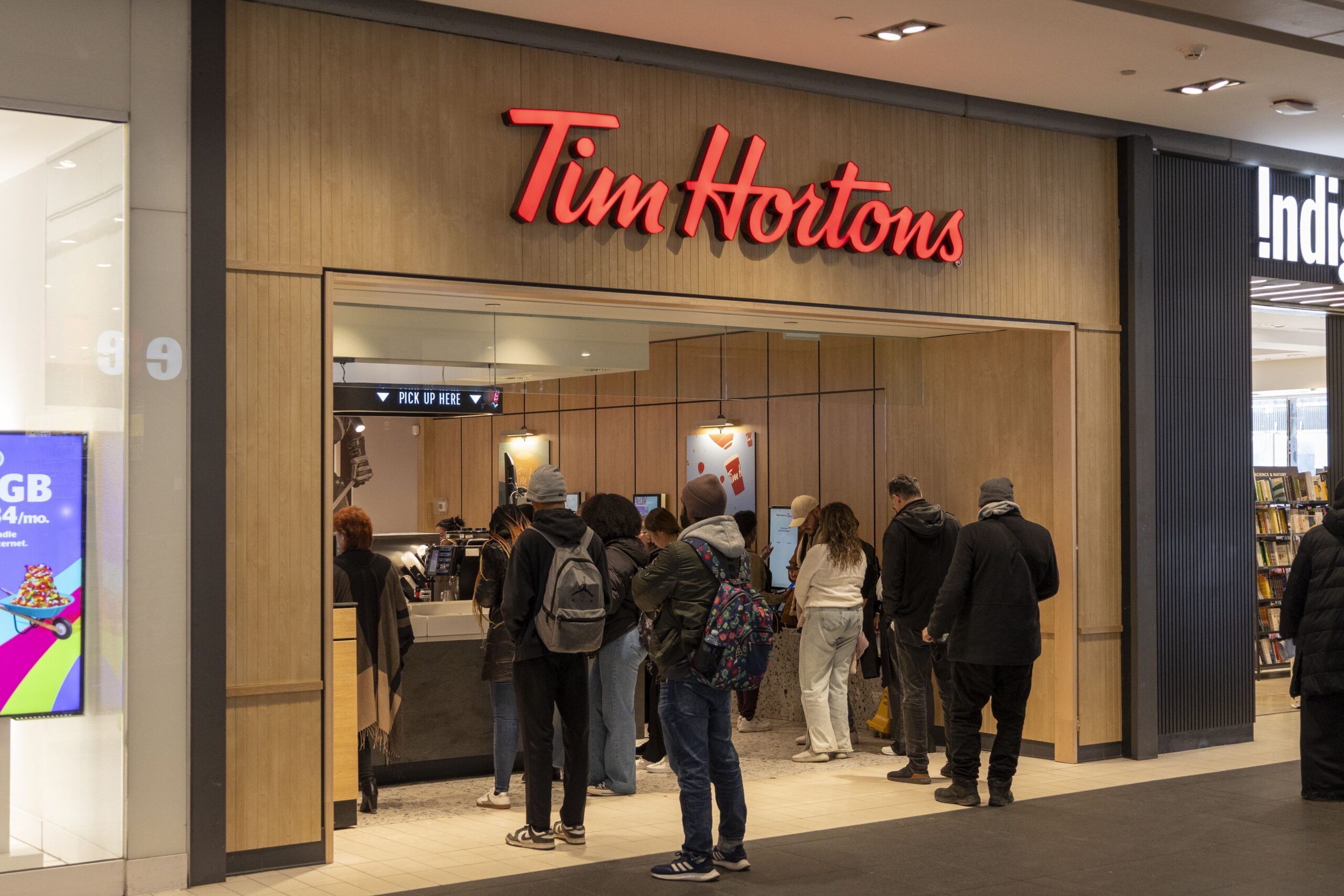
Sticker shock is now part of the dining experience. Restaurant operators across Canada have faced higher costs for ingredients, rent, wages, utilities, and transportation, and those costs have flowed directly onto menus. Even loyal customers who want to support local spots are pausing longer before ordering.
The result is a more strategic guest. Diners are scanning for value, comparing portion sizes, and paying closer attention to specials than they did a few years ago. In many cities, a casual meal that once felt affordable now competes directly with grocery budgets, fuel costs, and housing payments.
This psychological shift matters as much as the actual price increase. When consumers feel financially stretched, they become more selective, even if they still want the experience of dining out. The decision is no longer just about hunger or convenience. It is about whether the meal feels worth it.
Canadians are trimming the bill in practical ways
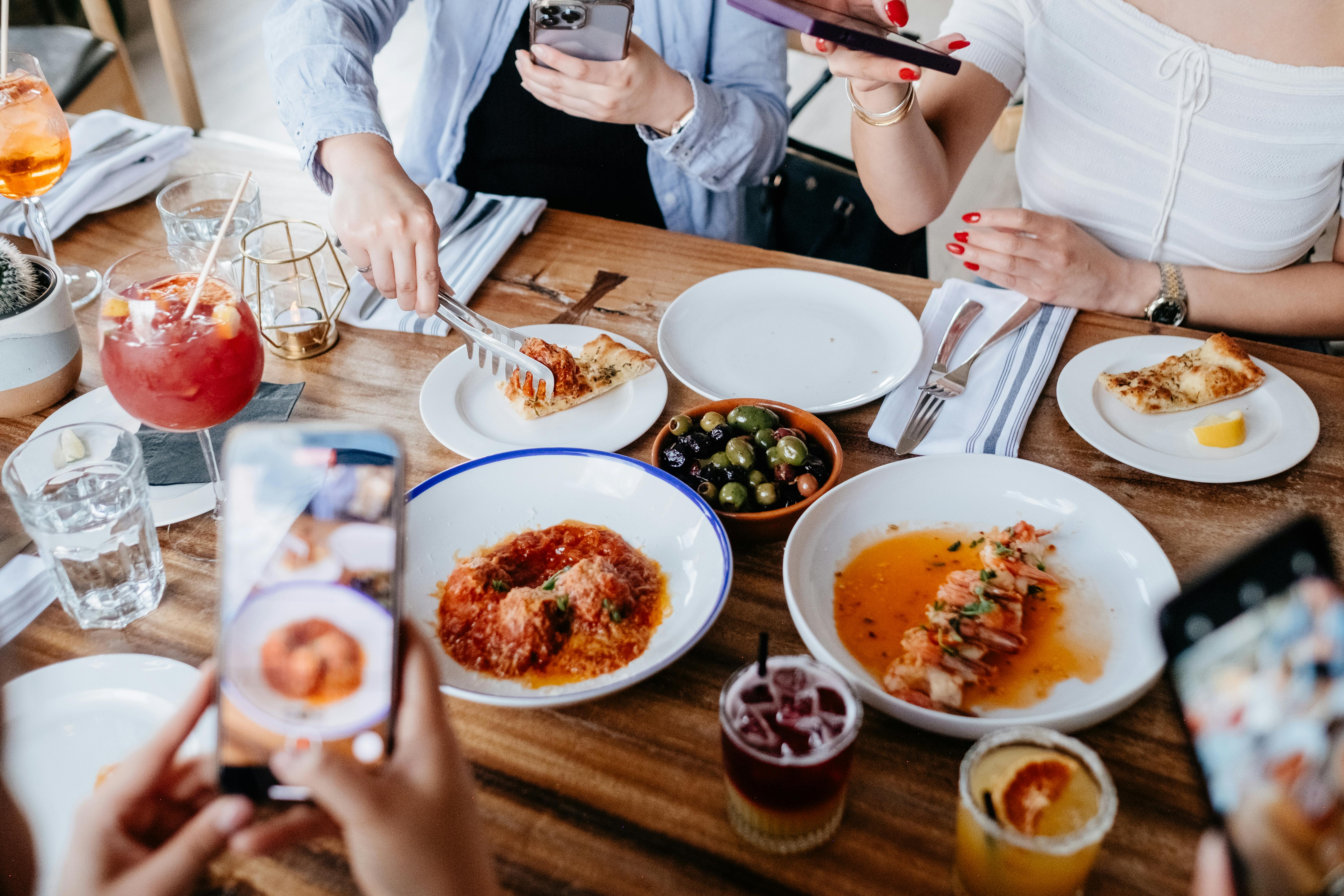
The most visible change is menu trade-down. Instead of ordering a full entrée with drinks and sides, customers are choosing smaller combinations or lower-cost formats. Quick-service and fast-casual restaurants often benefit because they offer predictable pricing and faster service, two things budget-conscious diners value.
Another common strategy is timing. People are choosing happy hour menus, lunch specials, loyalty offers, and weekday promotions to keep outings affordable. Families may still go out, but they are selecting restaurants where kids eat free, where portions can be shared, or where taxes and tips do not push the total too far.
Technology is helping this behavior. Mobile apps, digital coupons, and rewards programs are guiding dining decisions more than brand loyalty alone. A restaurant that can offer even modest savings may win the visit over a competitor that feels just slightly too expensive.
Different groups are responding in different ways
Younger adults are often the most adaptable. Many still prioritize experiences, but they are also highly comfortable splitting bills, hunting for deals, and shifting from dine-in to pickup when it saves money. For them, affordability and flexibility often matter more than traditional restaurant formality.
Families with children face a different equation. Their restaurant bill rises quickly, so even a modest menu increase can change behavior. These households may dine out less often at full-service locations while increasing visits to chains or neighbourhood spots with dependable pricing and family promotions.
Older Canadians, especially those on fixed incomes, are also making careful choices. They may keep cherished dining routines, such as weekly breakfast outings or coffee meetups, but cut frequency or spending per visit. Across age groups, the pattern is clear: people are preserving the habit while modifying the cost.
Restaurants are adapting to a more value-driven customer

Operators are not missing the signal. Across the country, restaurants are redesigning menus, promoting combo offers, and simplifying operations to serve customers who still want to come in but need clearer value. Some are shrinking menu size to control waste, while others are spotlighting affordable signature items to protect traffic.
This response is especially visible in casual dining. Restaurants are creating prix fixe options, limited-time bundles, and smaller plates that let guests feel in control of spending. In urban markets, some independents are also leaning into lunch, brunch, and takeaway as lower-barrier ways to keep regulars engaged.
There is a delicate balance, however. If prices rise too far, customers pull back. If quality drops too much, trust erodes. The strongest operators are the ones that can communicate value without making the experience feel stripped down or purely transactional.
What this means for the future of dining out in Canada
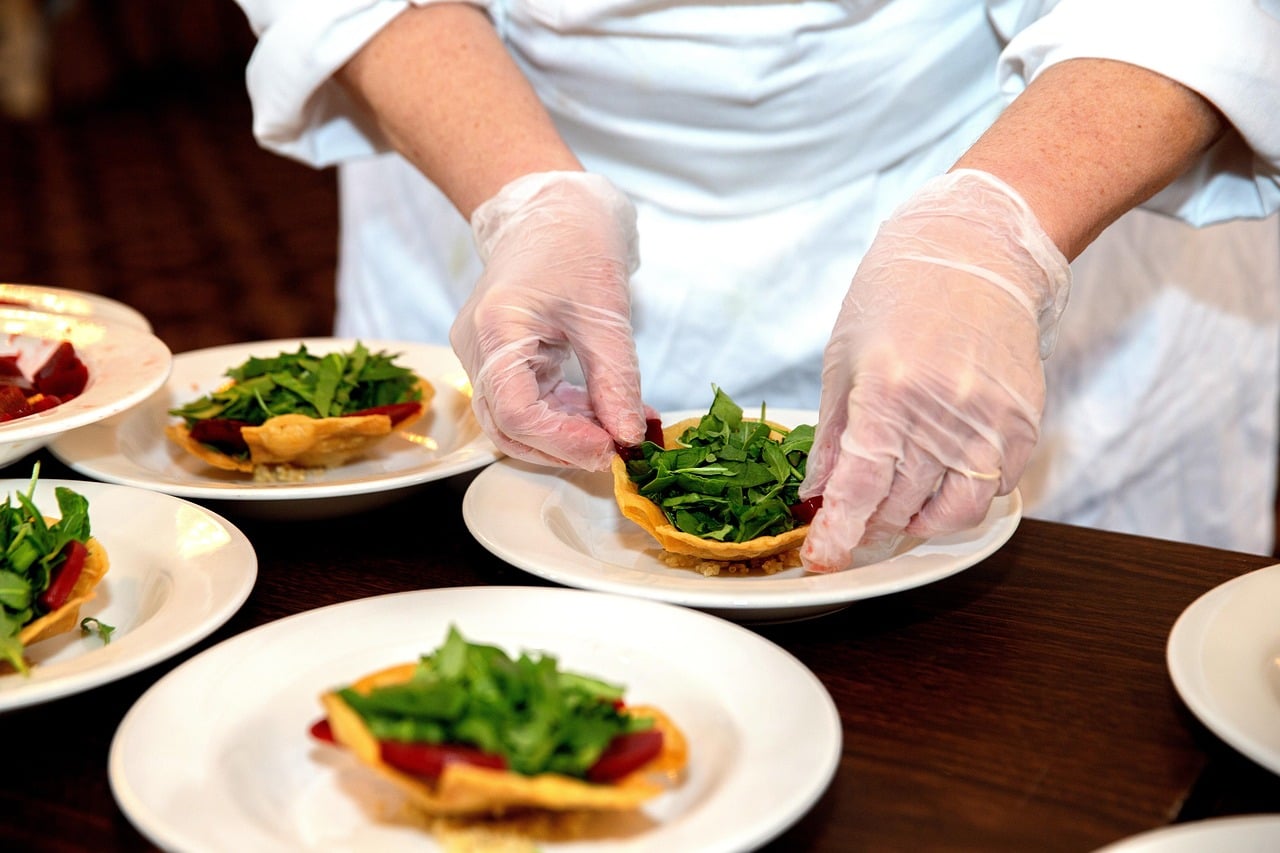
The current pattern suggests resilience, not collapse. Canadians still want restaurants to be part of everyday life, celebrations, and social time. But they are redefining what a restaurant occasion looks like, and that shift is likely to last even if inflation cools.
In practical terms, the sector may see steadier traffic paired with lower average checks. Success will depend less on luxury positioning alone and more on whether restaurants can match consumer expectations around affordability, consistency, and convenience. Value now means more than low prices. It includes portion confidence, service quality, and transparency.
For diners, this is a story of adjustment rather than withdrawal. For restaurants, it is a test of agility. 1 in 3 Canadians may be cutting spending, but the desire to eat out remains firmly on the table.




Leave a Reply