
Canadians feel the issue every week at the checkout. A handful of grocers now shape what millions buy, what farmers sell, and what food costs.
Why three companies matter so much

Concentration sounds abstract until it shows up on a grocery receipt. Loblaw, Sobeys' parent Empire, and Metro together account for roughly 60% of conventional grocery sales in Canada, according to widely cited industry estimates and competition filings. Add Walmart and Costco, and the market becomes even more tightly controlled by a small club of giants.
That scale gives these firms enormous leverage. They negotiate with national brands, set standards for packaging and distribution, and decide which products win prime shelf space. For many suppliers, losing access to one of these chains can mean losing a large share of the Canadian market overnight.
The reach is also geographic. Loblaw banners include Loblaws, No Frills, Real Canadian Superstore, Shoppers Drug Mart, and others. Sobeys operates under Sobeys, Safeway, FreshCo, and IGA, while Metro also controls Food Basics and Super C. Different signs over the door can mask the fact that ownership is concentrated.
How concentration affects prices and choice
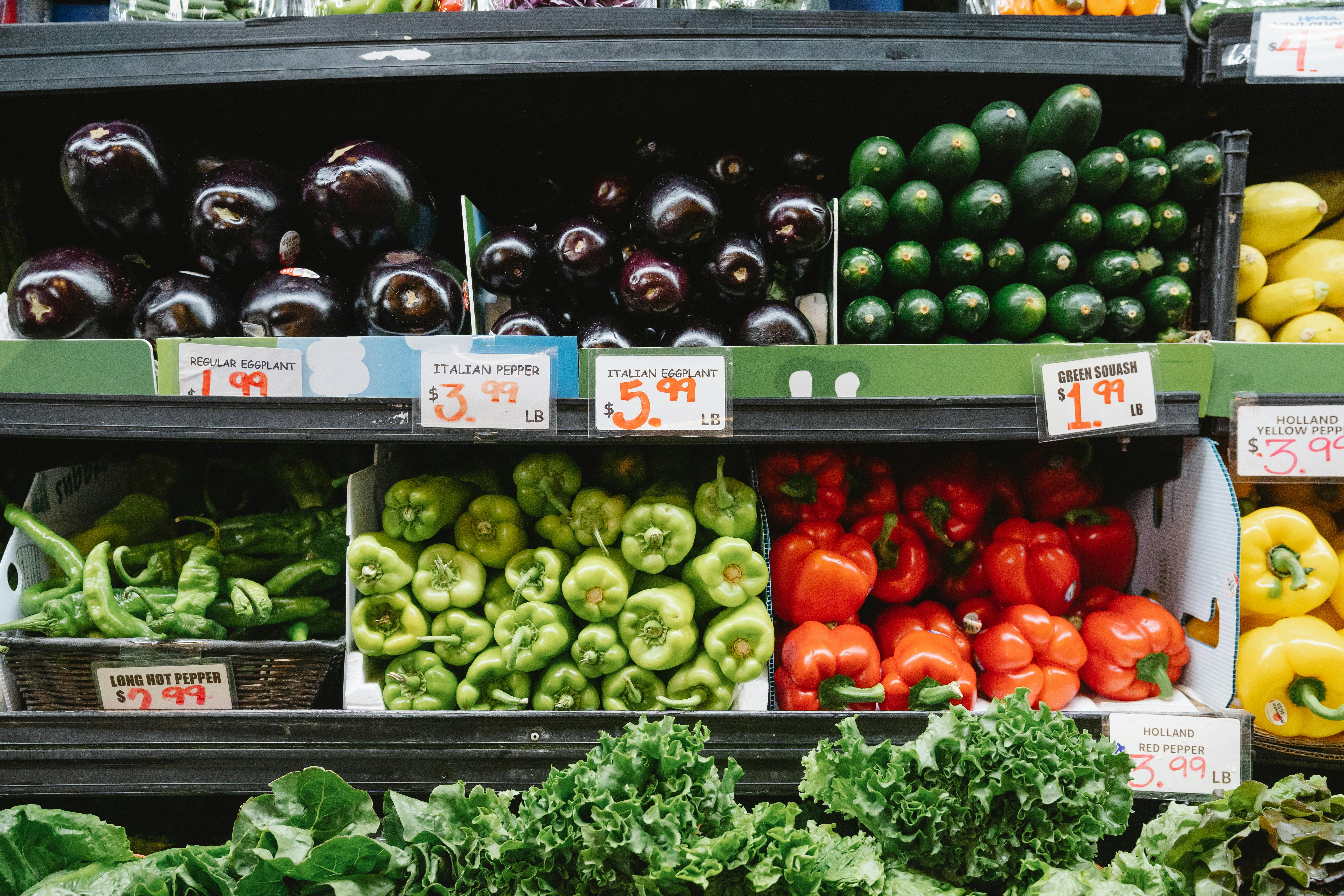
Food inflation is never caused by one factor alone. Weather shocks, transport costs, exchange rates, labour shortages, and global commodity swings all matter. But when a few retailers dominate distribution, they gain more power to protect margins, pass through costs unevenly, and limit how aggressively they compete on price.
This does not mean executives simply decide national food inflation on their own. It does mean fewer major rivals are battling for consumers in many regions, especially outside the biggest cities. In smaller communities, one or two chains may effectively define the local market, giving shoppers limited room to vote with their feet.
Choice can shrink in quieter ways too. A store may carry dozens of cereal boxes, yet many come from the same large manufacturers and are filtered through the retailer's own category strategy. Independent brands often struggle to secure listing fees, promotional support, and warehouse access.
The supplier squeeze behind the shelves
What shoppers see in-store is only part of the story. Upstream, farmers, processors, and smaller food makers often deal with powerful buyers that can demand promotional allowances, strict delivery terms, and costly penalties. Industry groups have long argued that these fees can drain smaller suppliers and reduce innovation.
The recent push for a national grocery code of conduct emerged from exactly this tension. Supporters say clearer rules could reduce disputes over fees and contract changes, making the system fairer and more predictable. Critics worry any code will be weak unless all major chains fully participate and enforcement has teeth.
When supplier pressure rises, costs do not just disappear. Smaller firms may raise prices, cut staff, delay expansion, or abandon certain products entirely. Over time, that can leave Canadians with fewer regional foods, less competition on shelves, and a supply chain that is more fragile than it looks.
Why big chains are not automatically the villain
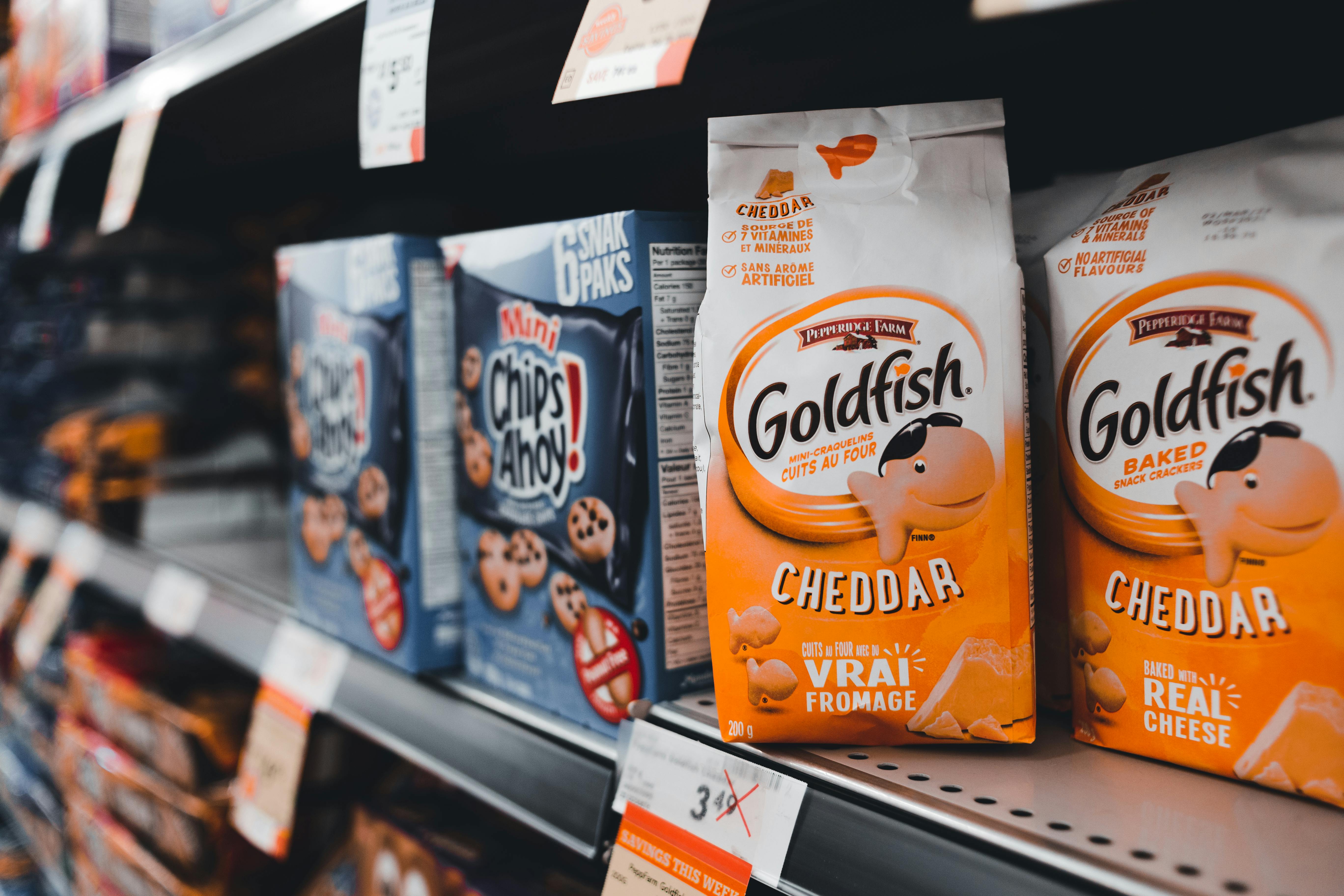
Size can produce real benefits. Large grocers run sophisticated logistics networks, private-label programs, and national procurement systems that can lower per-unit costs. In a vast country like Canada, with long transport routes and harsh weather, scale can help keep shelves stocked more reliably than a fragmented system might.
Discount banners are part of that argument. No Frills, FreshCo, Food Basics, and Super C have given many households lower-price options, especially during inflationary periods. Private-label products such as President's Choice or Compliments can also increase competition against major branded goods and offer consumers workable substitutes.
The problem is not bigness alone. The real concern is whether scale is being disciplined by enough meaningful competition, transparent pricing, and fair dealing. If market power delivers efficiency while still allowing entry and consumer choice, it can help. If it blocks rivals and weakens accountability, it becomes harmful.
What regulators and politicians can actually do

Public anger has already pushed grocery competition higher on the policy agenda. The Competition Bureau has called for stronger merger review, fewer barriers to entry, and reforms that make it easier for independent grocers and foreign players to expand. Those recommendations matter because concentration is often easier to prevent than to unwind later.
Governments can also tackle the structure around groceries, not just the stores themselves. Zoning rules, restrictive commercial leases, and property controls can make it hard for new entrants to open locations. In some cases, dominant chains have been accused of using exclusivity clauses that keep rivals out of nearby retail spaces.
Transparency matters too. Better data on margins, wholesale costs, and pricing practices would not magically lower food bills, but it would sharpen oversight. A stronger grocery code, tougher antitrust scrutiny, and support for co-ops and independents would at least widen the field in a market now dominated by a few giants.
So, is this a problem for Canadians?
Yes, but not in the simplistic way the debate is sometimes framed. Loblaw, Sobeys, and Metro are not solely responsible for high grocery bills, yet their dominance gives them unusual influence over prices, product availability, and supplier relationships. In essential markets, that level of power should always invite scrutiny.
Food is not just another consumer category. It is a daily necessity tied to health, household stability, and national resilience. When a few corporations mediate so much of that system, any weakness in competition becomes a public issue, not merely a private business matter.
The strongest conclusion is practical, not ideological. Canada needs big retailers, but it also needs tougher competition rules, fairer supplier terms, and more room for independents to survive. If three companies control too much of what the country eats, the answer is not panic. It is better market design.



Leave a Reply