
Canadians are paying closer attention to food prices than ever. Yet some of the biggest grocery overspending happens on items people buy automatically, without questioning the markup.
Bagged Salad Mixes

Convenience has a price, and bagged salad is one of the clearest examples in the produce aisle. A head of romaine or iceberg often costs far less per 100 grams than a pre-washed blend, even before promotions are factored in. You are paying for trimming, washing, packaging, and shorter shelf life.
That shorter shelf life matters more than most shoppers realize. Salad mixes tend to wilt quickly, and once moisture builds inside the bag, spoilage accelerates. If even ⅓ of the bag gets tossed, the real cost per serving climbs sharply.
Canadian grocers also price salad kits at a premium because they combine vegetables, toppings, and dressing in one package. The issue is that these kits often cost as much as, or more than, buying the same ingredients separately in larger amounts. For households making salads more than once a week, that difference adds up.
A more economical approach is to buy whole lettuce, cabbage, or spinach and prep them at home. Cabbage in particular stays fresh much longer and delivers a much lower cost per meal. For shoppers focused on both value and less food waste, whole produce usually wins.
Pre-Cut Fruit and Vegetables
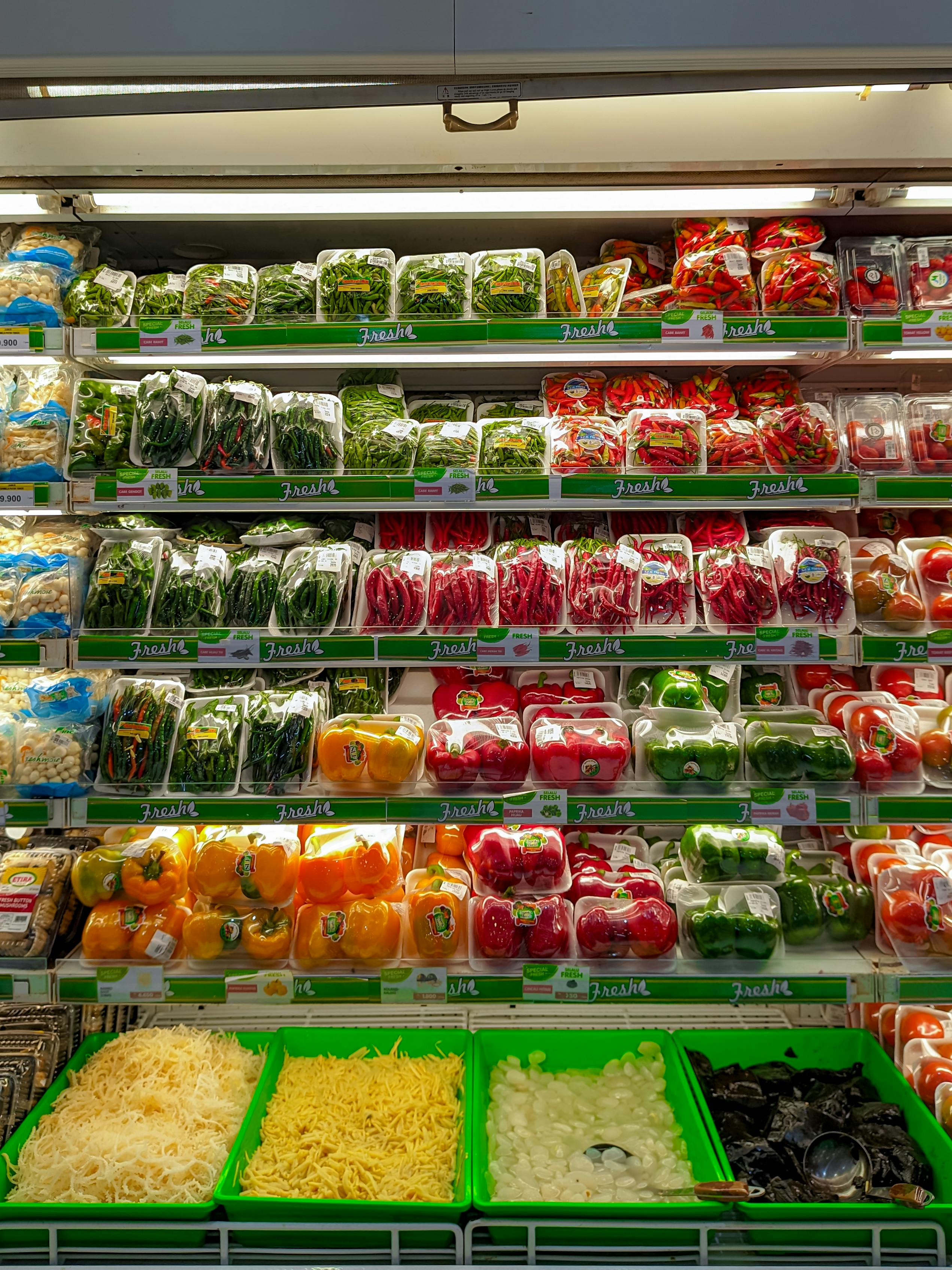
Nothing looks more efficient than chopped melon, sliced peppers, or trimmed broccoli ready to cook. But that convenience can carry one of the steepest markups in the store, especially in Canadian urban supermarkets where labor and packaging costs are already high.
A container of cut pineapple or watermelon can cost 2 to 4 times more per kilogram than buying the fruit whole. The same pattern shows up with baby carrots, sliced mushrooms, stir-fry kits, and chopped onions. You are not paying for better quality. You are paying for someone else to do a few minutes of knife work.
There is also a freshness tradeoff. Once produce is cut, exposed surfaces lose moisture and nutrients faster, and spoilage begins sooner. That means shoppers often pay more for an item that has less usable life at home.
For families, batch prep is usually the cheaper answer. Washing and chopping vegetables once or twice a week can create the same convenience without the recurring premium. Unless mobility, time pressure, or accessibility makes pre-cut produce necessary, whole produce remains the stronger value.
Name-Brand Pantry Staples

Brand loyalty is expensive in the dry goods aisle. Pasta, rice, canned tomatoes, flour, sugar, oats, and beans are often priced significantly higher when sold under major national labels, even when the ingredient list is nearly identical to the store brand version.
Private-label products from major Canadian chains have improved dramatically in consistency and quality over the past decade. In blind taste tests reported regularly by consumer publications, shoppers often struggle to tell the difference between branded and store-brand basics in cooked dishes. For tomato sauce, chili, soup, or baking, packaging matters far less than the final result.
The markup on familiar labels is driven by marketing, shelf placement, and perceived trust. Companies spend heavily to stay top of mind, and those costs are built into the retail price. The product inside is not always meaningfully better.
This does not mean every generic item is superior. It means pantry staples are the easiest category in which to compare unit pricing and switch without sacrifice. Even a savings of 50 cents to $1.50 per item becomes meaningful across a month of routine grocery trips.
Single-Serve Yogurts

Small yogurt cups feel affordable because the shelf price looks low. But measured by grams, they are often much more expensive than larger tubs of the same product, and the cost premium grows even more when the cups include fruit layers, dessert flavors, or high-protein branding.
Packaging is a major reason. Multiple cups require more plastic, more labeling, more sealing, and more transport space per portion than one larger container. Consumers pay for that convenience every time they reach for a multipack.
There is also a marketing effect at work. Single-serve yogurts are often positioned as healthy snacks or lunchbox essentials, which allows brands to command a stronger margin. A family buying individual portions every week can end up spending far more than one buying a plain tub and portioning it at home.
The most economical option is usually a larger tub of plain or vanilla yogurt paired with frozen berries, granola, or honey. It offers more flexibility and less packaging waste. For budget-conscious households, the price difference is hard to ignore.
Bottled Water
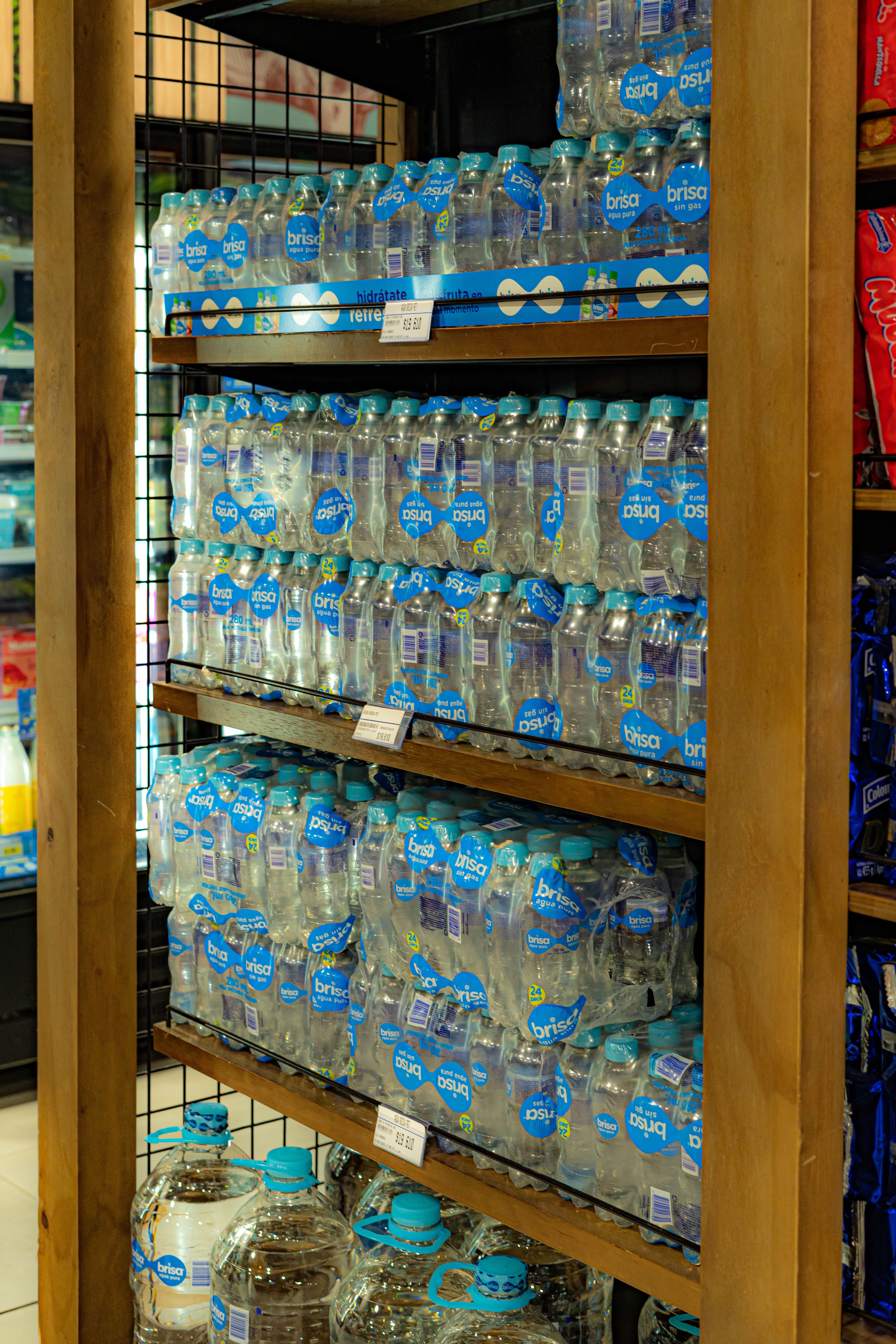
Few grocery items illustrate hidden overspending better than bottled water. In most Canadian cities, municipal tap water is tightly regulated and costs only a tiny fraction of the bottled alternative. Yet many shoppers still add cases of water to routine grocery trips without calculating the premium.
The markup comes from packaging, transport, storage, and branding rather than the water itself. Some bottled products are sourced from municipal systems and then filtered or mineral-adjusted, which means consumers may be paying heavily for something not fundamentally different from what comes out of the tap.
There are exceptions, including areas with boil-water advisories or concerns about taste in older buildings. But for most households, a water filter pitcher or faucet filter delivers a much lower long-term cost per litre. Refillable bottles add another layer of savings.
Because bottled water is bulky, it also drives impulse spending in convenience settings and warehouse multipacks. What looks like a practical bulk purchase is often an avoidable recurring expense. Over a year, the total can be surprisingly high for such a basic necessity.
Brand-Name Spices and Seasoning Blends
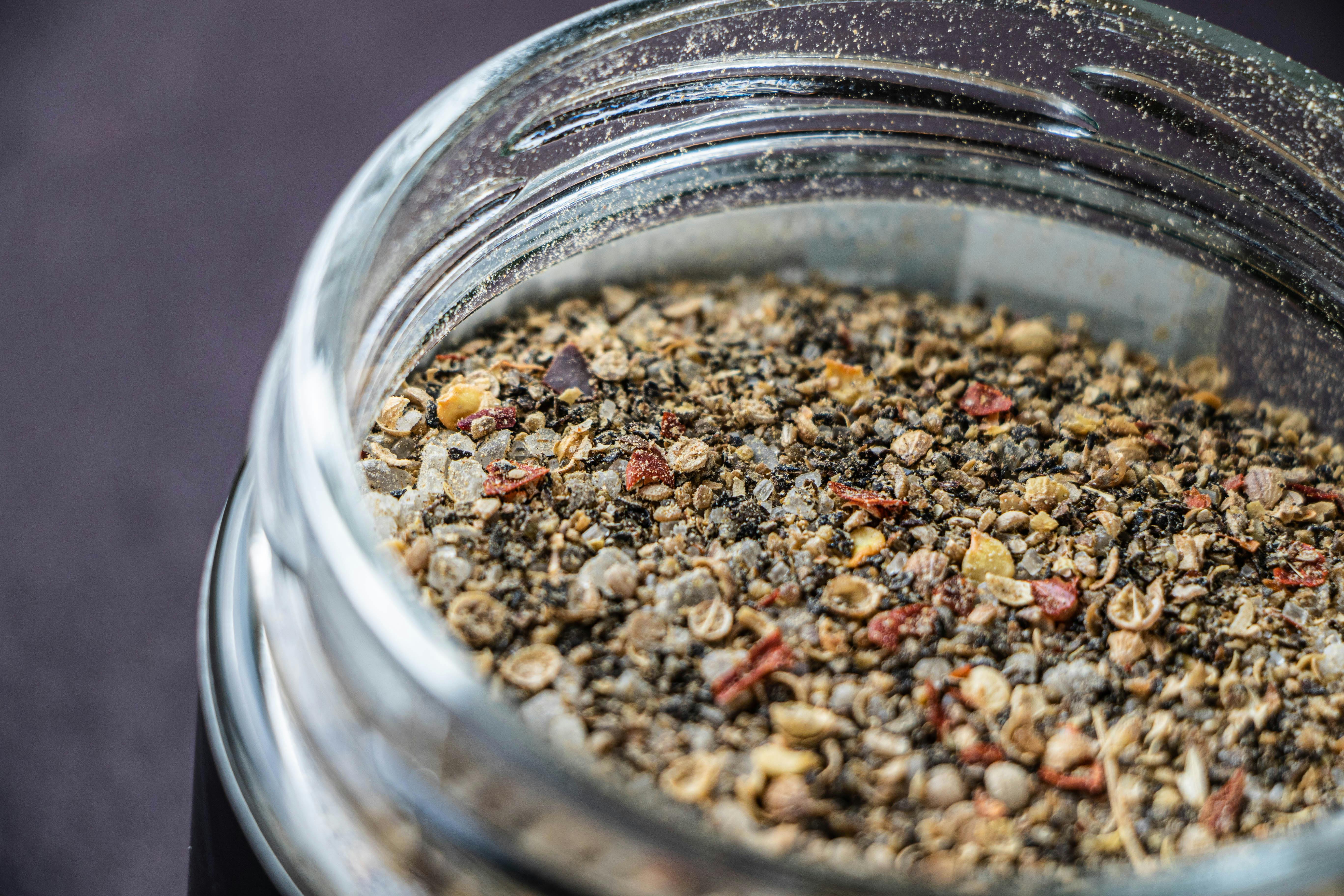
Tiny jars can hide huge markups. Spices are sold in small quantities, so many shoppers focus on the shelf price rather than the cost per gram, and that is where branded spice companies often become one of the most expensive buys in the store.
The difference is especially striking with basics like garlic powder, paprika, cinnamon, oregano, and chili flakes. Ethnic grocers, bulk stores, and even some discount chains frequently sell the same spices in bags or larger containers for much less. The flavor gap is often negligible, particularly for everyday cooking.
Seasoning blends add another cost layer because they usually contain cheap fillers like salt, sugar, or anti-caking agents mixed with a smaller amount of actual spices. Shoppers end up paying premium prices for ingredients they likely already have in the pantry.
A practical strategy is to buy core spices in bulk amounts you will actually use and mix your own taco, Italian, barbecue, or poultry seasoning at home. This reduces cost and gives better control over sodium and flavor. In many kitchens, it is an easy financial upgrade.
Prepared Deli Meats

Deli meat is convenient, but it can be one of the costliest ways to buy protein. Sliced turkey, ham, roast beef, and chicken breast often carry a high per-kilogram price compared with whole roasts, rotisserie chicken, or even packaged frozen proteins.
Part of the premium comes from labor at the deli counter or factory slicing and packaging in sealed trays. Another part comes from water, sodium, preservatives, and processing, which can make the product seem more substantial while not always delivering better value nutritionally.
The hidden issue is portion perception. Thin slices disappear quickly in sandwiches and lunches, so households often buy deli meat more frequently than expected. The package feels modest, but the cost per meal is not.
A more cost-effective option is roasting or poaching meat at home and slicing it yourself. Rotisserie chicken can also stretch across sandwiches, wraps, soups, and salads for several meals. For shoppers trying to lower both spending and processed food intake, deli meat is worth rethinking.
Frozen Single-Serve Meals
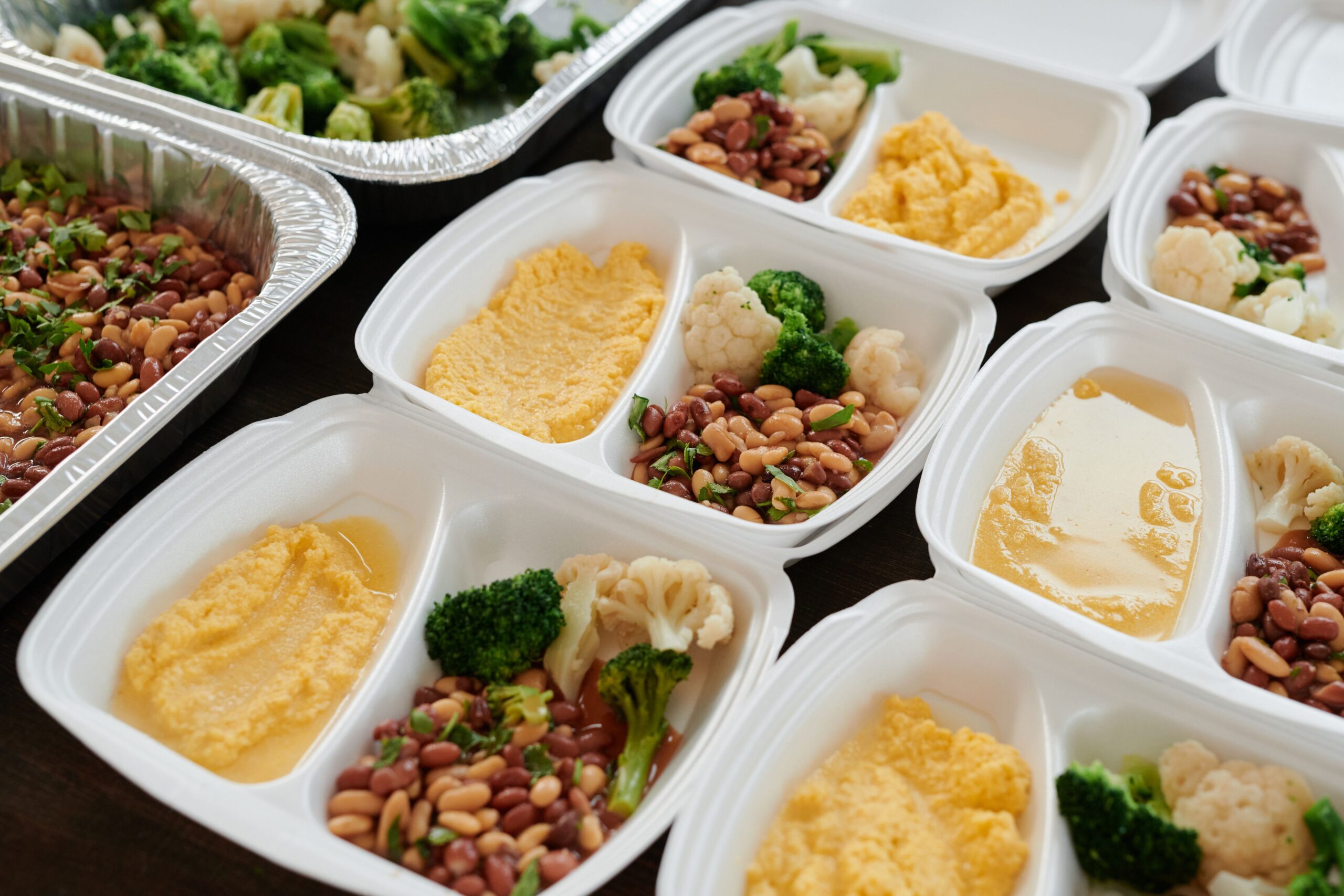
The freezer aisle sells speed, not savings. Single-serve pasta bowls, rice dishes, pizzas, and entrees often seem budget-friendly because each item is priced as a small standalone meal, but the cost per kilogram is usually much higher than making a comparable version at home.
These meals also rely heavily on packaging, branding, and promotional design. Products marketed as high-protein, plant-based, gluten-free, or restaurant-inspired often command an even steeper premium. Consumers are buying convenience and controlled portions more than ingredient value.
There is another catch. Many frozen meals are not especially filling, which leads people to add snacks, extra sides, or dessert afterward. That pushes the real meal cost beyond the sticker price.
Batch cooking works better financially. Soups, chili, curry, pasta bakes, and rice bowls freeze well and can be portioned into grab-and-go meals at a lower cost per serving. For busy Canadians, homemade freezer meals usually offer the best balance of convenience and value.
Bakery Buns, Rolls, and In-Store Treats
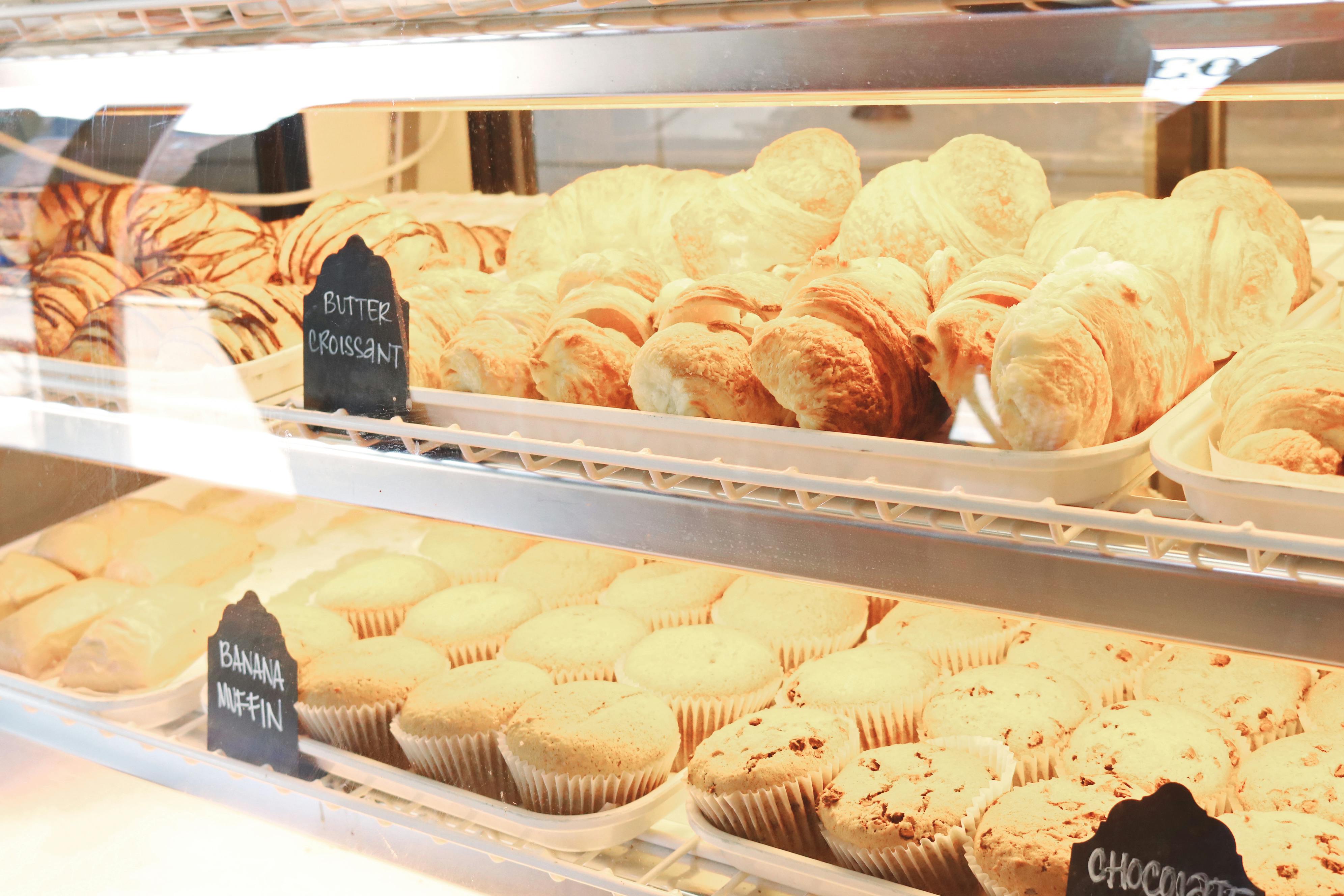
The bakery section is designed to trigger appetite-driven spending. Fresh buns, croissants, muffins, cookies, and specialty rolls smell appealing and feel inexpensive individually, but they often cost far more than standard bread products or home-baked alternatives.
Shoppers also tend to overbuy here because bakery items feel temporary and special. A pack of six gourmet buns or a tray of large muffins can seem like a small indulgence, yet the per-item cost may rival café pricing. Since these products stale quickly, waste can follow.
In-store bakeries also benefit from looser comparison habits. People who would carefully compare cereal prices may not check unit pricing on dinner rolls or cookies with the same discipline. Retailers understand that emotional buying reduces price resistance.
For better value, compare weight and unit price against standard loaves, tortillas, or bagels, and freeze extras immediately if you buy them. Baking basics like muffins or biscuits at home can also cut costs substantially. The savings are larger than most shoppers expect.
Pre-Marinated Meats and Skewers
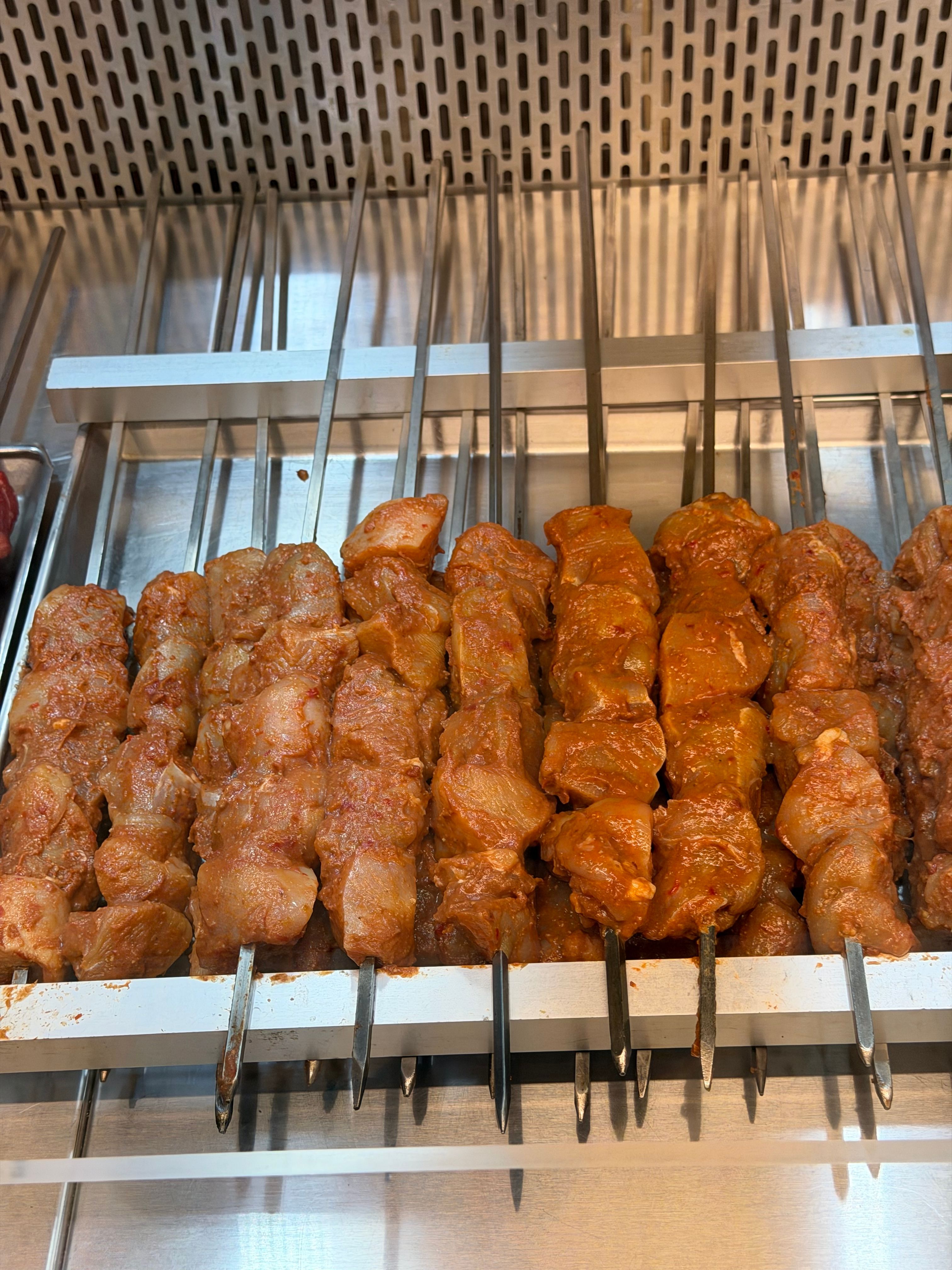
Seasoned meats look like a smart shortcut, especially after work. But pre-marinated chicken, pork, beef strips, and kebabs often come with a notable premium that reflects convenience, packaging, and value-added positioning rather than a better cut of meat.
The marinade itself can distort value. Shoppers are paying meat prices for added liquid, salt, sugar, and seasoning, which increase weight without improving true protein yield. In some cases, heavily sauced products also make it harder to judge freshness and meat quality.
Skewers are another common trap. Wooden sticks, chopped vegetables, and decorative presentation raise the retail price even though they do little to improve the underlying value. What looks premium on the tray is often an expensive way to buy ordinary ingredients.
Buying plain meat on sale and marinating it at home is usually far cheaper, and most marinades take only a few minutes to prepare. Even a simple mix of oil, garlic, yogurt, lemon, or soy sauce can outperform many store versions. That is one of the easiest grocery markups to avoid.


Leave a Reply