
Canada's restaurant scene feels broad and competitive at first glance. Look closer, and you'll find a surprising amount of consolidation behind many familiar signs.
Tim Hortons and Burger King belong to Restaurant Brands International
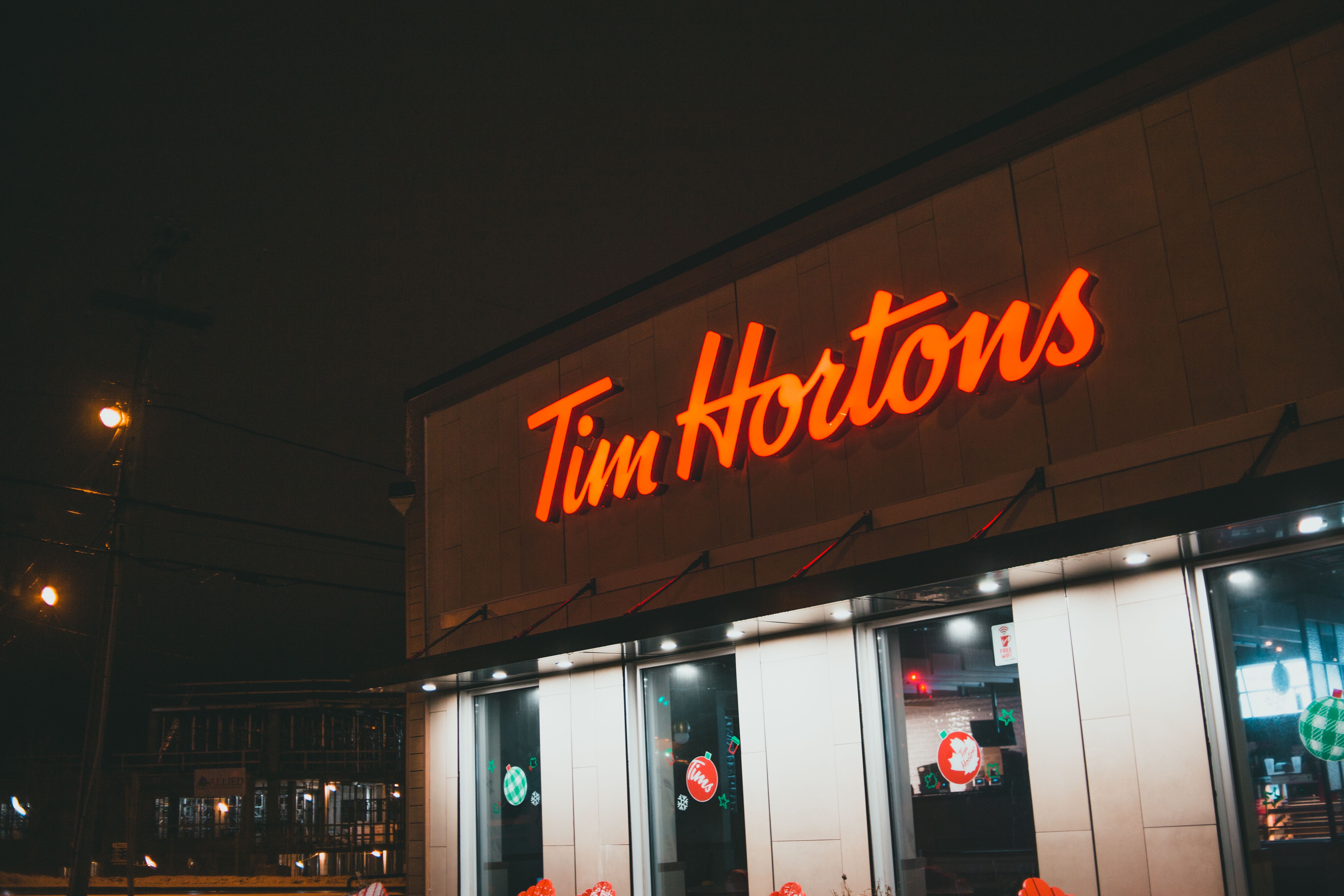
Most Canadians think of Tim Hortons as a homegrown icon and Burger King as a classic American fast-food giant. What many do not realize is that both are controlled by Restaurant Brands International, the Toronto-based parent company created after the 2014 merger between Burger King and Tim Hortons. That deal was one of the biggest shifts in North American quick service dining.
The logic behind the merger was scale. RBI could centralize purchasing, international expansion, technology spending, and franchise support while keeping each brand's menu and image distinct. Tim Hortons stayed focused on coffee, breakfast, and baked goods, while Burger King continued to compete in burgers and value meals. To customers, they still feel separate.
In practice, shared ownership matters because it can shape everything from loyalty programs to real estate strategy. According to company filings and earnings commentary over the years, large parent groups often negotiate better supply terms and invest more aggressively in digital ordering. That gives both brands a financial backbone smaller rivals may struggle to match.
Popeyes and Firehouse Subs are also part of the RBI portfolio

Restaurant Brands International did not stop at Tim Hortons and Burger King. It expanded further by adding Popeyes, famous for its Louisiana-style fried chicken, and later Firehouse Subs, a sandwich chain with a much smaller Canadian footprint but a growing global presence. These additions turned RBI into a broader quick service empire.
Popeyes has become especially important in Canada's increasingly crowded chicken wars. It competes with KFC, Mary Brown's, and local independents, yet it benefits from the same parent-company resources that support Tim Hortons and Burger King. Shared expertise in franchising and market entry can speed up store growth and sharpen operations.
Firehouse Subs shows the other side of the strategy. Not every acquisition is about dominating current sales overnight. Sometimes a parent company buys a brand because it sees long-term expansion potential, menu diversity, and a chance to fill gaps in its portfolio. For consumers, that can mean seeing lesser-known chains spread faster than expected.
Swiss Chalet and Harvey's are stablemates under Recipe Unlimited

Swiss Chalet and Harvey's feel very different. One is associated with rotisserie chicken dinners and family takeout, while the other is known for flame-grilled burgers and customizable toppings. Yet both belong to Recipe Unlimited, one of Canada's largest full-service and quick-service restaurant companies, formerly known as Cara Operations.
Recipe's portfolio strategy has long relied on covering many dining occasions. Swiss Chalet targets comfort food, family bundles, and established suburban loyalty. Harvey's leans into burger competition with a made-your-way pitch that has helped it hold a distinct place against American burger chains entering Canada.
Shared ownership gives Recipe leverage in distribution, franchising systems, site selection, and back-office functions. It also helps the parent company weather category shifts. If burger traffic softens but family meal occasions remain strong, the broader portfolio can absorb the shock better than a single-brand operator could. That is one reason large restaurant groups keep building multi-brand stables.
The Keg and St-Hubert also sit inside the Recipe Unlimited network
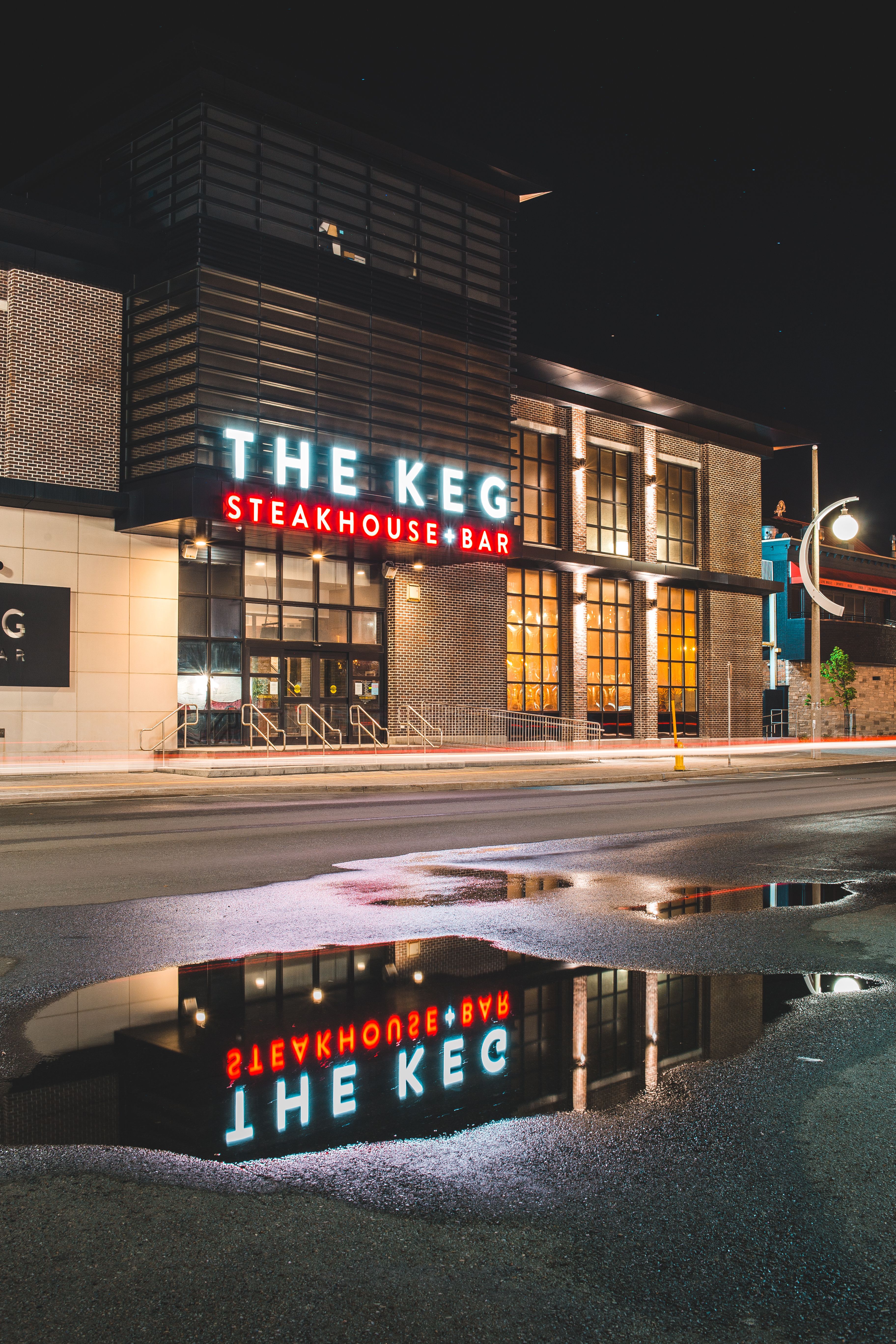
Recipe Unlimited's reach extends well beyond quick service. It also owns The Keg, one of Canada's most recognized steakhouse brands, and St-Hubert, the Quebec-rooted chicken chain with deep cultural recognition in its home market. On the surface, these brands serve different regions, spending levels, and dining moods, but the parent company benefits from both.
The Keg gives Recipe exposure to higher-ticket casual dining and special-occasion spending. Its appeal is built on consistency, polished service, and a menu that has remained dependable even as many mid-market sit-down chains have struggled. That kind of brand resilience is valuable in a portfolio that spans both premium and everyday dining.
St-Hubert brings something equally important: strong regional identity. In Quebec, it is more than a chicken restaurant. It is a heritage brand with takeout, dine-in, and retail product recognition. For a parent company, owning brands with loyal regional followings can be just as strategic as owning national names, because those customers often stick around through shifting food trends.
Montana's and Kelseys are another same-owner pairing many diners miss

Montana's BBQ & Bar and Kelseys Original Roadhouse often appear in similar suburban restaurant clusters, but diners may not connect them at the corporate level. Both are part of Recipe Unlimited. Each was designed to capture casual dining customers who want a more relaxed, social experience than fast food can offer.
Montana's leans heavily into barbecue, ribs, and game-day energy. Kelseys has long positioned itself as a broad roadhouse-style bar-and-grill with burgers, wings, and crowd-pleasing mains. The overlap is real, but so is the segmentation. One brand can target families and sports fans, while the other can push a more generalized casual outing.
For Recipe, this kind of overlap is not necessarily wasteful. Restaurant groups often keep multiple brands in adjacent categories because small differences in atmosphere, menu design, and demographic appeal can still produce distinct customer behavior. If managed carefully, those brands complement one another rather than simply cannibalizing sales.
East Side Mario's and Original Joe's round out Recipe's broad casual lineup

East Side Mario's and Original Joe's are another pair under the Recipe Unlimited umbrella, though they serve notably different audiences. East Side Mario's trades on familiar Italian North American comfort food, large portions, and family-oriented value. Original Joe's, stronger in Western Canada, is more contemporary and tavern-like in tone.
This pairing shows how parent companies use acquisition and brand retention to deepen regional and demographic coverage. Rather than force every chain into a single national identity, Recipe has generally allowed its brands to keep their own personality. That matters in a country where dining habits differ significantly between major cities, suburbs, and provinces.
The broader lesson is that restaurant ownership can be much more layered than storefront branding suggests. A parent company may own family dining, sports bar, burger, chicken, and premium steak concepts all at once. Consumers see many choices, and those choices are real, but the strategic decisions behind them may originate from just a few corporate headquarters.
Boston Pizza and JOEY are independent of each other, unlike many assume

Not every pair of familiar Canadian chains shares an owner, and that confusion says a lot about how branding works. Boston Pizza is a major public company in Canada with its own franchise and royalty structure, while JOEY operates through a separate corporate family tied to the Fuller restaurant group. People often assume they are linked simply because both are prominent.
Boston Pizza has built its reputation on broad menu variety, sports viewing, and dependable casual dining across the country. JOEY, by contrast, aims for a more upscale casual feel with a stronger emphasis on atmosphere, plated presentation, and urban or premium suburban positioning. Their target occasions overlap only partly.
This distinction matters because corporate ownership influences menu development, growth pace, and capital allocation. A chain with its own standalone governance may make different expansion choices than one folded into a large portfolio. For readers tracking Canadian restaurant power structures, it is useful to know not only who shares a parent, but also who clearly does not.
Milestones and Moxies feel comparable, but they are not under one roof

Milestones and Moxies are another commonly confused pair. They both occupy the polished casual dining space and appeal to customers looking for cocktails, date-night energy, and a step up from family chains. Yet they are not owned by the same company. Milestones is part of Foodtastic's growing portfolio, while Moxies operates separately.
Milestones spent years under the Recipe banner before being sold, a reminder that ownership in Canadian dining is not fixed forever. Large groups buy, sell, and reposition brands based on performance, debt, growth goals, and geographic priorities. What was true five years ago may no longer be accurate today.
That fluidity is one reason consumers are often surprised by restaurant parentage. The storefront does not change much, but the corporate strategy behind it can shift dramatically. In practical terms, new ownership can affect remodeling budgets, menu innovation, loyalty tools, and expansion plans even when the guest experience initially looks familiar.
Cactus Club Cafe and Earls share roots, but not current ownership

Cactus Club Cafe and Earls are closely linked in the public imagination for good reason. Both emerged from Western Canadian casual dining culture and helped define the upscale casual restaurant model in Canada. They also share family business roots connected to the Fuller family, which is why many diners assume they are still the same company.
Today, however, they operate as separate businesses. Earls remains under the Earls Kitchen + Bar organization, while Cactus Club has had its own ownership path, including private equity involvement and leadership transitions. The confusion persists because the brands still compete in similar markets with similarly polished interiors and broad lifestyle appeal.
This is a useful reminder that shared history is not the same as shared parent company. In the restaurant industry, founders branch off, investors enter, and ownership structures evolve over time. A brand's origin story can remain intertwined with another chain even after the legal and financial connection has changed substantially.
Freshii and Pita Pit Canada show how franchising clouds ownership assumptions

Health-focused fast casual chains create their own ownership confusion. Freshii became one of Canada's most visible modern wellness brands through bowls, wraps, smoothies, and aggressive franchising. Pita Pit Canada has also built a strong presence around customizable, lighter-feeling meals. Because both rely on franchise growth and similar urban trade areas, some diners assume a larger shared owner.
In fact, these brands have followed separate corporate paths. Freshii has undergone major strategic change in recent years, including acquisition activity involving international foodservice players, while Pita Pit's ownership has evolved through its own structures and regional master franchise arrangements. Similar format does not automatically mean common control.
For consumers, franchising can blur the picture because local operators put a human face on brands that may be backed by distant investors, holding companies, or licensing groups. The sign on the door suggests one business. Behind it may sit a layered structure involving parent companies, franchisees, and brand-management agreements.
Mary Brown's and KFC compete directly, but they do not report to one parent

Chicken is one of the hottest battlegrounds in Canadian quick service, and that makes ownership especially easy to misread. Mary Brown's, founded in Newfoundland and Labrador, has expanded nationally with a proudly Canadian identity. KFC, with decades of market presence, remains one of the category's global heavyweights. Their similarities lead some customers to assume a larger umbrella.
They are not part of the same parent company. KFC belongs to Yum Brands, the global group that also owns Taco Bell and Pizza Hut. Mary Brown's has its own ownership and expansion strategy centered on franchise growth, national marketing, and differentiation through items like taters and hand-cut chicken positioning.
Understanding that split helps explain how competition works in Canada. One chain can draw on the resources of a global multinational, while the other leans on local identity and focused execution. Shared category, similar menu, and overlapping real estate do not always point to shared corporate control.
Why this ownership overlap matters more than most diners realize

Restaurant ownership shapes more than investor presentations. It influences supply chains, app development, delivery partnerships, site selection, menu testing, and the pace at which brands enter new neighborhoods. When several chains sit under one parent company, that owner can spread risk across price points and meal occasions while sharing internal know-how.
In Canada, the biggest examples are especially clear through Restaurant Brands International and Recipe Unlimited. Between them, they touch coffee, burgers, chicken, steak, sandwiches, family dining, and casual bar-and-grill traffic. That concentration does not erase consumer choice, but it does mean much of the strategy comes from a smaller corporate circle than many people expect.
For diners, the takeaway is simple. The logos may be different, the menus may feel unique, and the experiences may genuinely vary, but the ownership map is often surprisingly tight. Once you start noticing parent companies, Canada's restaurant landscape looks less like a crowded maze and more like a handful of powerful networks.


Leave a Reply