
Canada's new front-of-package warning label rules are broad, but they are not universal. Some of the foods shoppers see as basic staples are exempt, either completely or under very specific conditions.
What Canada's new warning labels are meant to do

The new front-of-package system is designed to flag prepackaged foods that are high in saturated fat, sugars, or sodium. The goal is straightforward: give consumers a fast visual cue on the front of the package rather than forcing them to study the Nutrition Facts table in detail.
But the rules were never intended to treat every product the same way. Regulators carved out exemptions for foods that are minimally processed, sold in special formats, or considered nutritionally important. That is why fresh fruit, some dairy, and a range of simple ingredient foods can avoid the symbol.
According to industry guidance summarizing the regulations, the key distinction is between full exemptions and conditional exemptions. A fully exempt product never needs the warning symbol, while a conditionally exempt food keeps that status only if it continues to meet certain ingredient, packaging, or labeling requirements.
The foods that are always fully exempt

Some exemptions have little to do with nutrition and more to do with practical packaging or limited consumer use. Shipping containers not sold directly to consumers are exempt, as are products with a display surface smaller than 15 cm², because there may not be enough room for the symbol.
Foods made only for restaurants, institutions, or industrial settings are also fully exempt in several cases. That includes individual portions intended solely for foodservice and multi-serving ready-to-serve items meant only for commercial use. Ingredients used exclusively to make other prepackaged foods or foodservice meals also fall outside the rule.
Several familiar products are permanently exempt as well. Cow or goat milk, cream, and flavoured milk sold in refillable glass containers qualify, along with sweetening agents sold as such, salt and seasoning salts labeled with "salt" in the common name, and certain fats and oils such as butter, ghee, margarine, and marine oils when sold as standalone products.
Fresh fruits, vegetables, eggs, nuts, oils, and seafood
This is where many everyday grocery staples enter the picture. Whole or cut fruits and vegetables are conditionally exempt, whether they are fresh, frozen, canned, or dried, provided they remain in a simple form. Frozen blueberries and chopped carrots qualify, while fruit juice, purée, powder, and coconut do not.
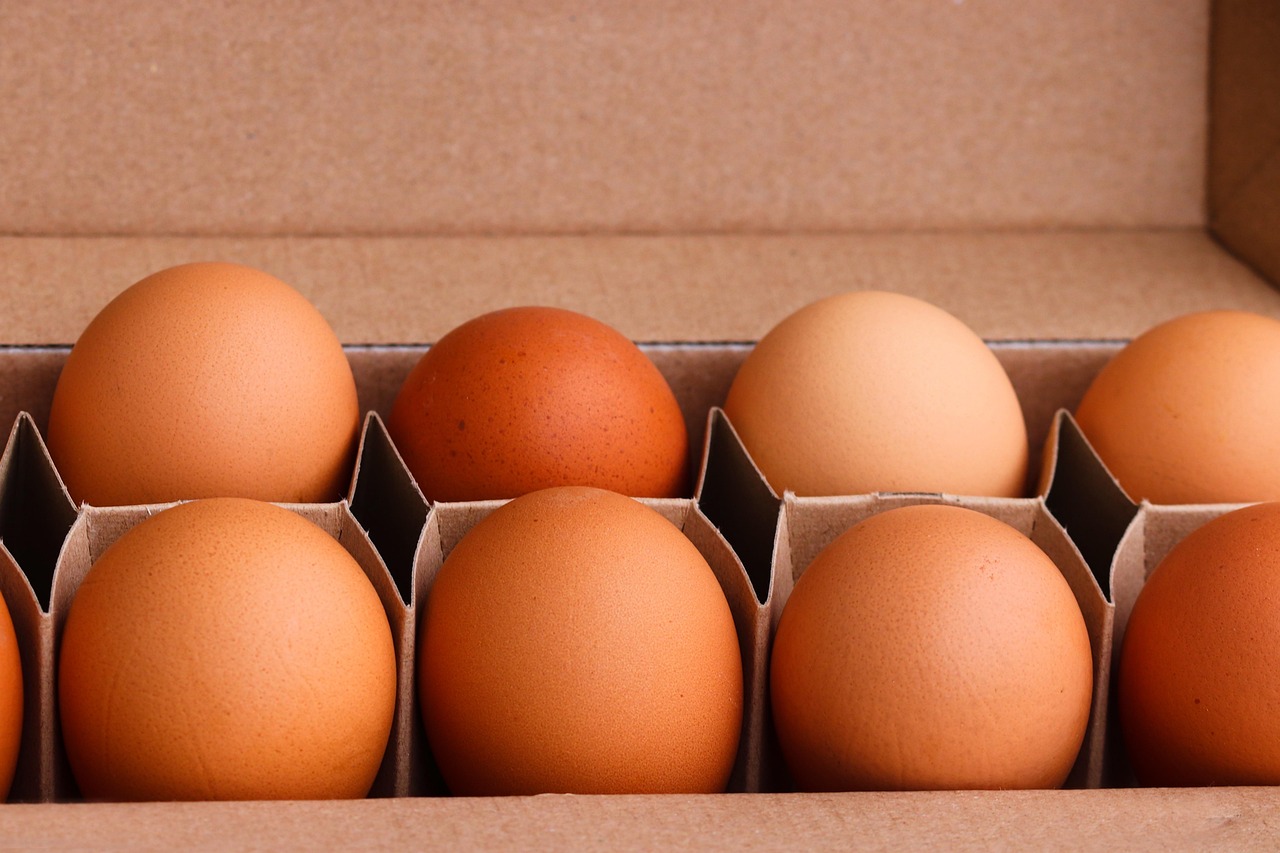
Whole eggs can also be exempt, including fresh, dried, or liquid egg products, but not isolated yolks or whites. Animal milk from cows, goats, or sheep, whether liquid or powder, may qualify too, while plant-based drinks do not receive the same treatment under this exemption.
Nuts and seeds, along with their butters, are included if they contain less than 30% saturated fat. The same threshold applies to vegetable and marine oils and to fish or seafood. Olive oil, canola oil, sunflower oil, salmon, and sardines are examples that can stay exempt, while coconut and palm oil do not qualify.
When conditional exemptions are lost
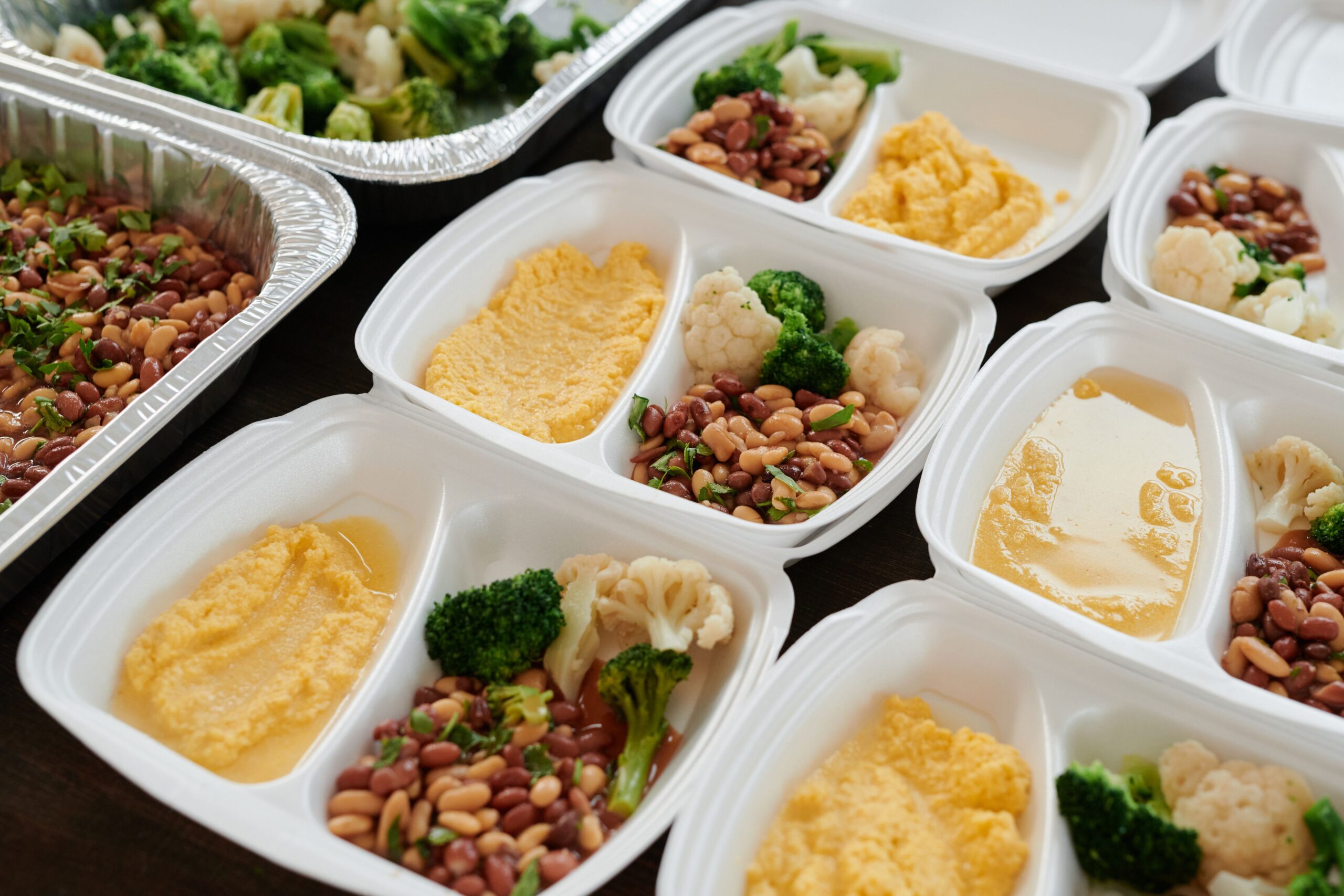
The easiest way to understand a conditional exemption is to think of it as fragile. Once a product gains added ingredients high in saturated fat, sugars, or sodium that are not themselves exempt, the protection can disappear and the package may need a warning symbol.
That is especially important for mixed foods. A plain yogurt topped with unsweetened fruit and seeds may stay exempt, but a parfait made with sweetened fruit and chocolate-coated almonds likely would not. The same logic applies across categories, including nut mixes, seafood products, and packaged produce combinations.
The rules also intersect with Nutrition Facts table exemptions. Alcoholic beverages over 0.5% alcohol, raw single-ingredient meat or poultry, raw seafood, foods prepared and sold in the same retail location, some local producer foods, and certain small packages may be exempt. But if nutrition claims, fortification, or added fat and salt change the labeling requirements, the front-of-package exemption can vanish too.
Why some dairy products get special treatment
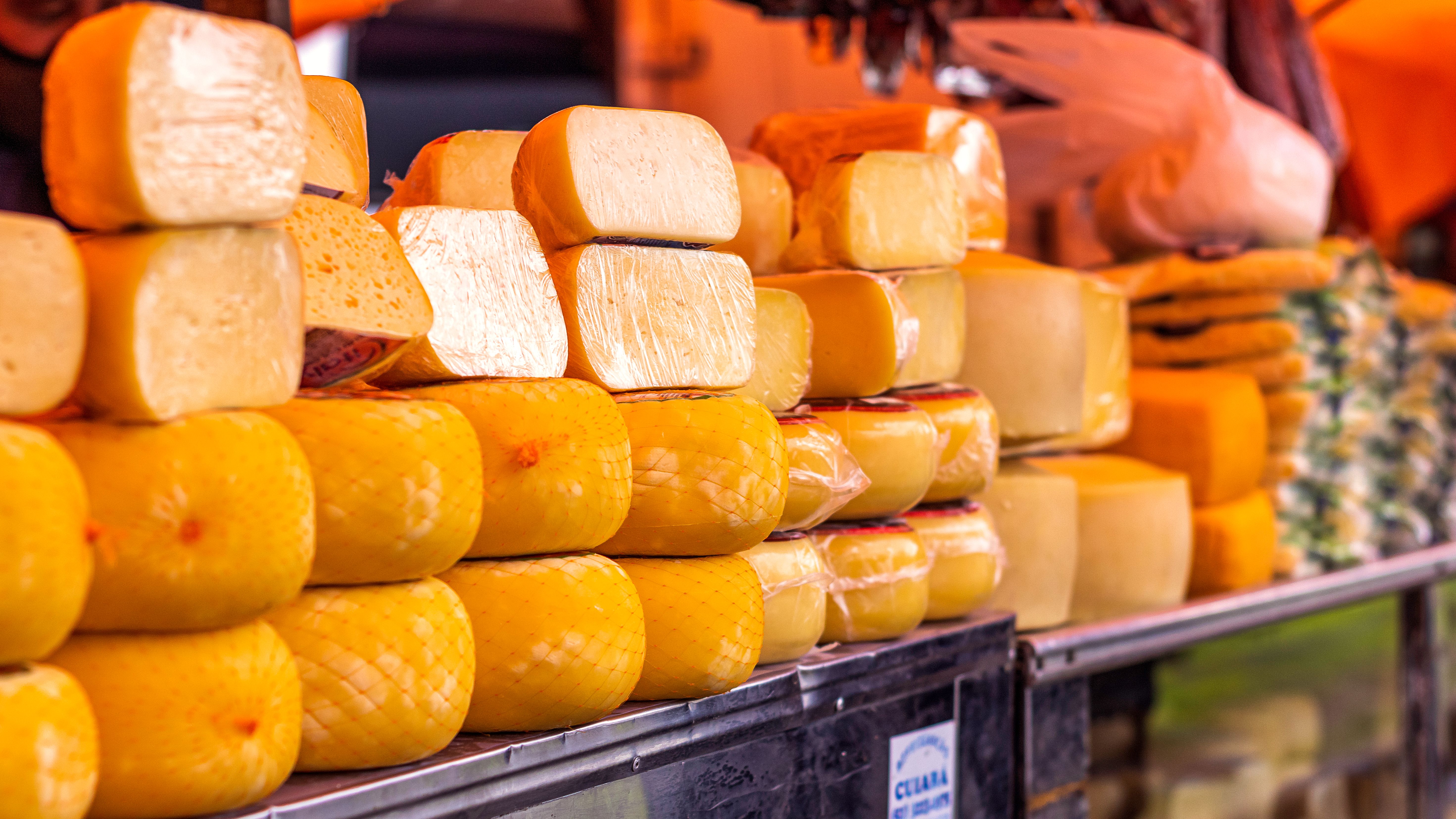
Dairy receives one of the most important carveouts in the system. Cheese, yogurt, drinkable yogurt, kefir, and buttermilk can be exempt from warning labels for saturated fat and sugars if they qualify as meaningful sources of calcium.
The calcium threshold has been a major detail in the policy. Products at or below 30 g/mL traditionally had to provide at least 10% Daily Value of calcium, while larger servings needed at least 15% Daily Value. As of June 5, 2024, guidance reflected an updated threshold of ≥5% Daily Value calcium, making the exemption easier for more products to meet.
This does not mean every flavored dairy product is automatically safe from labeling. The exemption can be lost if manufacturers add ingredients that bring in non-permitted sugars or saturated fats. However, some ingredients are allowed without voiding the exemption, including milk ingredients, certain nuts and seeds, low-saturated-fat oils, grains, legumes, and whole or cut fruits and vegetables.
What shoppers and food makers should watch next

For consumers, the main takeaway is simple: the absence of a warning label does not always mean a food is low in sugar, sodium, or saturated fat. In some cases, it means the product falls into a legally exempt category because of its format, nutrient contribution, or minimal processing.
For manufacturers and retailers, the rules demand careful product-by-product review. A minor recipe change, a new nutrition claim, or a different package size can affect whether an exemption still applies. Ground meats are a good example, since added fat, added salt, or certain claims can trigger different obligations.
The bottom line is that Canada's system is not just a blacklist of unhealthy foods. It is a structured framework that tries to distinguish between highly processed packaged products and staple foods such as fresh produce, plain dairy, eggs, seafood, and basic oils. Understanding the full exemption list is essential for both compliance and informed shopping.



Leave a Reply