
Some food beliefs feel as Canadian as hockey night and a winter storm warning. But when those ideas meet modern nutrition science, the answer is often more nuanced than people expect.
Maple syrup is healthier than white sugar

Maple syrup has long enjoyed a wholesome reputation in Canada, partly because it is natural and deeply tied to national identity. That image is not completely invented. Pure maple syrup does contain small amounts of minerals and plant compounds, including manganese and riboflavin, and researchers in Canada and Japan have examined its antioxidant content.
Still, the key word is small. From a metabolic point of view, maple syrup is still an added sugar, and a ¼ cup serving delivers a significant sugar load. Health Canada and dietitians consistently stress that the body does not give natural sweeteners a free pass simply because they come from a tree rather than a refinery.
The practical takeaway is simple. Maple syrup can be a flavourful choice, and in some recipes you may use less because its taste is stronger. But calling it a health food is a stretch. Factually, it may be slightly less empty than white sugar, yet it should still be used like a treat, not a wellness ingredient.
Milk is essential for strong bones
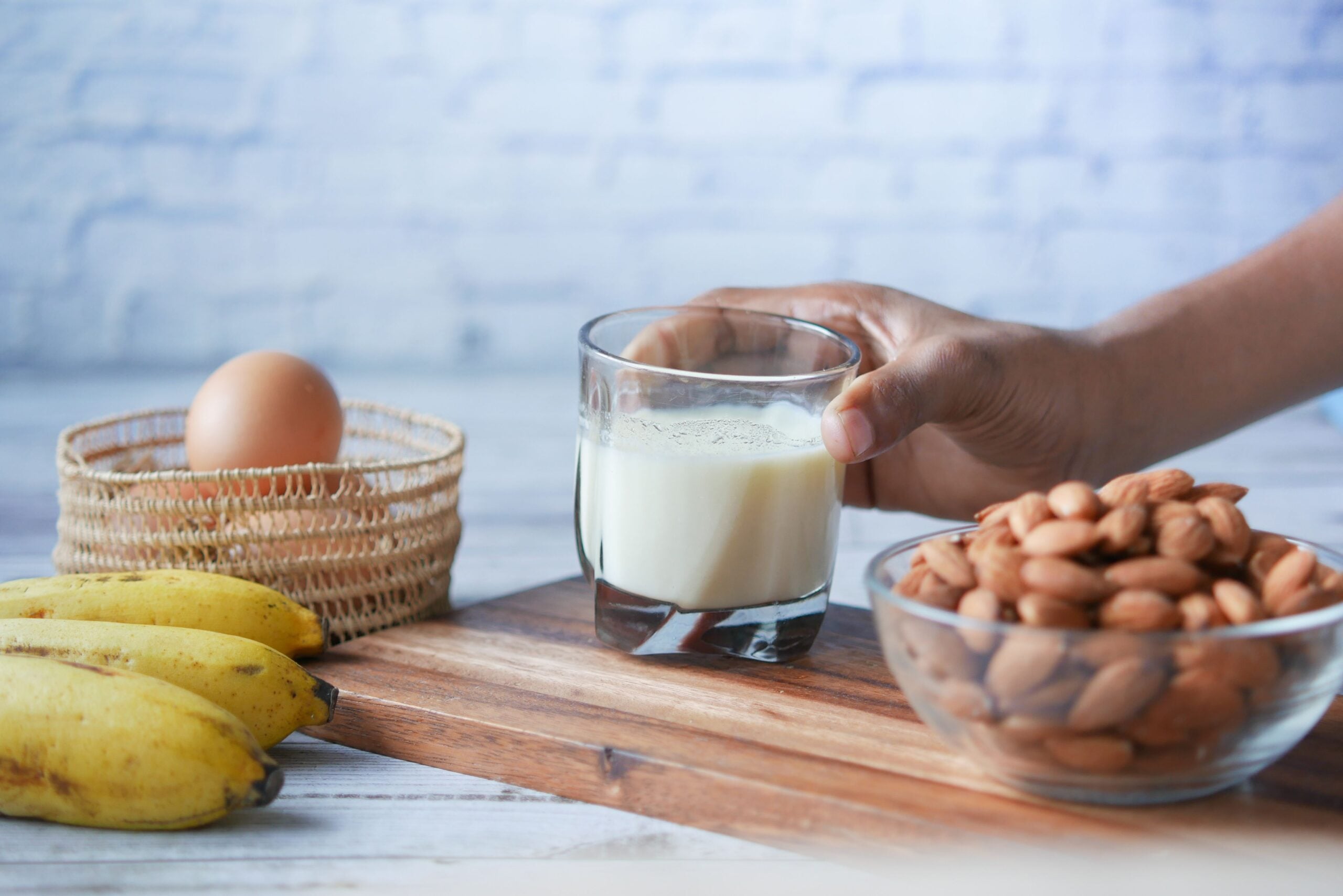
For generations, many Canadians were taught that milk is the backbone of bone health. That belief grew from a real nutritional point. Milk provides calcium, protein, phosphorus, and often vitamin D, all of which support bone maintenance across childhood, adulthood, and aging.
What gets lost is the word essential. Bones do not require milk itself. They require nutrients, plus weight-bearing exercise, enough total calories, and overall dietary quality. Yogurt, cheese, fortified plant beverages, tofu made with calcium, canned salmon with bones, and leafy greens can all contribute, although absorption differs by food.
Public health guidance in Canada now reflects that broader view. Milk can absolutely help support bone health, but it is one option among several. For people who avoid dairy because of lactose intolerance, allergy, cost, or preference, a well-planned diet can still support strong bones. The belief is partly fact, but the absolutist version is a myth.
Fresh produce is always better than frozen

At the grocery store, fresh fruits and vegetables often signal quality, while frozen ones are treated like a compromise. That assumption sounds reasonable until you look at supply chains. Produce can lose nutrients during long transport and storage, especially delicate vitamins such as vitamin C and folate.
Frozen produce is usually picked near peak ripeness and processed quickly, which helps preserve nutrients. Studies comparing fresh and frozen fruits and vegetables have found that frozen options can match, and sometimes exceed, the nutrient levels of fresh items that have spent days in transit or sitting in a crisper drawer.
There are exceptions, of course. Texture changes after freezing, and sauces or seasoning in packaged frozen products can add sodium or sugar. But as a category, frozen produce is not nutritionally second-rate. In a country with long winters and high food prices, this belief is more myth than fact, and it can discourage affordable healthy eating.
Sea salt is better for you than table salt

Sea salt often arrives with a health halo. It sounds less processed, more natural, and somehow cleaner than table salt. In reality, both sea salt and table salt are mostly sodium chloride, and the body responds to sodium from either source in essentially the same way.
The major difference for many Canadians is iodine. Table salt is commonly iodized, which has historically helped prevent iodine deficiency and related thyroid problems. Specialty salts, including many sea salts, may not provide meaningful iodine unless the label says so.
That does not mean sea salt has no place in cooking. It can offer texture and flavour variation, which chefs value. But nutritionally, it is not a smarter salt by default. If a person is trying to reduce blood pressure risk, the important move is lowering total sodium intake, not swapping one fashionable crystal for another.
Brown eggs are more nutritious than white eggs

Egg colour inspires strong opinions, especially when brown eggs cost more. Many shoppers assume the higher price signals better nutrition or superior farming. In fact, shell colour is determined mainly by the breed of hen, not by the egg's vitamin, mineral, or protein quality.
A white-shelled hen lays white eggs, and a brown-shelled hen lays brown eggs. That is the core fact. The nutrient differences between eggs usually depend more on the hen's feed and living conditions than on shell colour itself. Specialty eggs, such as omega-3 enriched varieties, are different because the feed is intentionally changed.
Why, then, do brown eggs often cost more? Larger hens generally eat more feed, which raises production costs. Consumers then read that price difference as proof of superior nutrition. In most cases, that assumption is a myth. If you want to compare eggs, read the carton details rather than judging the shell.
Eating late at night automatically causes weight gain

This is one of the most persistent food rules around. It sounds neat and disciplined, but body weight does not rise simply because the clock passes a certain hour. Weight gain happens when calorie intake consistently exceeds energy needs over time, regardless of whether those calories arrive at 7 p.m. or 10 p.m.
That said, the belief contains a grain of truth. Late-night eating is often linked to distracted habits, larger portions, alcohol, desserts, or highly processed snacks. People may not gain weight because it is nighttime itself, but because night eating can make overeating easier and sleep quality worse.
Research on meal timing and circadian rhythms is growing, and some studies suggest earlier eating patterns may support metabolic health for some people. Even so, the simple claim is too blunt. A balanced evening snack can fit perfectly well into a healthy diet. The myth is in treating time alone as the problem.
Organic food is always more nutritious

Organic labels carry powerful appeal, especially for shoppers who want cleaner, safer, or more ethical food. Organic farming standards can matter for pesticide rules, soil practices, and animal husbandry. But the claim that organic food is always more nutritious goes further than the evidence supports.
Large reviews comparing organic and conventional foods generally find that nutrient differences are modest and inconsistent. One crop may show slightly higher levels of certain antioxidants, while another shows little meaningful gap. For most people, the bigger nutritional issue is not whether produce is organic, but whether they are eating enough fruits, vegetables, legumes, and whole grains at all.
There are valid reasons to buy organic, including environmental values or taste preference. But nutrition should be discussed honestly. Conventional produce still offers major health benefits, and washing it remains sensible. In practical terms, the belief is mostly myth. The healthiest produce is often the produce you can afford, access, and actually eat regularly.




Leave a Reply