
Some meals feel modest at first glance, then completely win you over at the table. Newfoundland pea soup with traditional doughboys is exactly that kind of dish.
Why this Newfoundland classic still matters
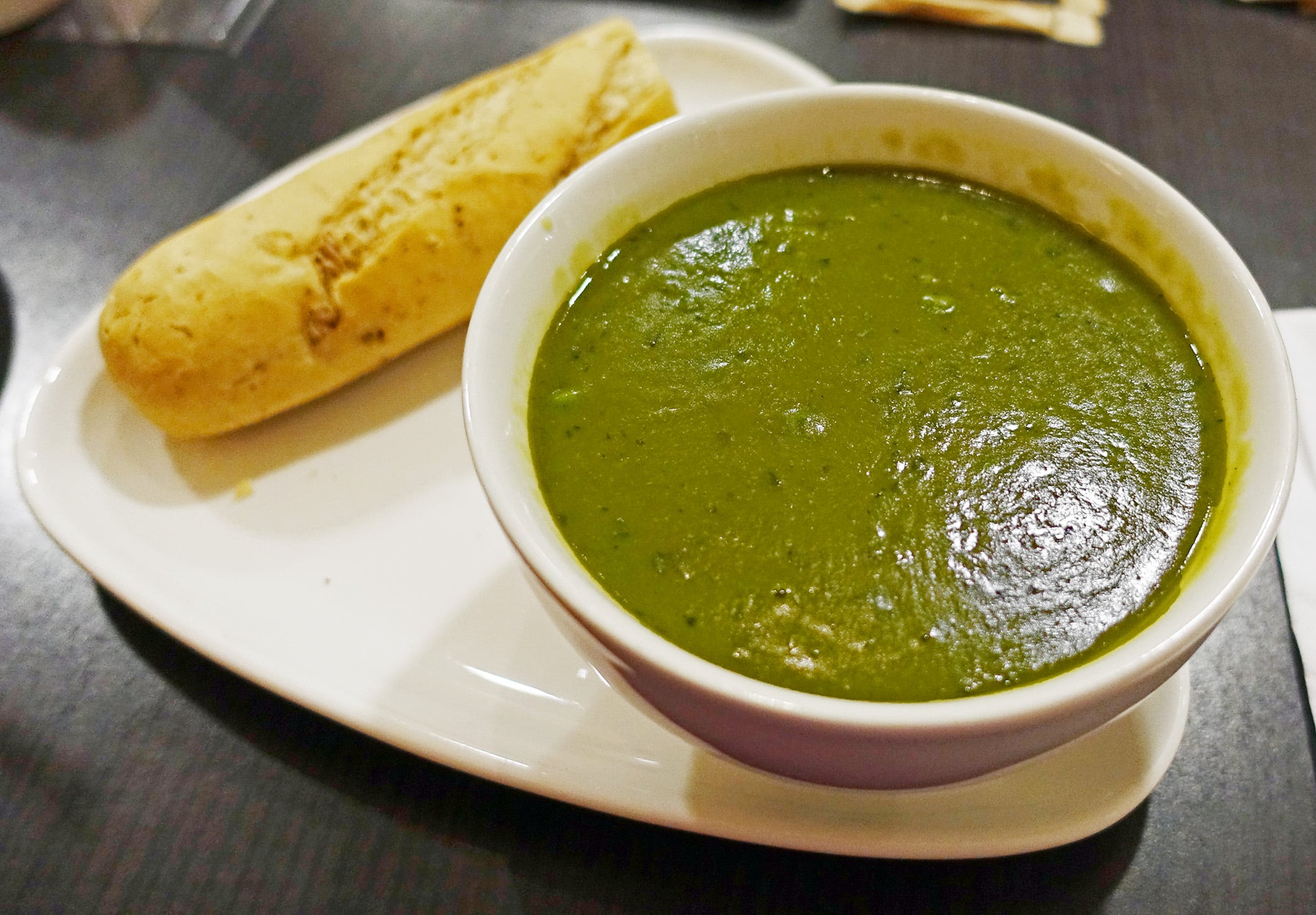
Newfoundland pea soup is built on split peas, salt meat, onion, and slow, steady cooking. The result is a thick, savory soup that has fed families for generations because it is affordable, filling, and dependable in cold weather.
Its staying power comes from more than thrift. Split peas break down into a creamy base without needing dairy, while cured pork adds depth and body. That balance creates a dish that tastes substantial even though the ingredient list is short.
Traditional foods like this also tell a regional story. In Newfoundland and Labrador, practical cooking developed around preserved foods, root vegetables, and one-pot meals that could stretch to feed several people. Pea soup with doughboys remains a clear example of that resourceful approach.
What makes the soup so flavorful
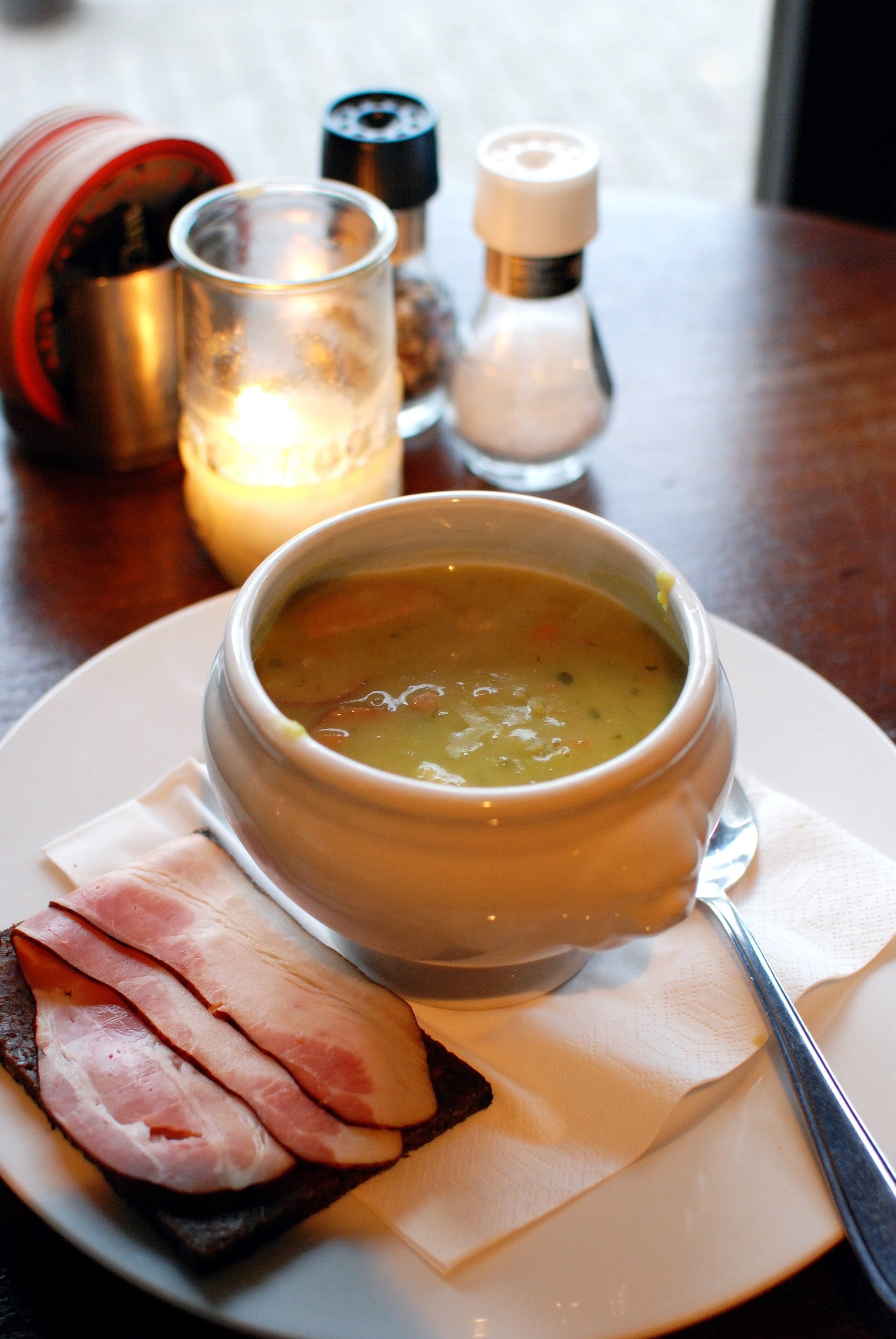
The soup starts with dried yellow split peas, which soften as they simmer and naturally thicken the pot. Unlike many quick soups, this one develops flavor gradually, giving the peas time to absorb the salt and smokiness from the meat.
Salt beef or other cured pork is often the defining ingredient. Many home cooks soak it first to remove excess salt, then simmer it with the peas so the broth becomes rich rather than harsh. That step helps create a rounder, more balanced taste.
Onion is the usual aromatic base, though some cooks add carrot or turnip for sweetness. Black pepper is common, but heavy seasoning is not. The strength of this soup lies in restraint, allowing simple ingredients to create a deep, comforting flavor on their own.
The role of traditional doughboys
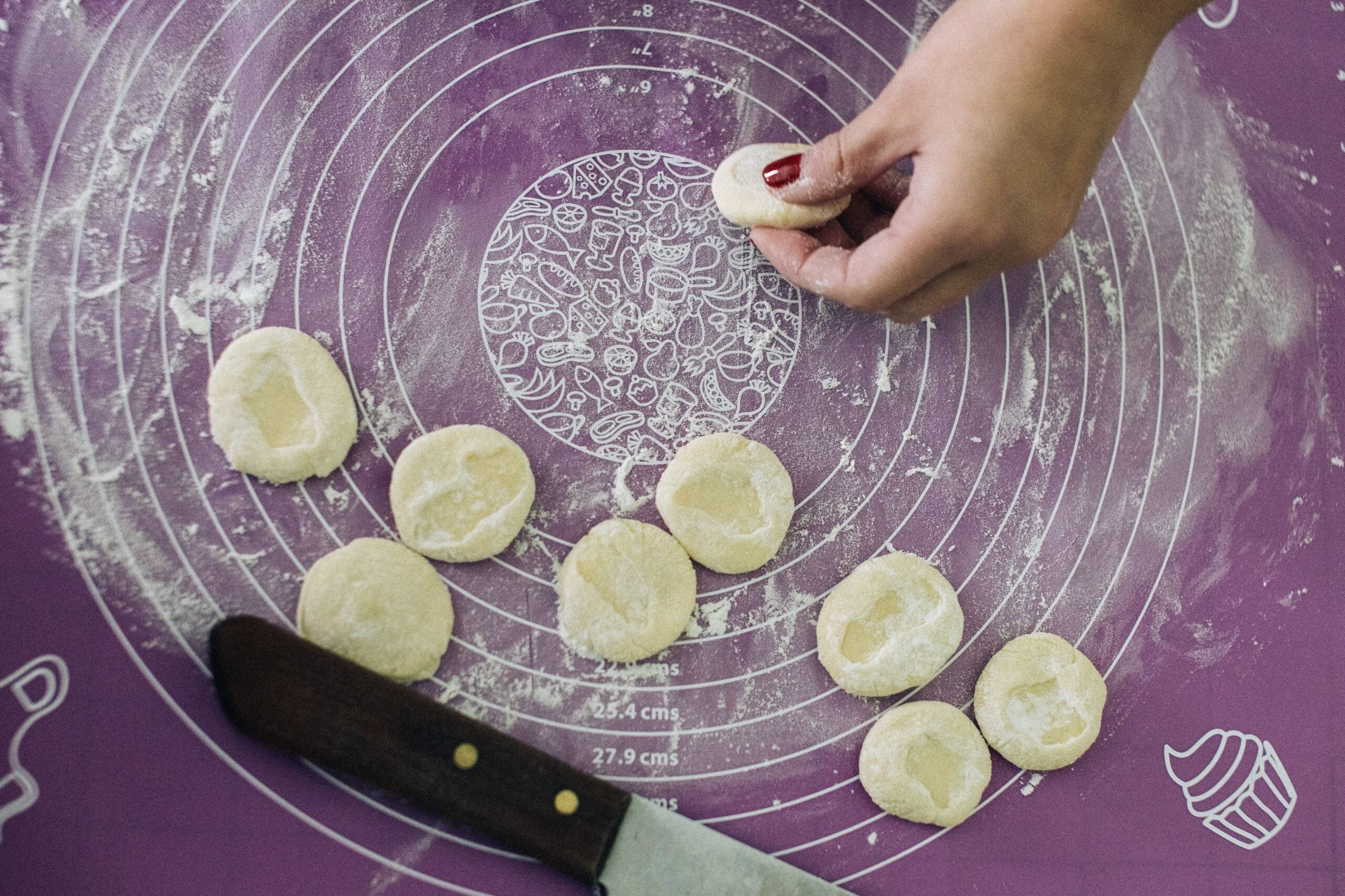
Doughboys are plain flour dumplings dropped onto the simmering soup near the end of cooking. They steam gently on top of the pot, becoming soft, tender, and slightly chewy, which makes the meal feel even heartier.
Their appeal is partly textural. The soup is smooth and thick, while the dumplings add bite and substance. When served together, each spoonful feels more complete, almost like soup and bread merged into one dish.
A traditional doughboy mixture is simple: flour, baking powder, salt, and water or milk. Some cooks keep them dense and rustic, while others prefer a lighter texture. Either way, they should be cooked covered so they rise properly and stay delicate inside.
How to make it successfully at home
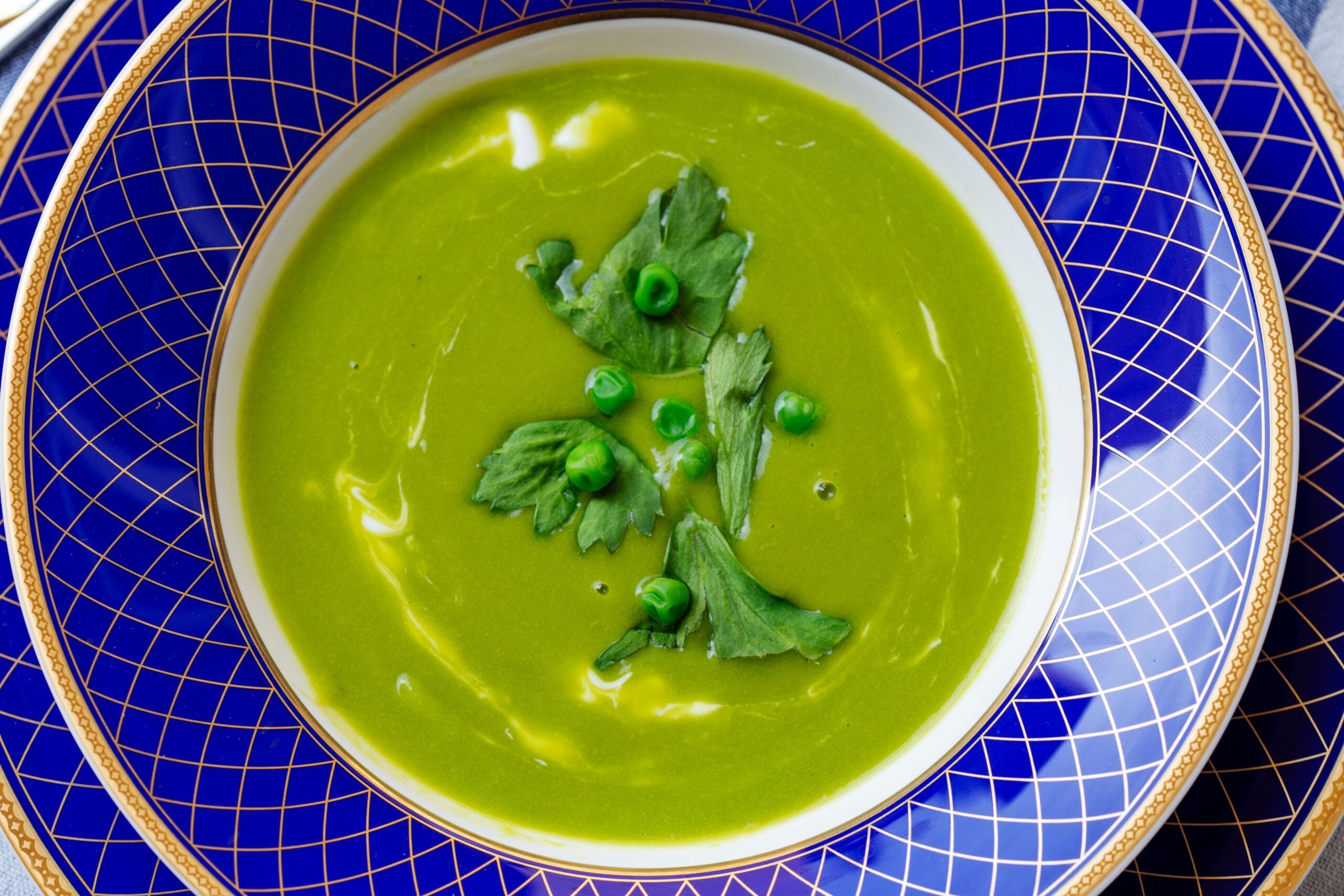
A reliable version starts by rinsing 1 lb of yellow split peas and simmering them with soaked salt beef, 1 chopped onion, and enough water to cover generously. As the peas soften, skim the surface if needed and stir occasionally to prevent sticking.
After about 1 ½ to 2 hours, the peas should be mostly broken down and the meat tender. At that stage, remove the meat, chop it if desired, and return it to the pot. Adjust the thickness with hot water if the soup becomes too dense.
For the doughboys, mix 1 cup flour, 2 teaspoon baking powder, ½ teaspoon salt, and enough liquid to make a soft dough. Drop spoonfuls over gently bubbling soup, cover tightly, and cook for about 15 minutes without lifting the lid. That trapped steam is what cooks them through.
Why it works as an everyday meal
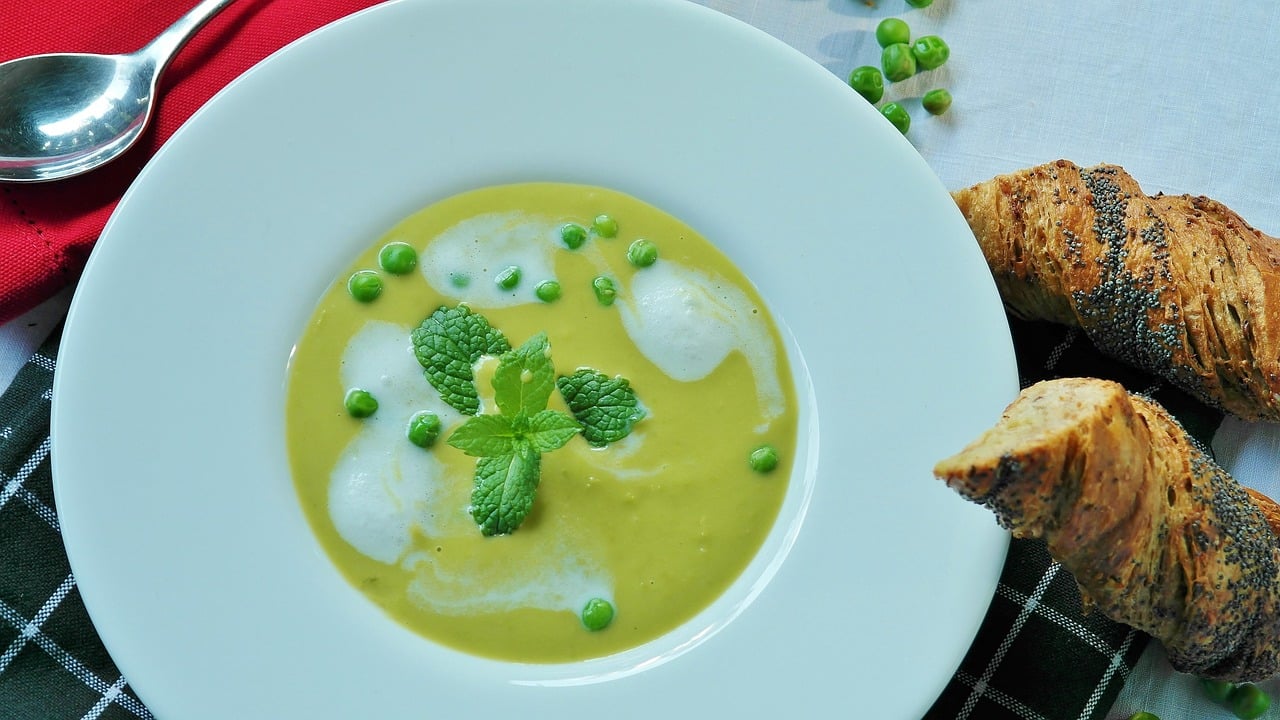
This is the kind of meal that fits modern life because it delivers a lot from inexpensive basics. Split peas are high in fiber and plant protein, and even a small amount of cured meat can flavor a large pot effectively.
It also scales well for families, leftovers, or batch cooking. The soup often tastes even better the next day as the flavors settle, though it may need a splash of water when reheated because split peas continue to absorb liquid.
Most importantly, it satisfies without complication. You do not need expensive cuts, advanced technique, or a long shopping list. For home cooks trying to make practical, comforting food, few recipes offer as much value and warmth as this one.
Simple ways to serve and adapt it
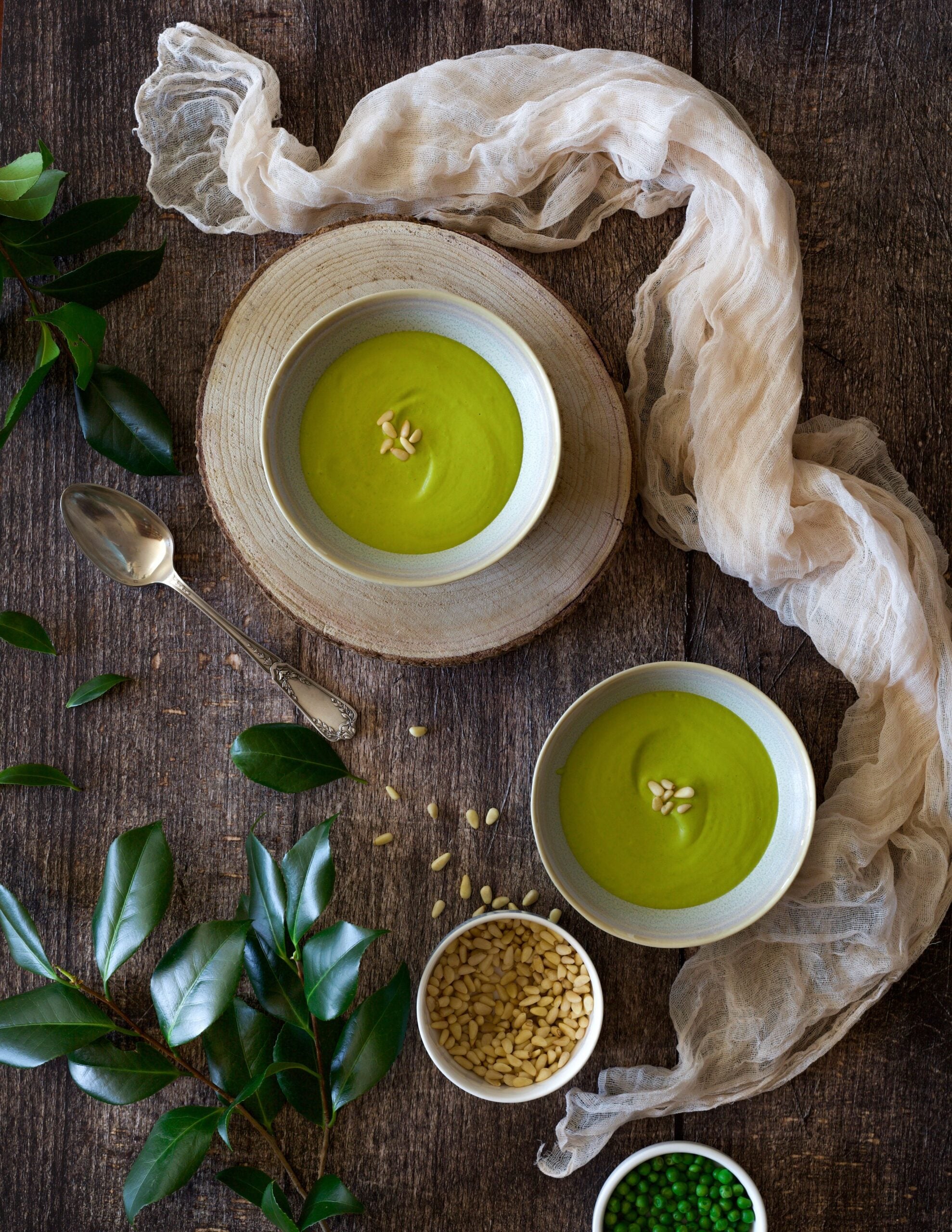
Serve Newfoundland pea soup hot in deep bowls, making sure each portion includes at least one doughboy and some pieces of meat. A little butter on the dumplings or a crack of black pepper on top can be enough to finish it well.
If you want a slightly fuller version, add diced carrot, turnip, or potato during the simmer. Some cooks prefer ham in place of salt beef, especially when using leftovers from a roast, and that substitution works well if you reduce added salt.
The spirit of the dish should remain simple, even when adapted. It is not meant to be elaborate. Its charm comes from honest ingredients, slow cooking, and the kind of straightforward comfort that makes people return to old recipes again and again.


Leave a Reply