
Canned food once looked like a miracle. In its earliest years, it was also alarmingly close to a science experiment with human lives at stake.
Lead solder could poison the food itself
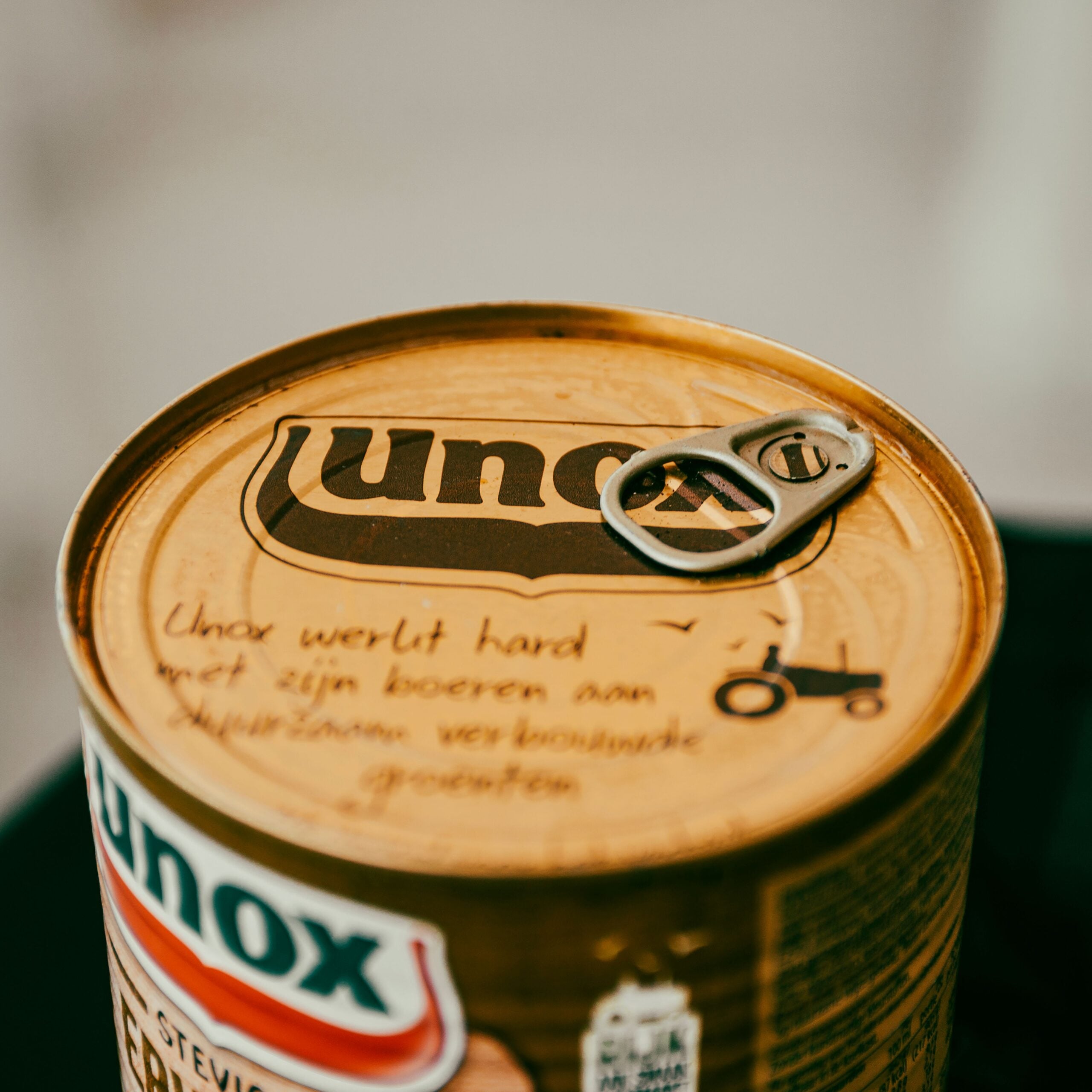
One of the most disturbing facts about early canned food is that the container could be as dangerous as whatever was inside it. In the 19th century, many tins were sealed with lead-based solder, especially around seams and lids where leakage was most likely. Acidic foods such as tomatoes, fruits, and pickled goods could react with that metal and pull lead into the meal over time.
This was not a minor technical issue. Lead is a cumulative poison that can damage the nervous system, kidneys, digestion, and mood, and repeated exposure is especially dangerous for children and pregnant women. People at the time did not fully grasp low-dose chronic poisoning, so symptoms like stomach pain, weakness, irritability, and confusion were often blamed on other illnesses.
Historians frequently point to the doomed Franklin Arctic expedition as the most famous example linked to canned food and lead exposure. Later forensic work found unusually high lead levels in the remains of crew members, and while scholars still debate how much came from solder, pipes, or other sources, the canned provisions remain central to the discussion. The larger truth is clear: early canning technology introduced a poison directly into the packaging.
Spoilage often hid behind an intact-looking can

A can did not have to look ruined to contain dangerous food. Before reliable sterilization standards and routine microbial testing, manufacturers often judged safety by appearance, smell, and experience rather than precise control. That left enormous room for failure, because bacteria can multiply long before obvious warning signs become impossible to miss.
In the early decades of canning, heating times were inconsistent and often based on guesswork. Different foods transfer heat differently, and thick stews or dense meat pastes can protect microbes from being destroyed. Without modern understanding of thermal processing, some factories simply undercooked the contents in sealed tins and sent them to market.
That mattered because some of the deadliest forms of food poisoning do not announce themselves clearly. Clostridium botulinum, the bacterium behind botulism, thrives in low-oxygen environments like sealed containers and can produce a toxin powerful enough to paralyze muscles and stop breathing. Once scientists such as Nicolas Appert helped inspire preservation methods, industry grew faster than the science needed to make those methods reliably safe.
Workers packed food in dirty, uncontrolled conditions
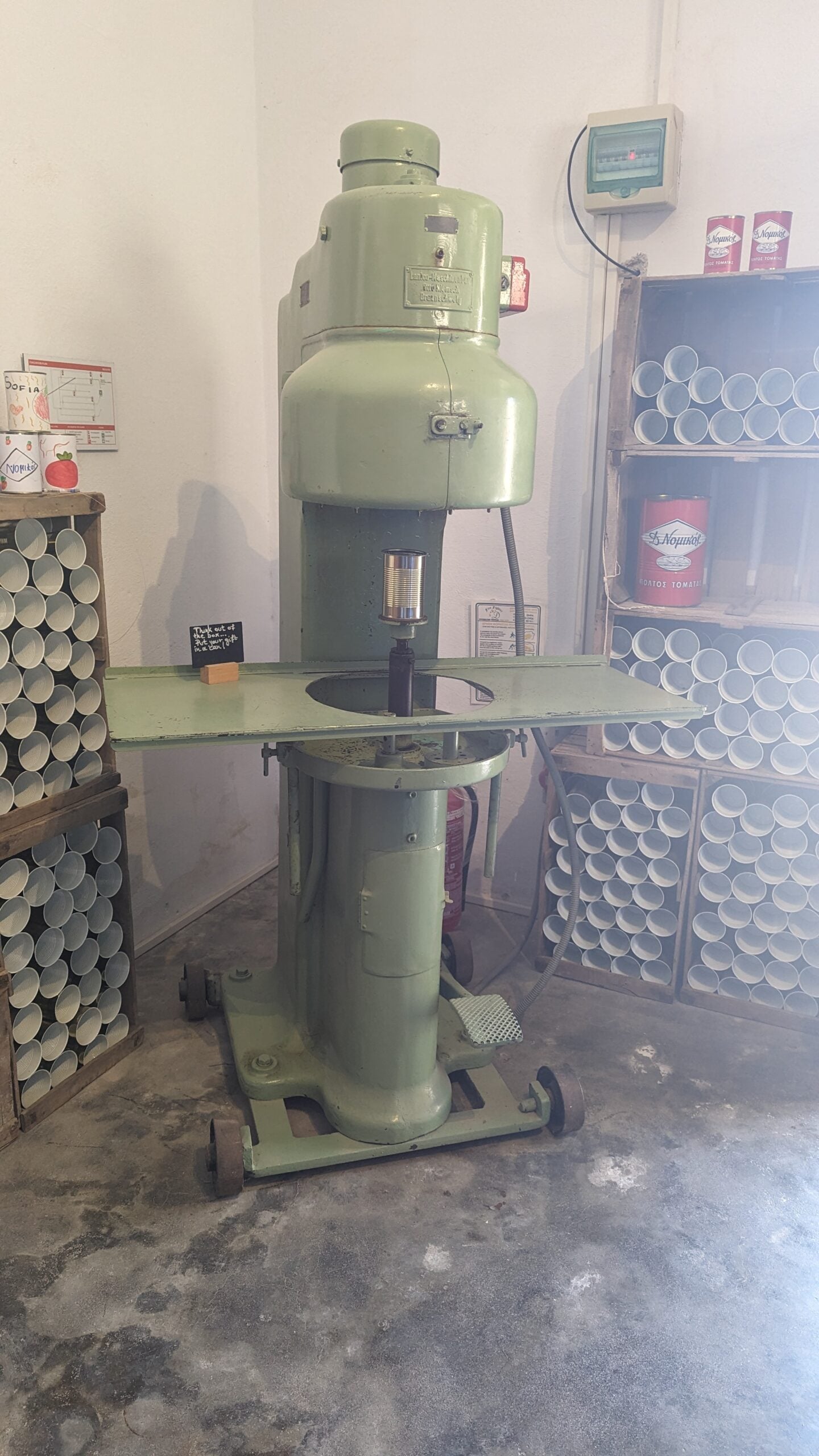
The unsettling part here is how ordinary contamination could be. In many early canneries, especially before reform movements and inspection laws, food was handled in hot rooms by large numbers of workers with little protection from dirt, insects, rodents, or contaminated water. Cleanliness varied widely from plant to plant, and there was no universal system forcing producers to maintain sanitary conditions.
Fish, meat, peas, and fruit were often processed near the source during harvest or slaughter rushes, when speed mattered more than careful hygiene. Floors could become slick with waste, cutting tools were not always properly cleaned, and flies were a routine nuisance rather than an emergency. If raw materials arrived bruised, partly rotten, or already beginning to decompose, canning did not magically reverse that damage.
Reformers in the late 19th and early 20th centuries pushed harder for inspection because consumers had little way to see where their food came from. Public outrage over industrial food handling, echoed by investigative journalism and later federal action, helped expose a basic truth: sealing food in metal did not make the process clean. It often just hid the evidence from the buyer.
Exploding cans were a real manufacturing hazard
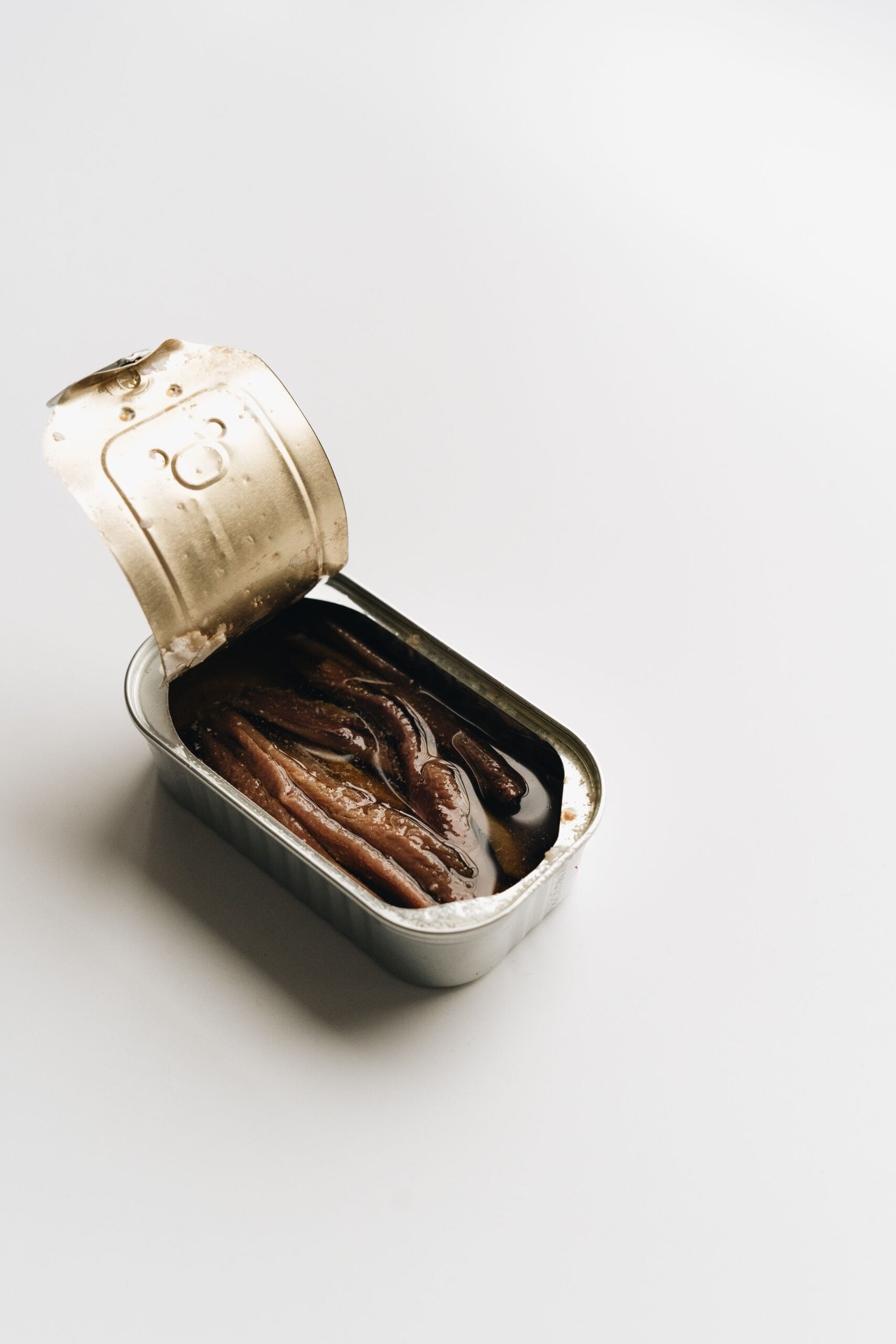
Early canned food had a frightening physical danger too. Poor sealing, gas buildup from spoilage, and uneven heating could turn metal tins into pressure vessels that bulged, burst, or leaked. A swollen can is an obvious warning sign today, but in the 19th century not everyone understood what that swelling meant or how risky it was.
Spoilage organisms and chemical reactions can produce gases inside a sealed container. If seams were weak, the can might hiss or ooze; if they held, internal pressure could distort the metal dramatically. Factory workers and home cooks sometimes encountered cans that popped open violently, spraying foul contents and proving that preservation had failed long before the meal reached the table.
This also had an economic effect. Merchants and military suppliers buying canned goods in bulk might not discover problems until transport, storage, or opening, when whole shipments had already been compromised. The promise of long shelf life made canned food attractive for navies, armies, and expeditions, but one bad production run could waste supplies and put many people at risk at once.
Labels could mislead buyers about what was inside
What people thought they were buying and what they actually got were not always the same. In the early food trade, labeling rules were weak, uneven, or nonexistent, and canned goods could be diluted, substituted, or deceptively named. That made it harder for buyers to judge quality, nutrition, or even the basic identity of the contents.
A can sold as premium meat might include lower-grade cuts, excess fat, or heavily salted scraps. Fruit products could be packed in ways that emphasized syrup over fruit, while imported and domestic goods were not always clearly distinguished. Adulteration was a broad 19th-century problem across the food system, and canned products were part of that wider culture of commercial corner-cutting.
For families, the danger was not only disappointment. Mislabeling could conceal spoilage, poor ingredients, or nutritional shortfalls, especially when canned food was used for soldiers, sailors, invalids, or urban workers relying on cheap preserved meals. The can itself projected trust and uniformity, but that polished exterior often hid a marketplace where standards lagged behind marketing.
People had to open tins with crude, dangerous tools
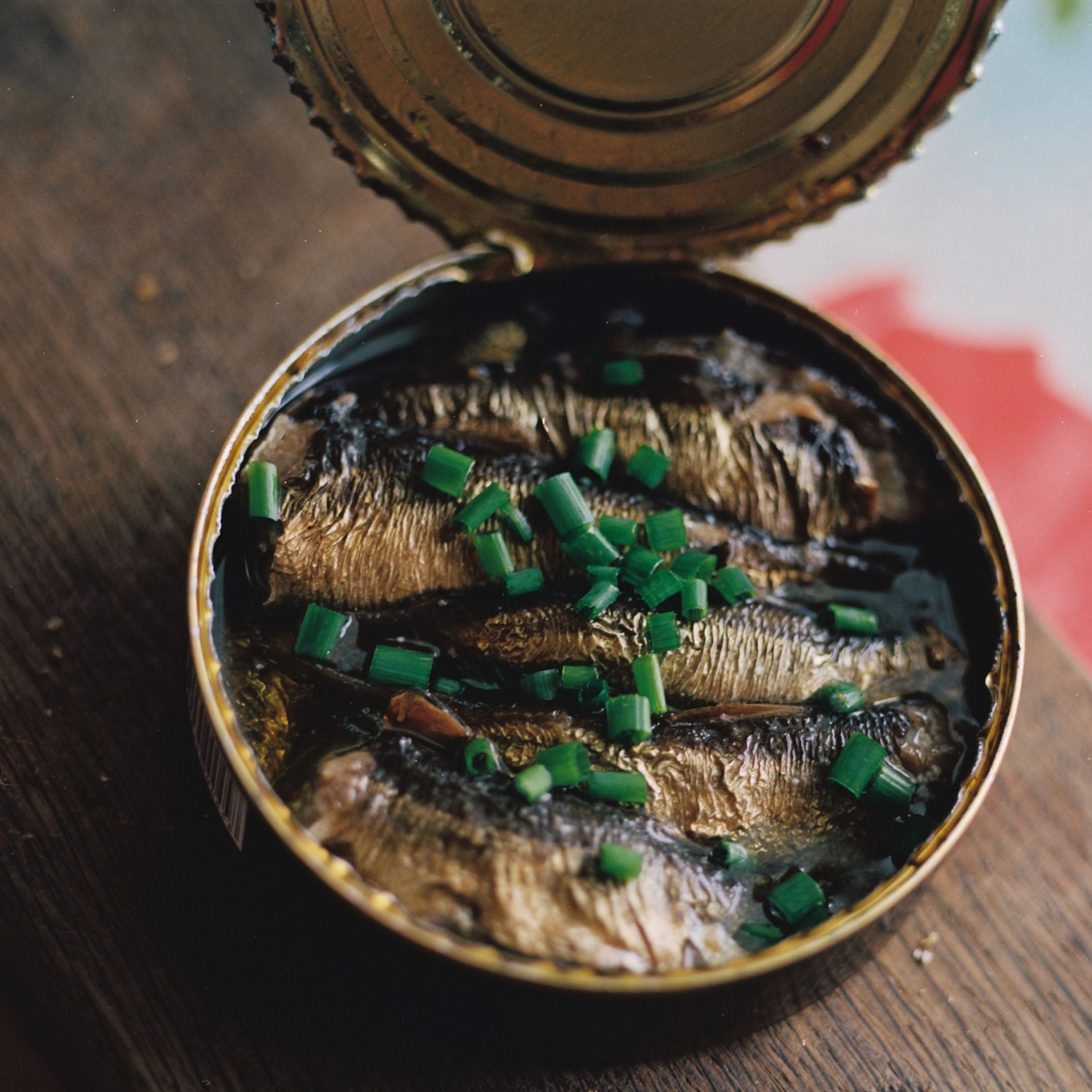
Here is an easily overlooked detail that says a lot about the era: the first canned foods were often harder to open than they were to buy. Early tins did not come with the familiar rotating can opener because that device was invented later. Consumers were instructed to use hammers, chisels, knives, or bayonet-like tools, which made opening dinner feel more like minor metalwork.
That created obvious injury risks. Slipping blades could cut hands, jagged lids could slice fingers, and fragments of metal might fall into the food. Even when no one was hurt, rough opening methods could expose more of the container's interior coating or soldered seams, adding another route for contamination from a package already built with imperfect materials.
The delay in adopting safer openers also reveals how new the entire system was. Manufacturers focused first on preservation and transport, not ease or safety in the kitchen. Ezra Warner patented one of the earliest can openers in 1858, but it remained awkward, and household-friendly versions took time to spread. Convenience was not built into canned food at the beginning.
Safety improved only after tragedy, science, and regulation
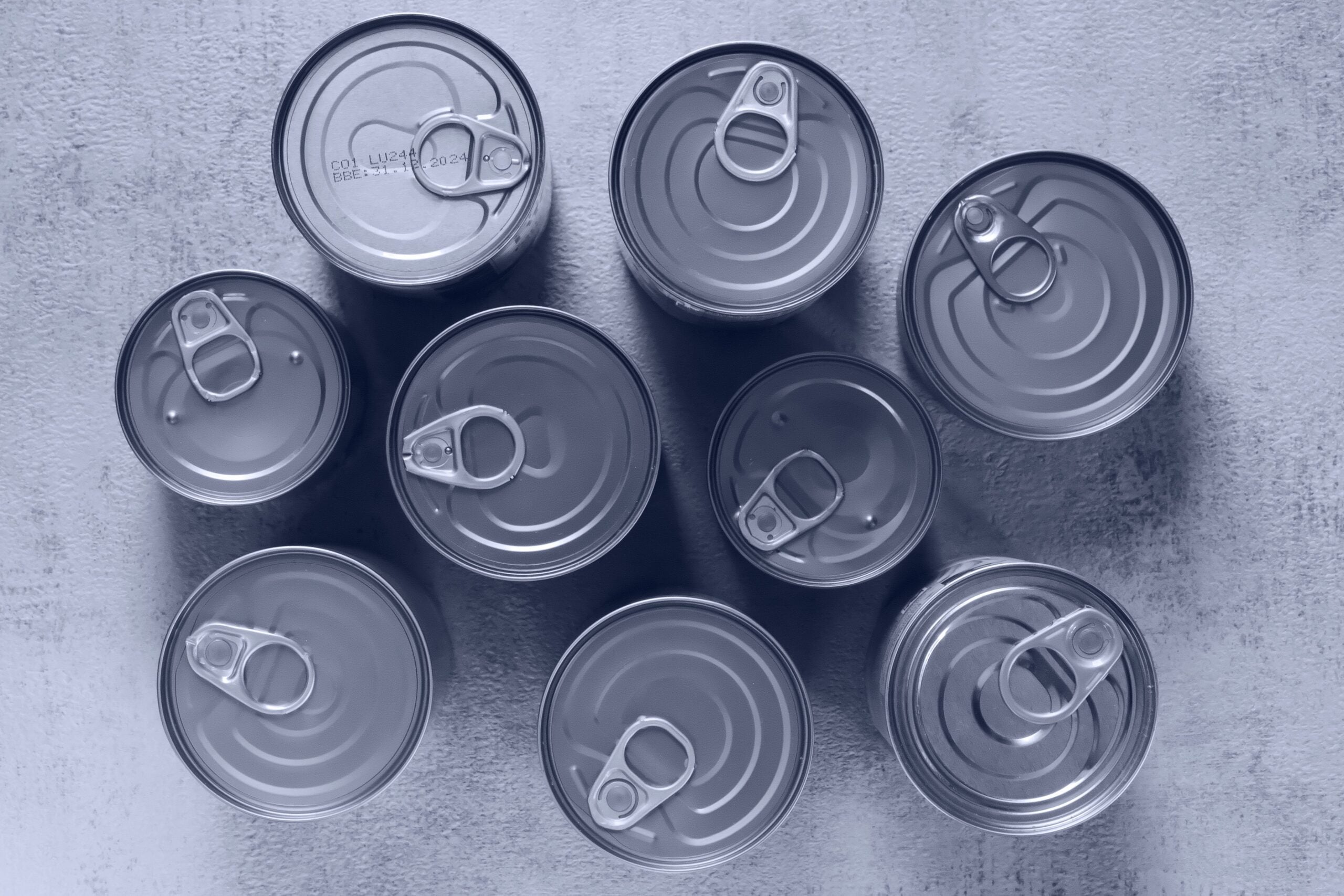
Perhaps the most unsettling detail is that many of these risks were tolerated for decades because canned food solved real problems. It fed armies, reached crowded cities, and preserved seasonal harvests, so industry expansion often outran caution. Society usually tightens food rules after outbreaks, scandals, and public pressure, not before, and canned food followed that pattern closely.
As microbiology advanced through the work of Louis Pasteur and others, manufacturers gained a clearer picture of why food spoiled and how heat treatment actually worked. Better seam construction, improved soldering practices, pressure canning, and eventually interior lacquers all reduced danger. Just as important, governments began establishing inspection systems and pure food laws that made safety a matter of policy rather than goodwill.
By the early 20th century, the can had become far safer, but only because painful lessons forced change. The history matters because it shows how easily impressive technology can hide invisible hazards when standards are weak. Early canned food was not simply primitive by modern terms. At times, it was unnervingly hazardous in ways consumers could not see.



Leave a Reply