
Nut butter looks simple on the shelf, but the differences are bigger than most shoppers realize. Flavor, nutrition, price, and how each spread performs in real meals all matter.
Cashew Butter
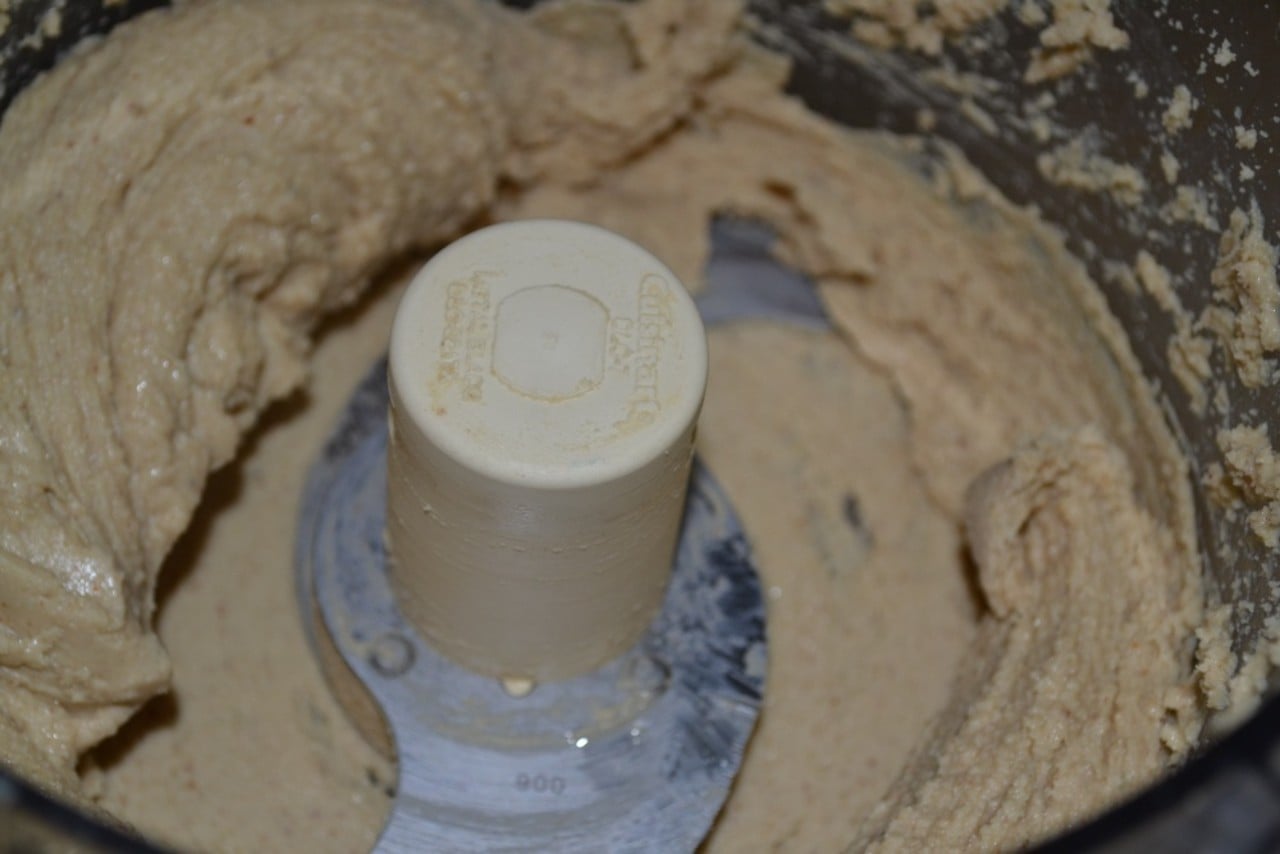
Cashew butter often wins people over with its silky texture, but that softness is also its main weakness. It is mild to the point of disappearing in many dishes, especially compared with stronger options like peanut or almond. In smoothies and sauces, it blends beautifully, yet on toast it can feel more creamy than memorable.
From a nutrition standpoint, cashew butter is respectable but not outstanding. It generally contains less fiber than almond or peanut butter, which means it may be a little less filling. It still provides healthy fats, copper, magnesium, and some plant protein, but its overall profile is not as robust as higher-ranked choices.
Price is another issue. Cashew butter is usually one of the more expensive jars in the nut butter aisle, and that premium does not always translate into better everyday value. For people who want a neutral, dessert-friendly spread, it has a place. As an all-around pantry staple, though, it is easier to admire than to rely on.
Walnut Butter
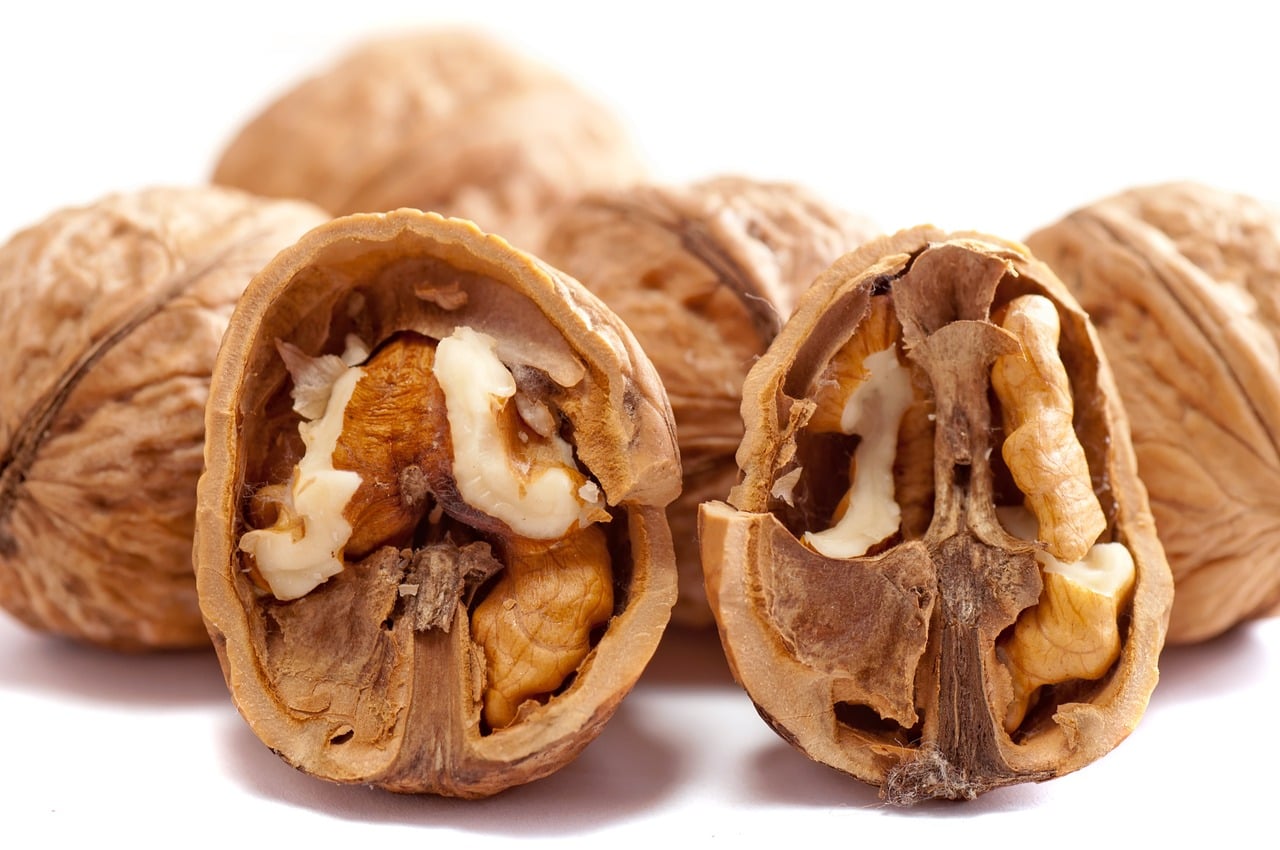
Walnut butter brings something many others do not: a deeper, slightly bitter, almost earthy taste. That makes it interesting, but also less crowd-pleasing. It works well in oatmeal, baked goods, and grain bowls, yet many people find it too assertive for sandwiches or quick snacks.
Its nutrition story is stronger than its popularity suggests. Walnuts are well known for their omega-3 fatty acids, especially alpha-linolenic acid, which is linked to heart health. Walnut butter also offers antioxidants and polyphenols, but it is often lower in protein than peanut or almond butter, which can limit its appeal for people seeking a more filling option.
Freshness matters here more than with many competitors. Because walnuts contain delicate fats, walnut butter can turn rancid faster if stored poorly. That makes buying smaller jars and refrigerating them the smarter move. It is a thoughtful choice for nutrition-minded eaters, but its taste and shelf-life challenges keep it out of the top tier.
Almond Butter
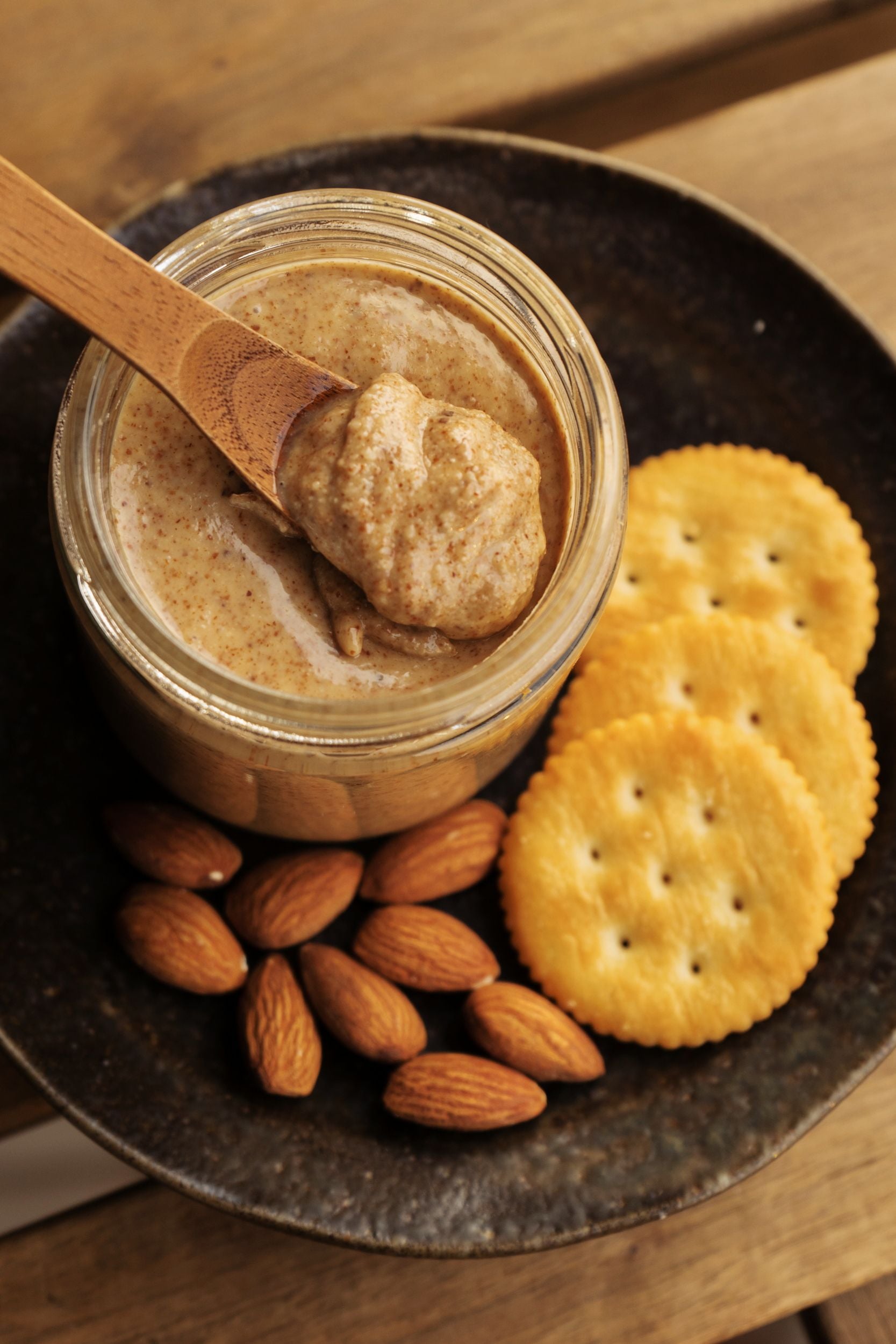
Almond butter is the modern health-food standard, and for good reason. It has a clean, lightly roasted flavor that feels richer than cashew butter without being as forceful as walnut. It spreads well, pairs easily with fruit, and holds its own in everything from overnight oats to savory dressings.
Nutritionally, almond butter is one of the most balanced choices on the market. It usually delivers solid amounts of vitamin E, magnesium, and monounsaturated fat, along with useful fiber. Many dietitians favor it because it offers a satisfying combination of fat, protein, and texture that helps snacks feel more substantial.
Its biggest drawback is cost. Almond butter is commonly priced well above peanut butter, and natural versions can separate heavily in the jar. Still, if budget is not the top concern, it is a dependable, versatile option. It earns third place because it performs well across the board, even if it rarely feels like the absolute best at any one thing.
Peanut Butter
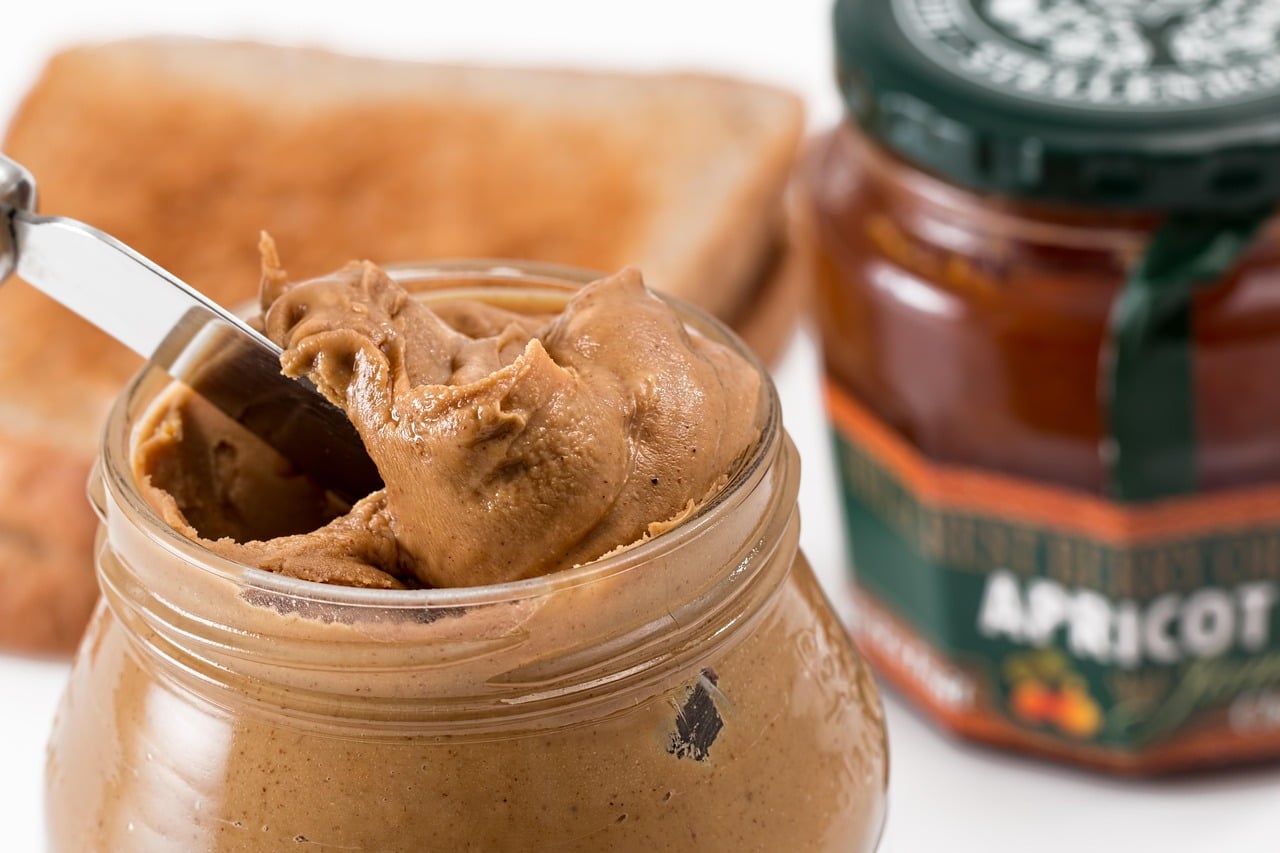
Peanut butter remains popular for a reason: it simply does more than almost any rival. The taste is bold, roasted, and unmistakable, whether it appears in sandwiches, cookies, sauces, or post-workout snacks. It is the nut butter most people grew up with, and familiarity counts when a food needs to work every single day.
It is also one of the best values in the category. Ounce for ounce, peanut butter usually provides more protein for less money than almond, walnut, or cashew butter. It contains heart-healthy unsaturated fats, niacin, and vitamin E, and when you choose versions made with just peanuts and salt, the ingredient list stays refreshingly simple.
Why is it not number one? Allergy concerns matter, and peanut butter can be easier to overeat because it is so palatable and widely used in sweetened products. Even so, judged on taste, practicality, affordability, and nutrition, it remains an elite pantry item and the benchmark every other nut butter has to challenge.
Pistachio Butter
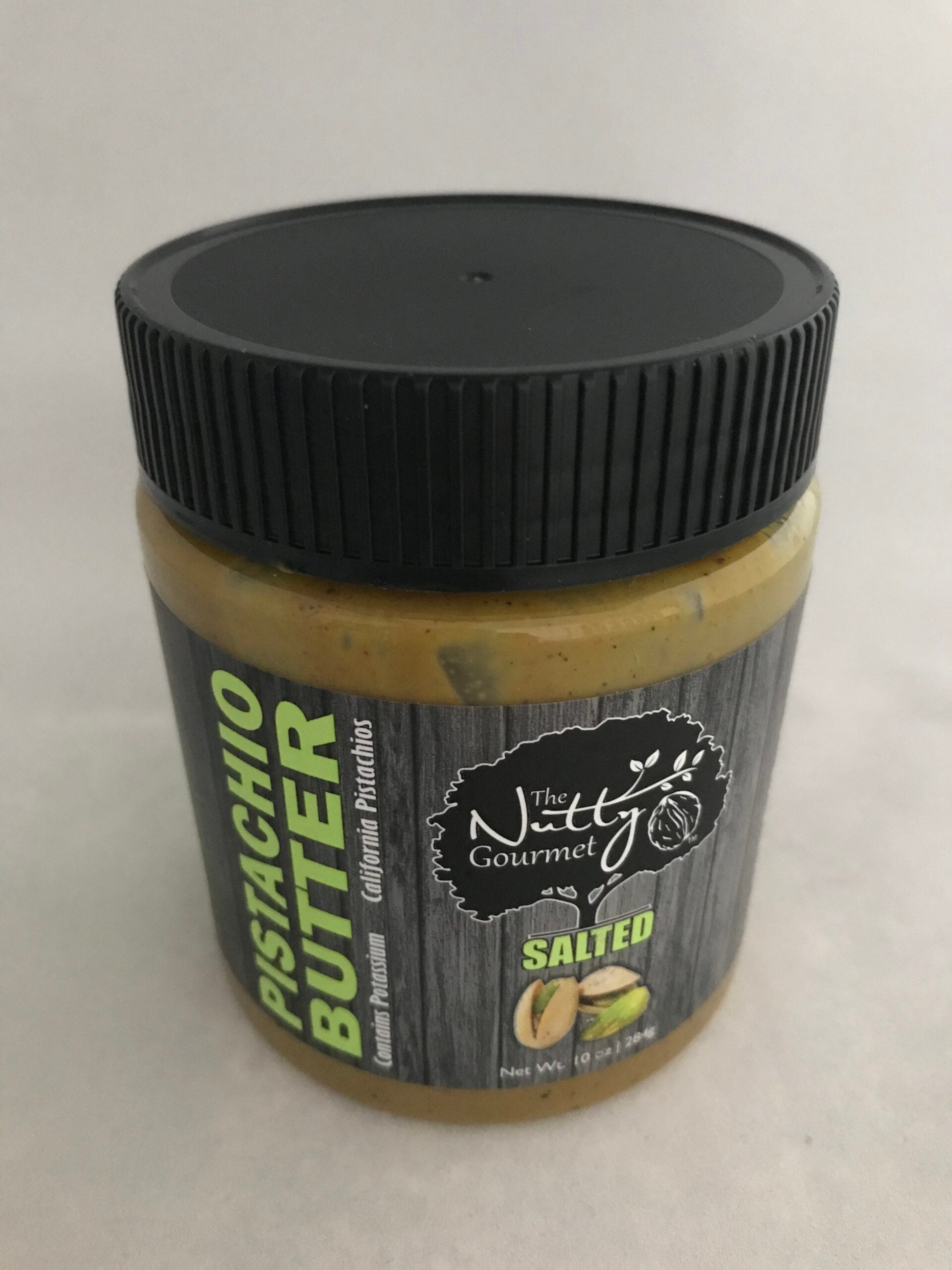
Pistachio butter takes the top spot because it feels special without sacrificing substance. Its flavor is naturally sweet, slightly savory, and more complex than cashew or almond butter. It tastes luxurious on toast, fruit, and yogurt, but it also works in sauces and desserts where a distinctive nut flavor can truly stand out.
Nutritionally, pistachios bring a lot to the table. They provide healthy fats, plant protein, fiber, potassium, and antioxidants such as lutein and zeaxanthin, compounds better known for supporting eye health. Compared with many richer-tasting spreads, pistachio butter often feels lighter and fresher, which helps it fit easily into both indulgent and health-conscious meals.
Availability and cost are the only real barriers. It is less common than peanut or almond butter, and high-quality jars can be expensive. Still, when quality, taste, nutrition, and versatility are weighed together, pistachio butter offers the most complete package. It is not just good for a niche audience. It is the best nut butter on the shelf.




Leave a Reply