
Some food destinations get all the attention. Others quietly build one of the most satisfying dining scenes in the country.
Why Nova Scotia keeps coming up in this debate
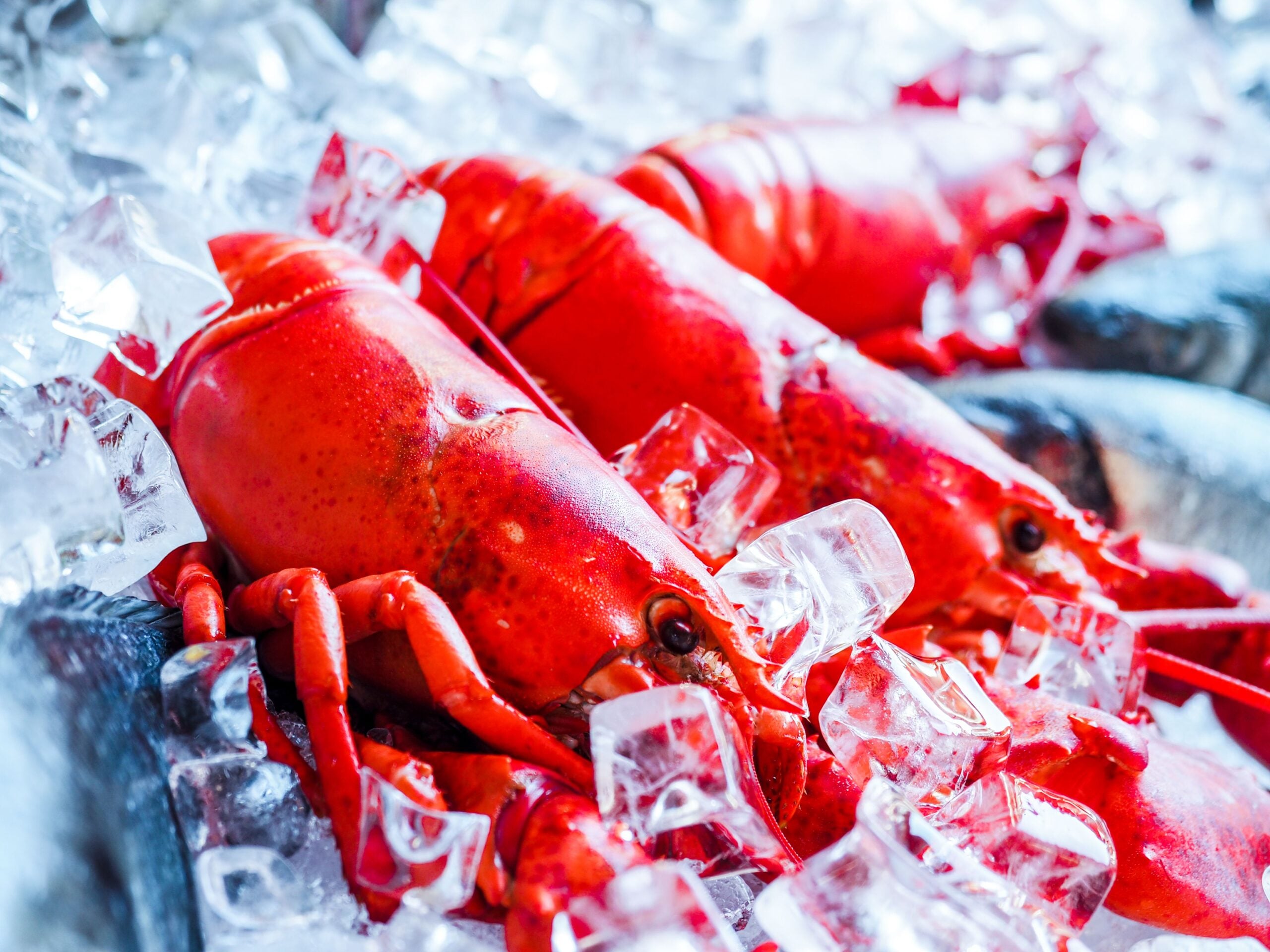
When Canadians talk about underrated food provinces, Nova Scotia deserves serious attention. It has long lived in the shadow of Montreal, Toronto, and Vancouver, cities that dominate national restaurant coverage. Yet this province offers a food identity that is both distinct and deeply rooted in place.
Its reputation starts with access to ingredients many regions would envy. Cold Atlantic waters supply lobster, scallops, oysters, mussels, haddock, and snow crab. Inland farms add blueberries, apples, maple products, root vegetables, and pasture-raised meats, giving chefs a strong local base year-round.
What makes this especially compelling is value. In Halifax and smaller coastal towns, diners can often find high-quality seafood and thoughtful cooking without the price levels seen in larger urban markets. That mix of freshness, regional character, and relative affordability is a major reason people call Nova Scotia underrated.
Seafood is only the beginning
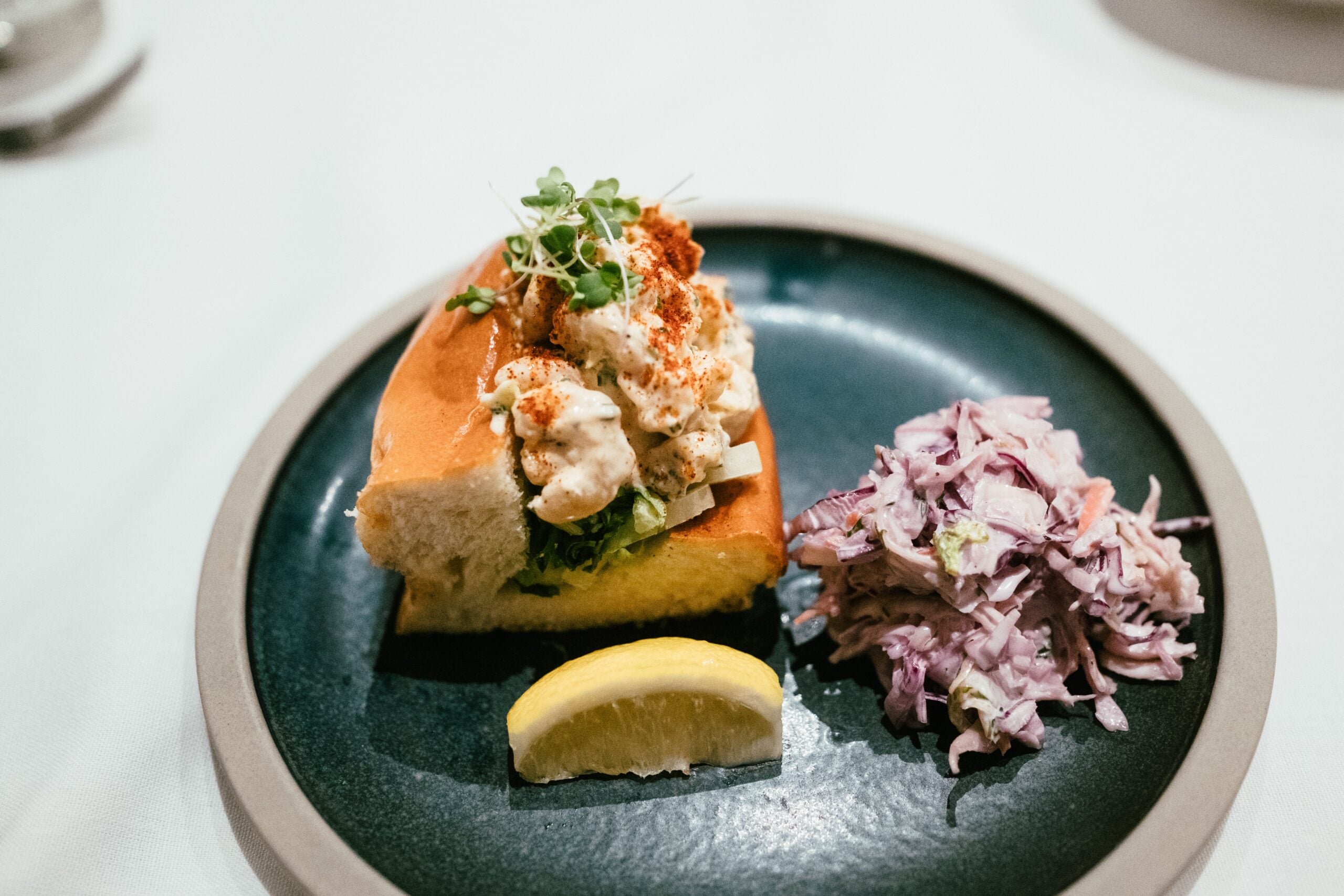
The easy stereotype is that Nova Scotia equals lobster rolls and chowder. Those dishes matter, but they only tell part of the story. The province's best kitchens treat seafood not as a cliché, but as a platform for precision, restraint, and strong technique.
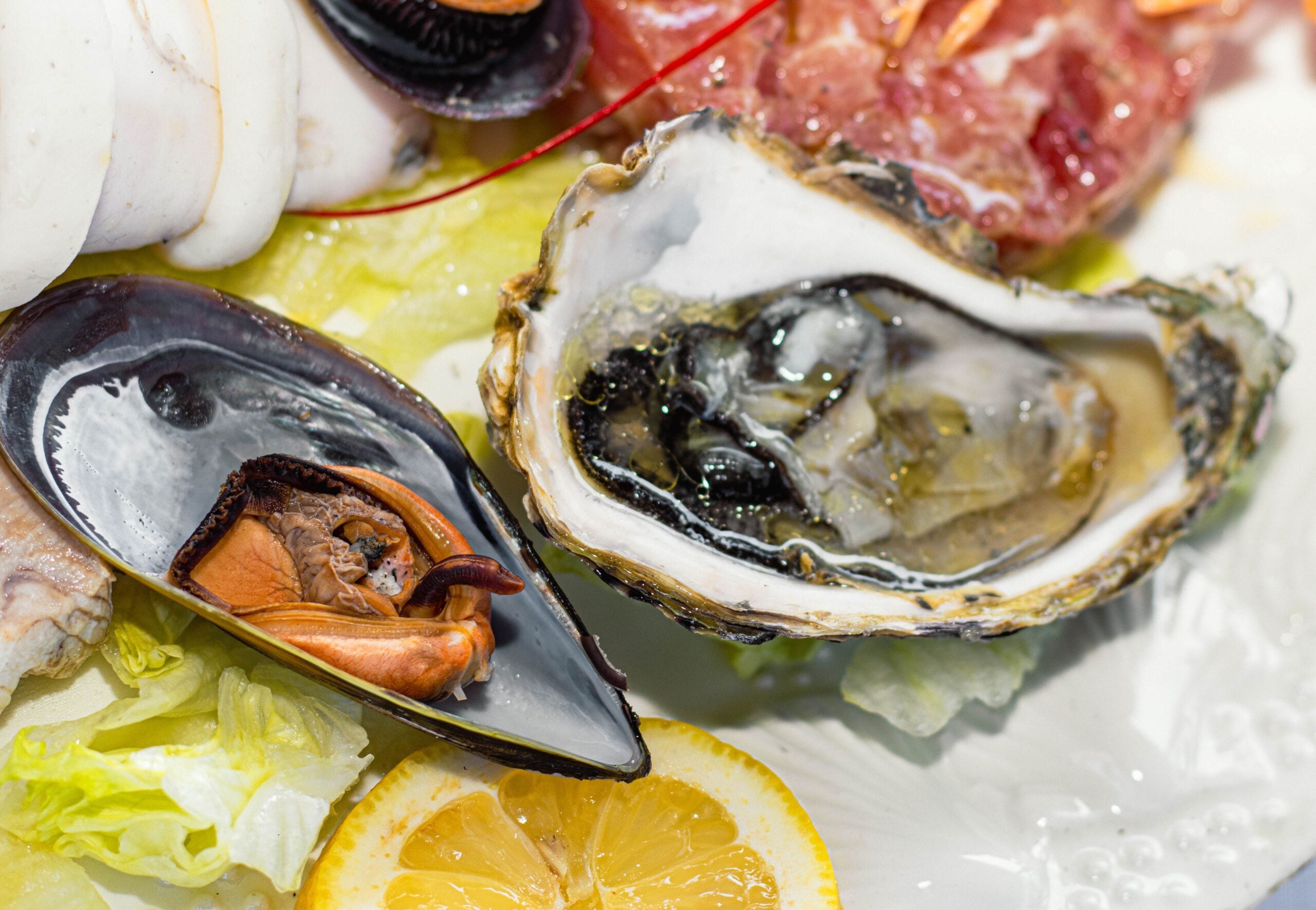
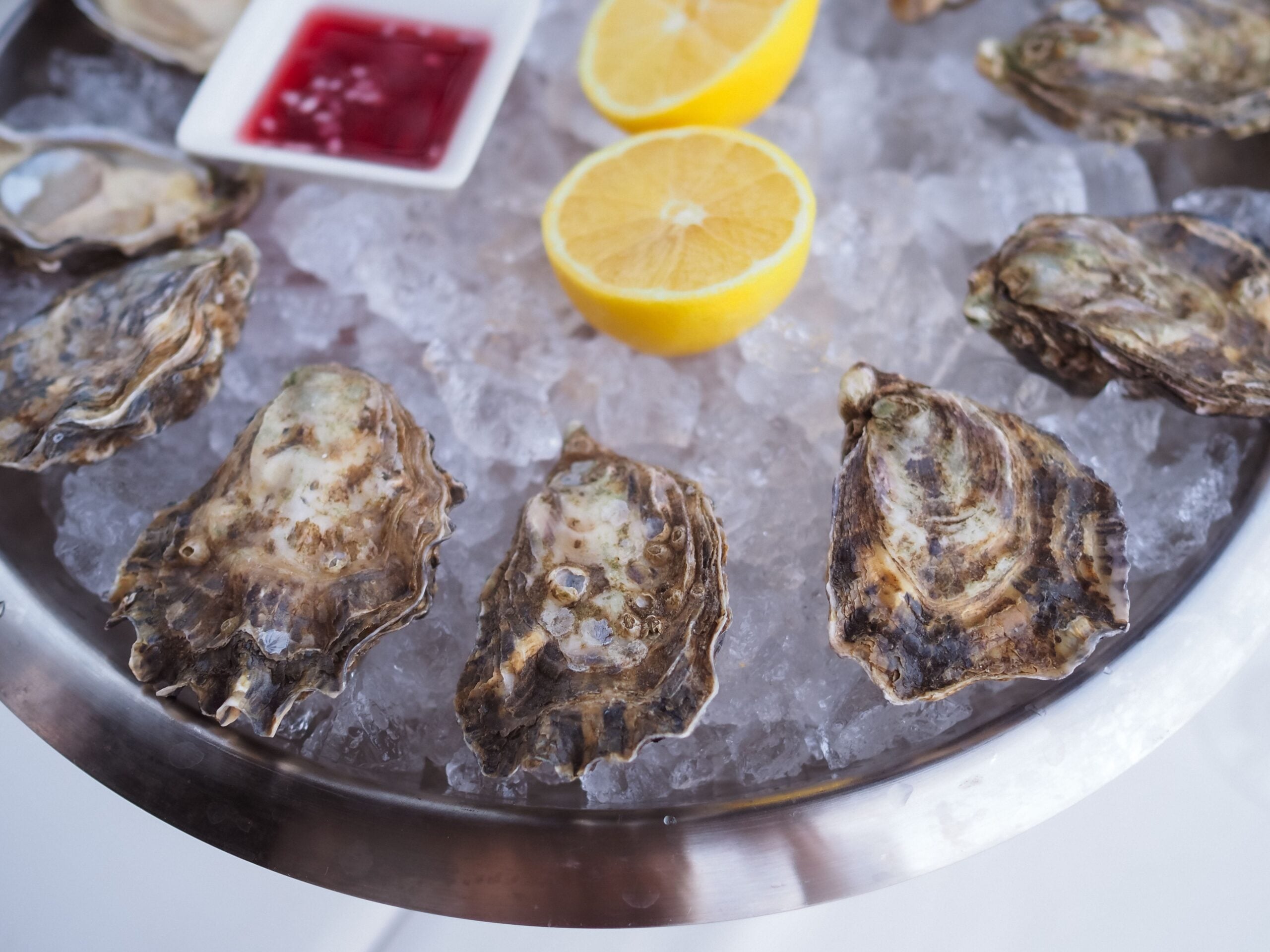
Digby scallops are one of the clearest examples. Harvested from the Bay of Fundy region, they are prized for sweetness and texture, and they appear in everything from simple pan-seared plates to refined tasting menus. Oysters from different inlets and estuaries also show real variation, much like wine reflects terroir.
Smoked fish, salt cod traditions, fish cakes, and mussels reveal how older foodways still shape modern menus. Rather than abandoning local staples, many chefs refine them. That creates a dining culture that feels authentic instead of imported, which is often the difference between a good food scene and a memorable one.
A food culture shaped by many communities

One reason Nova Scotia feels richer than outsiders expect is the number of cultural influences behind its cuisine. Mi'kmaq food knowledge, Acadian traditions, African Nova Scotian culinary history, and waves of Scottish, Irish, and Lebanese influence all contribute to what ends up on the table.
That diversity appears in both home cooking and restaurant menus. You can see it in rappie pie, oatcakes, donair culture in Halifax, seafood stews, and dishes built around molasses, wild berries, and preserved ingredients. These are not random regional quirks. They are markers of a layered food history.
Halifax's donair is a particularly telling example. It may not fit a classic fine-dining narrative, but it is a beloved local institution and one of Canada's most recognizable regional street foods. A truly great food province is not just elegant. It also has dishes people crave at midnight.
The restaurant scene is stronger than many expect
A province earns its food reputation not only through ingredients, but through what cooks do with them. Nova Scotia has spent years developing a restaurant culture that is more confident and more polished than many visitors anticipate. Halifax, in particular, has become a serious dining city.
Chefs in the province often work close to suppliers, fishers, foragers, and winemakers. That relationship encourages menus built around seasonality rather than trend chasing. The result is food that tastes specific to the region, whether it appears in a small oyster bar, a neighborhood bistro, or a high-end tasting room.
National recognition has followed, even if quietly. Canadian dining awards and travel publications increasingly mention Halifax restaurants and Maritime producers, and that attention is deserved. What still keeps Nova Scotia underrated is scale. Its excellence is real, but it remains less publicized than the country's biggest media markets.
Wine, cider, and local products strengthen the case

Great food regions rarely succeed on restaurants alone. They need strong producers, and Nova Scotia has them. The Annapolis Valley has become an important cool-climate wine region, especially for sparkling wine, with producers earning praise for crisp acidity and balance shaped by the province's maritime conditions.
Cider is another strength. With deep apple-growing roots, Nova Scotia has been able to turn orchard fruit into a modern craft beverage success story. That matters because drinks culture expands the dining experience and gives visitors another reason to explore beyond one signature meal.
Farm markets, cheesemakers, bakers, and distillers also help complete the picture. When a province can offer excellent shellfish, strong produce, respected wines, and serious small-batch products, it stops looking like a niche destination. It starts looking like a fully developed food region that people have simply underestimated.
So, is Nova Scotia really the most underrated?
There is a strong case that it is. Other provinces, including Manitoba and New Brunswick, can also claim they deserve more food recognition. But Nova Scotia combines several advantages at once: iconic ingredients, historical depth, talented chefs, and a dining culture that feels local rather than manufactured.
It also benefits from coherence. The seafood, farming, beverages, and cultural traditions all connect in a way that makes the province's food scene easy to understand and enjoyable to explore. You are not chasing isolated standout restaurants. You are experiencing a complete regional identity.
That is why so many Canadians point to Nova Scotia in this conversation. It may not be the loudest food province, but it consistently delivers substance, character, and surprise. In a country full of worthy contenders, that combination makes it the most convincing underrated choice.


Leave a Reply