
Food advice often turns simple ingredients into villains. In reality, many foods Canadians are told to fear are perfectly reasonable when you look at the evidence instead of the hype.
Eggs
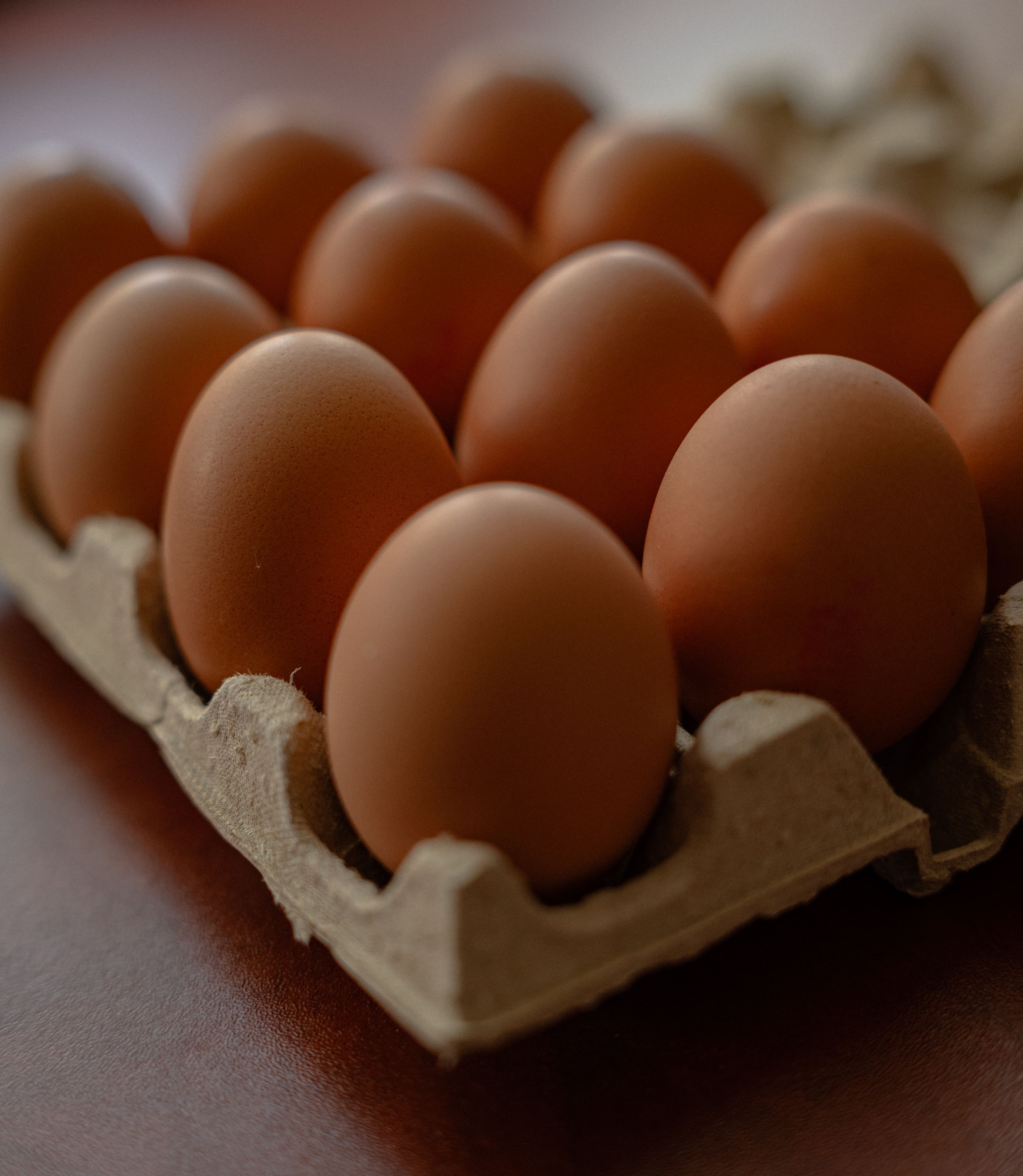
Few foods have had a reputation roller coaster quite like eggs. For years, Canadians were told to be careful because egg yolks contain cholesterol, and dietary cholesterol was widely blamed for raising blood cholesterol.
Current nutrition science is much more nuanced. For most healthy people, eating eggs has only a modest effect on blood cholesterol compared with the bigger influence of saturated fat, overall diet quality, exercise, and genetics. Heart and Stroke guidance has increasingly reflected this broader view by focusing on eating patterns rather than singling out eggs as a universal problem.
Eggs are also genuinely nutrient-dense. They provide high-quality protein, vitamin B12, selenium, choline, and lutein, which supports eye health. For older adults, active people, and anyone trying to build a satisfying breakfast, eggs can help with fullness and muscle maintenance.
The catch is not usually the egg itself. It is how people serve it. A couple of poached or boiled eggs with whole grain toast and fruit is very different from eggs paired daily with processed meats, refined breads, and large amounts of butter.
Potatoes
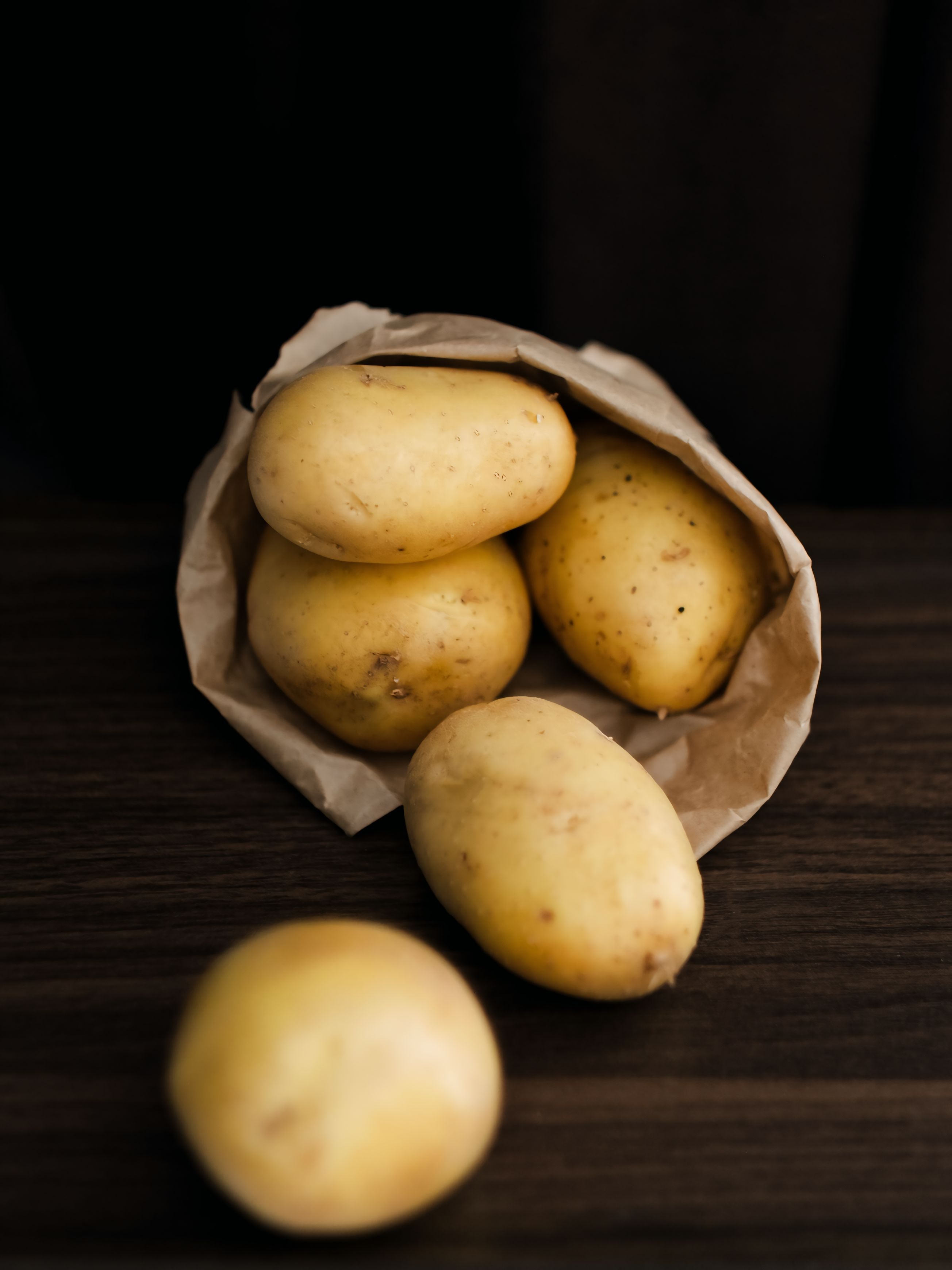
Potatoes are often dismissed as empty carbs, which is one of the most persistent nutrition myths in Canada. The truth is that plain potatoes are not junk food, and they never were.
A baked or boiled potato supplies potassium, vitamin C, fibre when the skin is left on, and a satisfying source of carbohydrate. Potassium matters because many Canadians do not get enough of it, and it plays a major role in blood pressure regulation. Potatoes are also naturally fat-free before toppings and frying enter the picture.
The problem is that potatoes are usually judged by their most processed versions. Fries, poutine, and heavily loaded mashed potatoes are rich, salty, and easy to overeat. That does not mean the underlying food is unhealthy.
Portion and preparation make the difference. Roasted potatoes with olive oil, herbs, and vegetables can be part of a balanced dinner just as easily as rice or pasta. Athletes and physically active people often use potatoes as an efficient recovery carbohydrate for good reason.
Pasta
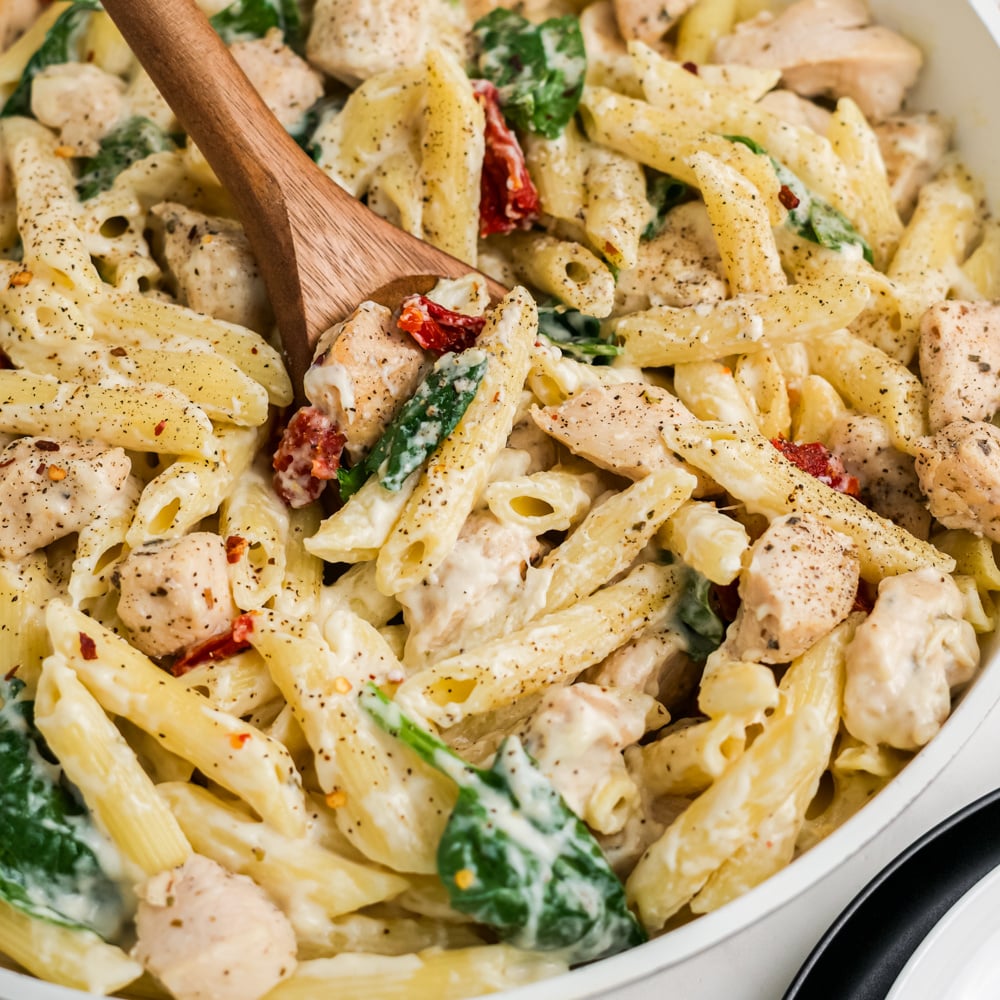
Pasta has become a symbol of what many people think they should avoid if they want to eat well. Yet pasta itself is far less problematic than its reputation suggests.
Cooked pasta is a simple staple made mainly from durum wheat, and it can fit into a healthy eating pattern without much trouble. In moderate portions, it offers energy, some protein, and in whole wheat versions, more fibre and minerals. Research on traditional Mediterranean-style eating patterns shows that pasta can coexist with strong heart health outcomes when the overall diet is sound.
What usually changes the nutritional picture is the company pasta keeps. Giant restaurant portions, creamy sauces, excess cheese, and garlic bread can turn a normal meal into a calorie-heavy one very quickly.
A more balanced approach is easy. Pair pasta with tomato sauce, legumes, seafood, or vegetables, and treat it as one component of the plate rather than the entire event. Canadians do not need to fear pasta. They need to rethink portions and add-ons.
Frozen Vegetables

The freezer aisle still carries an unfair stigma, as though frozen produce is automatically second-rate. In fact, frozen vegetables are often an excellent choice, especially in Canadian winters when fresh produce may travel long distances.
Vegetables destined for freezing are typically picked close to peak ripeness and processed quickly, which helps preserve nutrients. Some studies have found frozen produce can match or even exceed the vitamin content of "fresh" items that sit in storage and transit for extended periods.
Frozen vegetables also solve a practical problem. They reduce food waste, cost less outside peak season, and let people use exactly what they need. That makes it easier for busy households to eat more vegetables consistently.
There are still smart buying habits to follow. Plain frozen broccoli, peas, spinach, and mixed vegetables are usually the best bets. Packages with rich sauces, heavy sodium, or breading are less impressive nutritionally, but the basic frozen vegetable itself deserves far more respect than it gets.
Canned Beans

Canned beans are sometimes treated like a compromise food, useful only if you cannot cook dried beans from scratch. That view ignores how nutritious and practical they really are.
Beans are rich in fibre, plant protein, folate, iron, magnesium, and compounds linked to improved heart and metabolic health. Diets that include pulses regularly are associated with better cholesterol levels and improved fullness, which can help with weight management over time.
The main concern people raise is sodium. That is fair, because some canned beans are heavily salted. But rinsing and draining can remove a meaningful amount of sodium, and low-sodium versions are widely available in Canadian grocery stores.
Convenience matters in nutrition because habits have to be realistic. If canned chickpeas help someone make a quick salad or canned black beans make tacos more balanced on a weeknight, that is a win. Nutritious foods do not need to be labor-intensive to count.
Peanut Butter
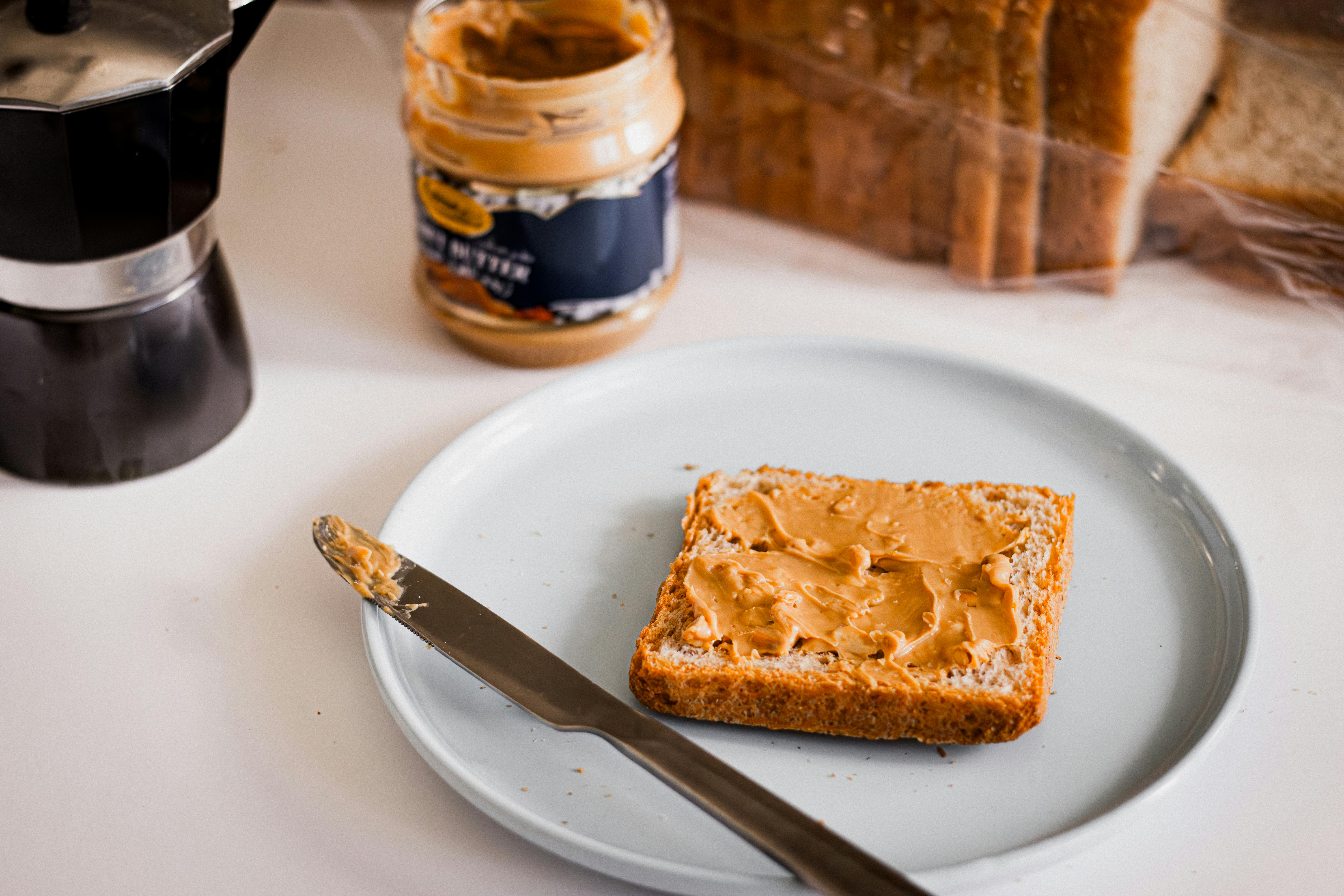
Peanut butter often gets flagged as too fatty or too calorie-dense. That criticism misses the bigger picture and confuses energy density with poor nutrition.
Peanut butter contains mostly unsaturated fats, along with protein, vitamin E, magnesium, and a satisfying texture that helps many people feel full. When spread in a sensible amount on toast, stirred into oatmeal, or paired with apple slices, it can support a balanced meal or snack.
The real issue is product quality and portion awareness. Some peanut butters are loaded with added sugar, hydrogenated oils, or excess salt, which can make them less appealing as an everyday choice. Natural peanut butter with minimal ingredients is usually the better option.
Calories do matter, but context matters more. Foods that are filling can help prevent constant snacking on less nutritious options. For children, athletes, and busy adults, peanut butter can be one of the most practical pantry staples available.
Coffee

Coffee gets blamed for all sorts of health problems, yet moderate coffee drinking is not the menace it is often made out to be. For many adults, it can fit comfortably into a healthy lifestyle.
Large reviews have linked moderate coffee intake with a lower risk of several chronic diseases, including type 2 diabetes and certain liver conditions. Coffee also provides antioxidants, and for many people it improves alertness, concentration, and exercise performance.
That said, coffee is not harmless in every amount for every person. Some people are sensitive to caffeine, and pregnant Canadians are commonly advised to keep intake within recommended limits. Sleep quality, anxiety, and heart rhythm issues can also affect how well someone tolerates it.
Usually, the bigger nutritional problem is what gets poured into the cup. A plain coffee or one with a modest amount of milk is very different from a sugary, dessert-style drink. Often, it is the extras, not the coffee, that deserve caution.
Bread

Bread has become an easy target in the age of low-carb eating. But treating all bread as unhealthy ignores major differences in ingredients, fibre content, and how bread functions in a normal diet.
Whole grain and whole wheat breads can contribute fibre, B vitamins, iron, and lasting energy. In a country where many people fall short on fibre, bread can actually help fill an important nutritional gap. It is also one of the simplest ways to build affordable meals.
Problems arise when people equate bread with highly processed white loaves, oversized sandwiches, or pastries that are really desserts in disguise. Those foods are not the full story. Quality and quantity matter.
A couple of slices of hearty whole grain bread with soup, eggs, or nut butter is not nutritionally reckless. It is practical and satisfying. For active people, growing children, and anyone needing convenient fuel, bread remains a useful staple rather than a food to fear.
Popcorn

Popcorn has an image problem because people associate it with movie theatres and oversized tubs drenched in butter-flavoured topping. Strip all that away, and popcorn looks very different.
Plain air-popped popcorn is a whole grain, which means it contains fibre and can be surprisingly filling for relatively few calories. That makes it a smart snack for people who want crunch and volume without automatically reaching for chips or sweets.
It can also be tailored easily. A little olive oil, herbs, nutritional yeast, or a light sprinkle of salt can make popcorn enjoyable without turning it into a nutritional disaster. This flexibility is part of why dietitians often recommend it as a better snack alternative.
Microwave versions vary widely, so labels matter. Some are high in sodium and saturated fat, while others are quite reasonable. The lesson is simple: popcorn itself is fine. What gets added determines whether it stays that way.
Chocolate
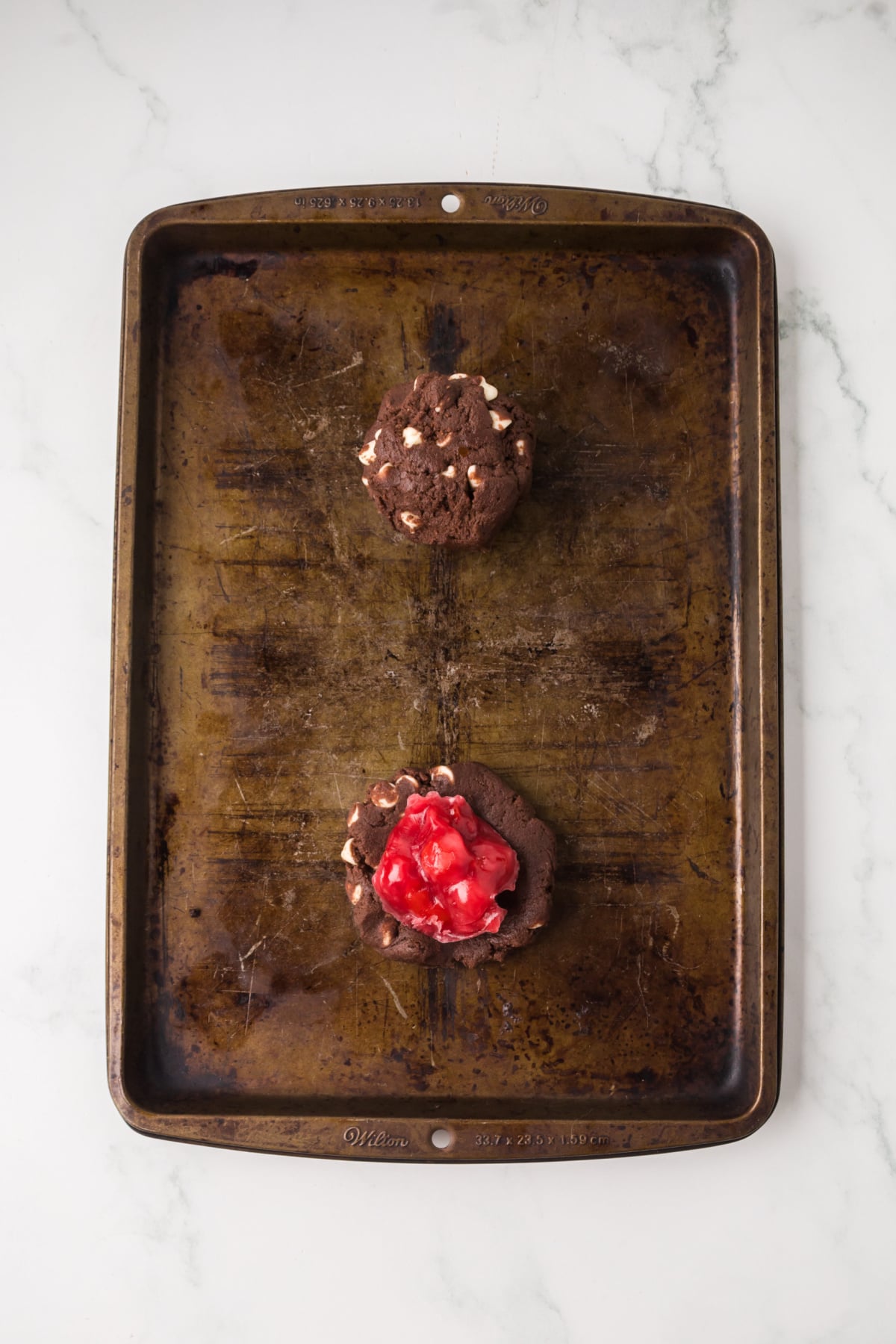
Chocolate is often framed as a guilty pleasure that healthy eaters should avoid. That is far too simplistic, especially when talking about dark chocolate in modest portions.
Cocoa contains flavanols, plant compounds that have been studied for potential cardiovascular benefits, including support for blood vessel function. While chocolate is not a health food in the same way as berries or beans, evidence suggests it does not need to be banished from a good diet.
The practical issue is portion size and product type. Milk chocolate and candy bars with caramel, nougat, and other extras can bring a lot of sugar and saturated fat. A small square or two of darker chocolate is a different choice entirely.
There is also value in sustainability and enjoyment. Eating patterns that allow room for pleasure are often easier to maintain long term. When Canadians stop viewing every treat as a moral failure, they usually make calmer, better decisions around food.




Leave a Reply