
The grocery run has become a cross-border calculation. For many Canadians living near the United States, the savings on milk, produce, snacks, and household basics can be big enough to justify the drive.
Sticker shock starts with the weekly grocery bill

What surprises shoppers most is not luxury food. It is the price of ordinary staples that appear nearly identical on both sides of the border. A family comparing cereal, yogurt, berries, cheese, chicken, and paper products can quickly find a meaningful gap, especially in border states where large U.S. chains compete hard on price.
That contrast has become more visible during the broader cost-of-living squeeze. Food inflation in Canada has cooled from its peak, but many prices stayed elevated after several years of sharp increases. Once higher shelf prices become normal, even modest differences feel significant because households are comparing against what they used to pay, not just what they pay now.
Retail analysts often point to basket economics. Saving a dollar here and two dollars there sounds small until it is repeated across 30 or 40 items. Add in bulk promotions, aggressive coupons, and lower prices on packaged goods, and a single trip can save enough to change shopping habits.
The price gap is about more than the exchange rate

The Canadian dollar matters, but it does not explain everything. A weaker loonie makes U.S. purchases more expensive in theory, yet many Canadians still find lower final prices after currency conversion. That tells you the gap is being driven by deeper structural forces inside the grocery business.
One major factor is market size. The United States has a much larger consumer base, more regional suppliers, and greater purchasing power at chain level. That scale helps spread logistics and overhead costs across more stores and more units, which can reduce per-item pricing on everything from canned soup to frozen vegetables.
Competition also looks different. Canada's grocery sector is concentrated among a small number of dominant players, while many U.S. markets feature fierce rivalry among warehouse clubs, discount chains, supercenters, and conventional grocers. More rivals often means more promotions, sharper loss leaders, and stronger pressure to win shoppers on everyday price.
Supply management and regulation shape what Canadians pay
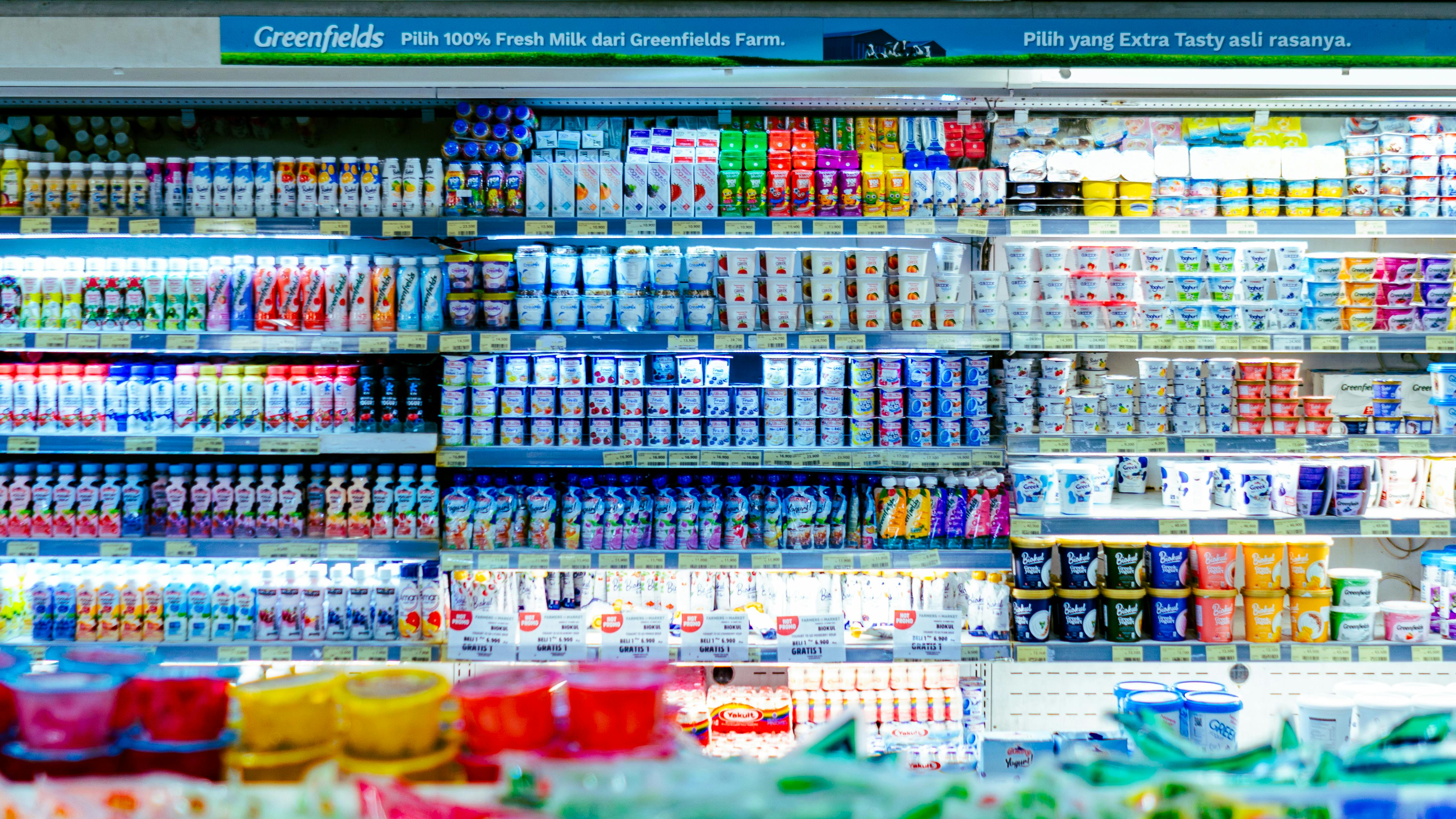
Some of the largest price differences show up in dairy, eggs, and poultry, and that is not an accident. Canada's supply management system is designed to stabilize farm income and domestic production through quotas and import controls. Supporters say it protects Canadian farmers from volatile global markets and preserves food security in key sectors.
The trade-off is higher consumer prices in many categories. Studies from policy institutes and economists have long found that protected sectors tend to cost more at retail than comparable products in less restricted markets. For shoppers near the border, the difference becomes especially obvious when they compare cheese, butter, yogurt, and chicken sold only a short drive apart.
Regulation extends beyond farm policy. Packaging rules, bilingual labeling, transportation standards, labor costs, and provincial distribution requirements can all add expense within the Canadian system. None of these factors alone explains the whole bill, but together they create a cost base that retailers eventually pass on to consumers.
Taxes, fees, and operating costs add up fast

Another reason the same cart can cost more in Canada is that stores operate in a more expensive environment. Commercial rents, utilities, wages, refrigeration, fuel, and interprovincial shipping all affect shelf prices. In a country with long distances and a smaller population spread across vast geography, distribution is rarely cheap.
Taxes matter too, even if they do not hit every grocery item equally. Basic groceries in Canada are generally zero-rated for GST or HST, but many prepared foods, snacks, beverages, and household goods are taxed. A cross-border shopper filling a mixed cart is often comparing not just shelf tags, but the all-in total at checkout.
Then there are supplier fees and merchandising practices. Industry debates in recent years have focused on the charges large grocers can impose on brands for shelf placement, logistics adjustments, and promotions. When manufacturers face higher costs to access store networks, those expenses can eventually show up in retail pricing.
Why the trip still makes sense for some households

At first glance, driving across the border for groceries sounds inefficient. Fuel, bridge tolls, parking, time, and currency conversion all reduce the benefit. Yet for households living close to crossings in places such as Windsor, Niagara, Surrey, or the Lower Mainland, the math can still work, especially when grocery shopping is combined with fuel, pharmacy, or general retail purchases.
The most consistent savers tend to be strategic shoppers. They buy non-perishables in volume, focus on high-gap categories, use U.S. loyalty apps, and avoid impulse buys. Families with children often notice the largest savings because they consume more milk, cereal, snacks, lunch items, and household basics every week.
There are limits, of course. Customs rules, personal exemption thresholds, and declarations still matter. Meat, produce, alcohol, and dairy can face restrictions depending on origin and quantity. Even so, the persistence of these trips shows that many consumers believe the savings are real enough to outweigh the hassle.
What cross-border grocery shopping says about Canada's food economy

This trend is not really about bargain hunting alone. It is a public signal that many Canadians believe domestic grocery prices are out of step with what similar goods should cost. When shoppers are willing to spend time and fuel to buy the same brands elsewhere, they are effectively voting against the pricing structure at home.
That has wider implications for policymakers and the grocery industry. Governments can pressure chains on competition and transparency, but structural issues such as supply management, transportation costs, and market concentration are harder to change. There is no single switch that brings prices down quickly across the board.
Still, consumer behavior sends a message with unusual clarity. Canadians are not crossing the border for novelty. They are crossing for arithmetic. Until domestic shoppers see stronger competition, better productivity, and more convincing price relief on everyday essentials, that arithmetic will keep sending some of them south.




Leave a Reply