
For years, processed food has been treated as the villain of modern eating. A large new study suggests the bigger issue may be the quality of the overall diet.
Why this study is getting attention

Researchers from the Harvard T.H. Chan School of Public Health analyzed data from more than 200,000 adults followed over several decades. That size and duration make the findings especially notable in nutrition research, where long-term patterns matter more than a single meal or short diet trend.
The study set out to separate two ideas that are often blurred together: how processed a food is and how nutritious it is. Many foods labeled ultra-processed are high in sugar, sodium, and unhealthy fats, but not every processed product fits that profile.
That distinction matters because public advice has increasingly leaned on processing categories alone. According to the researchers, a food's nutrient content and its role in an overall eating pattern may tell us more about health risk than processing labels by themselves.
What the researchers actually found

Across the study period, some participants developed heart disease or type 2 diabetes, and some died from various causes. People whose diets ranked as high quality consistently had lower risks of these outcomes than people whose diets ranked poorly.
The striking result was that processing level appeared to make far less difference within each diet-quality group. In other words, a healthy diet remained associated with better outcomes even when it included some ultra-processed items.
The reverse was also true. An unhealthy diet stayed linked with higher health risks even when many of its foods were minimally processed, showing that "natural" or homemade is not automatically the same as nutritious.
Why food quality may matter more
Nutrition works cumulatively. A diet rich in fiber, unsaturated fats, vitamins, minerals, and plant compounds supports blood sugar control, cholesterol balance, blood pressure, and inflammation, all of which influence long-term disease risk.
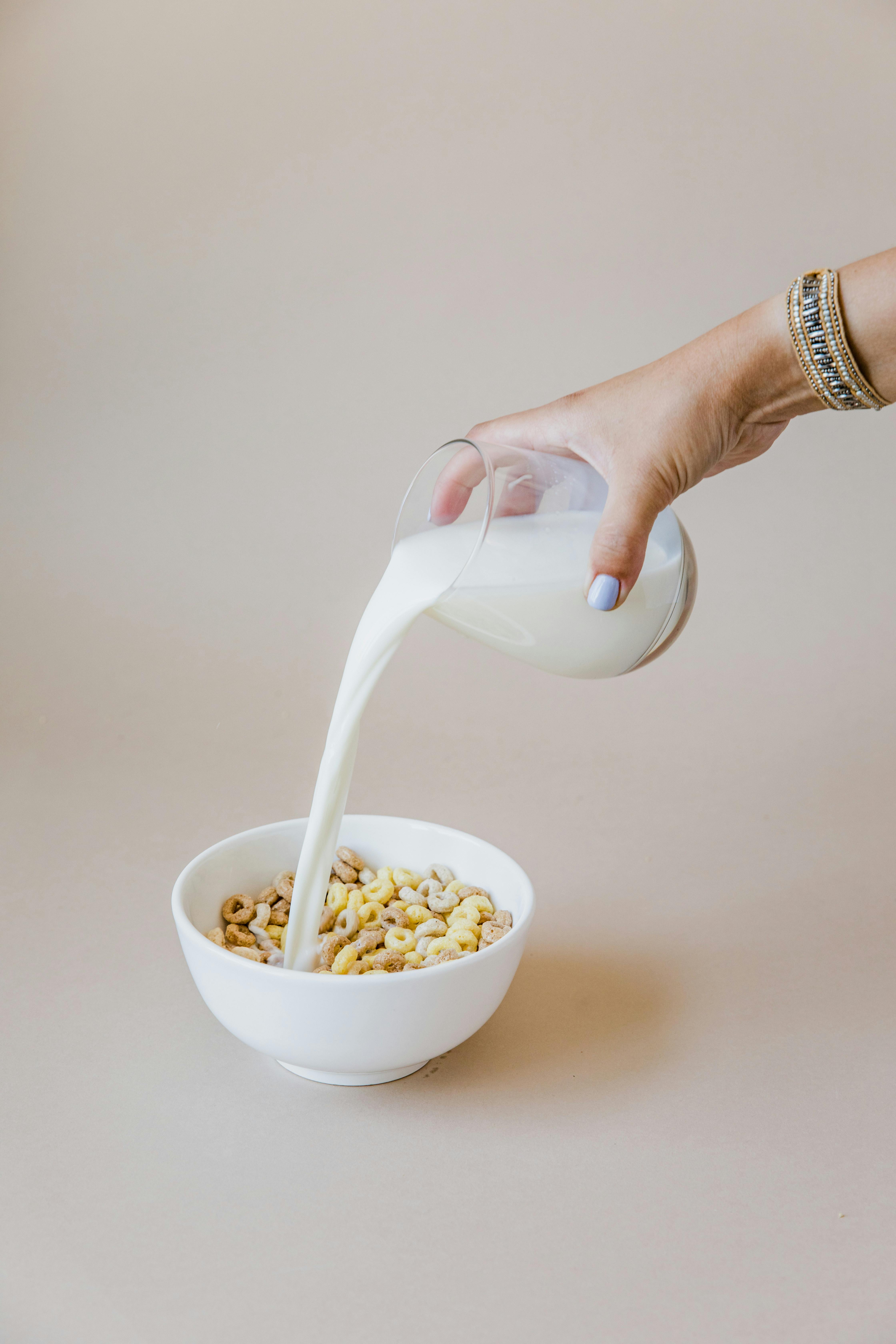
That helps explain why foods such as whole-grain breakfast cereals, fortified plant milks, canned beans, and whole-grain breads can still fit into a healthy diet. They may be processed, but they can also deliver nutrients many people struggle to get enough of.
By contrast, some minimally processed foods offer limited benefit if they are built around refined grains, added sugars, or excess saturated fat. A homemade dessert or white bread may sound less industrial, yet still contribute to a lower-quality dietary pattern.
What this means for everyday eating

The practical message is not that processing no longer matters. Highly engineered snack foods and sugary drinks are still easy to overconsume, and many are nutritionally weak.
But the study suggests people may do better by asking a more useful question: What does this food contribute? If it adds fiber, protein, healthy fats, or important micronutrients, it may deserve a place in the diet even if it comes in a package.
For busy families, that is a realistic framework. Frozen vegetables, canned legumes, plain yogurt, fortified milk alternatives, and high-fiber breads can support health without requiring every meal to be cooked from scratch.
A challenge to how foods are classified

One reason the findings stand out is that they expose a weakness in broad food classification systems. Some systems place heavy weight on industrial processing, which can group very different foods under the same label.
That can create confusion. A sugary pastry made at home may be minimally processed, while a fortified whole-grain cereal may be called ultra-processed despite offering fiber, iron, and B vitamins.
Experts have long argued that context matters. Foods should be judged not only by how they are made, but by ingredient quality, nutrient density, portion size, and how they fit into a person's total diet over time.
Important limits and the bigger takeaway

Like many large nutrition studies, this was observational, meaning it can show associations but cannot prove cause and effect. The findings were also reported at a scientific meeting, so they should be viewed as preliminary until full peer review is complete.
Even so, the results align with decades of evidence supporting dietary patterns centered on vegetables, fruits, legumes, whole grains, nuts, and healthy plant oils. Those foods repeatedly show benefits for heart and metabolic health.
The broader takeaway is clear. Instead of fearing every processed product, people may benefit more from building a diet around nutrient-rich foods and using processing level as one factor, not the only one, in deciding what belongs on the plate.




Leave a Reply