
A trip to the supermarket feels different now. The total climbs faster, while the cart looks noticeably lighter.
A $100 Grocery Budget Does Not Stretch Like It Used To
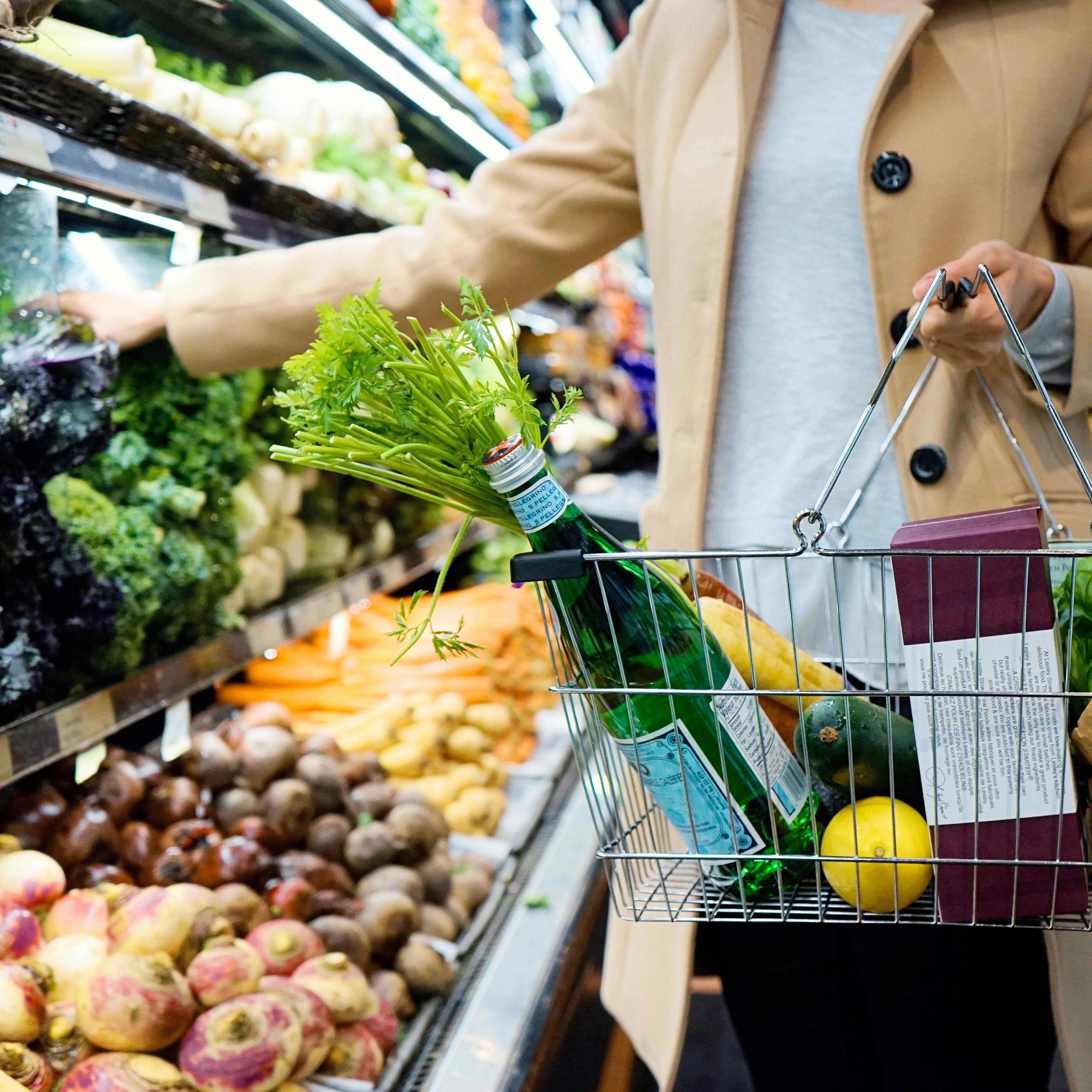
New analysis based on NielsenIQ pricing data shows how sharply food inflation has changed the math of a routine grocery run. A $100 bill that once covered a reasonably full basket of everyday staples now often covers only two small bags, with far fewer items inside.
In 2019, shoppers could buy about 32 common grocery items for roughly $100. Today, that same mix would force many households to put back at least 10 products just to stay near budget. That is a striking loss of buying power in only five years.
The shift is not just a feeling at checkout. It reflects a measurable erosion of household purchasing power, with grocery inflation eating away at budgets even after headline inflation cooled from its 2022 peak.
The Biggest Price Jumps Are Hitting Everyday Essentials
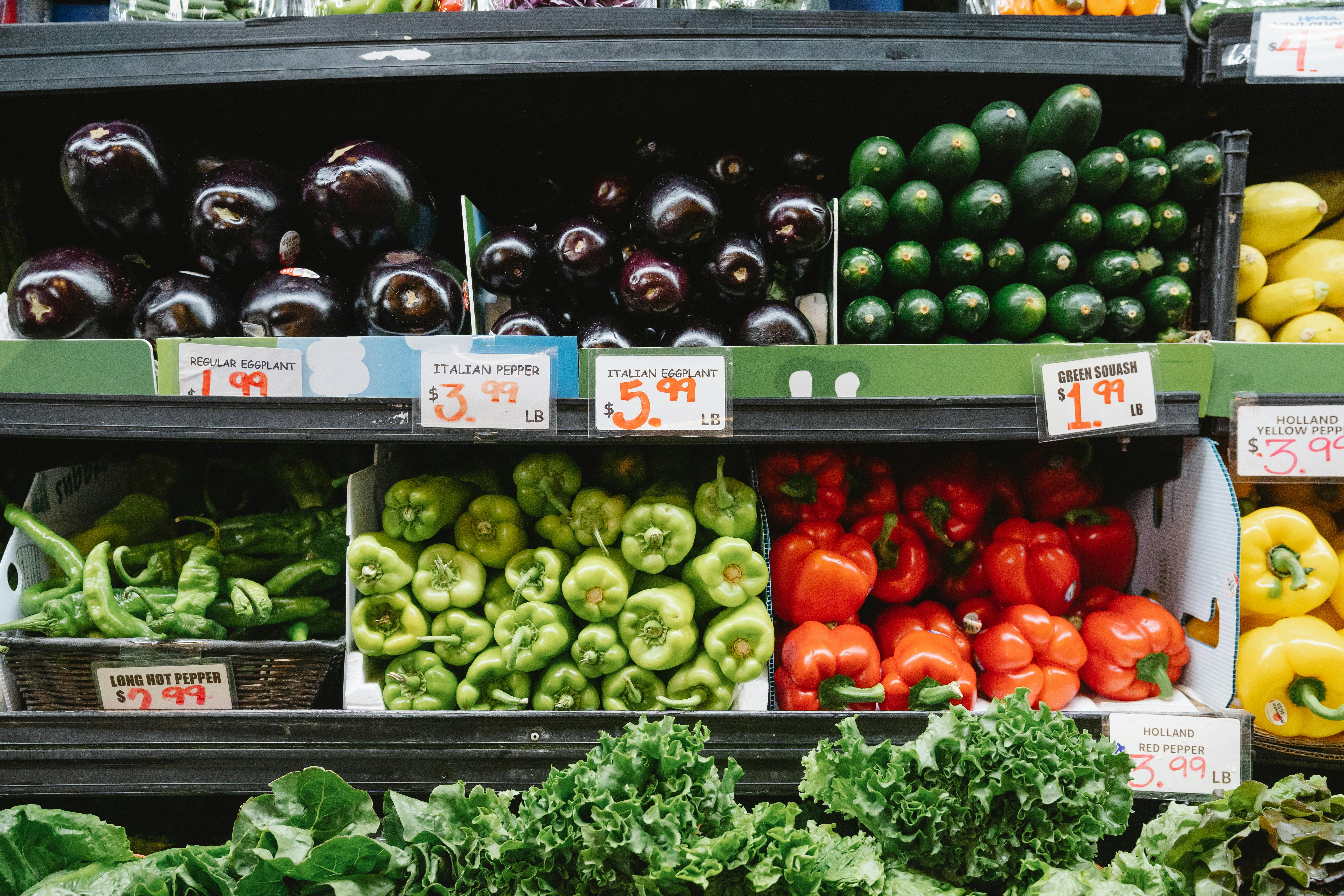
Some of the steepest increases have come from products shoppers buy again and again. NielsenIQ figures show laundry detergent rose by $2.83 on average, reaching $10.66, while toilet paper climbed $2.67 to about $9.75. Eggs, one of the most watched inflation items, increased by $1.48 to $3.84.
Other pantry basics also moved sharply higher. Peanut butter rose by $1.04, and jam increased by $1.12. These are not luxury goods or occasional treats. They are routine purchases that quietly raise the total bill week after week.
In practical terms, higher prices on basics have an outsized impact. When necessities consume more of the budget, shoppers have less room for snacks, beverages, convenience foods, or healthier add-ons like fresh fruit and specialty milk alternatives.
Why Grocery Bills Still Feel High Even As Inflation Has Slowed

Many consumers hear that inflation is lower and wonder why relief has not arrived in the aisles. The answer is simple: slower inflation does not mean lower prices. It only means prices are rising less quickly than before, and they are rising from a much higher base.
Annual inflation was 3.2 percent in February, according to federal data cited in reporting on the analysis. That is well below the 9.1 percent peak reached in June 2022, but still above the Federal Reserve's 2 percent target.
For households, cumulative increases matter more than monthly headlines. If staple goods jumped sharply over several years, budgets remain under pressure even if the pace of increases begins to cool.
What Shoppers Are Leaving Behind To Stay Under Budget
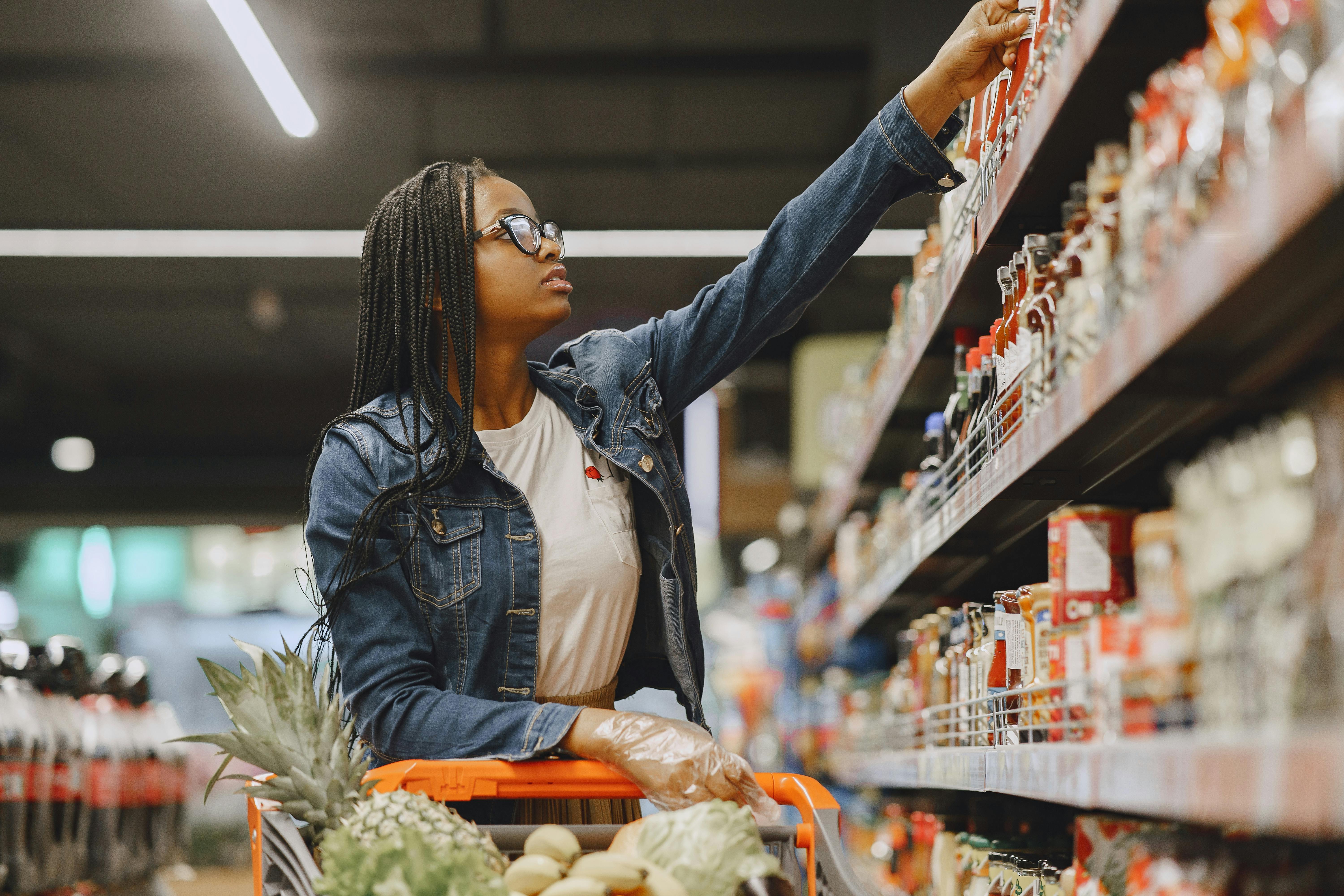
To keep a grocery trip near $100 today, shoppers often have to make visible tradeoffs. The analysis found that items such as bananas, oat milk, soda, chocolate, and crackers were among the products likely to be removed from the basket to control spending.
That pattern says a lot about how people adapt. Families are not only cutting treats. They are also trimming convenience and variety. A cart becomes less about preference and more about strict prioritization, with essentials winning over everything else.
Retail behavior supports the same story. Trader Joe's raised the price of a single banana from 19 cents to 23 cents, and Dollar Tree has expanded far beyond its old $1 identity, with price points reaching as high as $7 in some cases.
The Pressure Varies by State, but the Trend Is National

The grocery squeeze is not identical everywhere. Analysis of US Census data cited by HelpAdvisor found average household grocery spending reached about $1,190 per month in California, the highest in the country. Nevada, Mississippi, and Washington also ranked among the most expensive states.
At the lower end, Wisconsin households spent about $885.84 per month on groceries on average. Iowa and Nebraska were also among the least expensive states for food shopping. Even so, the gap between states does not change the broader national pattern.
Whether a family lives in a high-cost coastal market or a cheaper Midwestern state, grocery budgets are being forced to absorb years of elevated prices. Geography changes the degree of pain, not the direction of it.
What This Means for Household Budgets Going Forward
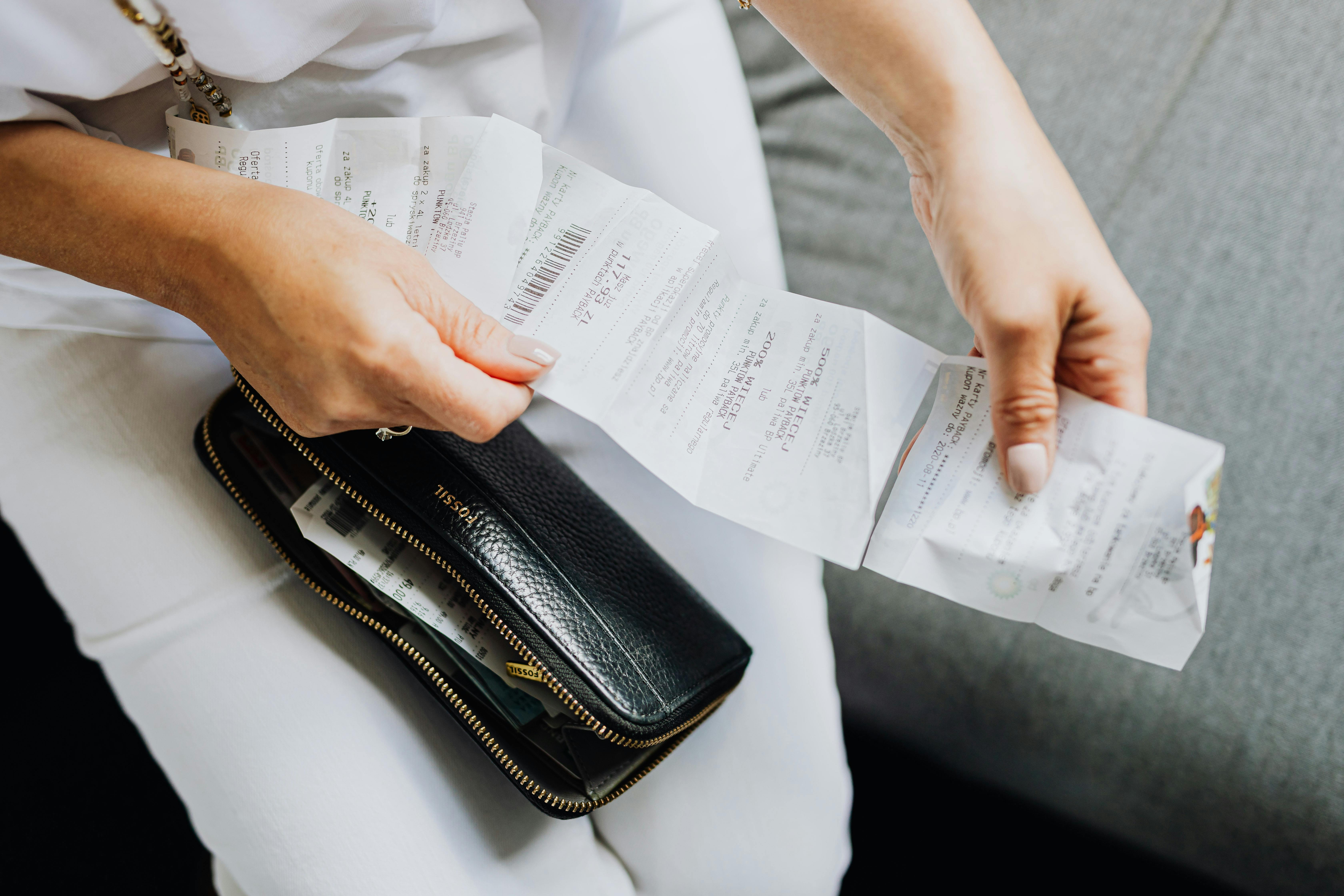
The average American household now spends about $1,080 a month on groceries, according to the reporting cited in the analysis. For many families, that leaves less money for rent, utilities, transportation, savings, and debt payments.
The deeper concern is that grocery inflation compounds quietly. A few extra dollars on detergent, eggs, bread, and paper products may not seem dramatic in isolation, but across a month they materially shrink financial flexibility. That is why shoppers so often feel poorer even when wages have risen.
Unless food prices stabilize more meaningfully or incomes grow faster than necessities, the two-small-bag grocery trip may remain a stubborn symbol of the post-inflation economy. For millions of Americans, $100 simply does not buy what it used to.




Leave a Reply