
Sandwich menus change with fashion, but some once-common classics have slipped so far from view that younger diners may never have met them at all. These 15 old-fashioned sandwiches were real stars in their day, and each one says something about thrift, travel, regional taste, or the way North American lunch habits used to work.
Tomato sandwich
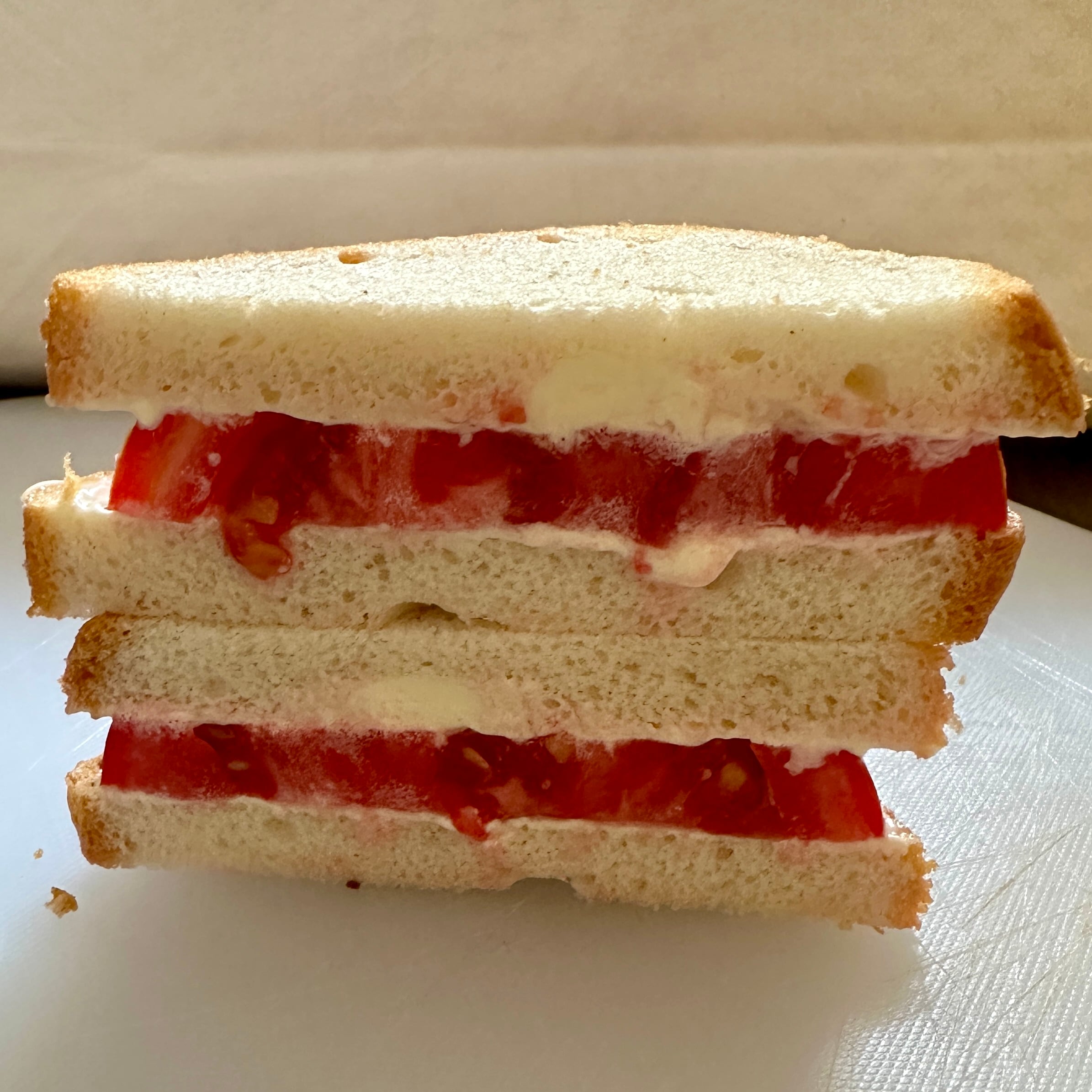
Nothing proves that simplicity can be seasonal quite like the tomato sandwich. In its best-known form, it is just soft white bread, sliced ripe tomatoes, mayonnaise, salt, and pepper, a combination long associated with summer home cooking in the American South and with home gardens more broadly.
Its near-disappearance from menus has a practical cause. Restaurants can serve tomato sandwiches year-round, but the sandwich only shines when tomatoes are truly ripe and flavourful. Out-of-season tomatoes often taste watery, which makes a stripped-down sandwich hard to justify beside bigger, flashier menu items.
That said, it survives in pockets because it is deeply photographable and deeply nostalgic. A good version also teaches a useful kitchen lesson. When ingredients are this minimal, bread texture, tomato variety, and a little resting time with salt matter more than any fancy spread.
Olive loaf sandwich
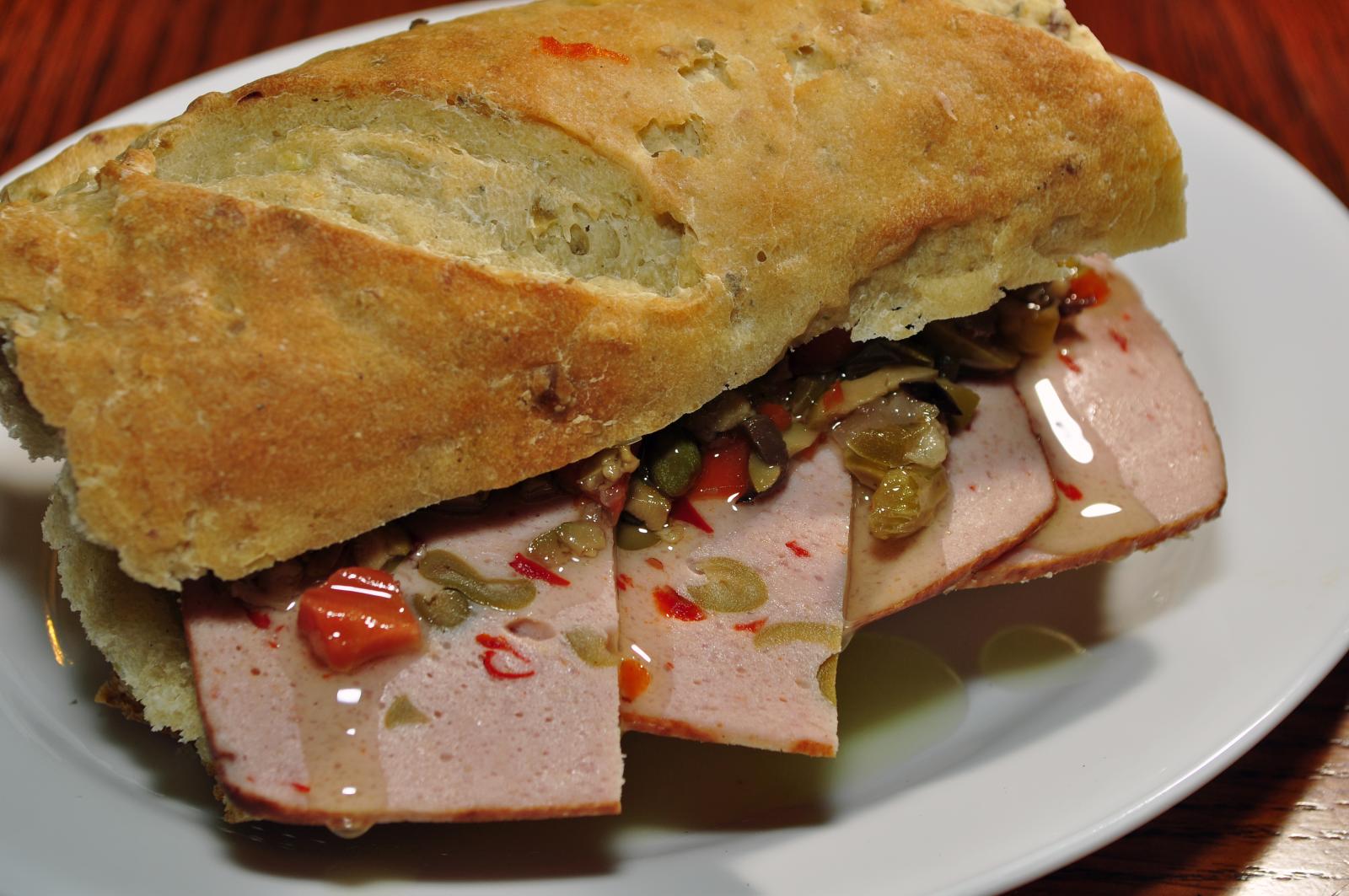
At mid-century lunch counters, processed deli meats had a prestige they do not always enjoy now, and olive loaf fit right into that world. This luncheon meat, usually made with pork or beef and studded with pimento-stuffed green olives, often appeared sliced thin on white bread with mustard or mayonnaise.
Today, the sandwich has largely retreated to old-school delis and home kitchens. One reason is taste drift. Modern menus often favour house-roasted turkey, cured Italian meats, or premium ham over emulsified deli loaves that read as more industrial than artisanal.
Still, olive loaf tells an important story about convenience foods. It belonged to an era when pre-sliced sandwich fillings signalled efficiency and modern living. For a gallery photo, those olive-studded slices instantly signal a very specific lunch-counter past, almost like edible wallpaper from the 1950s.
Pimento cheese sandwich
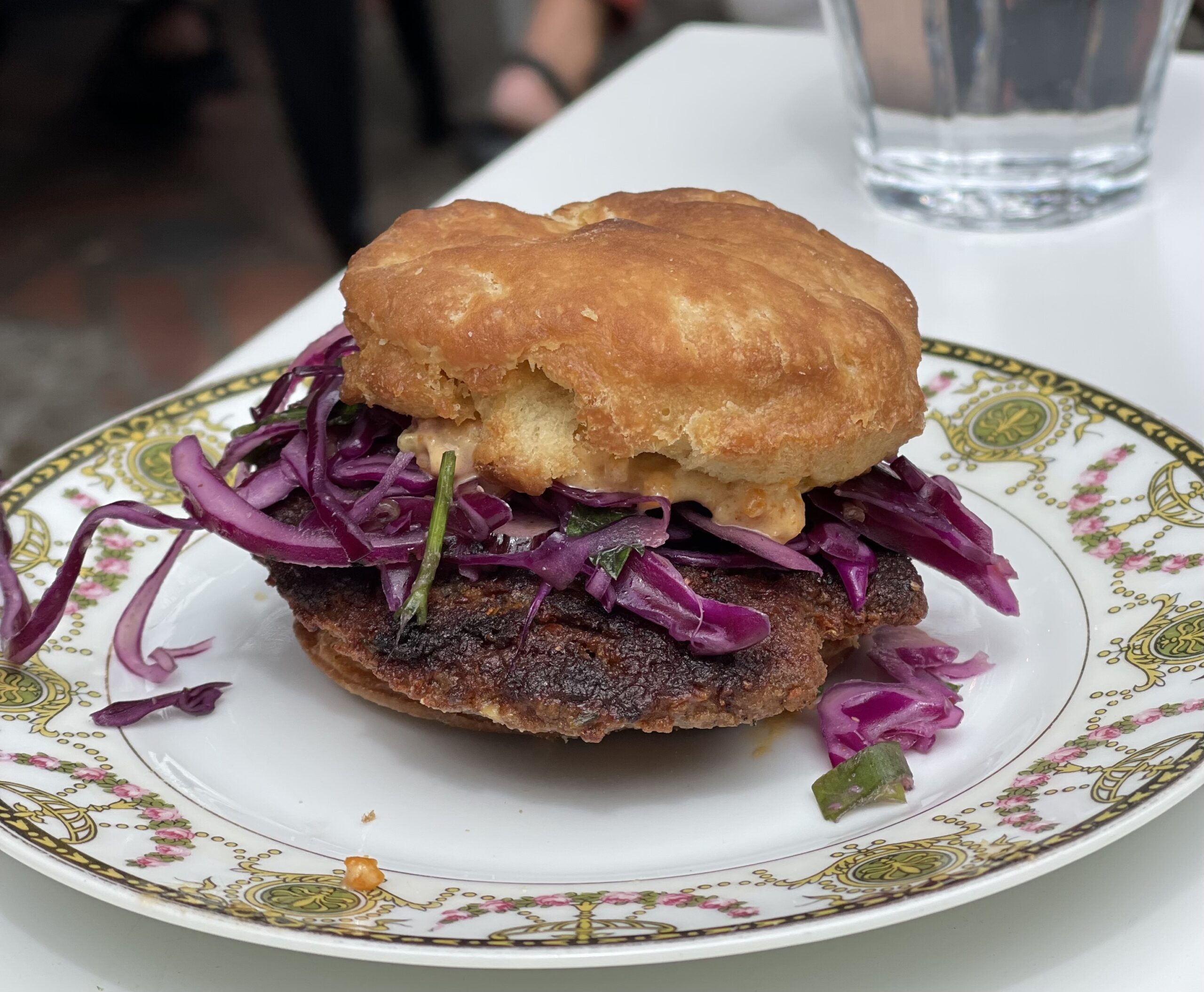
Some sandwiches vanished from mainstream menus while staying beloved in certain regions, and pimento cheese is a perfect example. The spread, commonly made from cheese, mayonnaise, and diced pimentos, has long been known as a Southern staple, served between slices of bread or as a tea sandwich filling.
It never fully disappeared, but it became more regional than universal. As national chain menus standardised offerings, many old lunch-counter sandwiches with strong local identities lost ground to turkey clubs, wraps, and chicken sandwiches that travelled more easily across markets.
Its staying power comes from adaptability. Pimento cheese can be smooth or chunky, sharp or mild, plain or spiced. That flexibility helps explain why it remains visible in parts of the South, even if it is no longer a routine sight on menus across Canada or the United States.
Cucumber tea sandwich
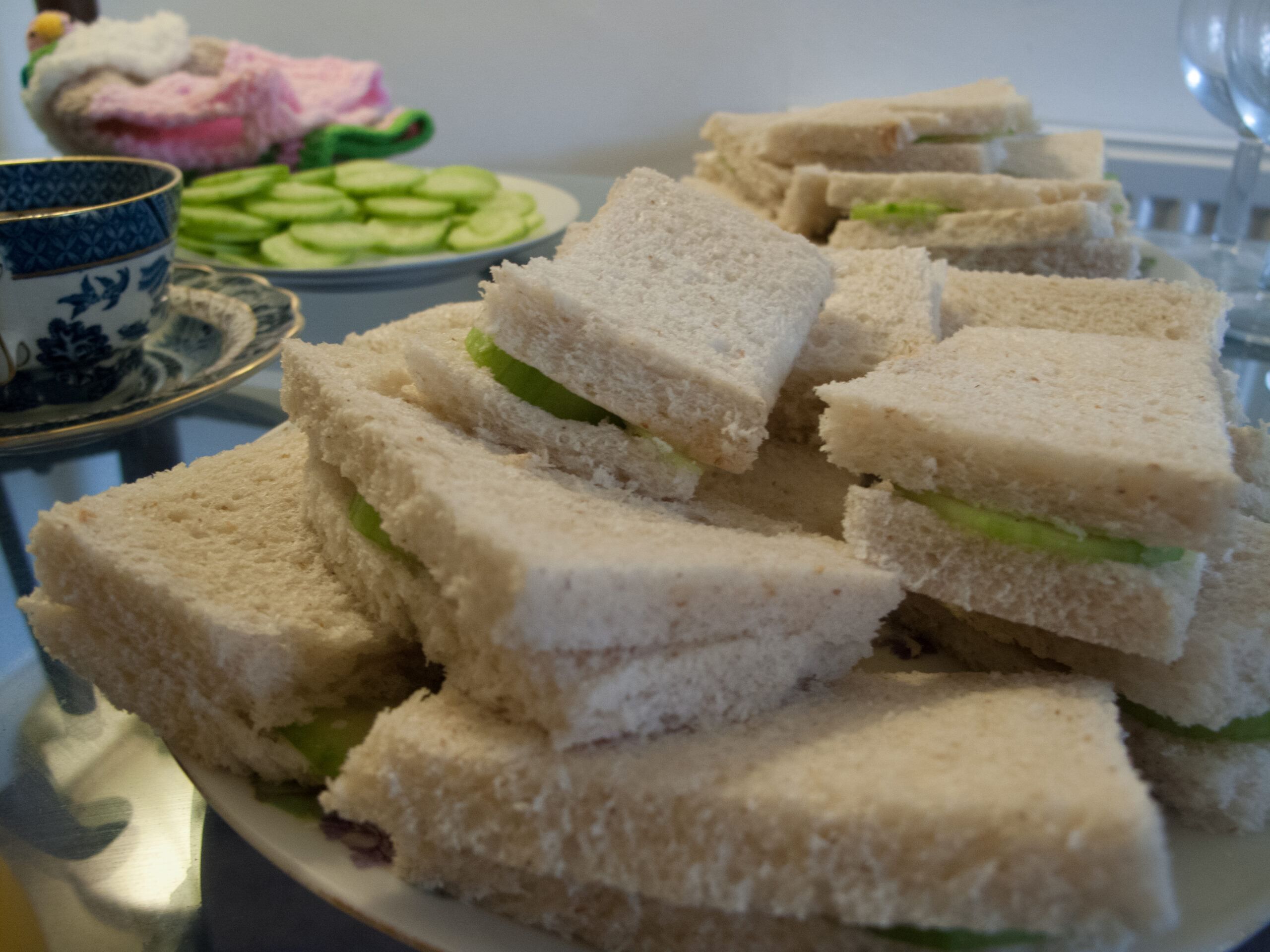
Few sandwiches look more old-world than a cucumber tea sandwich. Traditionally built on thin, crustless bread with butter or a soft spread, it is tied to British tea service and later to hotel dining rooms, bridal showers, church events, and ladies' luncheons across North America.
Its decline on everyday menus is easy to understand. The sandwich is delicate, small, and not especially suited to fast-casual dining, where durability and perceived value matter. A stack of crustless triangles can seem fussy in an age of oversized handhelds and loaded buns.
Yet it remains a classic example of how menus reflect social rituals. The cucumber sandwich belonged to a world of afternoon teas and formal gatherings, not car cup holders. That makes it less common now, but also highly recognisable, especially in photo galleries about vanished lunch traditions.
Sardine sandwich
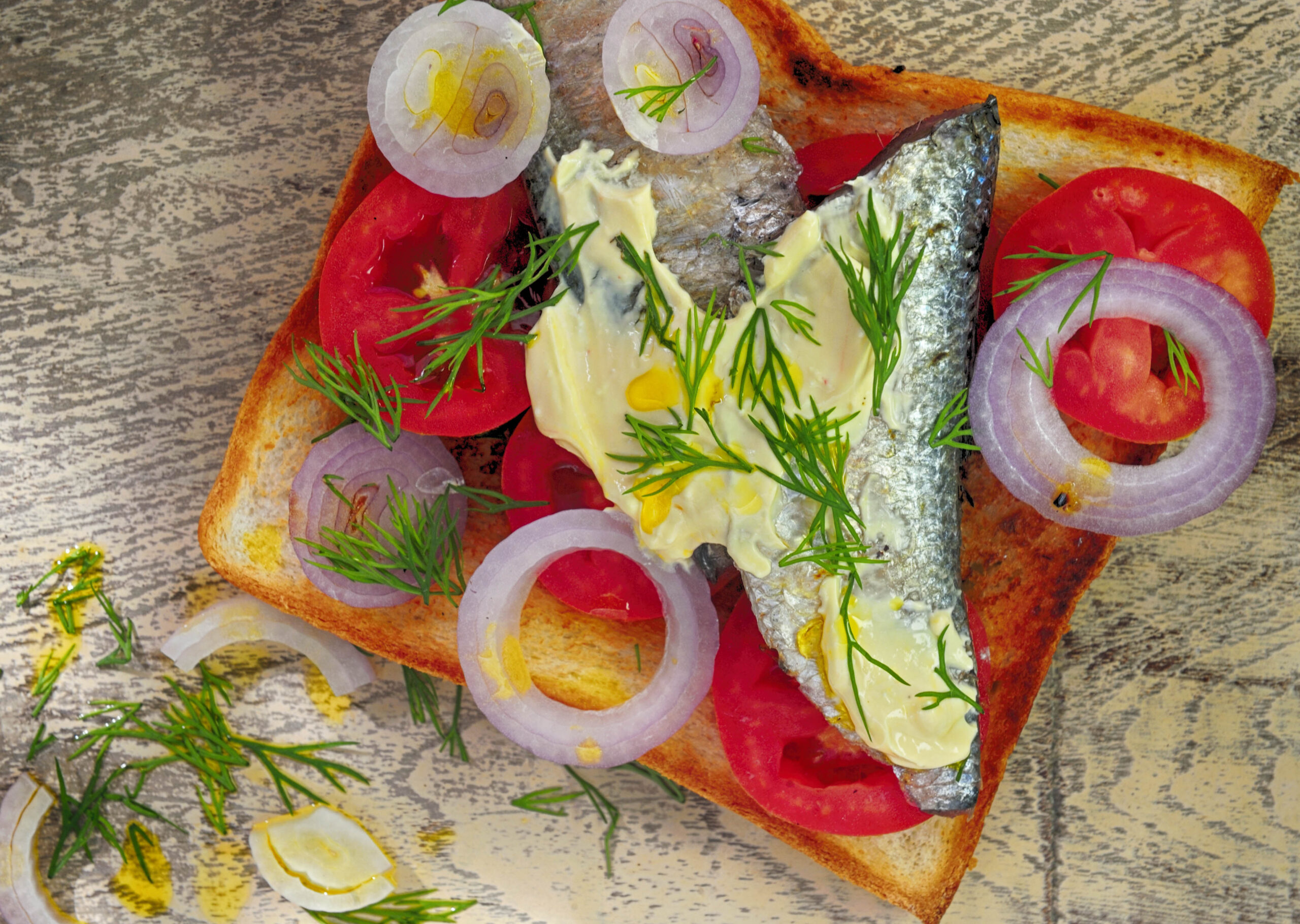
The sardine sandwich once made practical sense in homes, lunch pails, and modest cafés. Canned sardines were shelf-stable, affordable, and rich in flavour, and they could be mashed with lemon, mustard, or butter, then spread on bread for a quick meal that required no cooking.
Menus moved away from it for obvious reasons. Sardines have a strong aroma, a polarising reputation, and a humble image that does not always translate well in modern restaurant marketing. Tuna salad became the far safer fish sandwich for broad appeal.
Still, the sardine sandwich deserves respect. Nutrition guidance from Health Canada notes that fish can be a valuable source of protein and healthy fats, and canned fish has long helped stretch grocery budgets. In that sense, the sandwich looks less strange than smart, just out of step with current menu fashion.
Tongue sandwich
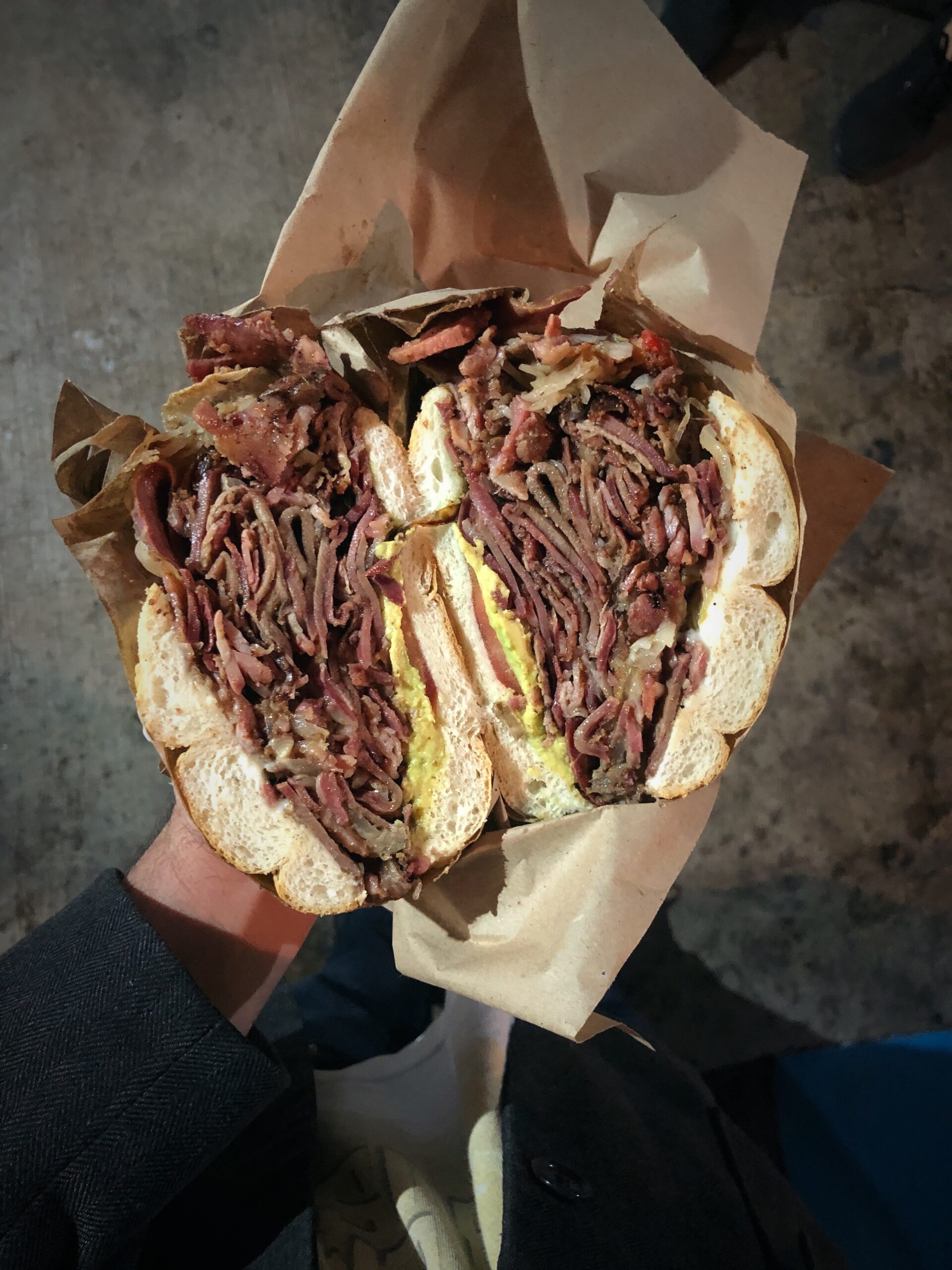
Beef tongue used to appear more regularly in delicatessens and home cooking than it does today, especially in immigrant food traditions that prized full use of the animal. Sliced tongue made a rich, tender sandwich, often served cold with mustard, pickles, or rye bread in Jewish-style deli settings.
Its disappearance from many menus tracks a broader shift away from visible offal and organ meats. While nose-to-tail cooking has had periodic revivals, mainstream diners often remain squeamish about cuts whose identity is impossible to ignore.
That squeamishness obscures the sandwich's culinary logic. Properly cooked tongue is not odd in texture at all. It is silky and beefy, closer to very tender pot roast than many people expect. Old menus simply reflected a thriftier food culture with fewer arbitrary lines between noble and humble cuts.
Chopped liver sandwich
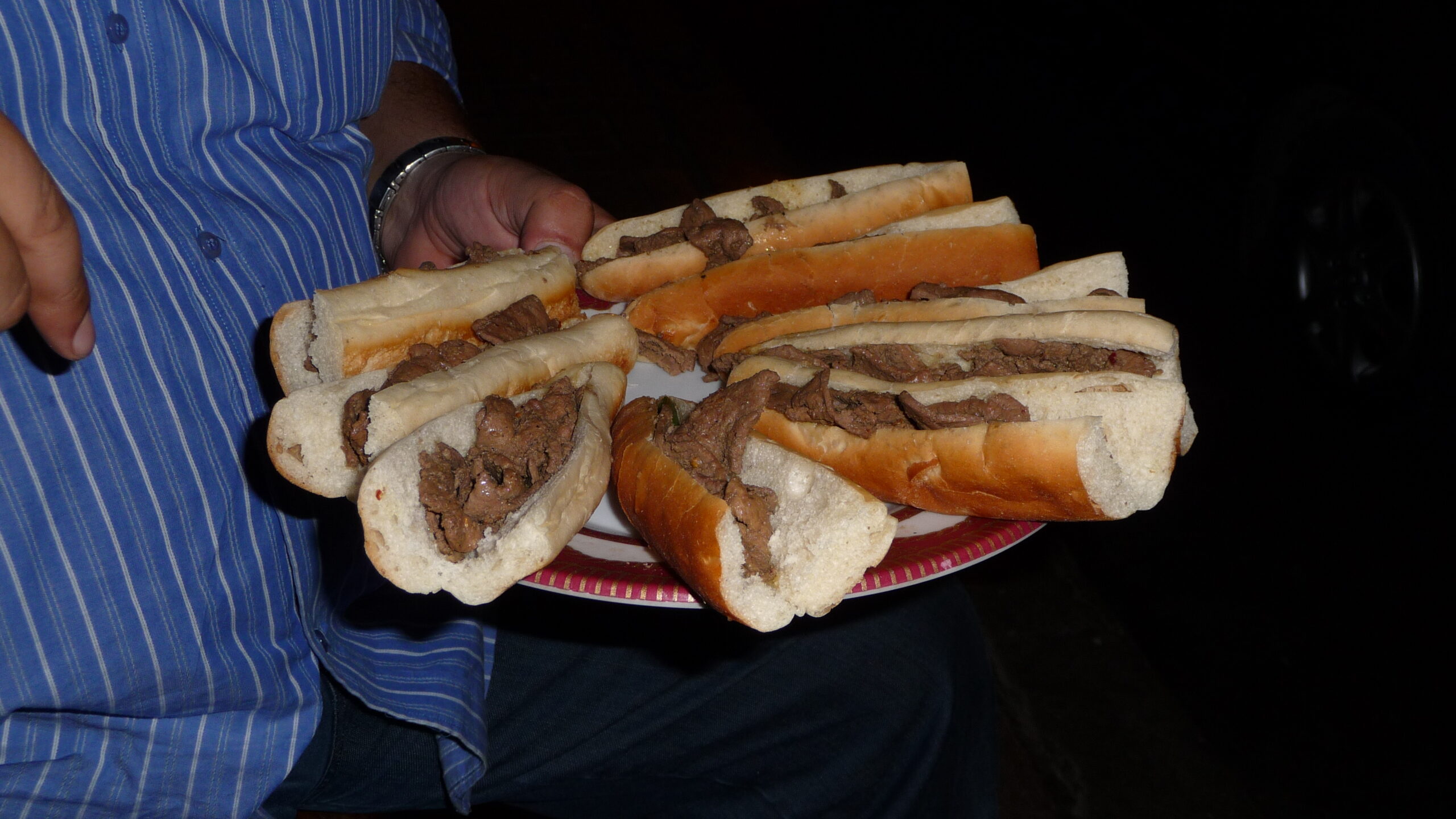
There was a time when chopped liver was a deli standard, not a dare. Usually made from chicken livers with onions and hard-cooked eggs, it became especially associated with Ashkenazi Jewish cooking and delicatessens, where it was spread generously on rye or challah.
The sandwich fell from favour as deli culture thinned out in many places and diners gravitated toward leaner or less assertive fillings. Liver has a mineral depth that fans adore and critics avoid, so it was never likely to thrive in the age of generic café menus.
Its importance, though, is larger than current popularity. Chopped liver represents technique, thrift, and tradition. It also reminds us that sandwiches were once a major home for strongly flavoured spreads, not just stacks of sliced meat. A proper version is earthy, rich, and surprisingly elegant with pickles.
Fried bologna sandwich
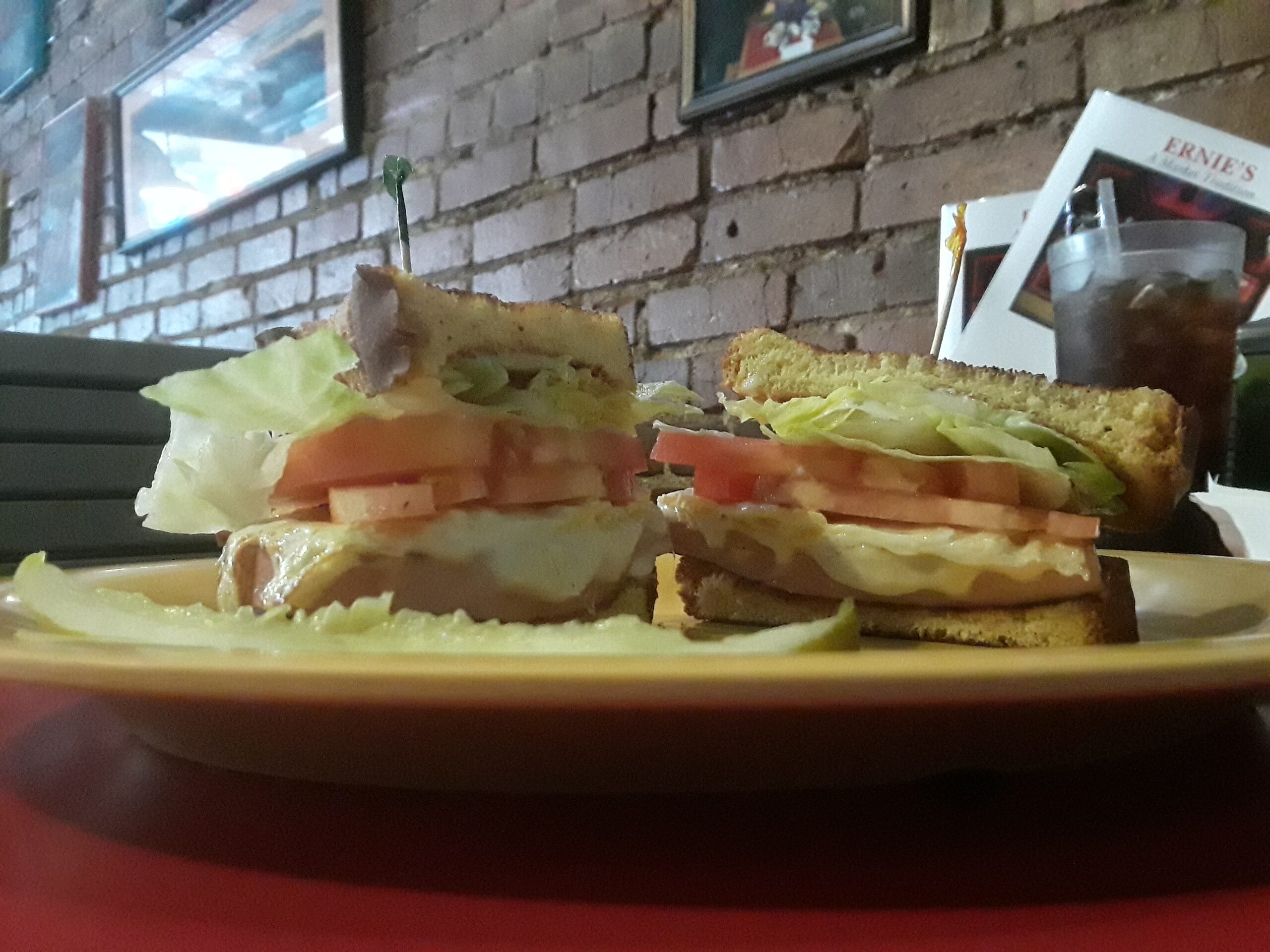
If any sandwich captures old lunch-counter cheer, it is the fried bologna sandwich. A slice or two of bologna, often slit so it would not curl too wildly in the pan, was fried and tucked into white bread or a bun with mustard, mayonnaise, cheese, or onions.
It has not vanished completely, but it has narrowed into nostalgia food, diner specials, and regional comfort cooking. Bologna itself became less fashionable as menus chased premium deli meats, burgers with elaborate toppings, and chicken sandwiches with bigger profit potential.
Even so, the sandwich has a lot to recommend it. Frying transforms bologna's texture, giving it browned edges and a savoury snap. It is also deeply tied to working-class and rural food memories. In photo form, that blistered pink slice is pure retro confidence, no apology required.
Chicken salad sandwich
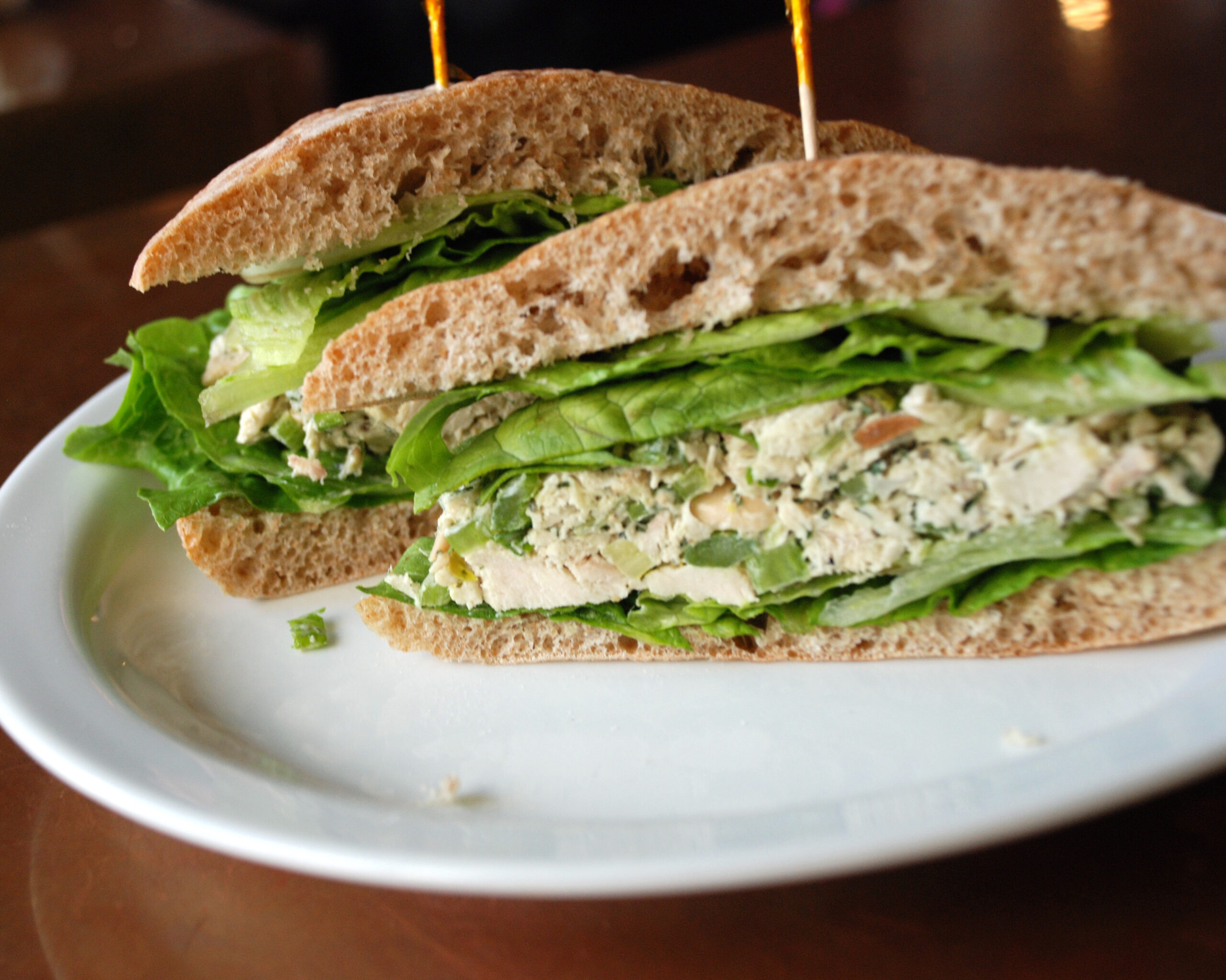
The chicken salad sandwich still exists, but the old-fashioned version has become less common than wraps, croissants, and sculpted café salads. Earlier versions often mixed chopped cooked chicken with mayonnaise, celery, and sometimes grapes, nuts, or relish, then piled it onto simple sliced bread.
Why count it here? Because menu style matters. The luncheonette-style chicken salad sandwich, often scooped by hand and served with lettuce on toast points or soft bread, belonged to a specific era of department-store cafés, tearooms, and casual lunch spots.
Its evolution shows how old sandwiches disappear without fully dying. The filling survives, but the presentation changes. Once the bread, service style, and setting vanish, a menu item can feel almost extinct, even when its basic flavour profile keeps living under a newer name.
Devilled ham sandwich
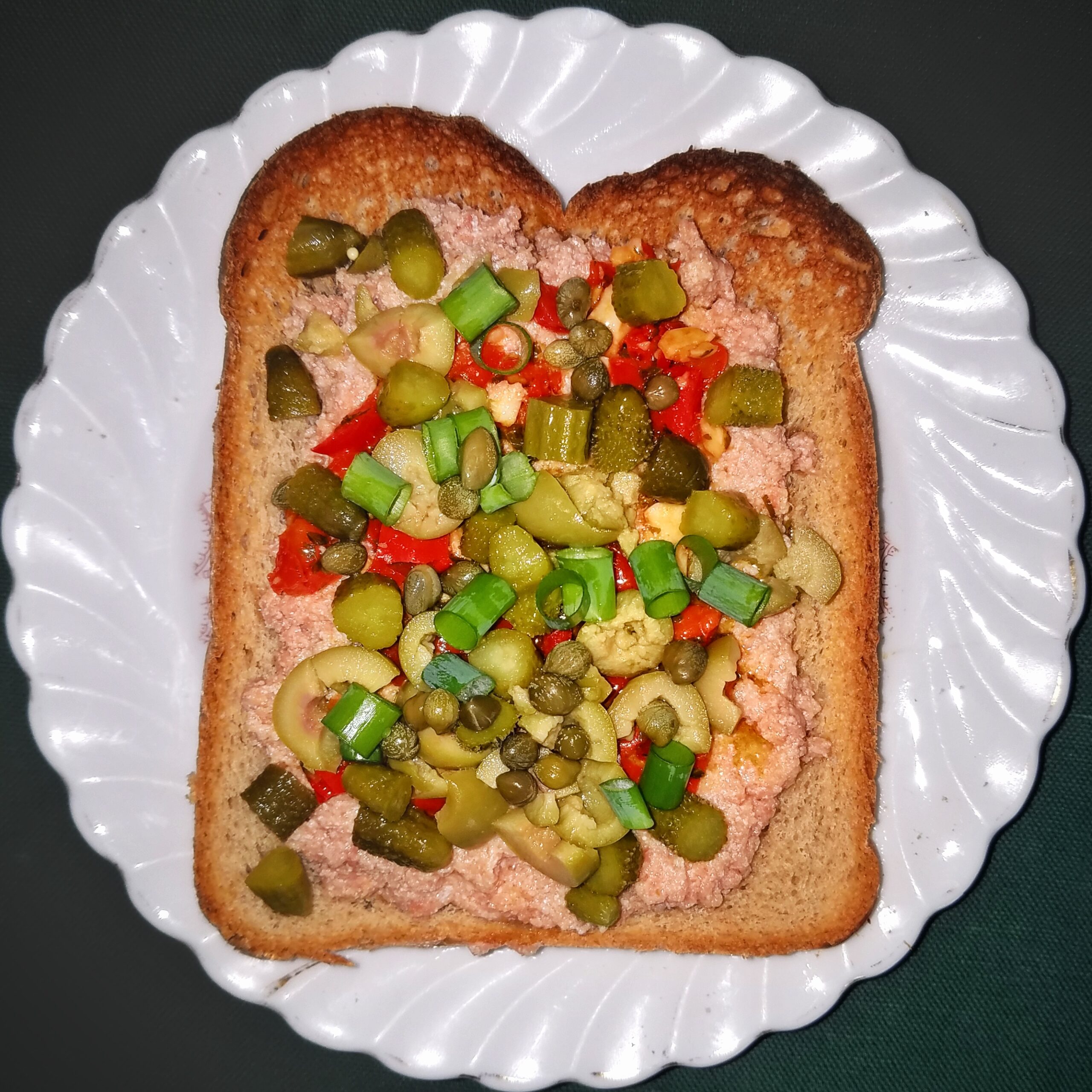
Devilled ham sounds dramatic, but historically it referred to ham seasoned with spicy ingredients and often made into a spread. Commercial devilled ham in small cans helped popularise the flavour, and home cooks also made chopped or ground ham mixtures for sandwiches and tea trays.
The sandwich faded as canned meat spreads lost status and as fresh deli slicing became more desirable. Modern shoppers also tend to treat ham as something to layer in slices, not as something to mash into a seasoned filling unless making leftovers count.
That is a shame, because devilled ham solves a very practical problem. It turns small scraps into a punchy sandwich with far more character than plain sliced ham. If pimento cheese is a spread with charm, devilled ham is its peppery cousin that deserves a little more daylight.
Egg salad sandwich
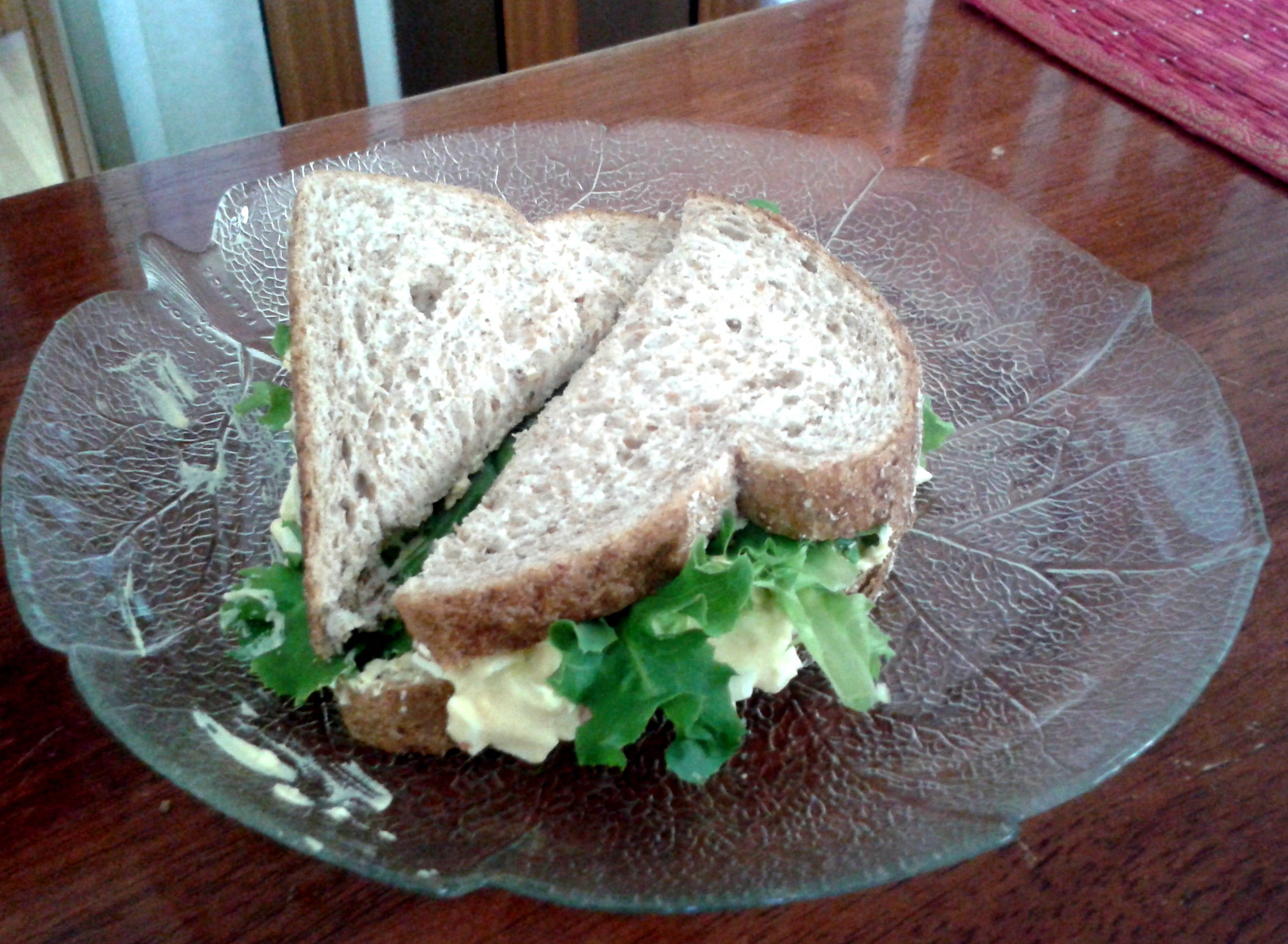
A tidy egg salad sandwich once had serious menu range. It could show up in diners, school lunches, railway stations, hospital cafeterias, and tea rooms with equal ease. The mixture was usually chopped hard-cooked eggs with mayonnaise, mustard, and seasonings, sometimes brightened with celery or chives.
Its decline on many restaurant menus comes down to image and logistics. Egg salad is inexpensive and familiar, but it can read as plain, and it does not hold forever once made. Menus chasing novelty often push it aside for avocado, bacon, or hot breakfast sandwiches.
Even so, it remains one of the clearest examples of old-fashioned sandwich economy. It turns staple ingredients into something soft, rich, and satisfying. A good version also rewards restraint. Too many add-ins muddy the point, which is why the best ones still taste like lunch from a kinder era.
Watercress sandwich
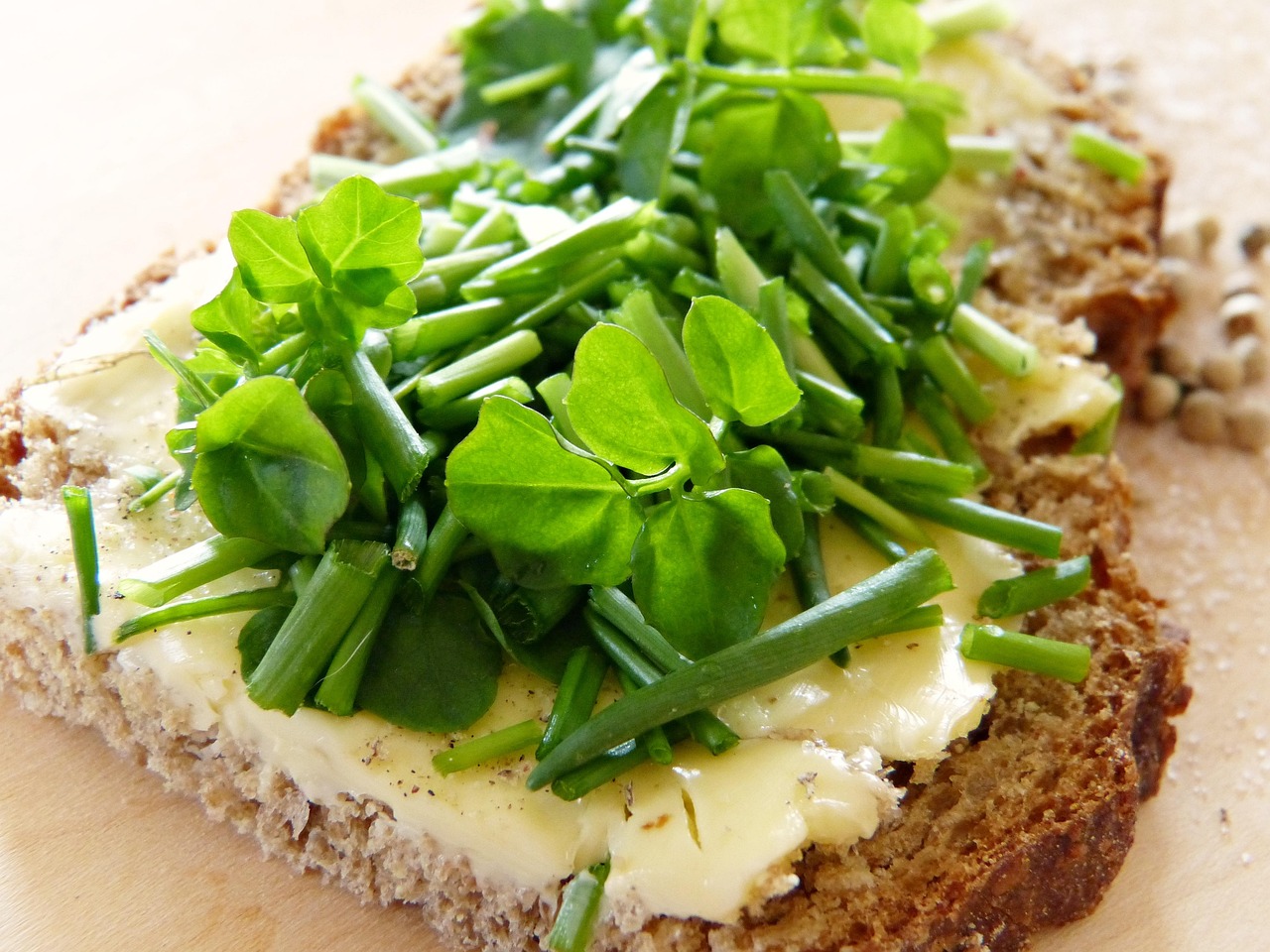
Once upon a time, watercress made people feel rather smart. The watercress sandwich, often built simply with butter on soft bread, had a long life in tea service and was praised in earlier decades for its peppery freshness and refined appearance.
Its menu decline reflects changing produce habits. Watercress is more perishable and less universally stocked than lettuce, and modern sandwich culture often prefers bulkier greens that add volume. A whisper-thin tea sandwich also struggles beside oversized deli builds and toasted panini.
Yet watercress offered something many current menus lack, which is restraint. It delivered bite without heaviness and looked elegant without much effort. For a vanished-menu gallery, it earns its place because it captures a whole style of dining where delicacy itself was part of the appeal.
Liverwurst sandwich
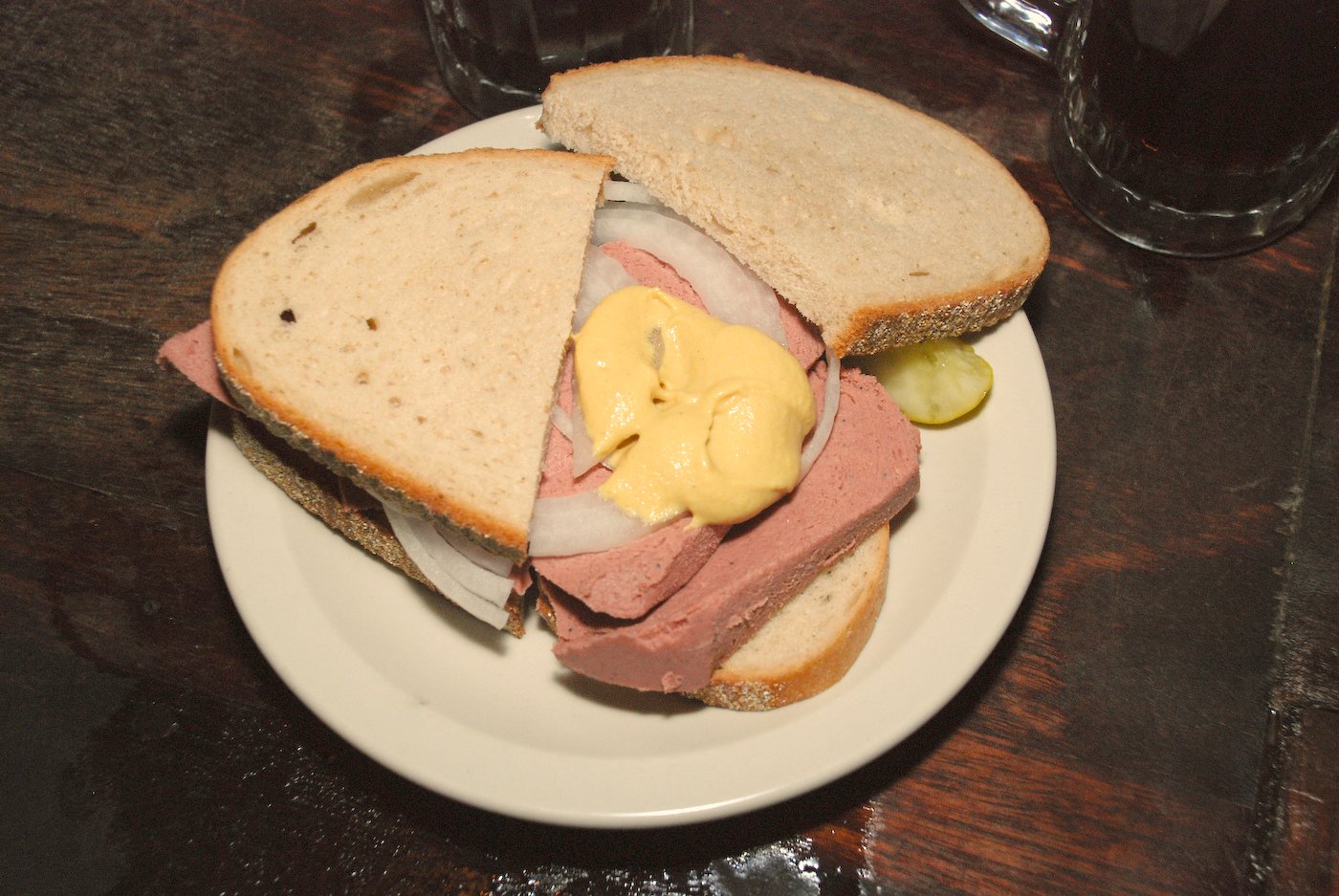
The liverwurst sandwich was once a deli counter regular, often served on rye with mustard, onion, or pickles. Liverwurst, a spreadable sausage with roots in European charcuterie traditions, came to North America through immigrant foodways and settled comfortably into butcher shops and old-school sandwich boards.
It slipped from mainstream menus for the same reason several stronger old fillings did. Tastes shifted toward milder, more familiar deli meats, and anything with liver in the name faced an uphill battle with younger diners.
That decline says more about perception than quality. A well-made liverwurst sandwich is savoury, smooth, and balanced by sharp condiments. It also reflects a time when sandwich menus assumed customers were open to distinct flavours instead of demanding every lunch taste like chicken breast in disguise.
Salmon salad sandwich
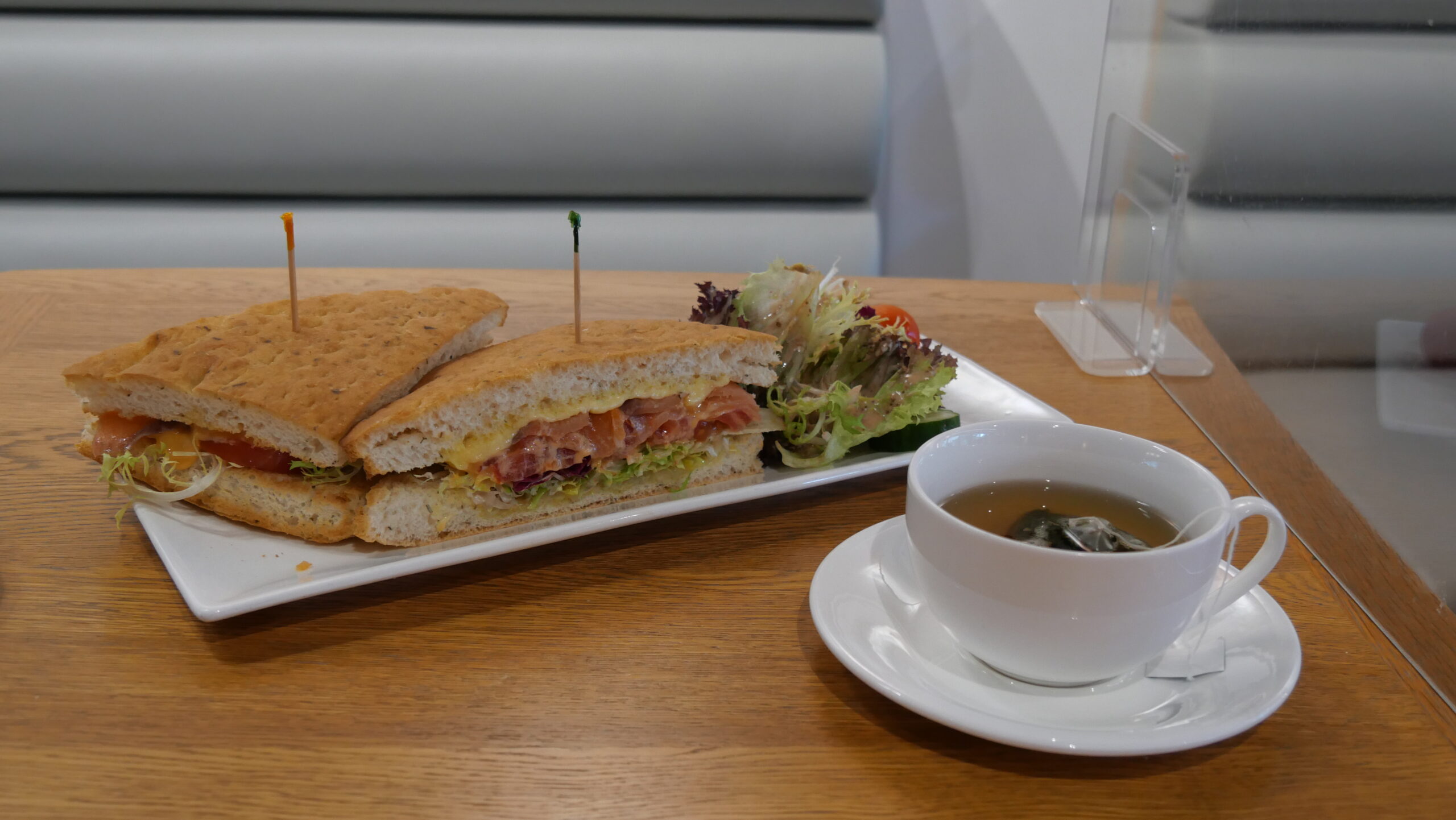
Before tuna became the canned fish sandwich king, salmon salad had a solid place on many tables. Canned salmon, often mixed with mayonnaise and seasonings, made an easy filling for sandwiches and tea-style preparations, especially when convenience and pantry cooking mattered.
Its lower profile today likely comes from both flavour hierarchy and texture. Tuna developed a stronger sandwich identity in delis and cafés, while salmon moved upscale into grilled fillets, bagel toppings, and brunch dishes. The humble canned-salmon sandwich got squeezed from both directions.
That does not make it less practical. Canned salmon can bring a richer taste than tuna, and some versions include soft edible bones that add calcium. The sandwich is a reminder that pantry-based lunches used to be far more varied than today's narrower café standards suggest.
Chow mein sandwich
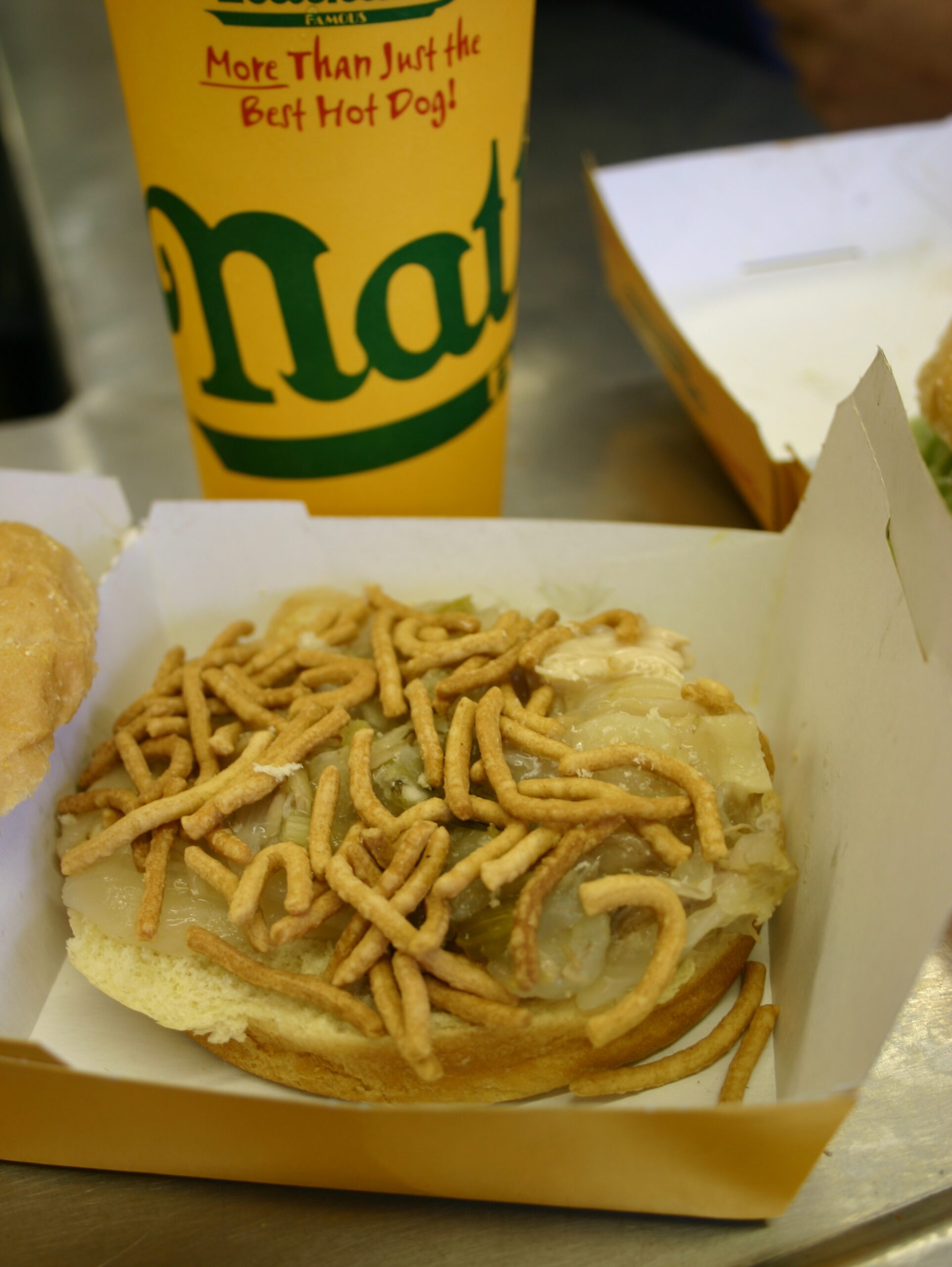
The chow mein sandwich may be the strangest-looking item here, which is part of its charm. In parts of the northeastern United States, especially around Fall River, Massachusetts, a chow mein sandwich became a regional speciality by tucking crisp noodles, gravy-style stir-fry mixture, and onions into a bun.
It never became a continental standard, but it absolutely belonged to real menu culture in its region. Its rarity elsewhere shows how local sandwich traditions can thrive for decades while remaining almost invisible outside their home turf.
As a finale, it is hard to beat. This sandwich is proof that menus once had more local oddballs and fewer national clones. It may sound like a plate trying to disguise itself as a bun, but that is exactly why it deserves one last respectful bow.



Leave a Reply