
Some of the most nutritious picks in the produce aisle are not the trendy ones with the biggest fan clubs. Keep swiping for nine everyday fruits and vegetables that deliver fibre, vitamins and plant compounds, according to Health Canada and other established health authorities.
Watercress
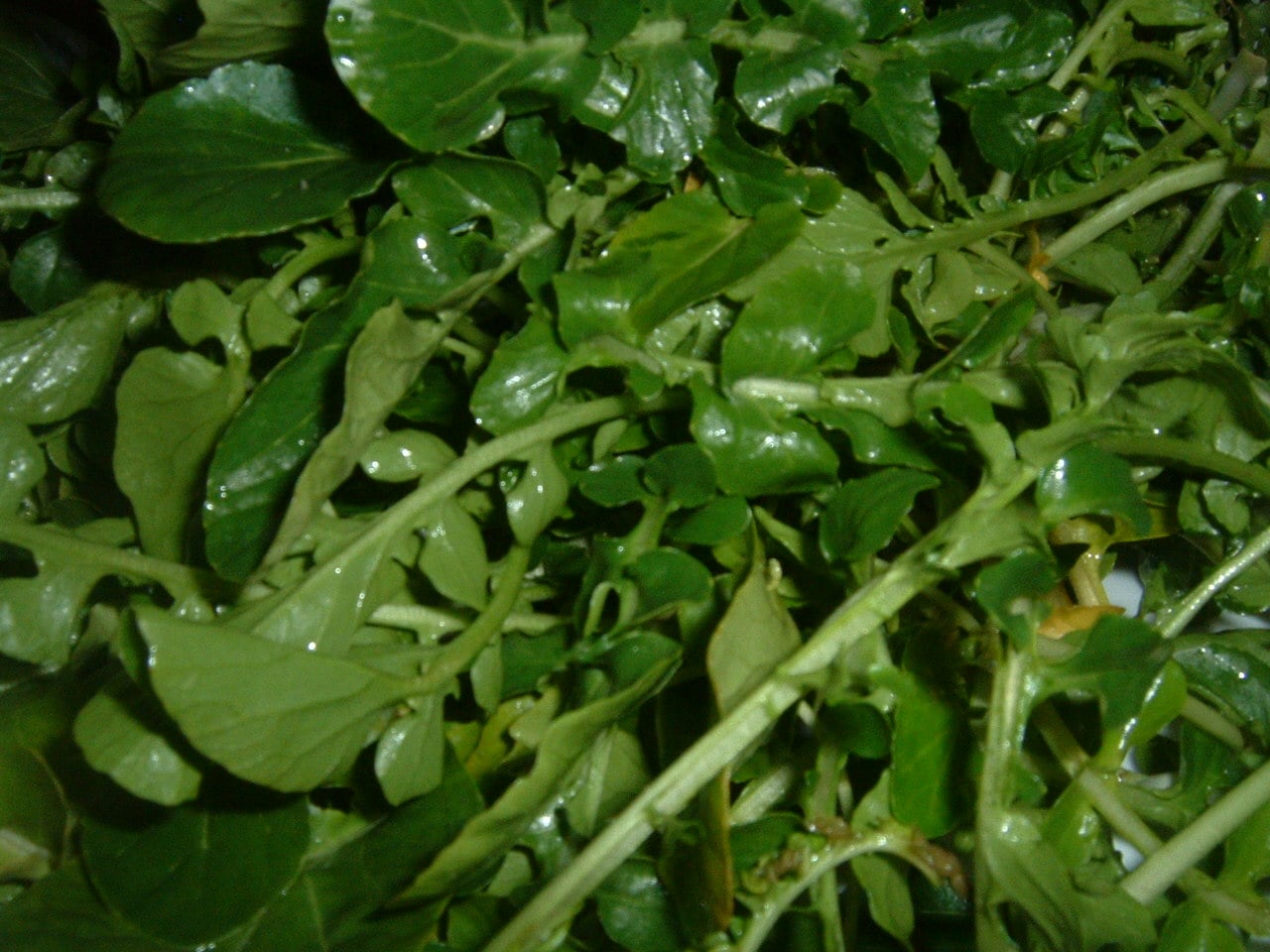
Tiny leaves, big résumé. Watercress is part of the cruciferous vegetable family, alongside broccoli and cabbage, which means it naturally contains compounds linked to the family's well-studied health benefits.
It is also notably rich in vitamin K, which helps with normal blood clotting and bone health, according to Health Canada. Watercress provides vitamin A and vitamin C as well, so it punches above its weight in a salad bowl.
Its peppery bite is the reason some shoppers pass it by, but that flavour is exactly why a little goes far. Tuck it into sandwiches, stir it into soup just before serving, or pair it with sweet fruit like pear or orange to soften the edge.
Beets
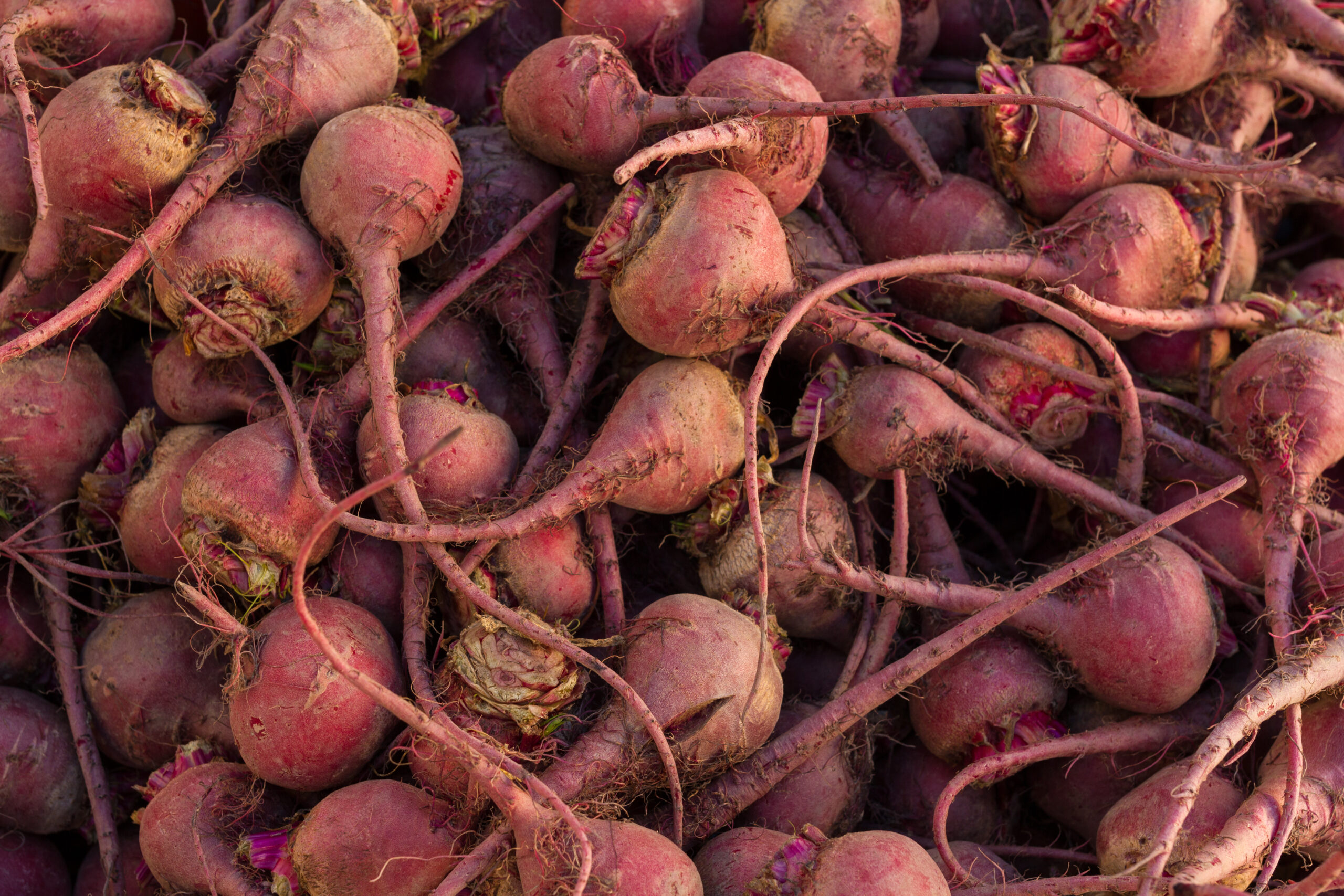
Beets are the colourful overachievers that stain your cutting board and then quietly make dinner better. Their deep red hue comes from betalains, natural pigments that have antioxidant activity.
They also bring folate and fibre to the plate, and the greens are edible too. Health Canada notes that folate helps normal growth and development, making it an important nutrient across life stages.
Beets also contain naturally occurring nitrates. Research has explored how dietary nitrates from vegetables can support nitric oxide production in the body, which plays a role in blood flow. Roast them at 400°F (200°C) until tender, then add goat cheese, lentils or citrus for balance.
Kiwi
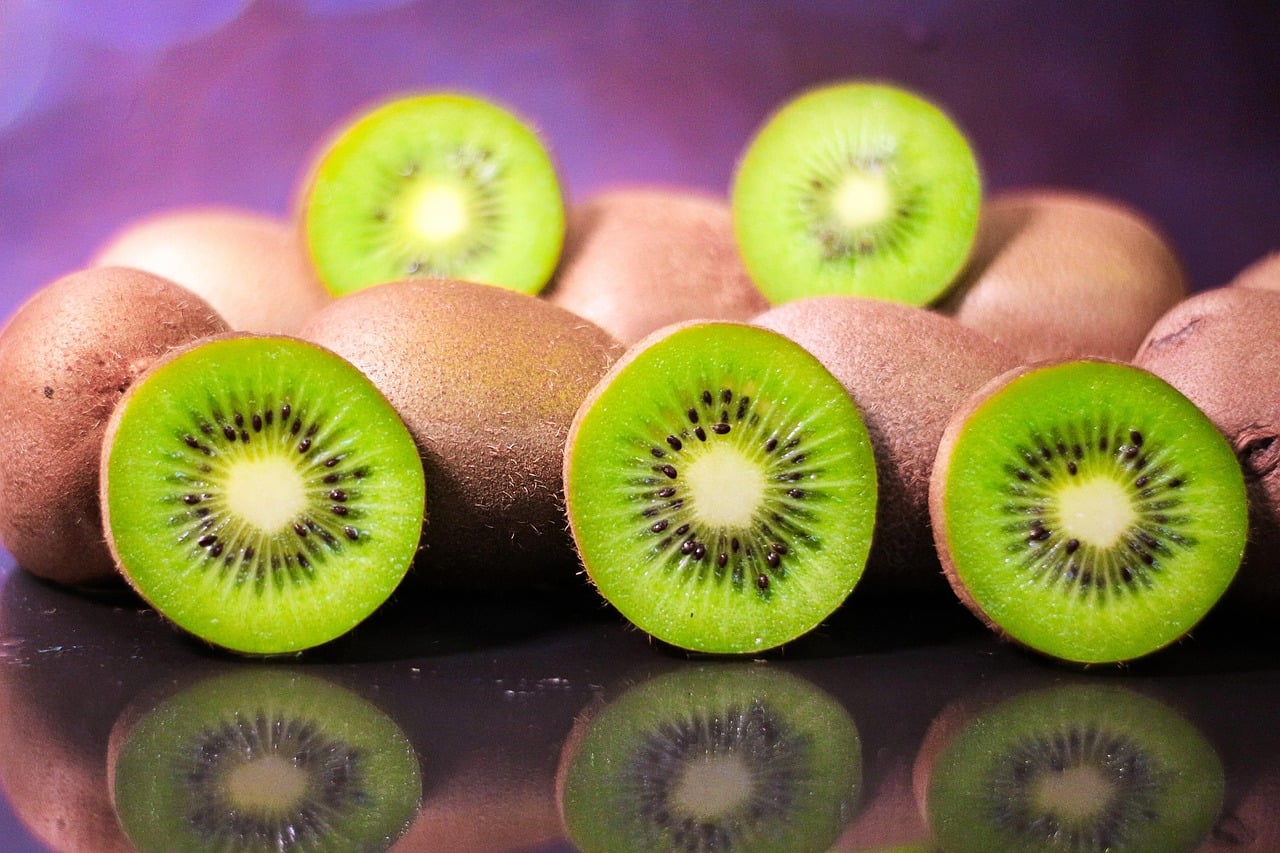
Kiwi often gets treated like a lunchbox extra, but it deserves a little more respect. This small fruit is especially well known for vitamin C, a nutrient that helps support immune function and acts as an antioxidant.
It also contains fibre, particularly if you eat more of the fruit close to the skin after washing it well. The fuzzy peel is edible, though not everyone wants that much excitement before noon.
Kiwis earn bonus points for convenience. They are easy to portion, naturally sweet without being syrupy, and bright enough to wake up plain yogurt or a simple fruit salad. If yours are rock hard, leave them at room temperature for a few days to soften.
Cabbage

Cabbage is one of the least flashy vegetables in the building, and that may be its secret strength. It is affordable, keeps well in the fridge and belongs to the cruciferous family, which has been studied for its beneficial plant compounds.
Green and red cabbage both offer fibre and vitamin C, while red cabbage also brings anthocyanins, the same class of pigments found in many red and purple produce items. That means extra colour with some antioxidant backup.
It is also much more versatile than its coleslaw reputation suggests. Slice it thin for quick sautés, char wedges on a sheet pan, or toss it into soup. A head of cabbage can stretch across several meals, which is a pretty heroic trait on a grocery budget.
Parsnips
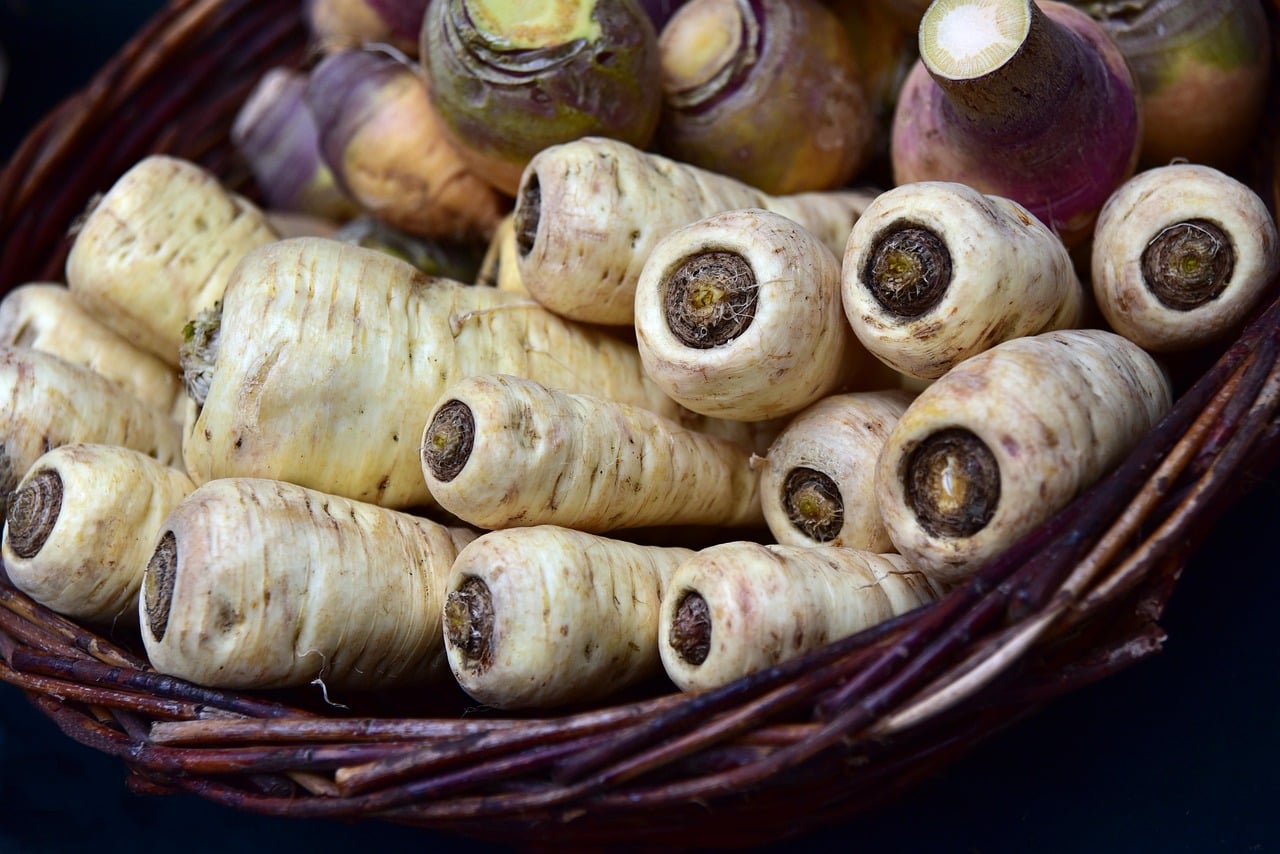
Parsnips look like pale carrots that forgot to tan, but they have a distinct sweet, nutty flavour all their own. They provide fibre and potassium, and potassium helps maintain healthy blood pressure, according to Health Canada.
Their sweetness becomes more pronounced when roasted, which makes them a useful bridge vegetable for picky eaters who are unsure about turnips or rutabaga. A hot oven does them a lot of favours.
Try roasting parsnips at 425°F (220°C) with olive oil until caramelized, then finishing with thyme or maple. They also add body to puréed soups and mash well with potatoes. In other words, they know how to work the comfort-food angle.
Swiss chard
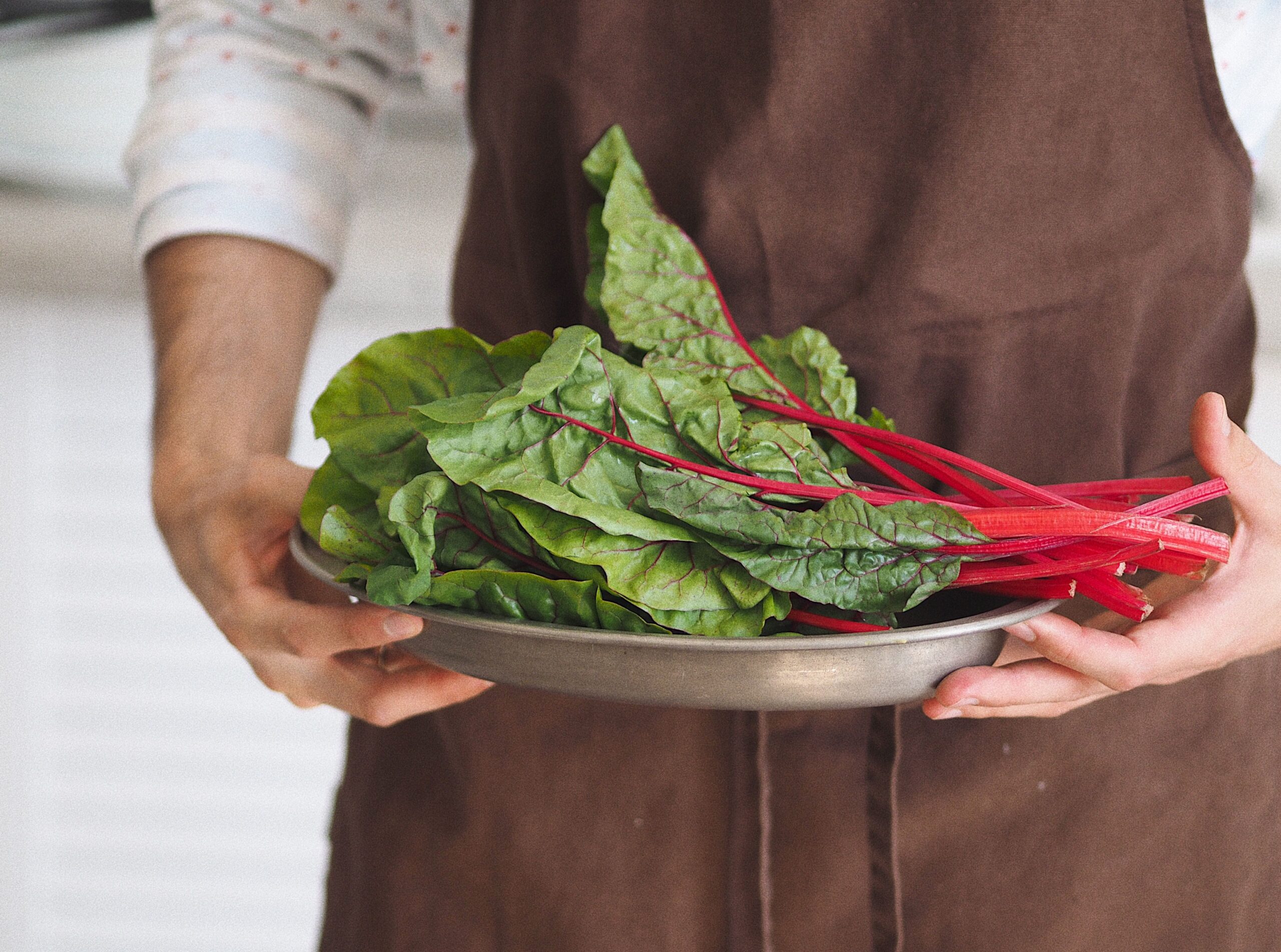
Swiss chard has the dramatic stems of a vegetable that knows it is photogenic. Under the bright reds, yellows and whites, it offers vitamin K and vitamin A, with additional minerals and fibre.
The leaves cook down like spinach, but the stems need a little more time, so treat them as two ingredients in one. Start the chopped stems in the pan first, then add the leaves once they soften.
That simple trick helps preserve texture and cuts waste. Chard is a smart choice when you want a cooked green with a bit more personality than spinach. Sauté it with garlic and beans, fold it into frittatas, or stir it into pasta for a fast weeknight dinner.
Fennel
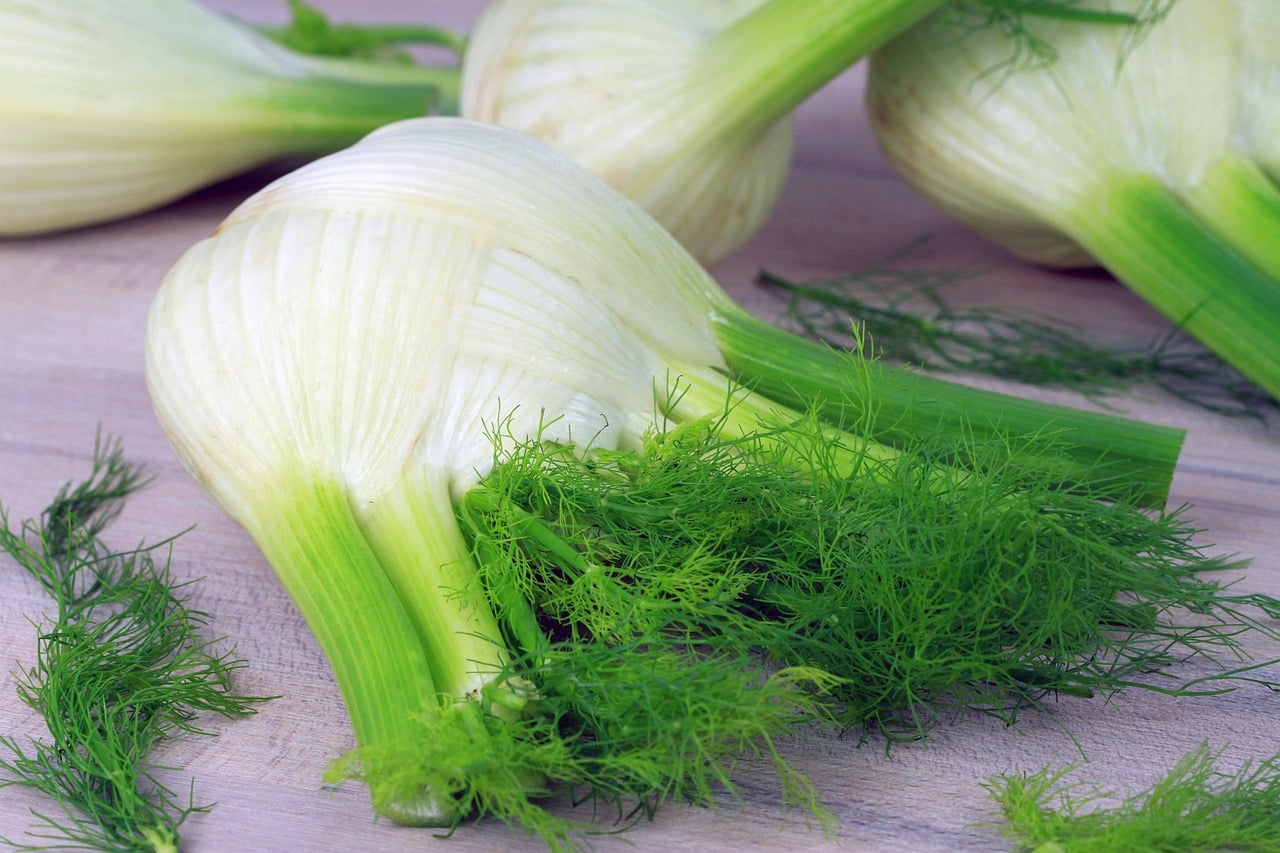
Fennel tends to divide the room because of its light licorice flavour, but it is worth a second chance. The bulb provides fibre and vitamin C, and its crisp texture works beautifully both raw and cooked.
Raw fennel brings freshness to salads and slaws, especially with lemon, apple or Parmesan. Cooking softens its anise note and turns it sweeter, which converts a lot of skeptics.
Do not ignore the fronds. They make a feathery garnish with a mild fennel flavour, and they are handy anywhere you might use dill. Roast wedges until tender, shave it thin with citrus, or add it to a tray of vegetables and let the oven do the diplomacy.
Bok choy
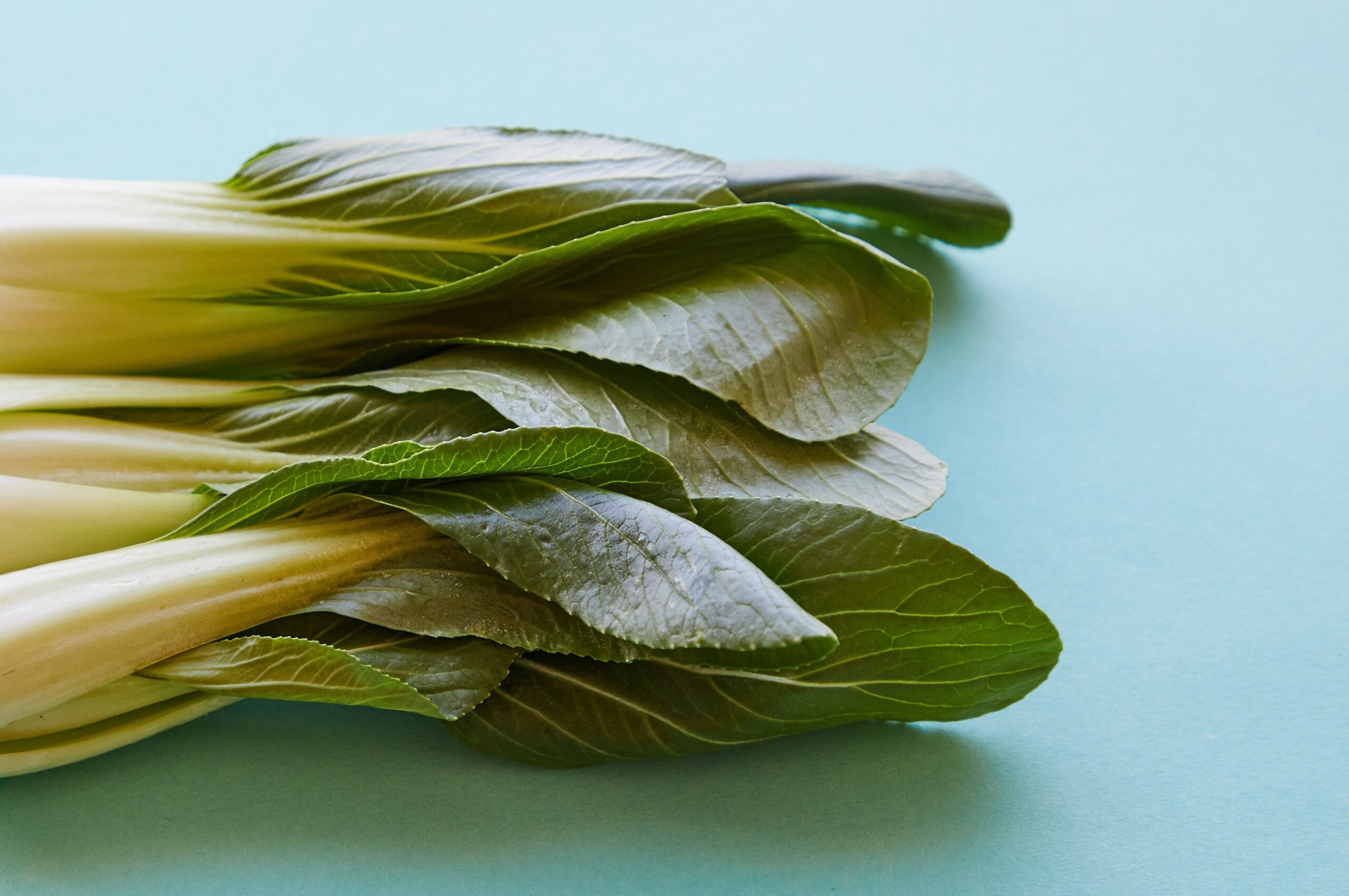
Bok choy is one of those vegetables that seems more niche than it really is. This Chinese cabbage is widely used in stir-fries, soups and braises, and it offers vitamins A and C along with other nutrients typical of leafy greens.
Because the white stalks and green leaves cook at different speeds, it helps to separate them. The stems stay juicy and crisp, while the leaves wilt quickly, so you get built-in contrast in one bunch.
It is also a practical pick for fast meals. Halve baby bok choy and sear it, or chop a full-sized bunch into noodle soup. If your weeknight cooking needs one reliable produce aisle sidekick, this one has a very strong case.
Prunes
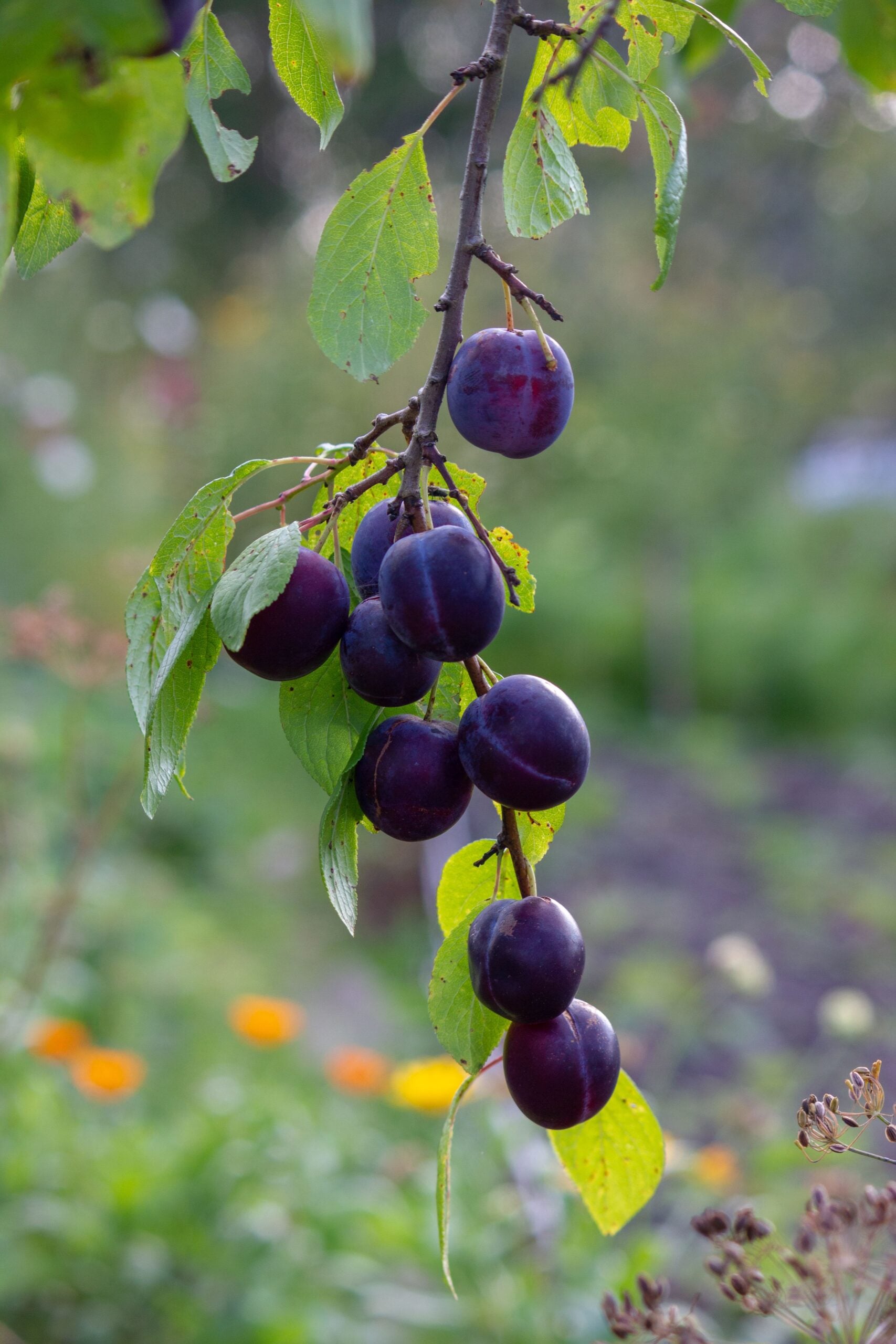
Yes, prunes are usually in the dried fruit section, but fresh plums deserve their own applause in produce. Plums provide vitamin C and antioxidants, and their deep blue or purple skins contain plant pigments called anthocyanins.
Dried plums, commonly called prunes, are especially known for fibre and sorbitol, which can help support regular bowel movements. That reputation is accurate, but it has unfairly made the whole plum family seem less glamorous than it is.
Fresh plums are juicy, tart-sweet and excellent in both savoury and sweet dishes. Slice them into salads, roast them alongside pork, or eat them cold over the sink like a sensible person. Not every superfood has to be trendy to earn its keep.




Leave a Reply