
Day-old bread has a second act, and it is much better than another round of toast. This make-ahead strata turns dry bread into a savoury bake with a golden top and a soft centre, which is exactly why people keep asking what makes it taste so good.
The loaf that works best
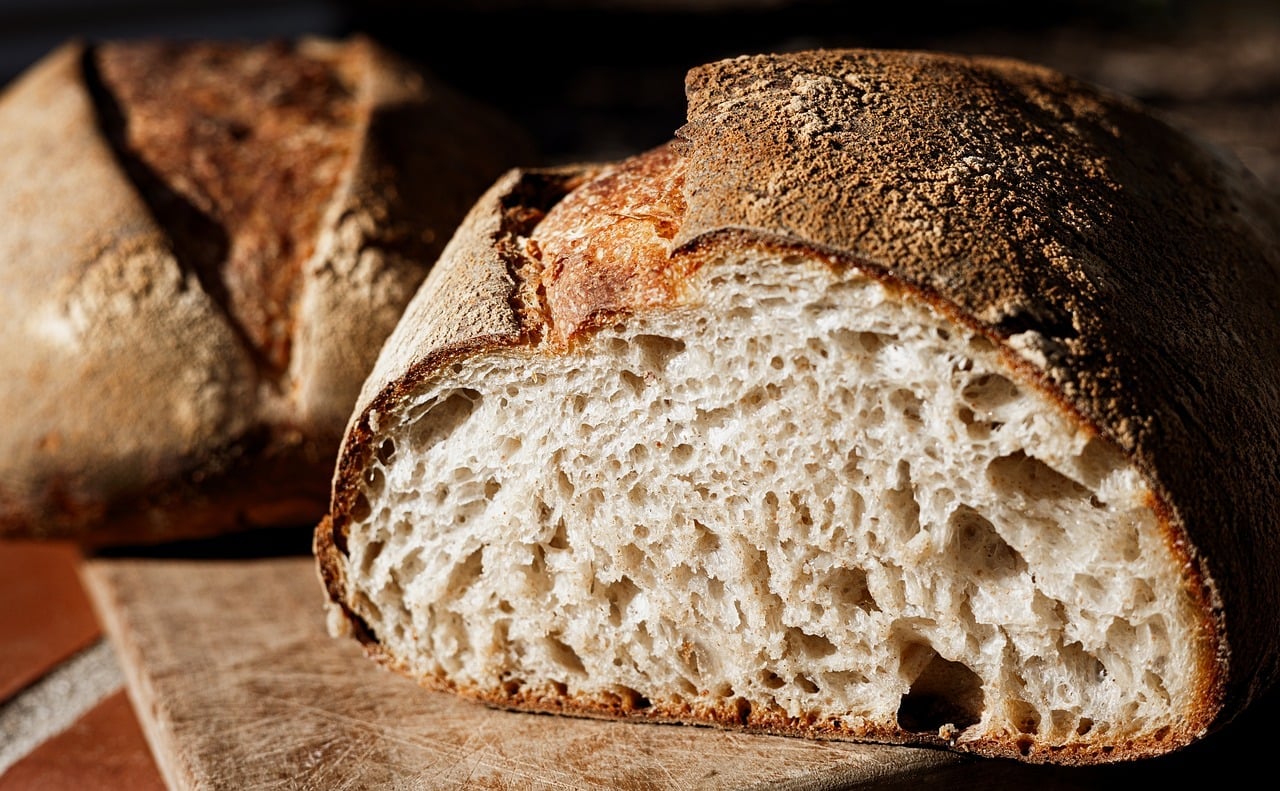
Stale bread is not a kitchen failure here. It is the feature. Day-old bread absorbs an egg-and-milk custard better than fresh bread, so the inside turns tender instead of soggy.
A sturdy loaf gives the best texture in photos and on the plate. Think crusty sourdough, a country loaf, or a baguette cut into cubes. Soft sandwich bread can work, but it tends to compress and disappear into the custard.
If your bread is still too fresh, dry it in the oven at 300°F (150°C) for about 10 to 15 minutes. You want it dry at the edges, not toasted dark. That little bit of dryness is the secret handshake.
The custard that does the heavy lifting

This dish looks like a casserole, but it behaves like a bread pudding's savoury cousin. The rich flavour comes from a simple custard of eggs and milk, often with a little cream for extra body.
The ratio matters because too much liquid makes the bake loose, while too little leaves dry pockets. Many reliable strata recipes use enough custard to soak the bread thoroughly, then rest the mixture before baking so absorption can happen evenly.
A little mustard, black pepper, and grated cheese add depth fast. That is usually the "what is in this?" moment. It is not one strange ingredient. It is a few familiar ones pulling in the same direction.
The add-ins that make it memorable

This is where the recipe starts acting like a fridge clean-out with good manners. Cooked mushrooms, sautéed onions, spinach, herbs, ham, or cooked sausage all fit comfortably into the mix.
The key is to keep watery vegetables under control. Mushrooms should be browned, spinach should be wilted and squeezed dry, and onions should be cooked until sweet. Otherwise, extra moisture can thin the custard and mute the flavour.
Cheese matters too. Sharp cheddar, Gruyère, or Parmesan bring salt and nuttiness, which helps a humble loaf taste far more polished. Use enough to notice, but not so much that the strata turns greasy.
Why the overnight rest helps
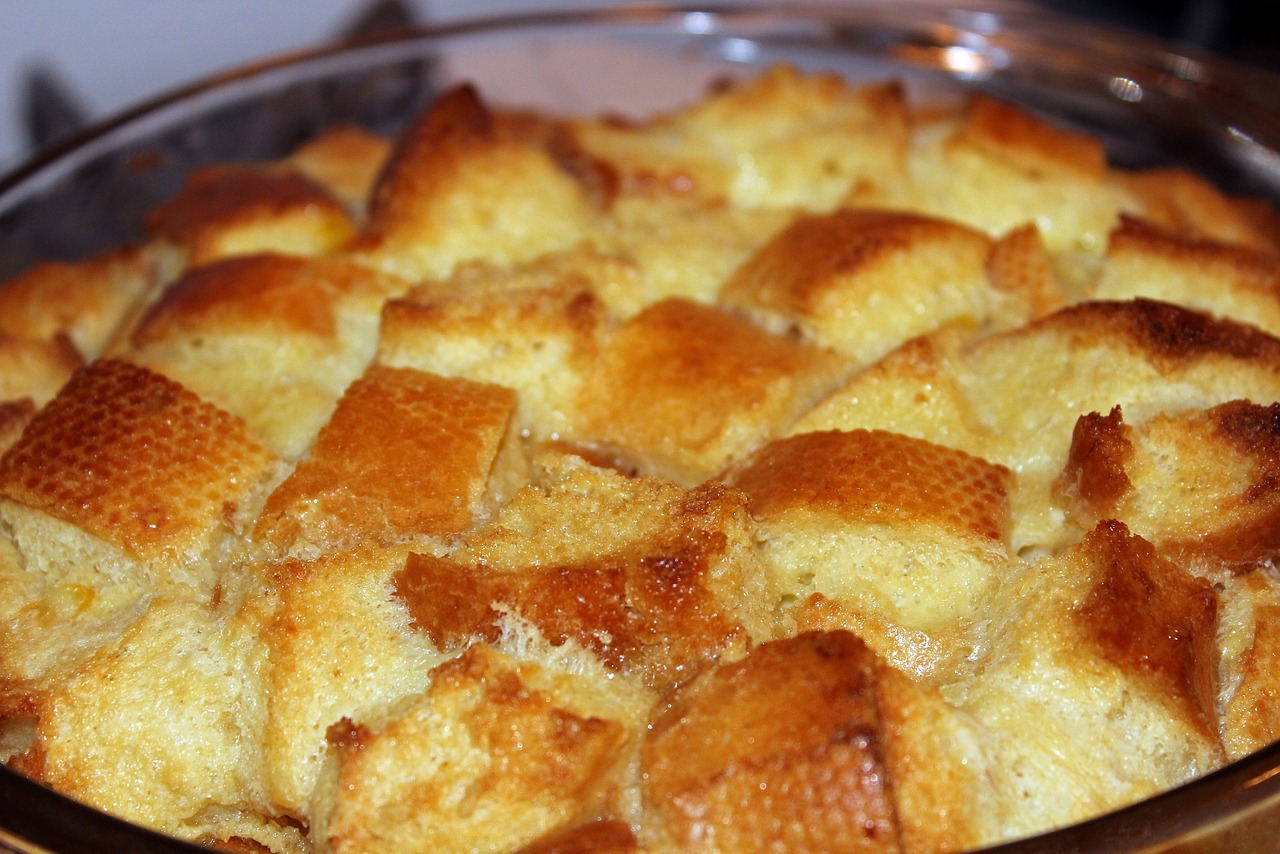
A strata is one of those calm, practical dishes that gets better when you leave it alone. Resting it in the refrigerator gives the bread time to absorb the custard all the way through, which means fewer dry corners and a more even bake.
That make-ahead step also suits busy mornings or brunch plans. Assemble the dish, cover it, chill it, and bake it the next day. The top still browns beautifully, while the centre stays soft and structured.
For food safety, Health Canada advises keeping perishable foods refrigerated at 4°C (40°F) or colder. Because this mixture contains eggs, milk, cheese, and often cooked meat, it should stay chilled until it goes into the oven.
The bake that gets the best texture

The final texture depends on moderate heat, not a scorching oven. Baking at around 350°F (180°C) lets the custard set gently while the top turns crisp and golden.
A finished strata should be puffed, lightly browned, and just set in the centre. If you cut into it too soon, it can slump because the custard is still settling. A short rest after baking makes cleaner slices and better serving photos.
If the top browns too quickly, a loose tent of foil can help. If you are adding cooked sausage or ham, make sure it is reheated thoroughly. Health Canada recommends cooking egg dishes until they are fully set.
The finishing touch that gets the questions

The reason people ask what is in it is usually not mystery. It is contrast. Crisp edges, soft middle, savoury cheese, sweet onion, and herbs all land at once, so the whole dish tastes more complex than the ingredient list suggests.
A small finishing touch helps. Fresh chives, parsley, or a little extra Parmesan added after baking sharpens the flavour and makes the top look lively in a photo. A spoonful of Dijon on the side does not hurt either.
Serve it with a simple green salad or fruit and let the bread do its comeback routine. It is thrifty, comforting, and smart, which is not a bad résumé for yesterday's loaf.



Leave a Reply