Your grocery cart can say a lot about how you handle money. Small routines like grabbing sale items you do not need or wandering the aisles without a plan can quietly inflate your bill over time. This gallery breaks down common grocery habits and what they may suggest about your broader spending mindset, with simple ways to shop a little smarter.
You shop without a real plan

A cart filled by instinct often reflects a budget that is running on autopilot. If you head to the store with only a vague idea of dinner and a rough memory of what is in the fridge, it is easy to buy duplicates, forget essentials, and toss food later.
Finance experts like Clay Cary note that structure matters because it reduces waste as much as it cuts impulse buys. A simple framework, such as planning meals or using the 5-4-3-2-1 rule for balanced shopping, turns grocery spending into a choice instead of a reaction.
This habit may suggest you are comfortable spending in the moment, but not always tracking the full cost afterward.
You buy sale items just because they are discounted
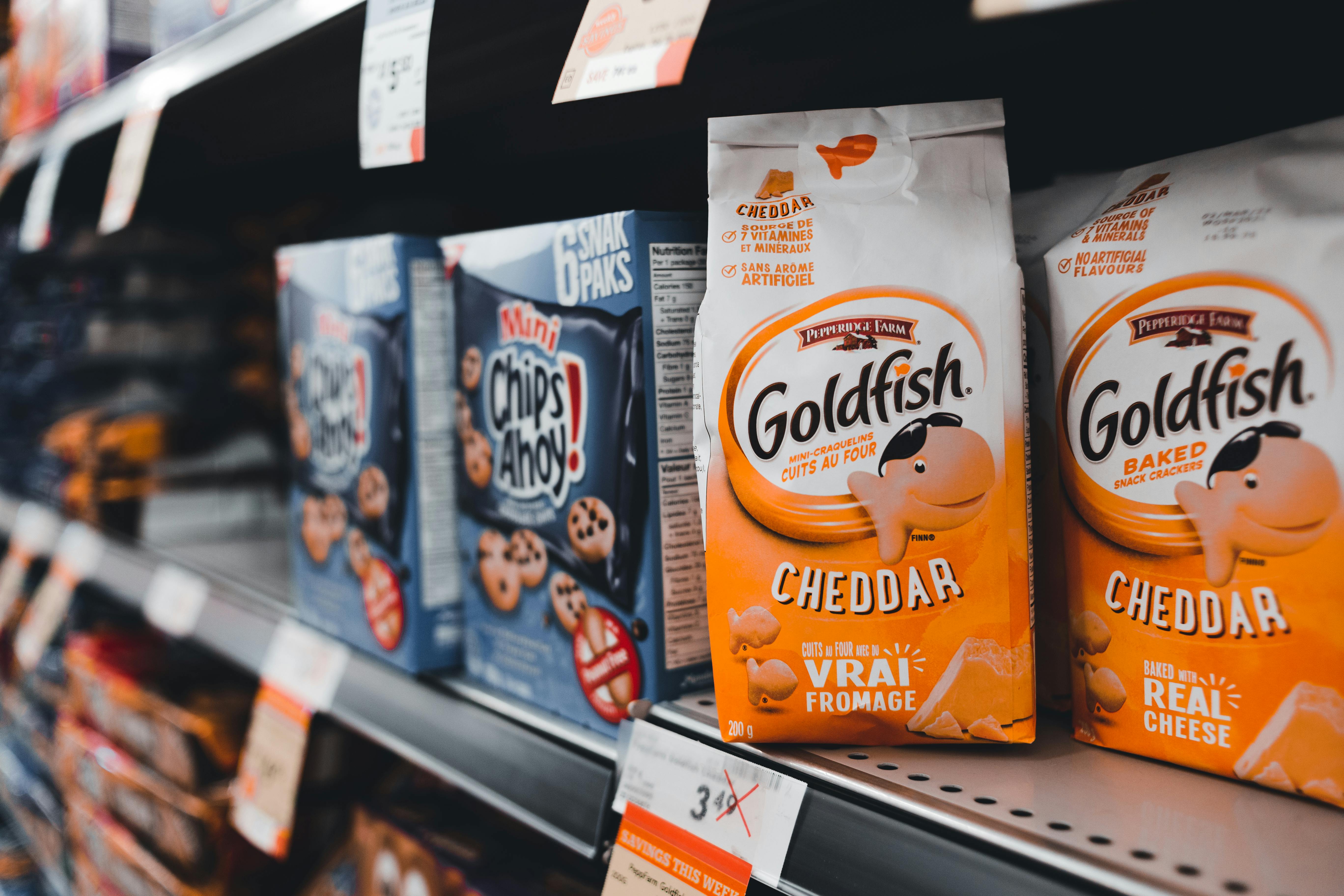
A markdown sticker can feel like a win, but a discount is only a bargain if the food actually gets used. Loading up on random specials often creates a kitchen full of disconnected ingredients and a fridge of good intentions that expire before dinner ever happens.
Experts warn that sale-driven shopping can mask overspending because it feels financially responsible in the moment. In reality, buying food with no meal plan behind it often leads to waste, which means the money was not saved at all.
If this sounds familiar, your spending style may lean toward chasing deals over calculating value. The smarter move is to match sales to meals you already know you will make.
You lean too hard on convenience trends
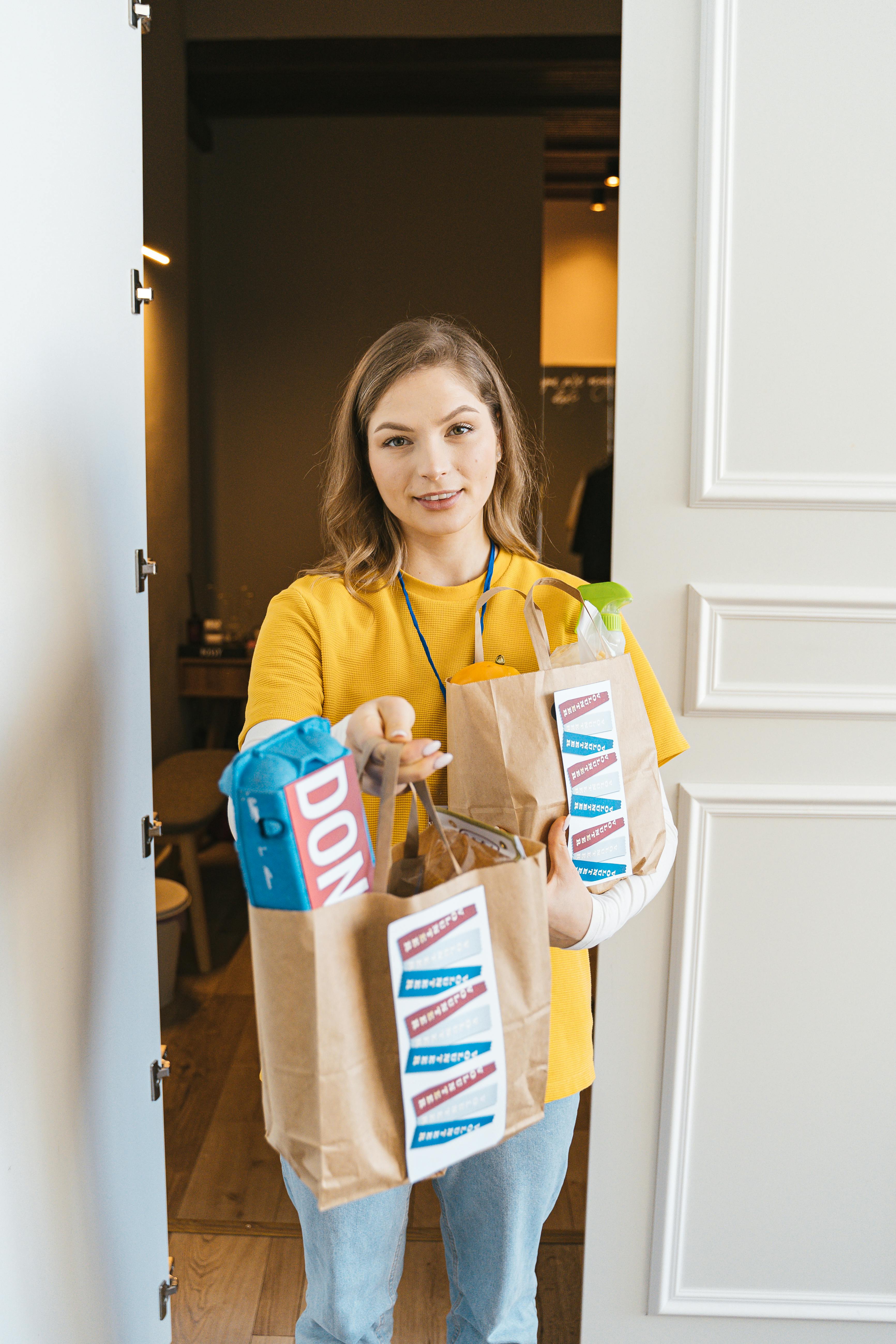
Modern grocery shortcuts can save time, but they usually charge for it. Delivery fees, service markups, prepared foods, and frequent quick trips can make shopping feel efficient while quietly turning routine purchases into premium ones.
According to analysts watching consumer habits, the most cost-conscious shoppers tend to blend convenience with old-school discipline. They use digital coupons and price tracking, but still cook from basics, plan meals, and avoid paying extra for tasks they can do themselves.
This habit may point to a spender who values speed and ease, sometimes more than total cost. That is not always wrong, but it helps to know when convenience becomes a luxury line item.
You buy in bulk without a strategy

Bulk shopping has a smart reputation, but only when the math and your habits line up. Buying oversized packages of items you rarely use can tie up your budget, crowd your pantry, and leave you with food that goes stale long before the savings show up.
Recipe developer Marissa Stevens points out that bulk purchases work best for items with clear value and frequent use, like canned tomatoes, butter, or Parmesan. The key is comparing the per-unit price and knowing the product fits your routine, not just your optimism.
If you bulk buy everything on sale, it may signal a spender who equates more with better. Sometimes the cheaper week is the one where you simply buy less.
You make a list but do not organize it

A list is helpful, but a chaotic list still leaves room for a chaotic trip. If your notes jump from yogurt to onions to paper towels and back again, you are more likely to zigzag through the store and pass tempting displays multiple times.
Stevens recommends organizing a list by section, such as produce, dairy, meat, and pantry, and checking what you already have at home before leaving. That one extra step cuts down on duplicate purchases and keeps your shopping focused.
This habit may suggest you like the idea of budgeting more than the systems that support it. Spending often improves when good intentions are paired with a little structure and fewer opportunities to drift.
You skip store brands automatically
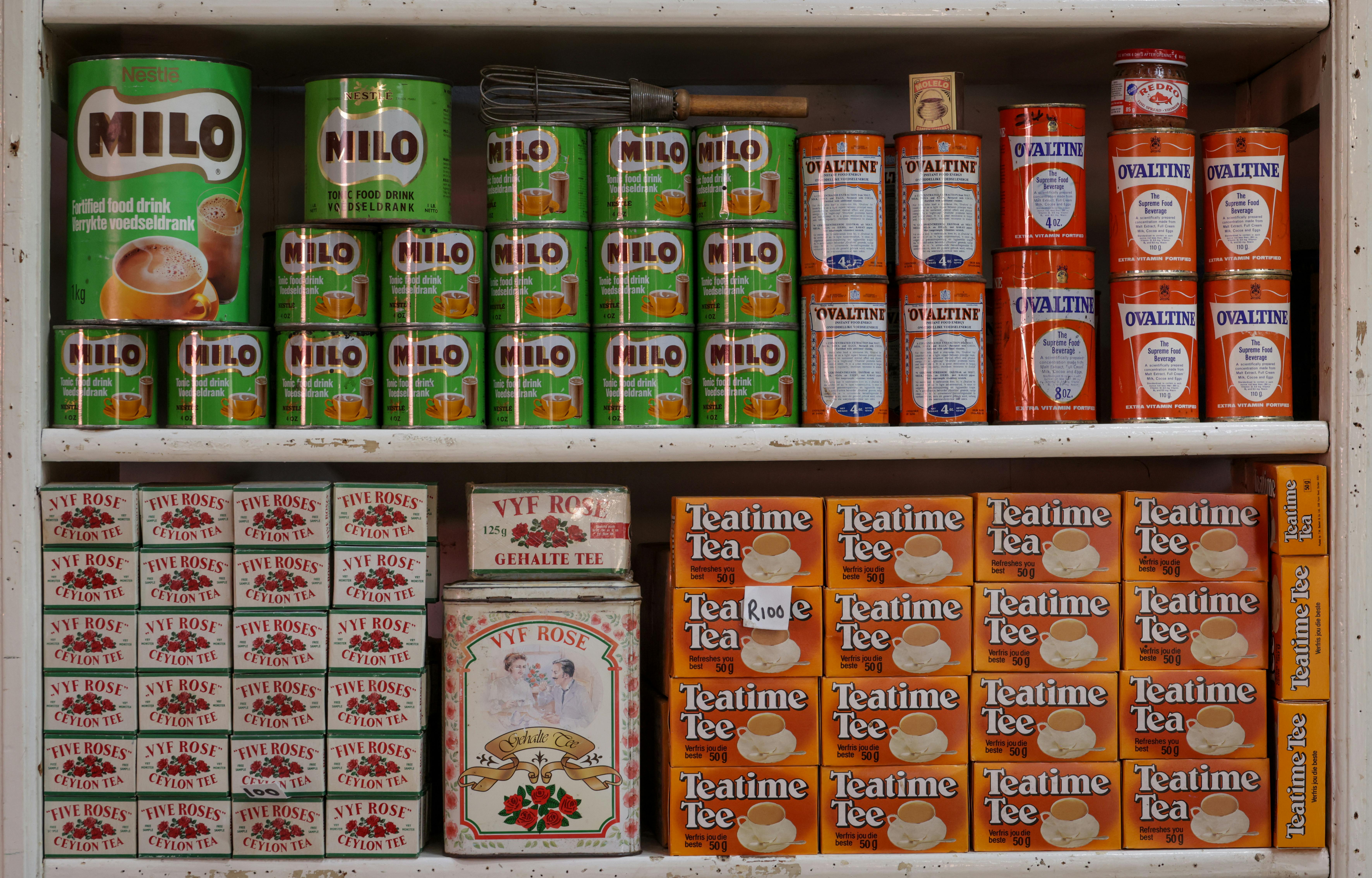
Brand loyalty can feel like quality control, but sometimes it is just a more expensive habit. On many pantry basics, store brands are close in taste and function to national labels, especially for ingredients like beans, broth, canned tomatoes, or flour.
That does not mean every generic pick is the right one. Stevens notes that certain items, such as dairy, chocolate, or ingredients central to a final dish, may be worth splurging on if quality noticeably changes the result.
If you never compare labels or prices, your spending style may lean toward familiarity over evaluation. A careful shopper knows where quality matters and where a simpler package can keep the total down.
You forget to shop your kitchen first

One of the easiest ways to overspend happens before you even leave the house. When you do not check the fridge, freezer, and pantry first, you risk buying a second jar, a third bag, or ingredients that solve a problem you did not actually have.
This kind of spending often feels small, which is why it slips by unnoticed. But repeated duplicates and forgotten leftovers turn into hidden food waste, and that waste is really just part of your grocery bill wearing a different outfit.
If this is your pattern, it may suggest your spending is more reactive than intentional. A quick inventory can turn what looks like a low-supply week into a use-what-you-have win.
You treat every grocery trip like a fresh start
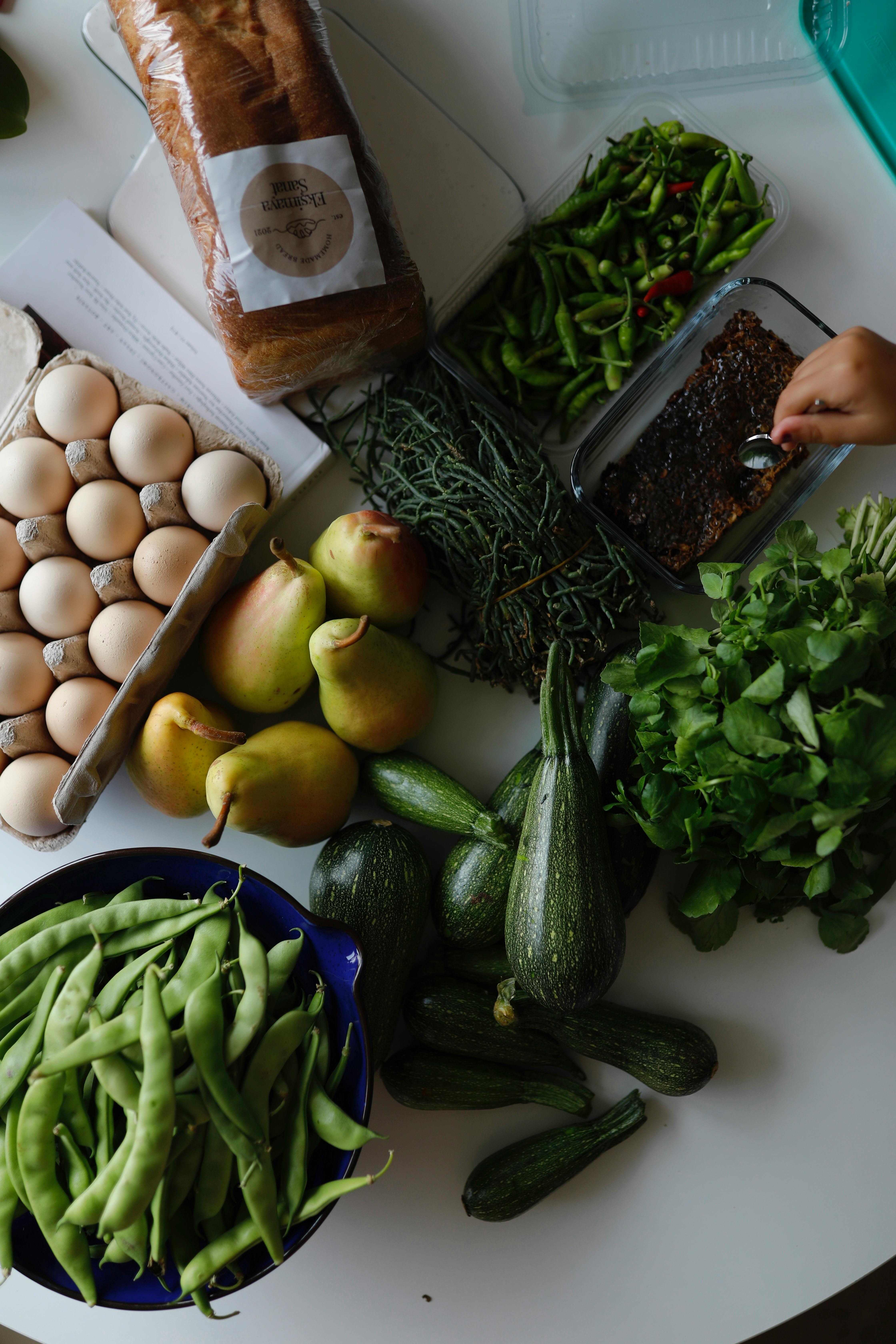
Some shoppers buy as if each week exists in isolation. They do not build meals around what is already on hand, they do not carry staples forward, and they restock from scratch instead of connecting one trip to the next.
That approach can make grocery spending feel unpredictable because there is no rhythm to it. Smarter shopping usually comes from continuity: using last week's rice with this week's vegetables, turning extra roast chicken into soup, or planning meals that share ingredients.
If every cart feels new, your spending habits may favor short-term choices over long-term efficiency. The most economical kitchens often run on overlap, not reinvention.