
A snapshot of how tipping works in Canada today, from common restaurant norms to rising tip prompts and the debate over what feels fair.
The restaurant bill

For sit down restaurants, 15 percent is still widely treated as the baseline tip in Canada. Many diners go higher for strong service, often landing at 18 percent or 20 percent, but that does not mean everyone agrees those numbers are now mandatory. Part of the tension comes from the bill itself. Food prices are higher, taxes add up fast, and payment terminals now present larger preset options. What used to feel like a simple custom can now feel like a math test at the end of dinner.
The payment screen prompt
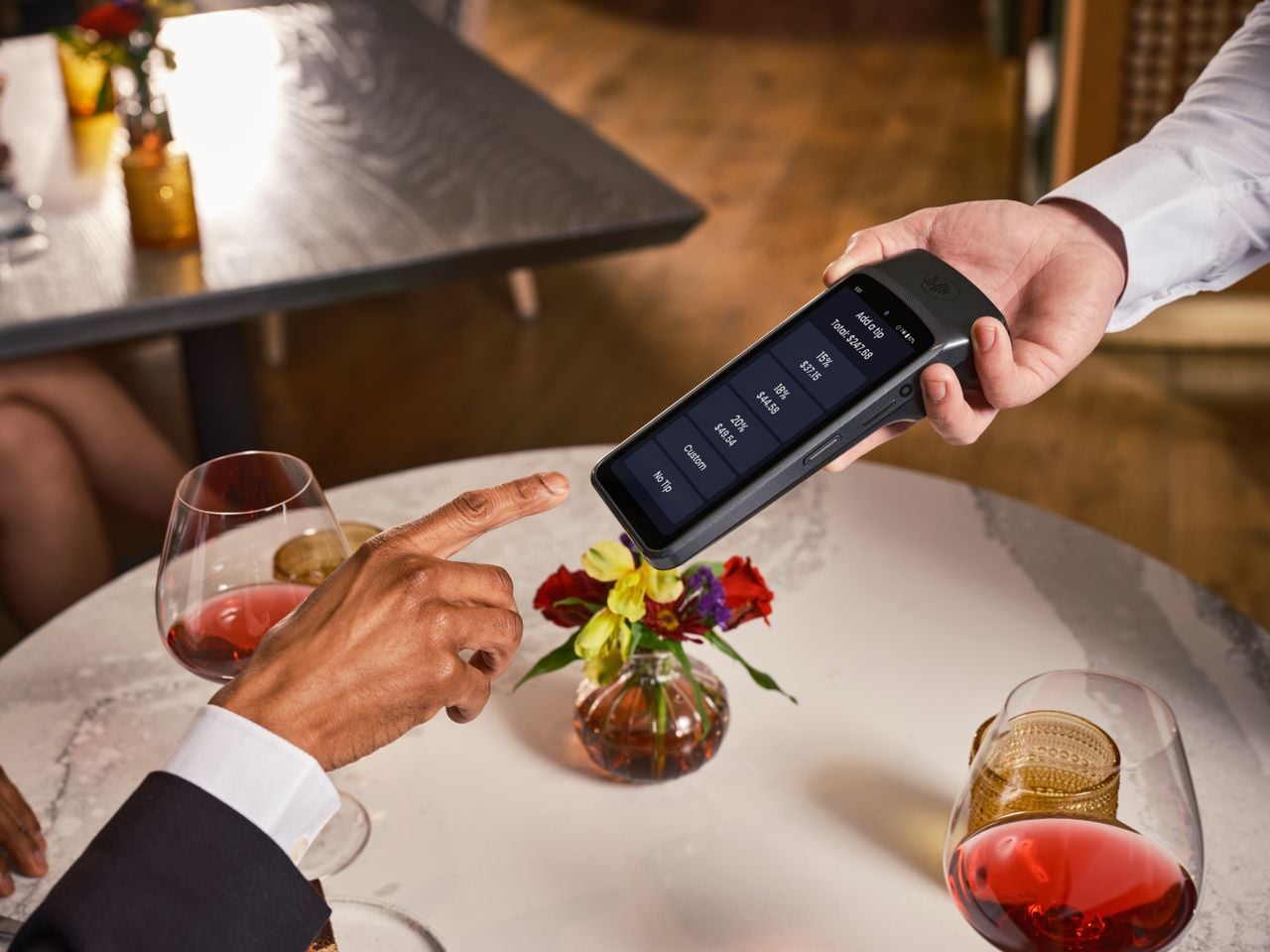
Much of the tipping debate now starts with the machine, not the meal. Many payment terminals suggest 18 percent, 20 percent or 25 percent before a customer chooses anything, which can make a voluntary tip feel more like a social obligation. Those prompts also create confusion because they are not always calculated the same way. Some machines apply the percentage after tax, not before tax, which quietly raises the final tip. For people trying to stick to a budget, that detail matters.
Counter service and coffee shops

Counter service is one of the biggest gray areas in Canada right now. Many coffee shops, bakeries and takeout counters ask for a tip, even when there is no table service, no delivery and only a brief interaction at the register. Some customers still tip a small amount, especially for a complicated drink or friendly service. Others skip it entirely and see the request as an example of tip creep, the gradual spread of tipping into places where it was once uncommon. That split helps explain why opinions feel so scattered.
Delivery at the door
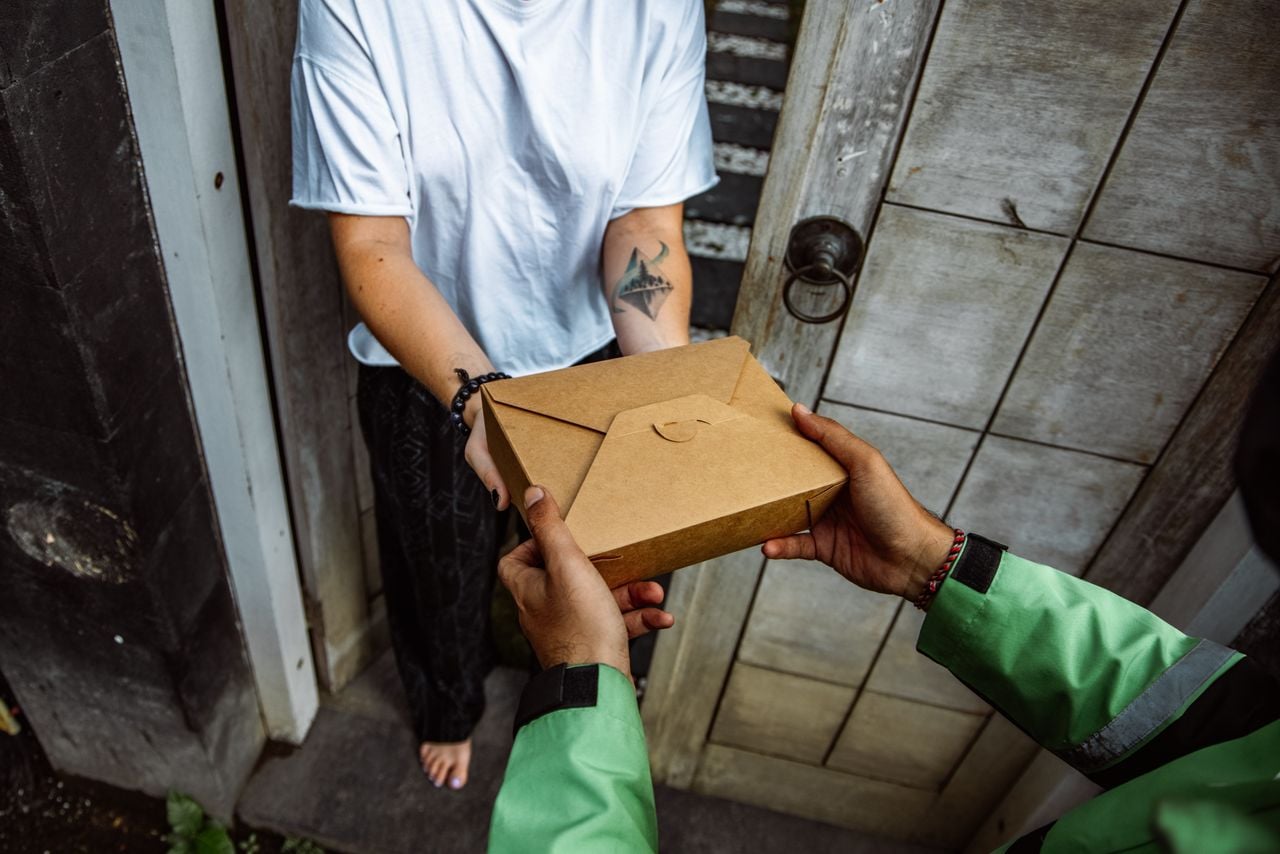
Food delivery remains one of the places where many Canadians still expect to tip, but the amount can vary more than it once did. A common approach is around 10 percent to 15 percent, with many customers adjusting based on distance, weather, speed and the size of the order. Delivery apps have changed expectations here too. Service fees, delivery fees and other charges can make the total feel inflated before a tip is even added, which leads some people to tip less than they would have in the past.
Hair salons and personal services

At salons, barbershops and similar personal service businesses, tipping is still common in Canada. Many customers continue to treat 15 percent to 20 percent as normal, especially when they see the same stylist or barber regularly. This category tends to feel less controversial than tipping at a self serve counter, partly because the service is personal and time intensive. Even so, rising prices have changed the calculation. When a haircut costs more than it did a few years ago, the tip climbs right along with it.
Hotels, taxis and the old rules

Some tipping situations in Canada still follow older habits. Taxi rides often get a modest tip, hotel housekeeping may receive a few dollars per day, and bell staff are often tipped per bag. These customs are familiar, but they are less visible than restaurant tipping, so people discuss them less. Even here, consistency is fading. Ride hailing apps, contactless payments and fewer cash transactions mean many people are making tip decisions in the moment, often without the shared rules that once made etiquette feel clearer.



Leave a Reply