
A nostalgic look at the practical, shareable recipes Canadian women often swapped at Tupperware parties, from refrigerator desserts to potluck casseroles and make ahead salads.
Jell O salads in molded bowls
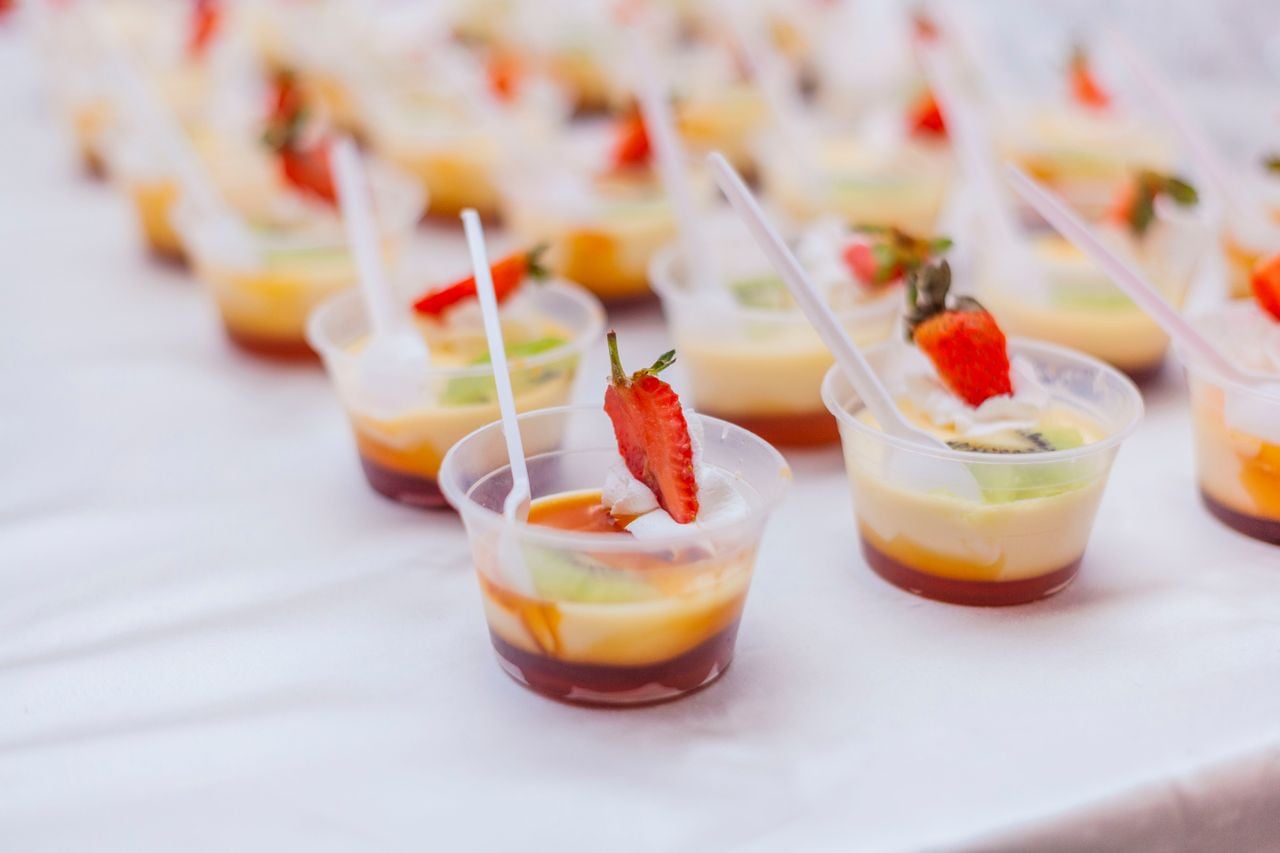
Few dishes say midcentury party food like a molded gelatin salad turned out onto a plate. At home parties, these recipes fit the sales pitch perfectly because they chilled neatly, traveled well and looked tidy when stored in lidded plastic bowls. Canadian home cooks often adapted them to what they had on hand, adding canned fruit, grated vegetables or whipped topping. The result sat somewhere between side dish and dessert, which made it a familiar sight at potlucks, showers and coffee gatherings.
No bake refrigerator cakes
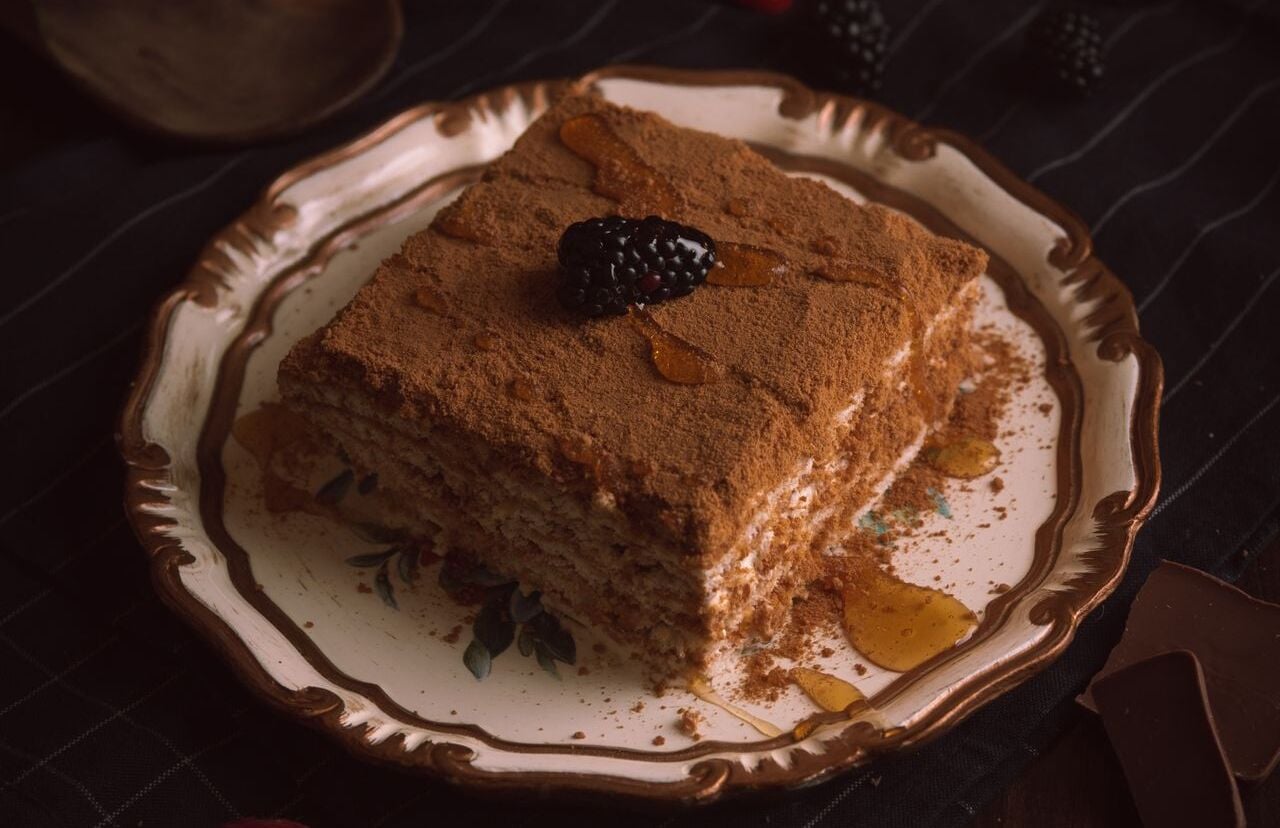
Refrigerator desserts were a natural match for the era's food storage culture. Icebox cakes, layered with cookies or graham wafers and whipped filling, could be assembled ahead, chilled overnight and served straight from a covered container. These recipes spread easily from one kitchen to another because they asked for little more than a fridge and a steady hand. For busy households, that mattered. A dessert that improved as it sat was exactly the kind of practical idea women brought home from an afternoon spent over coffee.
Casseroles built for leftovers
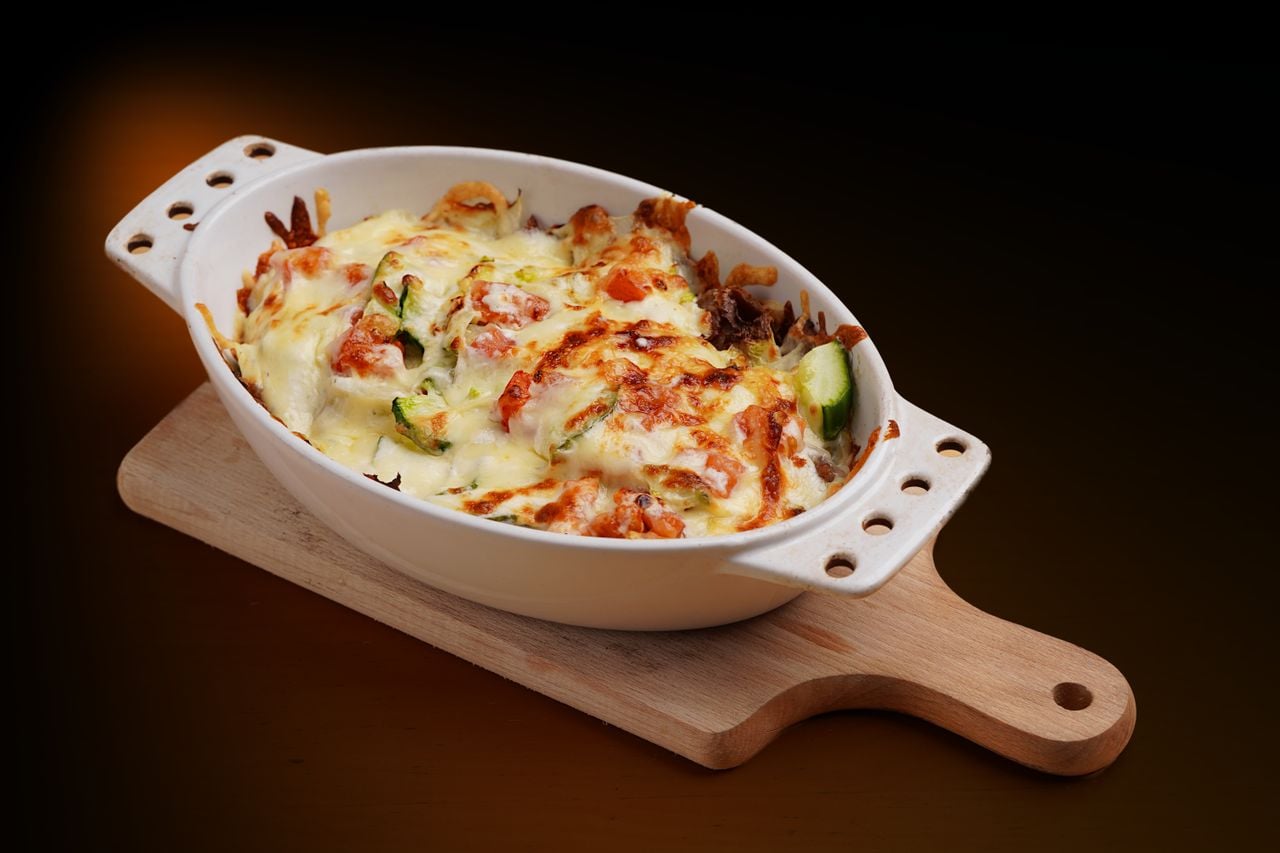
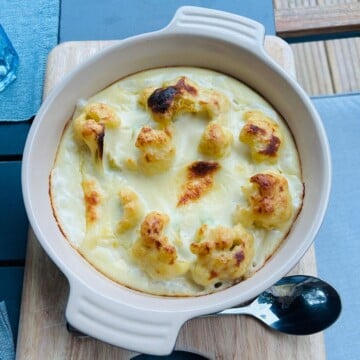
Casseroles were party conversation and weekday strategy at the same time. A baked dish made with noodles, canned soup, cheese or ground meat fed a family, packed up easily and made the most of leftovers, all of which lined up with the promise of keeping food fresh. At many gatherings, recipe cards for these dishes changed hands as readily as order forms. Their appeal was simple: one pan, affordable ingredients and portions that could be chilled for the next day, then reheated without much fuss.
Make ahead macaroni and potato salads
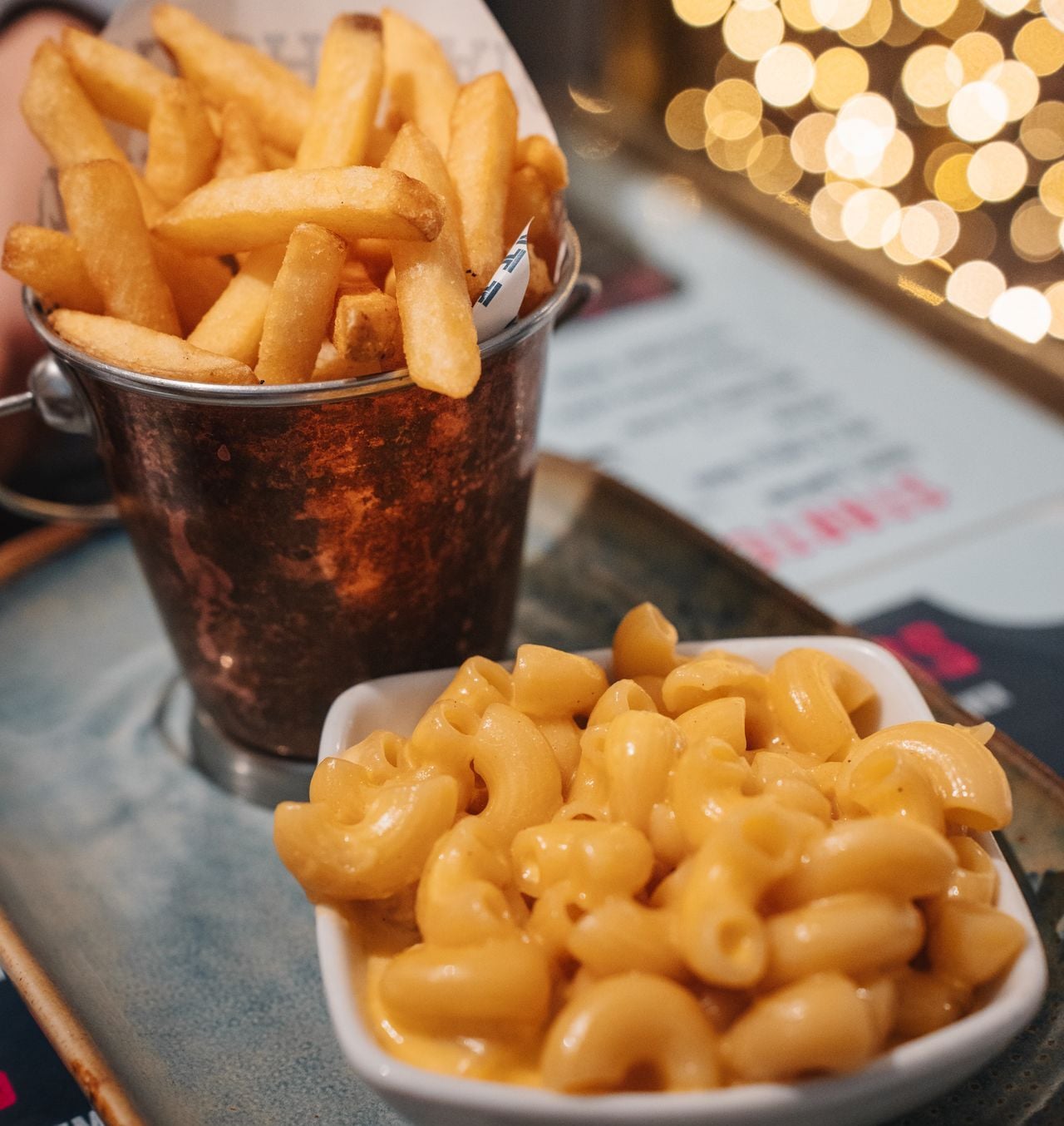
Cold salads were staples because they solved several problems at once. Macaroni salad and potato salad could be made in bulk, held in the fridge and carried to a community hall or backyard table without losing their place in the meal. They also showed off the usefulness of tightly sealed bowls. A host could stir, chill and transport the same dish in one container. That kind of convenience helped explain why these creamy salads became regulars at parties, picnics and informal lunches across Canadian neighborhoods.
Date squares and dainty tray bakes
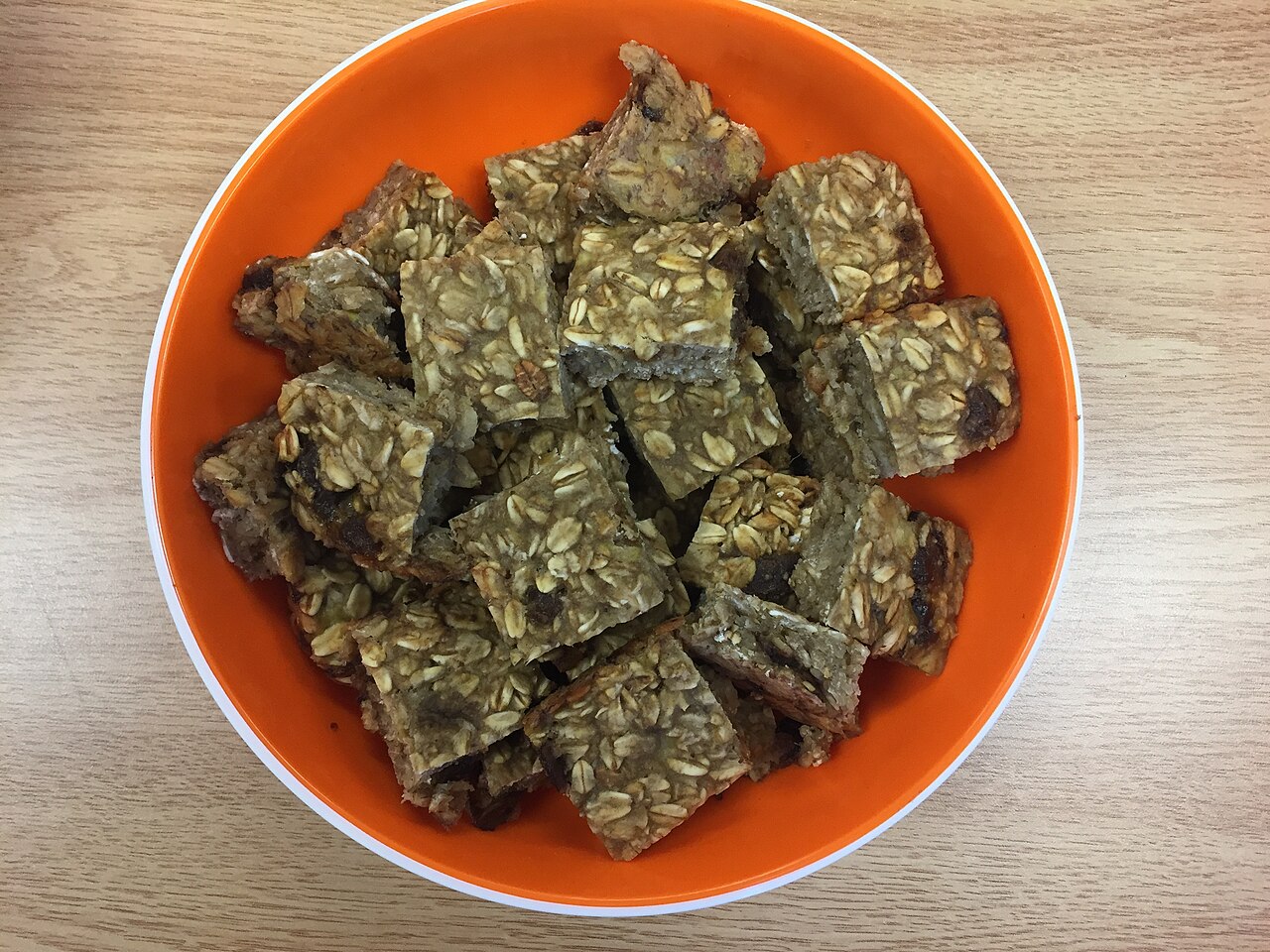
Not every shared recipe was a full meal. Date squares, nanaimo style bars and other tray bakes were ideal coffee party food because they could be cut small, arranged neatly and stored for days in a sealed container. That made them perfect for hosts who wanted something homemade without last minute work. In many Canadian homes, these bars were practical baking, not special occasion showpieces. They were sturdy enough to stack, sweet enough to please a room and easy enough to copy onto an index card before guests left.
Leave a Reply