
A photo gallery of classic church basement potluck dishes that shaped Canadian boomer food memories, from casseroles to squares and salads.
Scalloped potatoes and ham
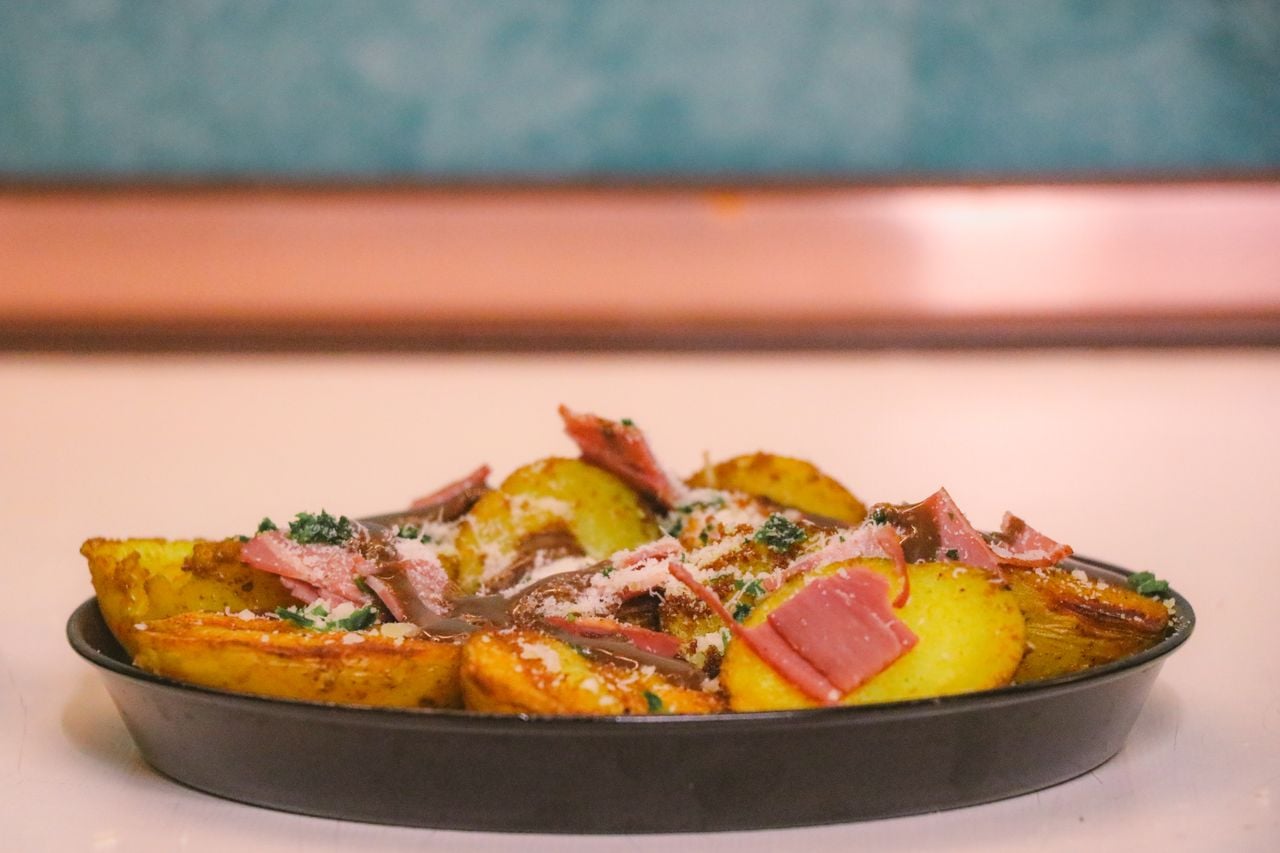
This was comfort food built for a crowd, and it showed up in heavy glass or enamel pans that stayed warm for ages. Sliced potatoes, onions, milk or cream, and leftover ham turned pantry basics into something substantial enough to anchor the table. In many churches, this dish signaled thrift as much as hospitality. It stretched Easter or Sunday roast leftovers into a second meal, and the browned edges were often the part everyone wanted first.
Tuna noodle casserole
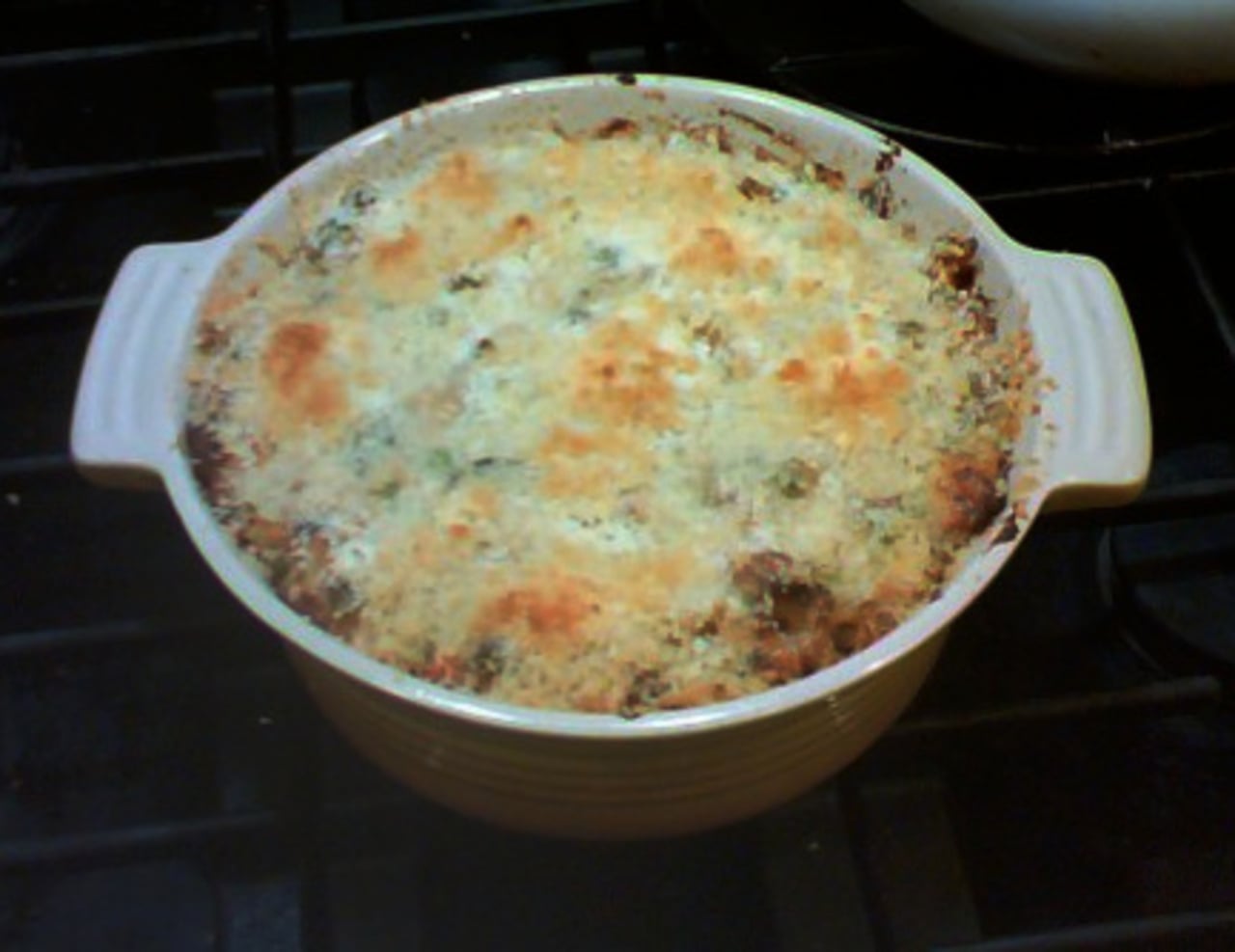
Few dishes say mid-century potluck more clearly than tuna noodle casserole. Egg noodles, canned tuna, peas, and a creamy sauce, often helped along by condensed soup, made it affordable, filling, and easy to carry from home to fellowship hall. It was also practical in a way boomers remember well. You could bake it ahead, reheat it without fuss, and feed a long line of people with ingredients that were already in the cupboard or freezer.
Seven layer salad
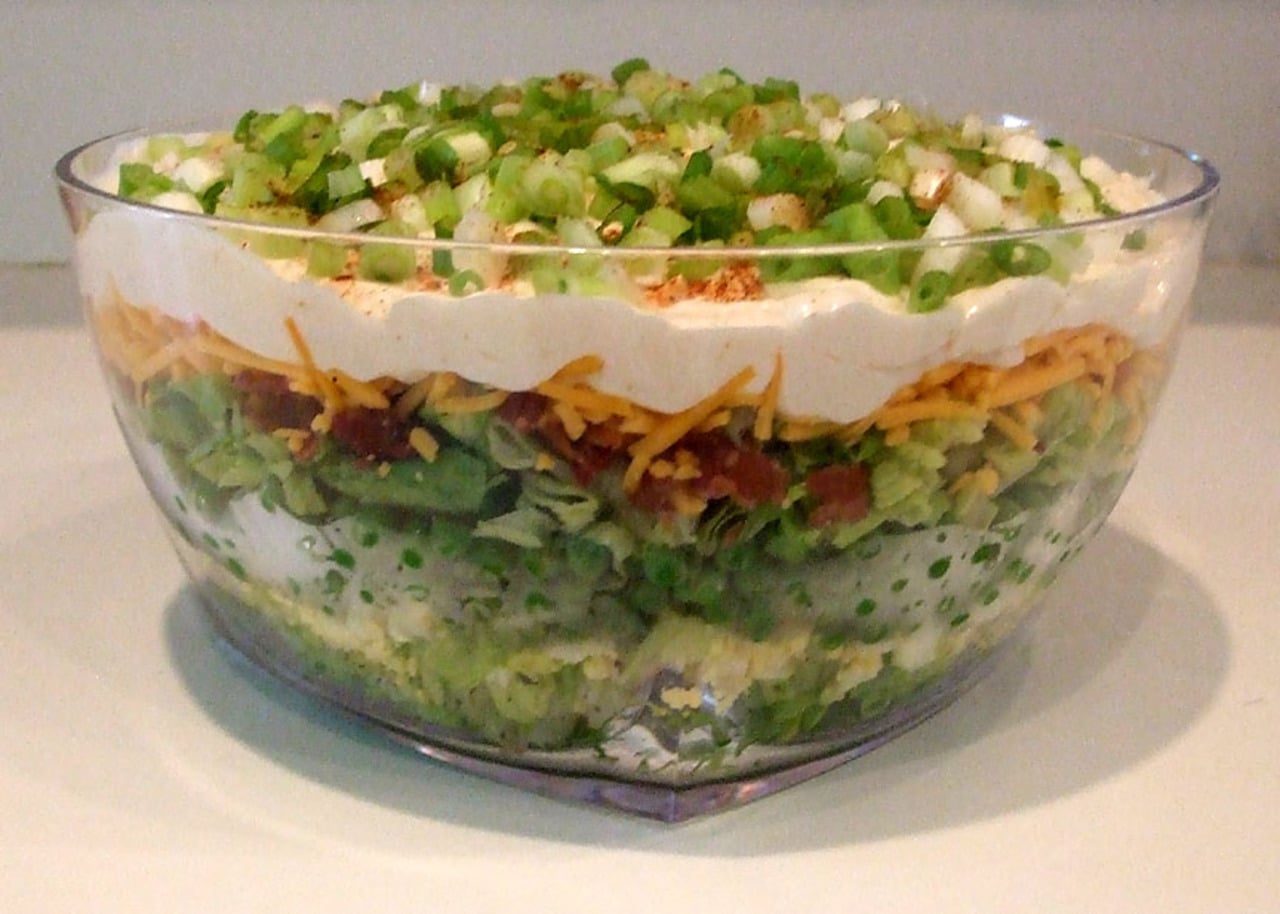
This was the showpiece of the cold table, built in a deep glass bowl so every stripe could be admired before serving. Lettuce, peas, celery, hard-cooked eggs, bacon, and shredded cheese sat under a sweet, creamy dressing that kept everything crisp until supper. The appeal was visual as much as practical. It looked festive, traveled well, and could be made hours ahead, which mattered when cooks were juggling work, family, and a dish to deliver by late afternoon.
Jellied salad with fruit
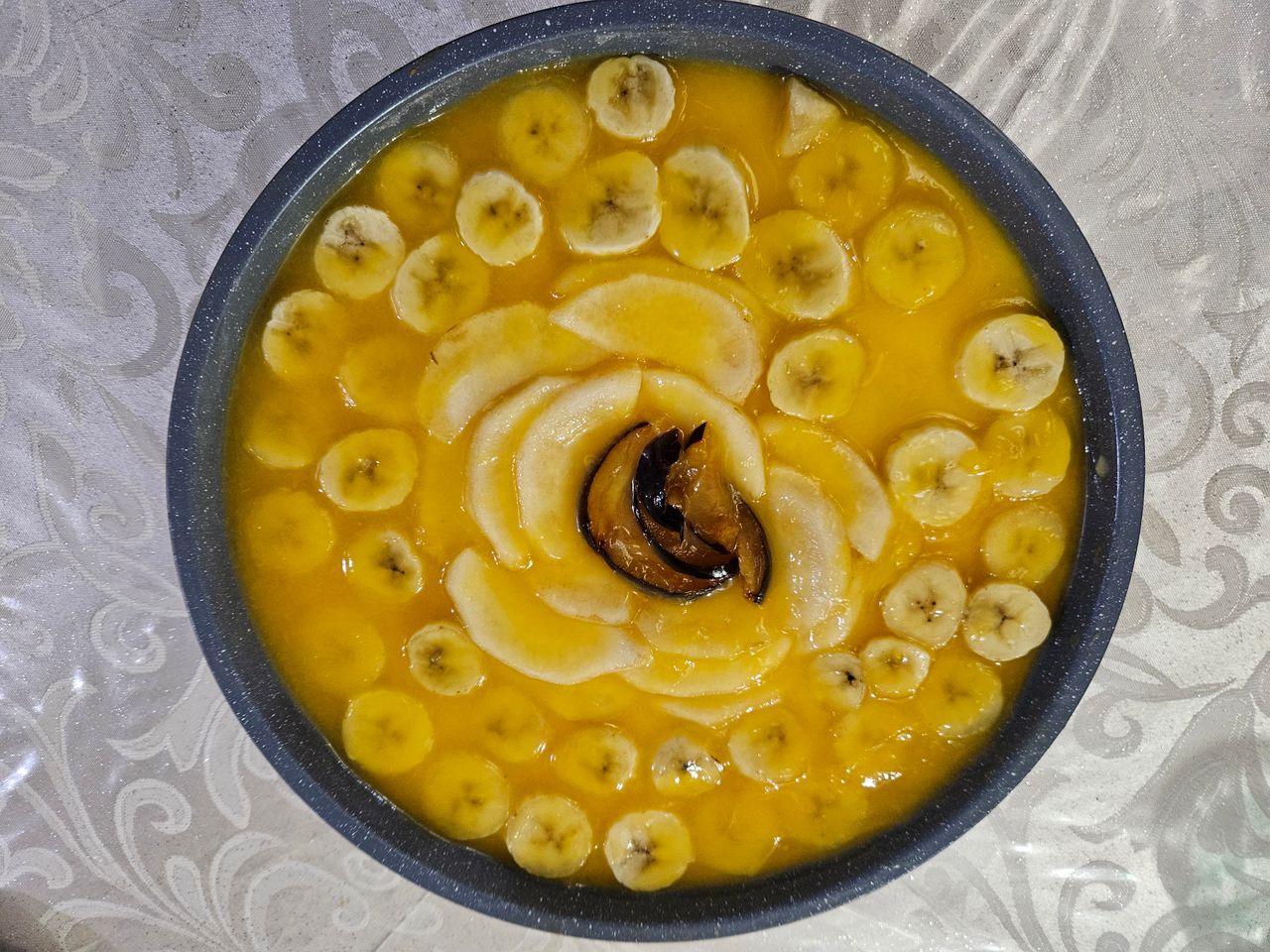
Jellied salads occupied a space between side dish and dessert, and that ambiguity was part of their charm. Lime, orange, or strawberry gelatin might hold canned fruit, cottage cheese, whipped topping, shredded carrot, or even marshmallows, depending on the cook and the region. For boomers, the texture is often the first memory. Cold, wobbly, sweet, and slightly creamy, it was a potluck staple because it was inexpensive, colorful, and easy to portion for a room full of people.
Cabbage rolls
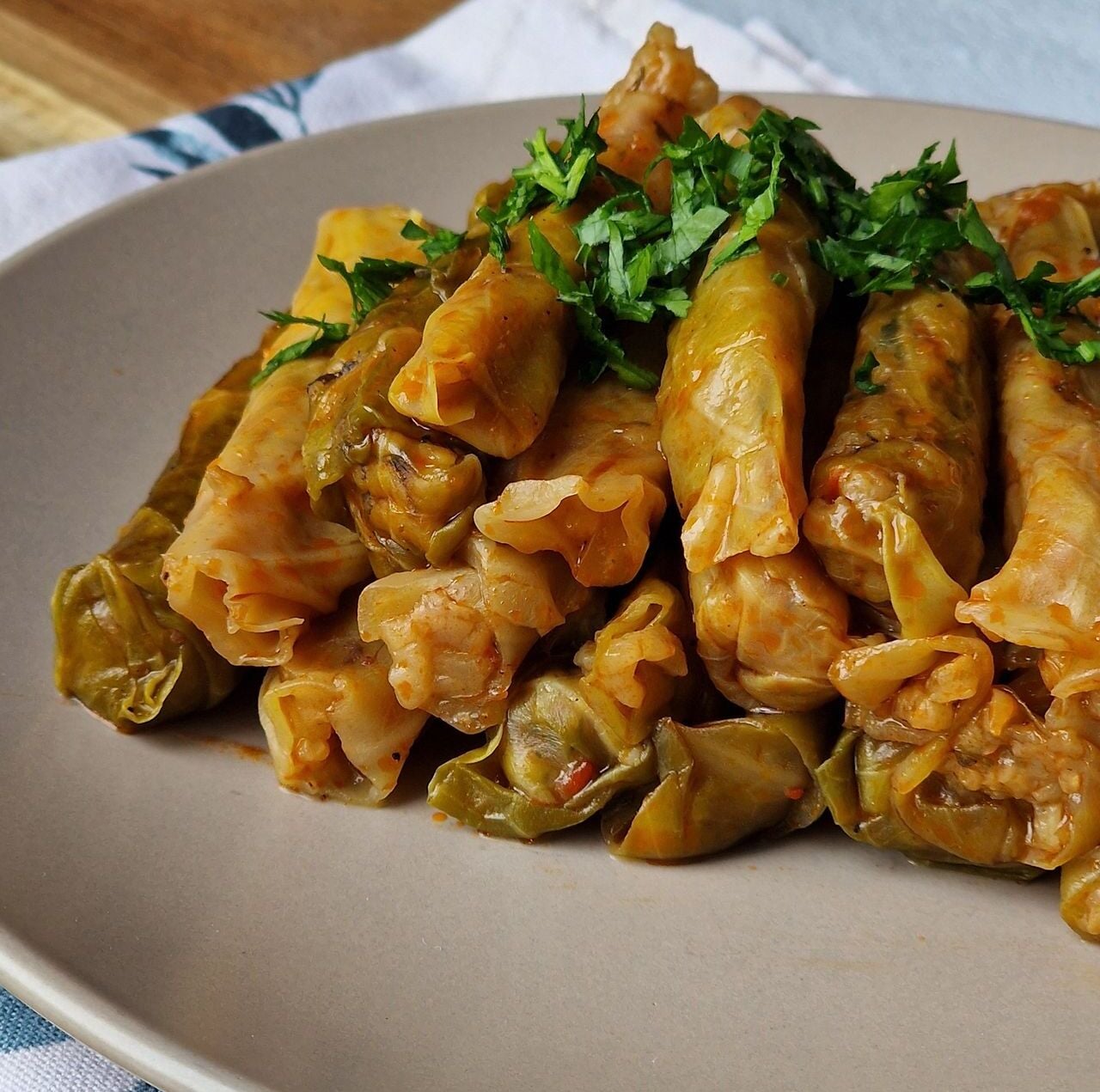
Where Eastern European traditions ran deep, cabbage rolls were one of the most respected contributions on the table. Tender cabbage leaves wrapped around beef, pork, or rice, then baked in tomato sauce, brought real labor and family technique to a meal that mixed many backgrounds. They also carried a sense of occasion. A tray of cabbage rolls suggested someone had spent serious time in the kitchen, and that effort rarely went unnoticed when the serving line opened.
Deviled eggs
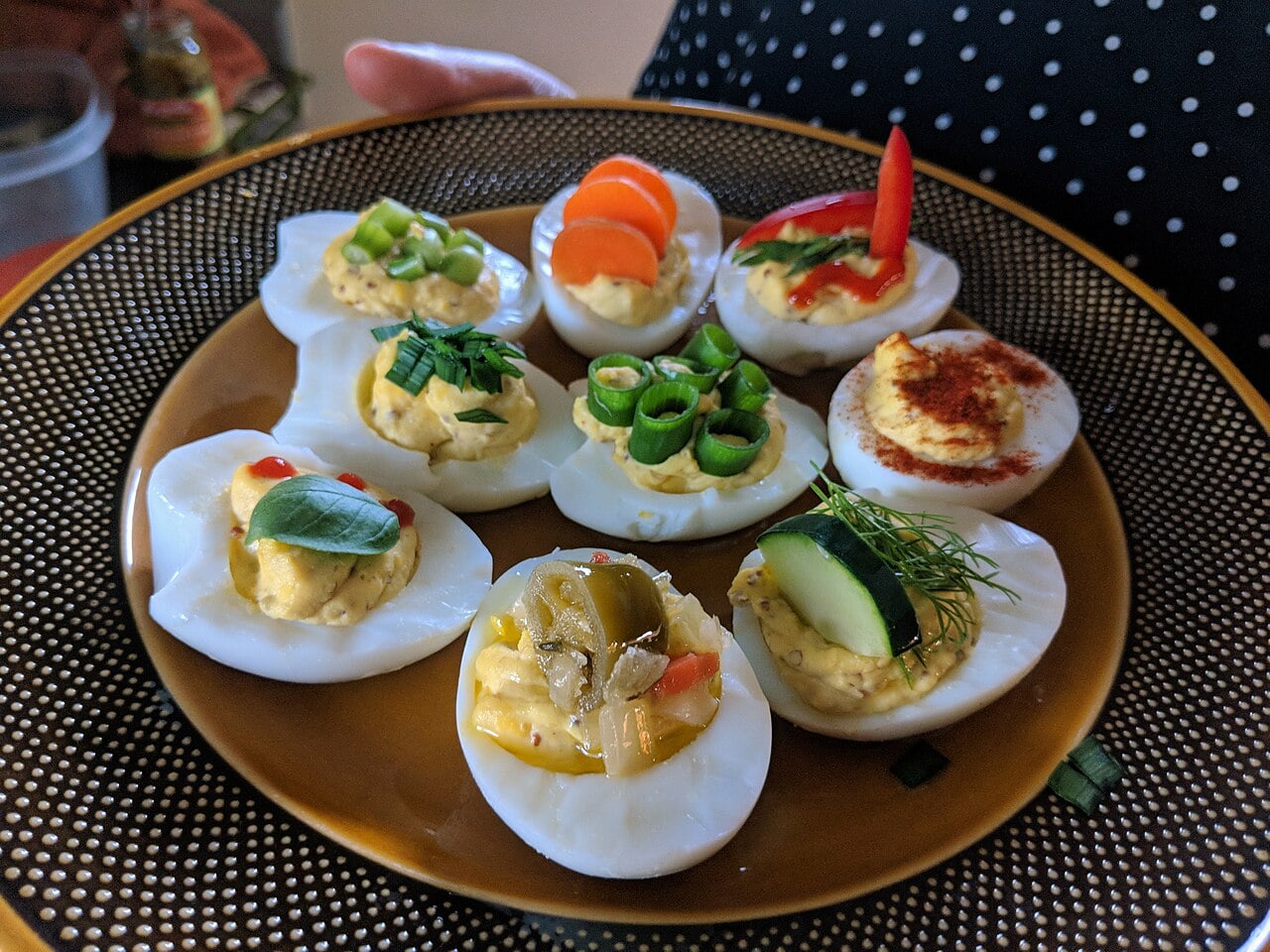
Deviled eggs were among the smallest items on the potluck table, but they disappeared with remarkable speed. Halved eggs filled with mashed yolk, mayonnaise, mustard, and paprika delivered a rich, familiar bite that people could pick up quickly while balancing a plate and coffee. Their popularity came from more than taste. They were neat, easy to serve, and usually one of the first dishes to look obviously depleted, which made them feel like the early winner at almost any supper.

Leave a Reply