
Before chain coffee counters and highway plazas became standard, many Canadian families packed full coolers for long drives. This gallery looks at five foods and drinks that regularly rode along, from practical staples to treats that felt special on the road.
Hard boiled eggs
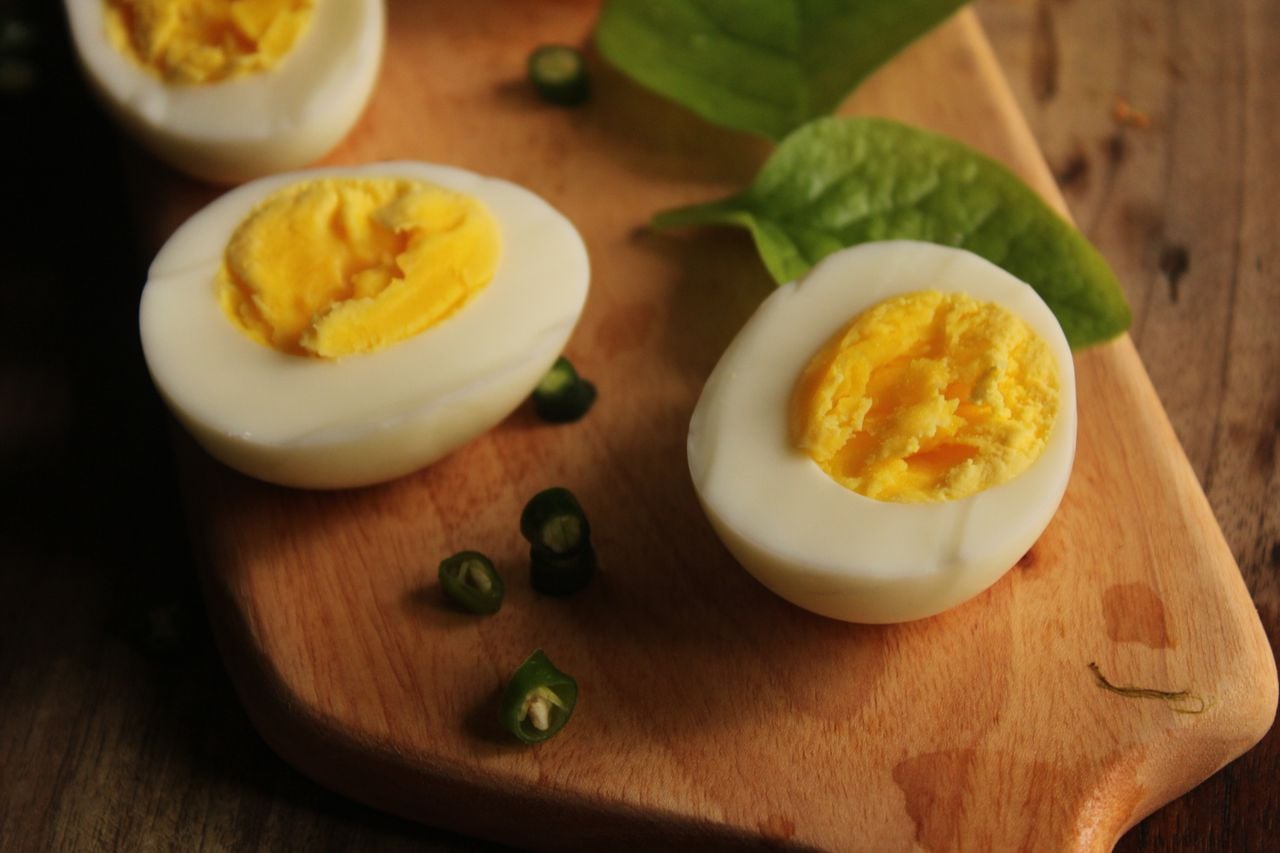
Hard boiled eggs were a road food with real staying power because they traveled well for a few hours, came in their own packaging and turned a stop at a picnic table into a proper snack. They also cost less than buying food for a whole family along the way. In many households, the eggs were packed already peeled, with a small salt shaker tucked nearby. That detail feels almost formal now, but it made sense when a cooler had to cover half a day, or an entire day, between reliable meal stops.
Cold fried chicken
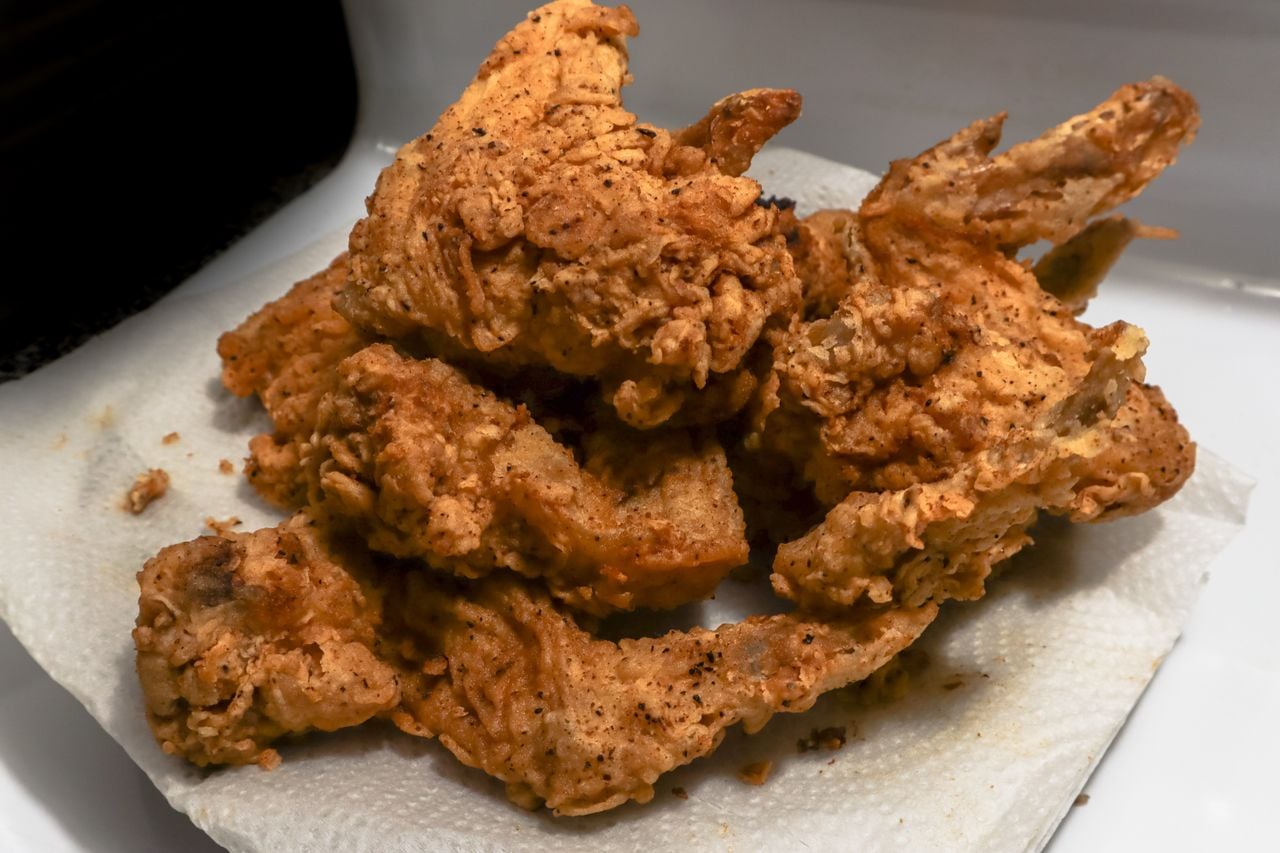
Cold fried chicken showed up in plenty of family coolers because it solved several problems at once. It was filling, easy to pass around and still tasted good after hours on the road, which made it more dependable than foods that turned soggy or needed reheating. It also carried a slight sense of occasion. A drive to a cottage, campground or relatives could start to feel like an outing before anyone reached the destination. Chicken packed in wax paper or foil was messy in the best old fashioned way, and that was part of its appeal.
Tomato sandwiches
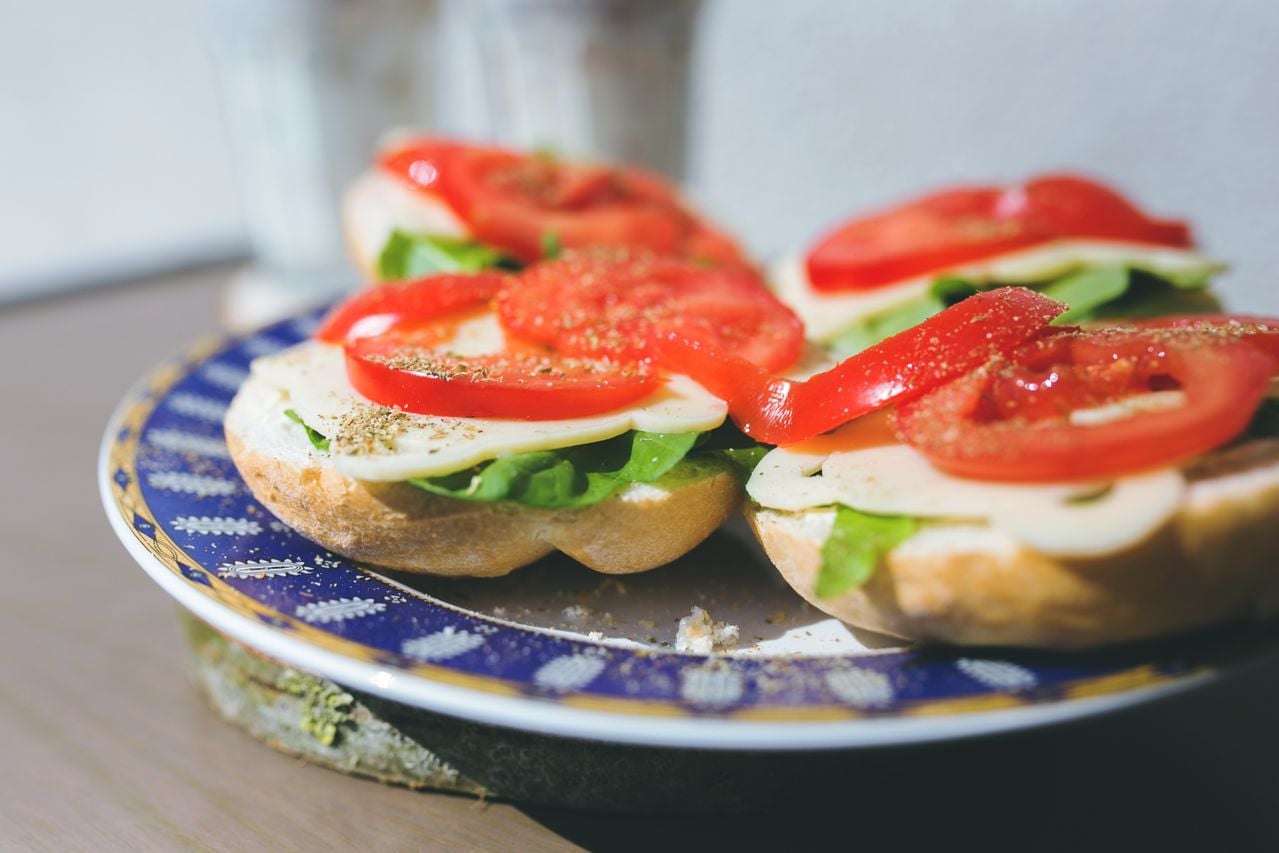
A tomato sandwich sounds too simple to earn cooler space, but that was part of its value. White bread, sliced tomatoes, salt, pepper and mayonnaise made a quick lunch from ingredients many families already had at home, especially in summer when garden tomatoes were plentiful. The surprising part was timing. Some families assembled them just before leaving, while others packed the components separately to avoid soggy bread. Either way, they turned a highway shoulder or rest area into a familiar kitchen table meal, which mattered on very long drives between communities.
Thermoses of milk
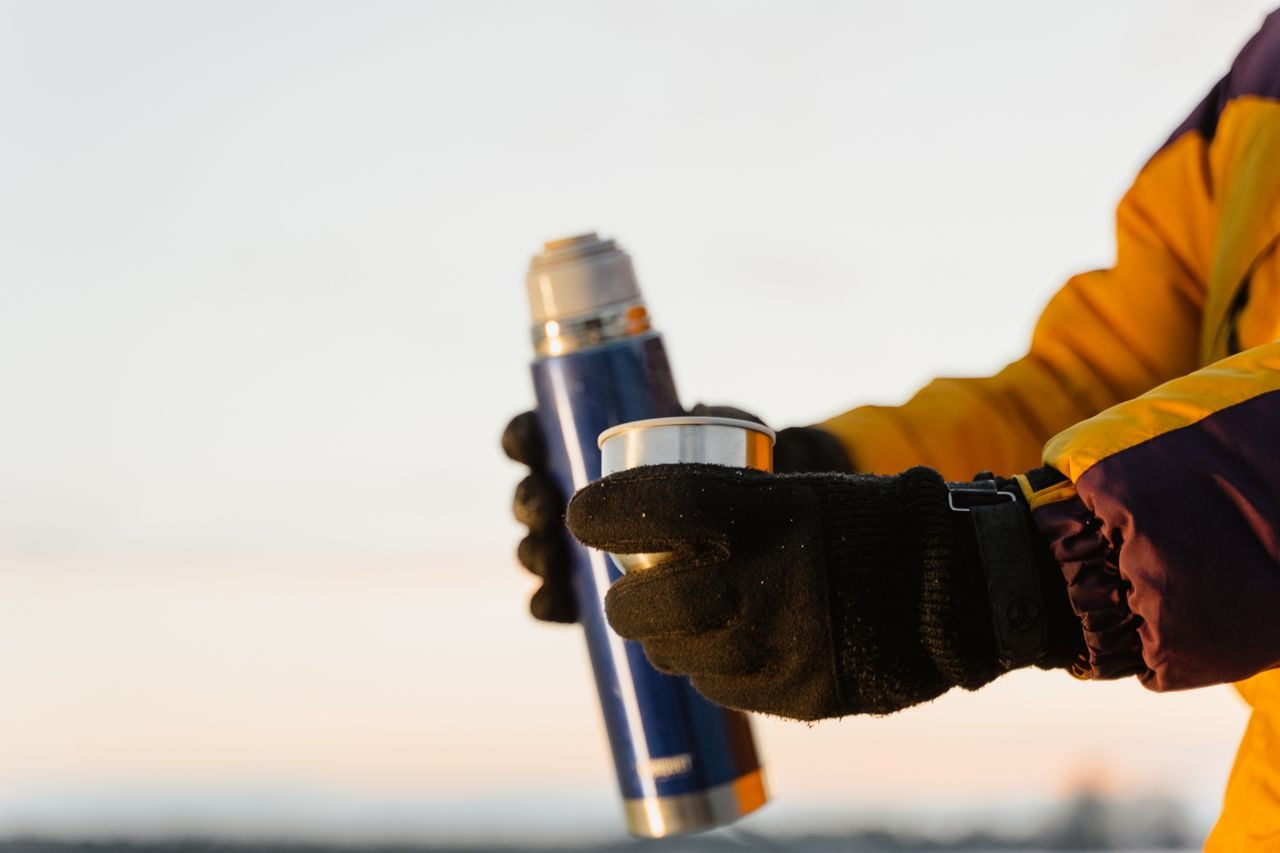
Today, a car cup holder usually means coffee or bottled water. Earlier family road trips often included a thermos of milk, especially when young children were along. It sounds unusual now, but it fit the era: milk was treated as an everyday mealtime staple, not something reserved for home. A wide mouthed thermos and a stack of small cups could make lunch feel organized, even in a gravel turnout. For parents trying to avoid repeated restaurant stops, bringing milk was one more way to keep the day on schedule and the budget under control.
Watermelon on ice
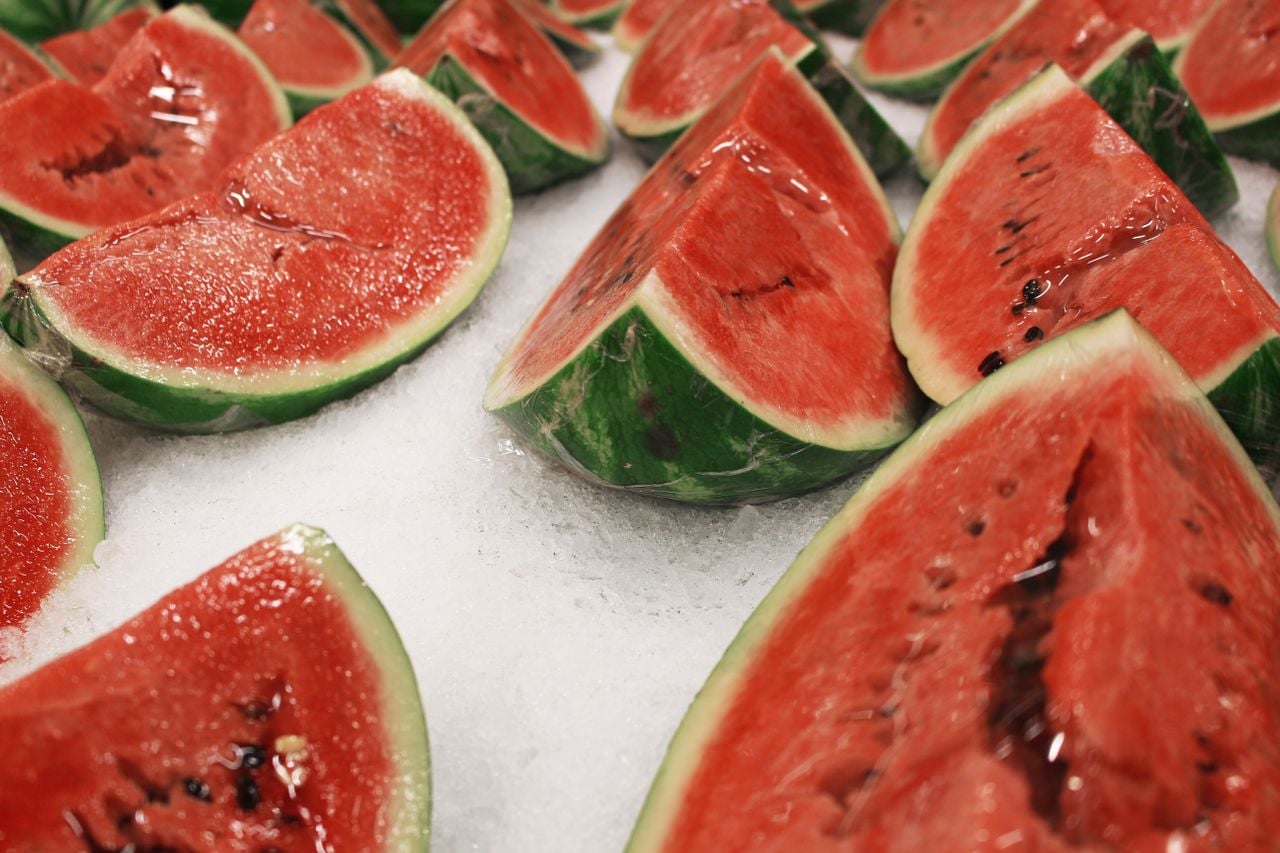
Few cooler items felt more luxurious than a wedge of watermelon packed on ice. It took up valuable space and could be drippy to serve, which is exactly why it stands out. Families brought it because it cooled everyone down fast and doubled as dessert without any extra prep. On hot summer drives, especially toward beaches, campgrounds or cottages, watermelon turned a roadside break into something close to a picnic. It also worked as a shared treat for a full carload. Sticky hands were a minor tradeoff for something cold, sweet and genuinely refreshing.
Leave a Reply