
A look at the old kitchen habit of saving bacon drippings in a coffee can, from everyday cooking uses to the frugal logic behind it.
The coffee can itself
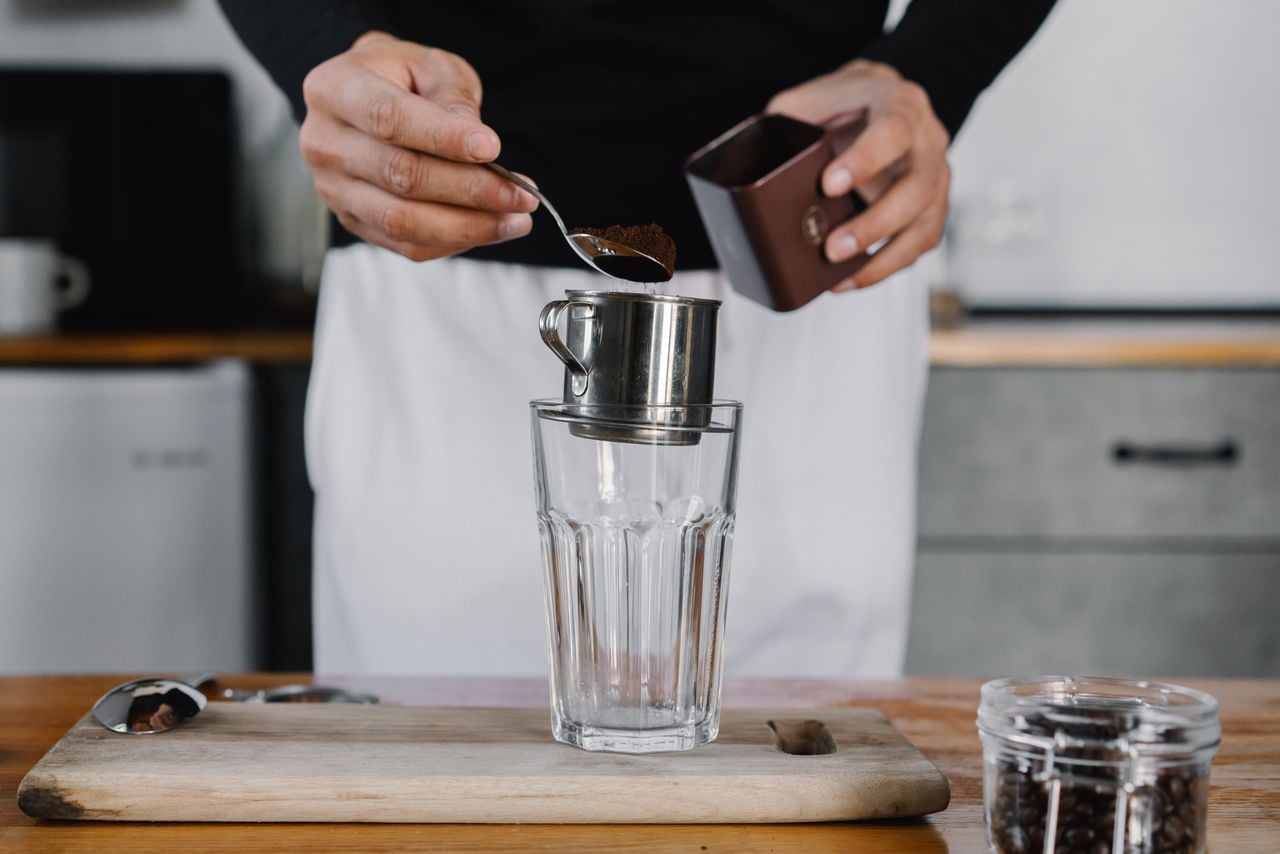
The container was often nothing fancy, just an empty metal coffee can or a jar set near the stove. It stayed within reach because bacon drippings were added a little at a time after breakfast, then used again later for supper. The setup reflected a practical kitchen rhythm. Reusing a container cost nothing, and keeping fat handy meant a cook could season a pan or start a dish without opening a fresh bottle of oil.
A frugal way to waste less

Saving bacon grease made sense in households that treated every usable ingredient as worth keeping. After bacon was fried, the drippings were not seen as scraps. They were cooking fat with real value, especially for families trying to make meals stretch. That habit fit a broader home cooking culture built on thrift. One breakfast could season several later dishes, which meant more flavor from the same package of bacon and one less item to buy at the store.
Greasing cast iron pans
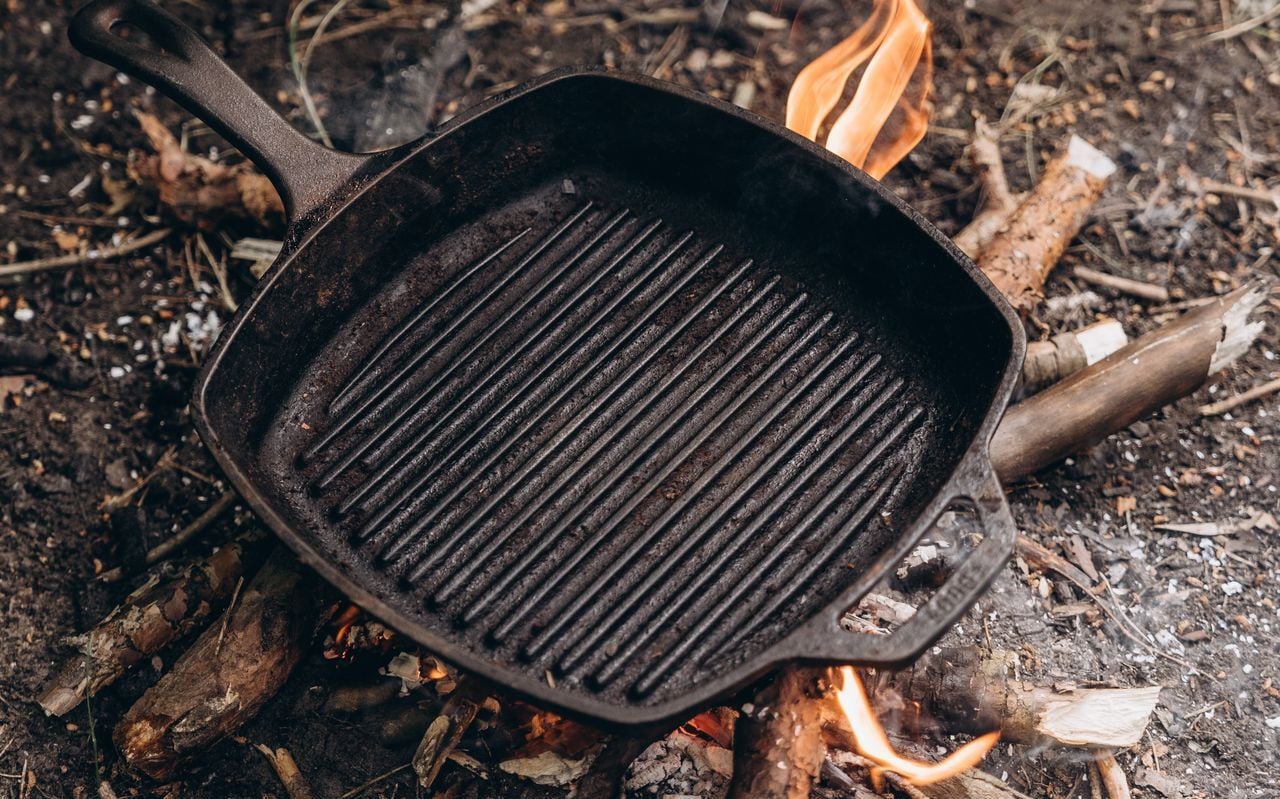
One of the most common uses was greasing a skillet, especially cast iron. A small spoonful rubbed across a warm pan helped keep food from sticking and added a savory note that neutral oils do not bring. This was especially useful before modern nonstick cookware became common. In many kitchens, bacon grease helped maintain the daily usefulness of a well seasoned pan, making it easier to cook eggs, potatoes, cornbread, or anything else that benefited from a lightly coated surface.
Flavoring beans and vegetables
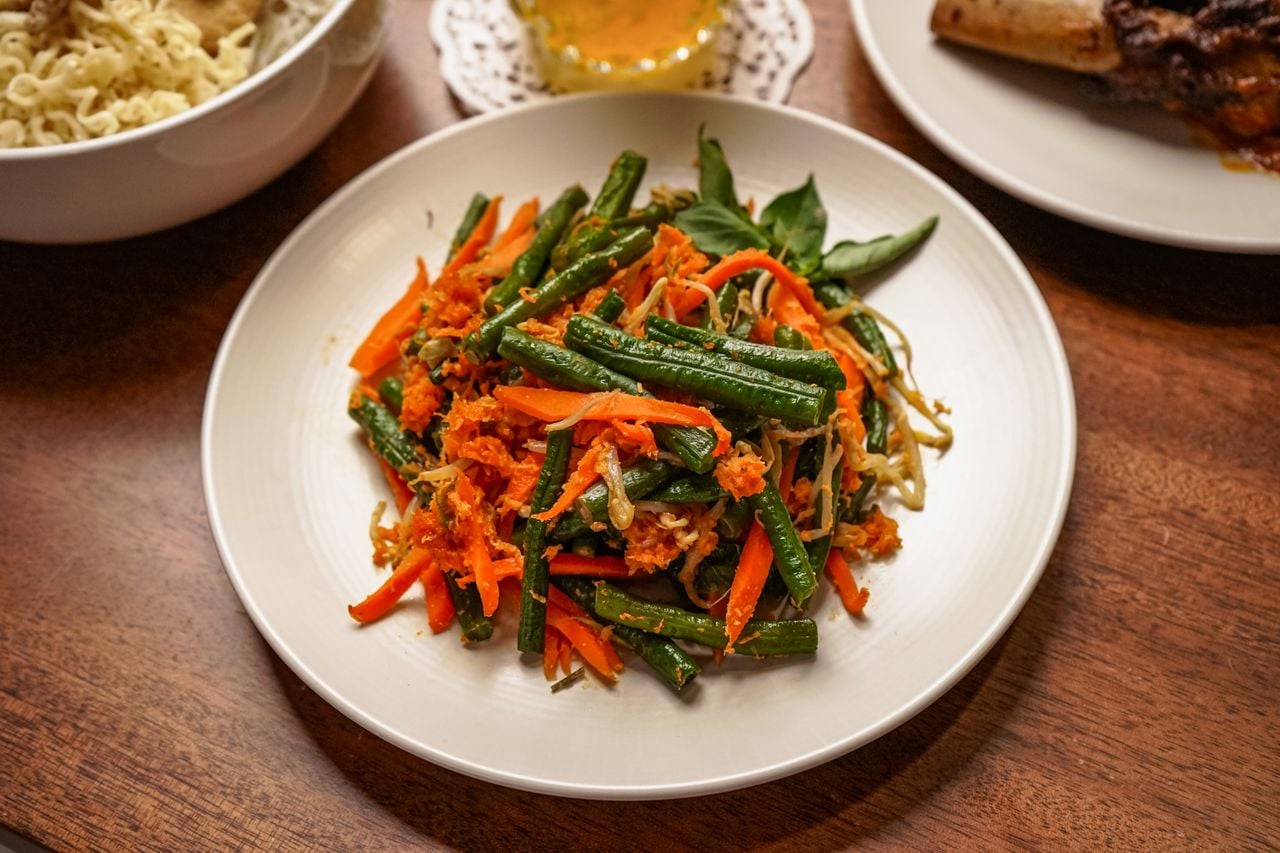
A little bacon grease could turn plain ingredients into something much richer. Cooks often used it to start green beans, collard greens, cabbage, fried potatoes, or a pot of beans, where the smoky, salty flavor spread through the whole dish. It worked like a shortcut seasoning. Instead of adding several ingredients, one spoonful delivered both fat and flavor, helping inexpensive staples taste fuller and more satisfying without much extra effort.
Starting gravy and pan sauces
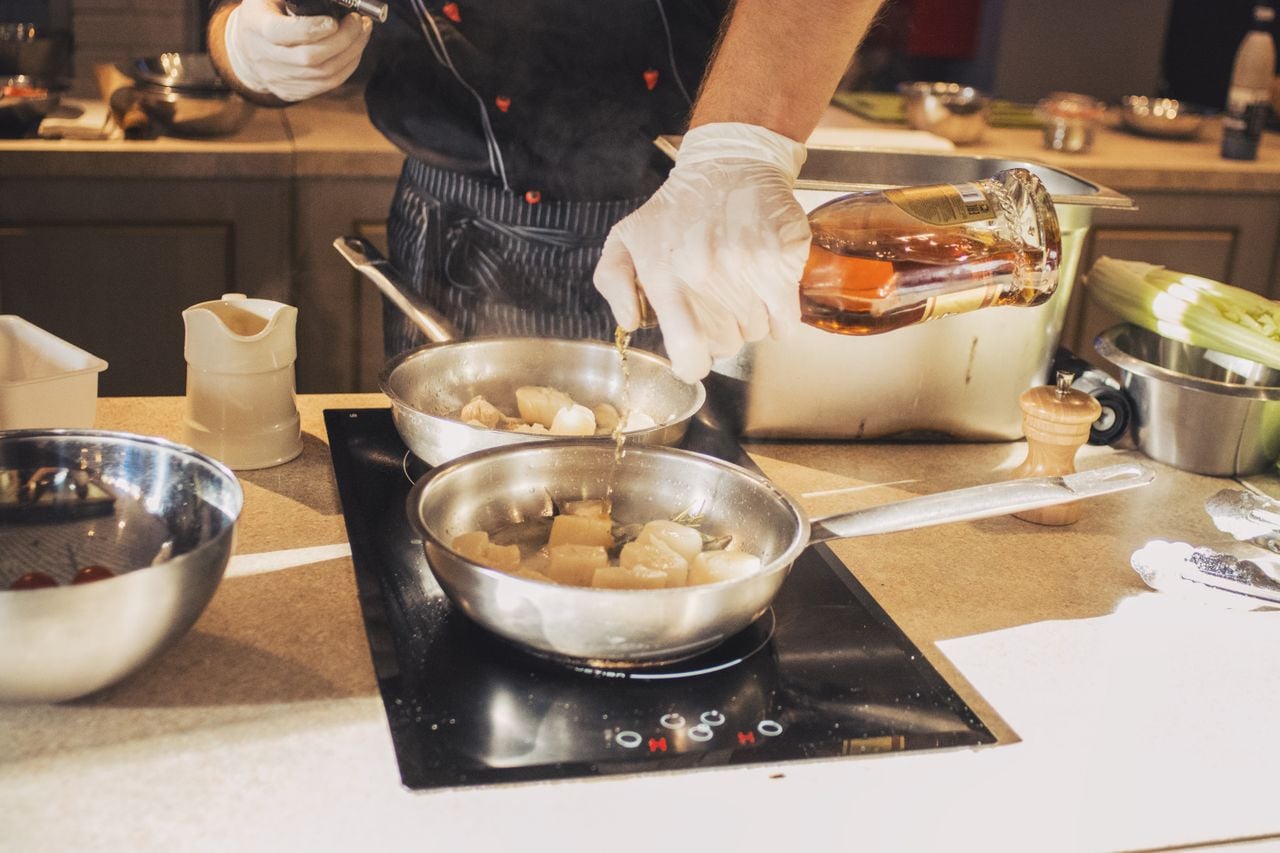
Bacon drippings were also useful at the beginning of a sauce. A cook could heat a bit in a skillet, stir in flour, and build a simple gravy with milk or other liquid. That gave breakfast or supper an easy sauce with deeper flavor than plain fat alone. Because the drippings already carried browned bits and smokiness from the bacon, they added character quickly. This made them especially handy for country style gravies and pan sauces made from basic pantry ingredients.
Frying eggs, potatoes, and cornbread
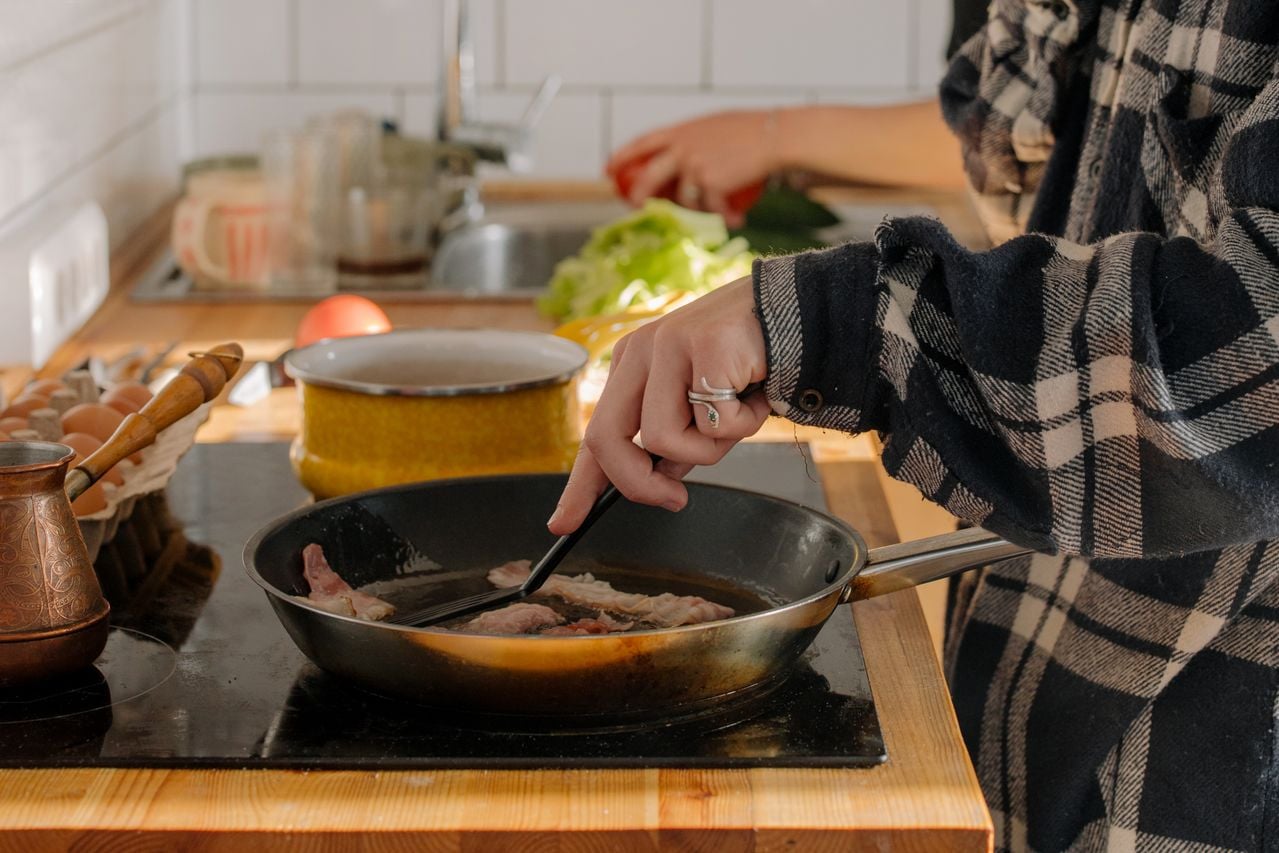
Some foods were especially tied to bacon grease. Eggs picked up crisp edges, potatoes browned beautifully, and cornbread baked in a hot greased skillet developed the deeply browned crust many cooks wanted. The appeal was not only taste. Bacon grease handled high heat well enough for everyday skillet cooking, and because only a small amount was needed, it was an economical way to cook familiar foods that showed up again and again on the family table.


Leave a Reply