
A look back at the department store lunch counters Canadians knew so well, from toasted sandwiches and pie to the habits that made these meals feel special.
The club sandwich and fries
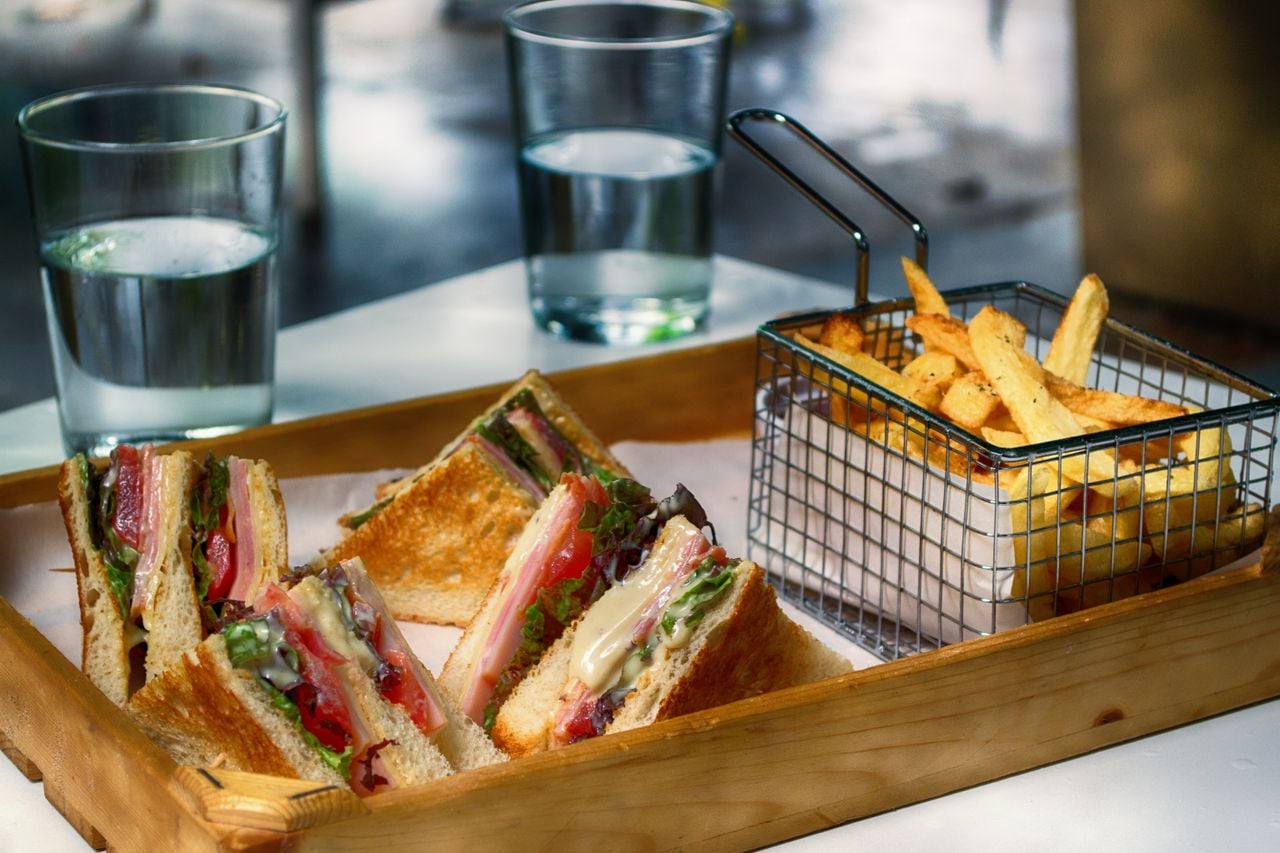
A stacked club sandwich with fries was one of the clearest lunch counter signals that you were settling in, not just grabbing a bite. It looked substantial, arrived fast and turned a shopping stop into a proper meal. Part of its appeal was the format. Toast held up well, the layers looked tidy on a plate, and fries made it feel a little more generous than a home lunch. In a busy downtown store, that mix of speed, familiarity and small indulgence was hard to beat.
The hot turkey sandwich
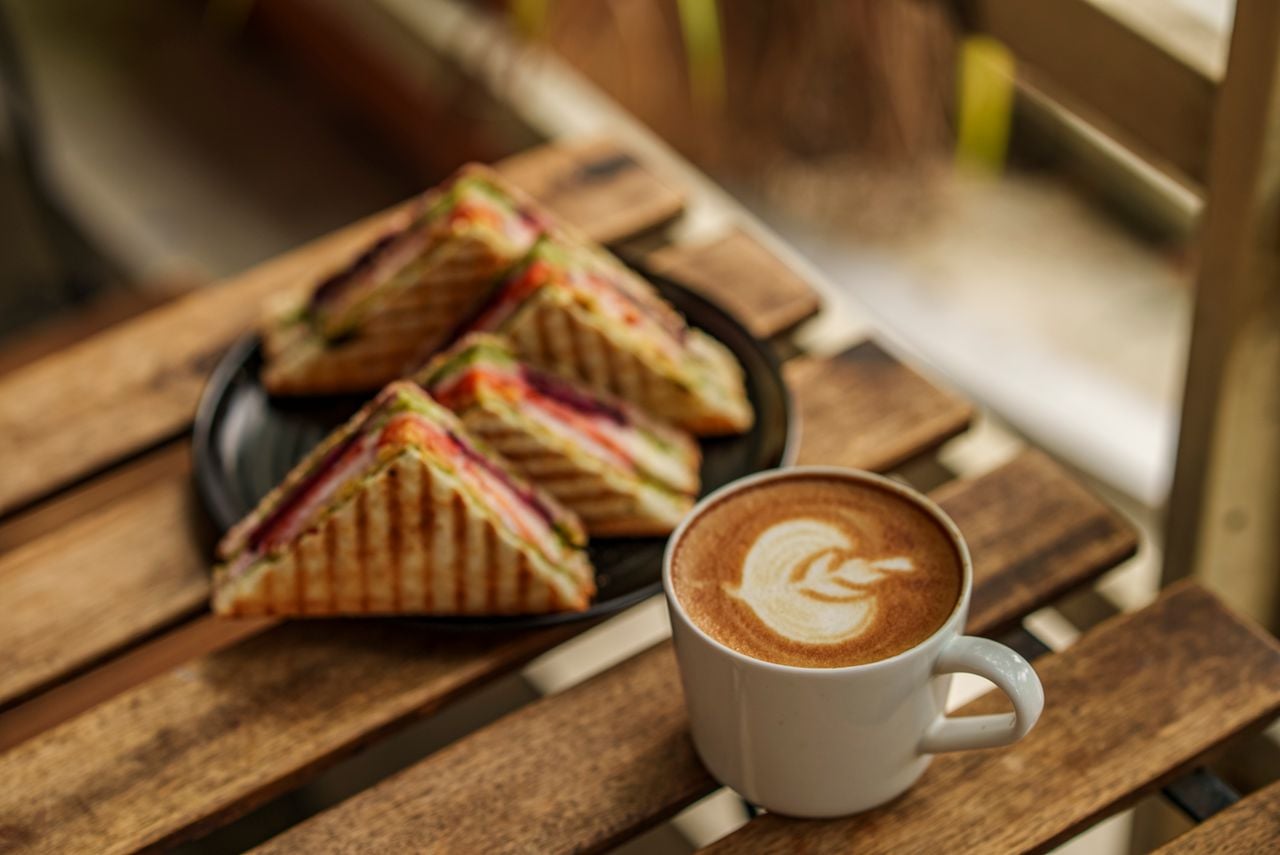
The hot turkey sandwich belonged to the comfort food side of the lunch counter menu. Sliced turkey on bread, covered in gravy and often served with mashed potatoes, it offered the kind of plate that felt closer to a home supper than a snack between errands. That mattered in stores that catered to long afternoons downtown. Shoppers could sit down, rest their feet and eat something warm with a knife and fork. It was practical food, but it also carried a little ceremony, which helped make the meal memorable.
Egg salad and salmon sandwiches
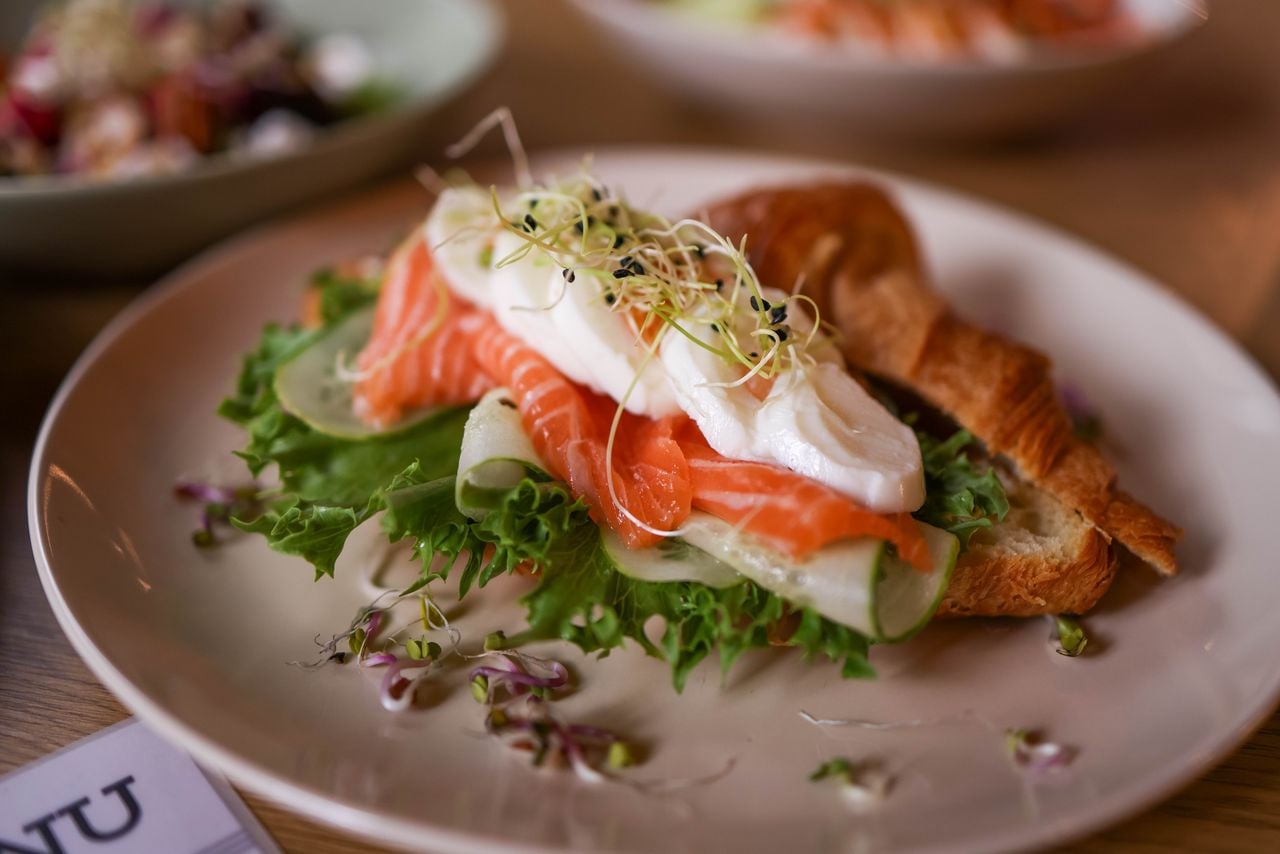
Not every order aimed for hot and hearty. Egg salad and canned salmon sandwiches were common lunch counter staples because they were inexpensive, easy to prepare in volume and familiar to a wide range of customers. Served on soft sliced bread or lightly toasted, these sandwiches fit the department store mood. They were neat, quick and filling without feeling heavy. What made them land so well was context. In the middle of a shopping day, simple sandwiches paired with tea or coffee could feel unusually satisfying.
Pie, pudding and a pot of tea
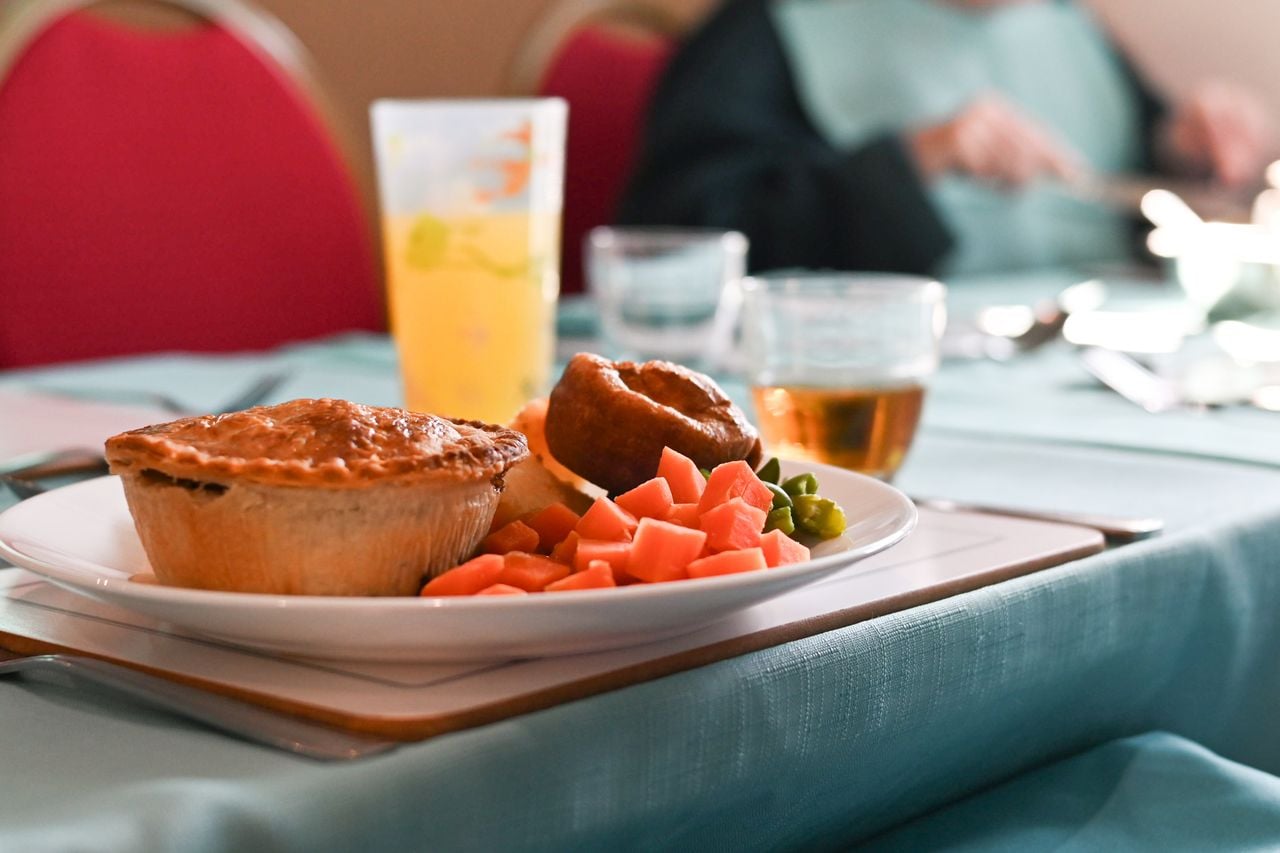
Dessert was part of the ritual, not just an afterthought. Pie, rice pudding, lemon meringue and similar counter classics worked perfectly in department store dining rooms because they could be displayed clearly, served quickly and shared easily. A pot of tea or bottomless coffee stretched the break. That was important in spaces that doubled as meeting points for friends, mothers and daughters, or workers on lunch. The sweets were familiar rather than flashy, which is exactly why they fit. They turned a practical stop into a small social occasion.
Why the sandwiches tasted better there
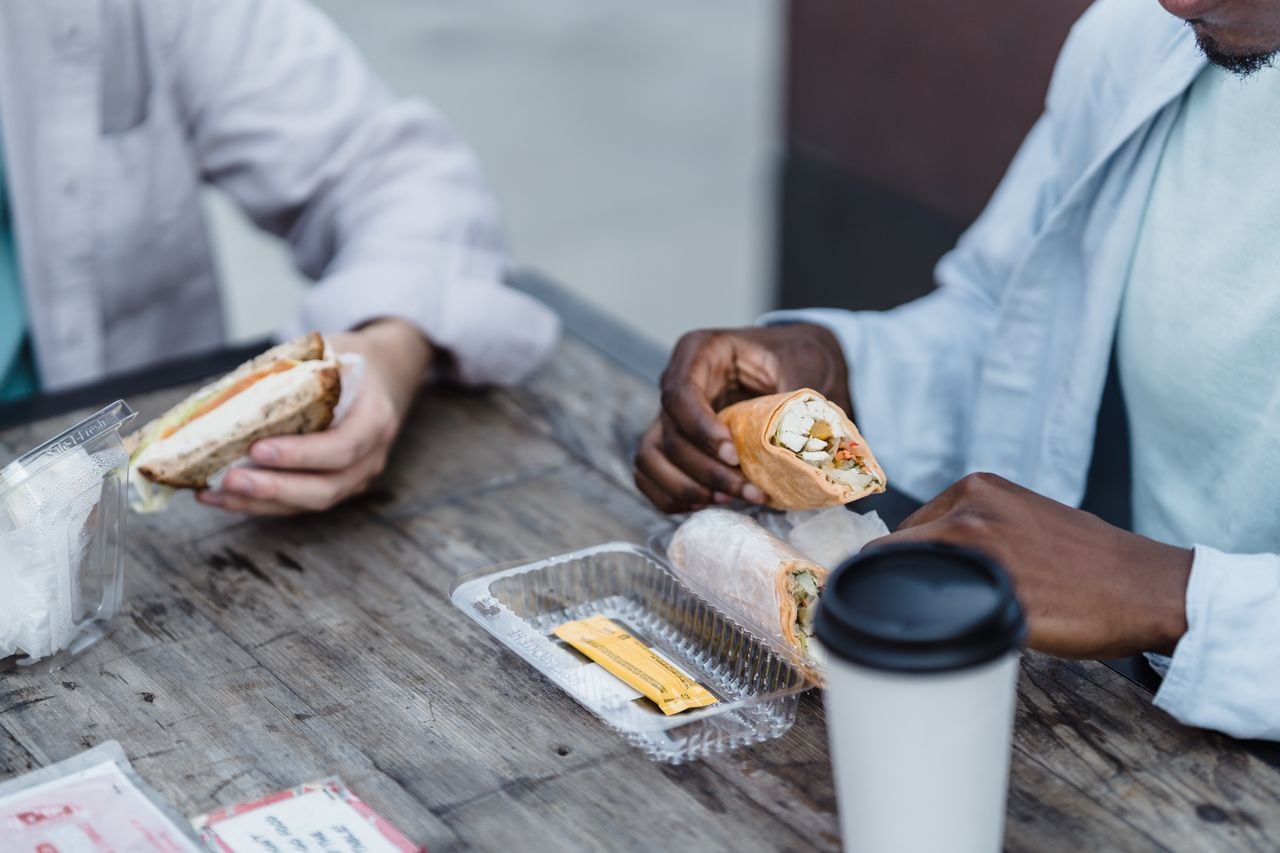
The food itself was often straightforward, but the setting changed the experience. Department store lunch counters sat inside places built for browsing, people watching and lingering, so the meal picked up some of that atmosphere. There was also a sense of occasion. Going downtown, shopping for clothing or housewares, then taking a stool at the counter made lunch feel earned. That helps explain the lasting nostalgia. The sandwich was part of it, but so were the chrome stools, paper placemats, clatter of dishes and brief pause in the middle of the day.
Leave a Reply