
A checkout change can say a lot about where retail is headed. Walmart's latest payment move in the U.S. is doing exactly that, while Canadian shoppers are left wondering whether their stores are next.
What Walmart Is Changing in the U.S.
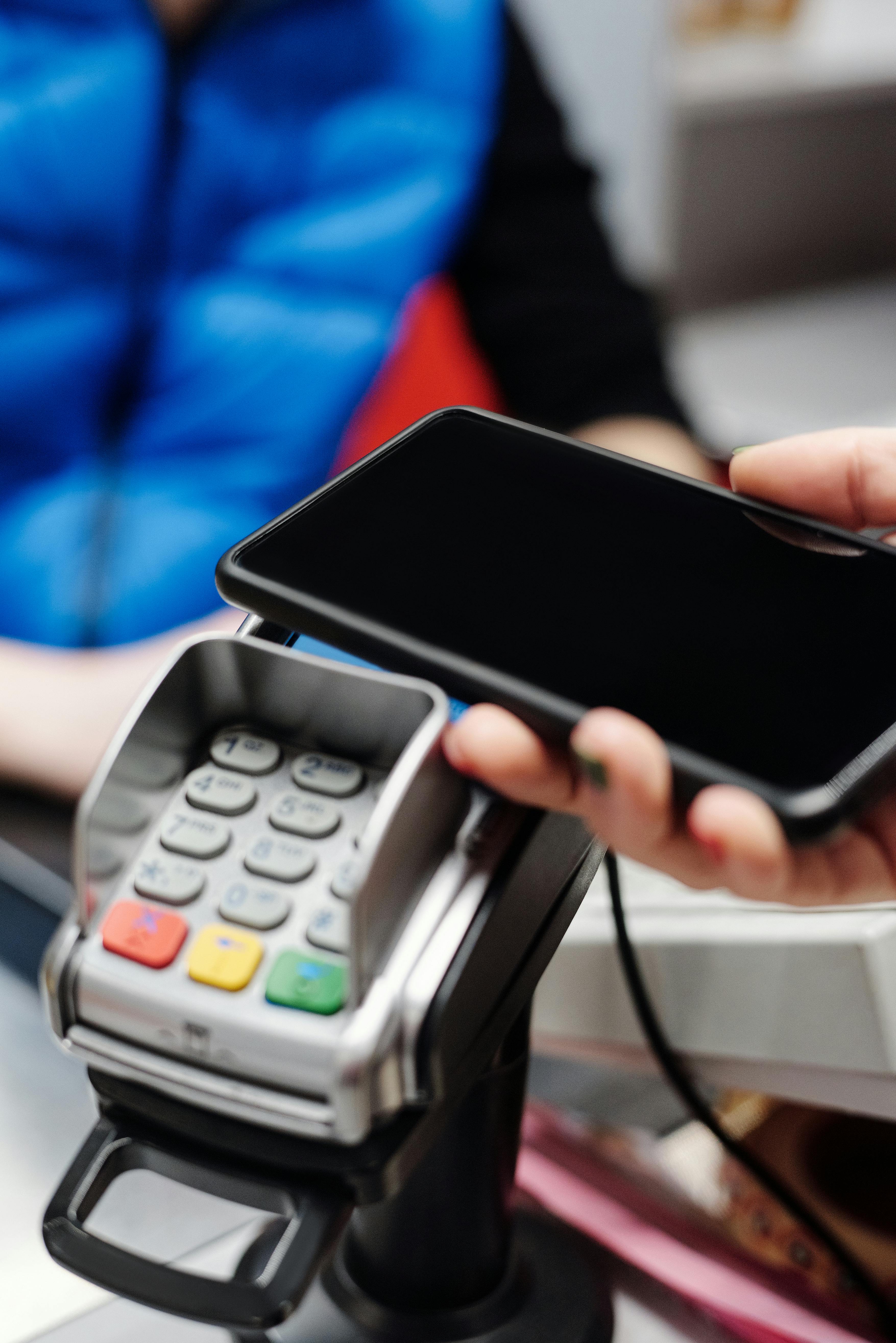
The big development in the U.S. is Walmart's plan to deepen how customers pay through its own digital ecosystem, especially Walmart Pay and app-based checkout features. The retailer has spent years building tools that keep shoppers inside its platform, from mobile payment to digital receipts and loyalty-style offers. That approach gives Walmart more control over data, promotions, and the speed of checkout.
This is not a sudden pivot. Walmart has long resisted some third-party payment trends that competitors embraced more quickly, preferring systems tied directly to its app and services. Industry analysts have often pointed out that the company wants payment to be part of a broader shopping relationship, not just a tap at the register.
In practice, that means the payment experience becomes another part of Walmart's strategy to connect stores, online orders, curbside pickup, and memberships. According to retail analysts cited across recent industry reporting, companies gain a major advantage when payments feed into customer insights. For a chain the size of Walmart, even small gains in transaction efficiency can have enormous impact.
Why This Matters to Everyday Shoppers
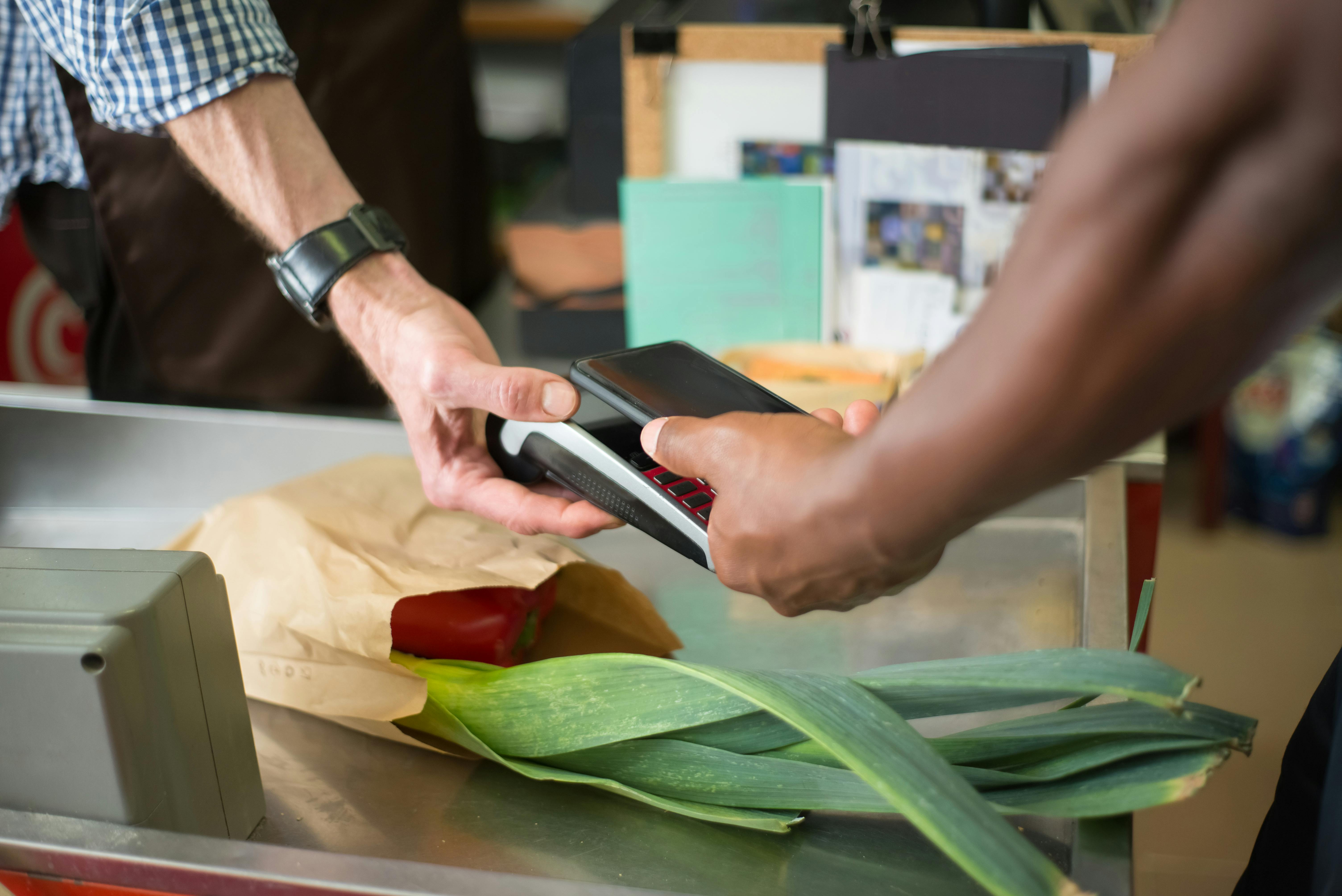
For many customers, payment choices are about convenience first. Shoppers want a fast, familiar, secure method that works the same way every time, whether they are buying groceries, filling a prescription, or picking up household basics. Any major retailer that changes payment options can trigger strong reactions because checkout is one of the most frequent customer touchpoints.
Walmart's U.S. direction matters because it may shape whether customers are nudged more heavily toward using the retailer's own app instead of relying on outside digital wallets. That can create benefits, such as integrated receipts, easy returns, and tailored offers. It can also frustrate people who simply want to tap with the phone wallet they already use elsewhere.
There is also a trust factor. Payment changes raise immediate questions about privacy, fraud protection, and whether the process is truly easier than existing options. Consumers tend to adopt new systems when the benefit is obvious. If the experience feels like one extra step, enthusiasm can fade quickly.
The Situation at Walmart Canada
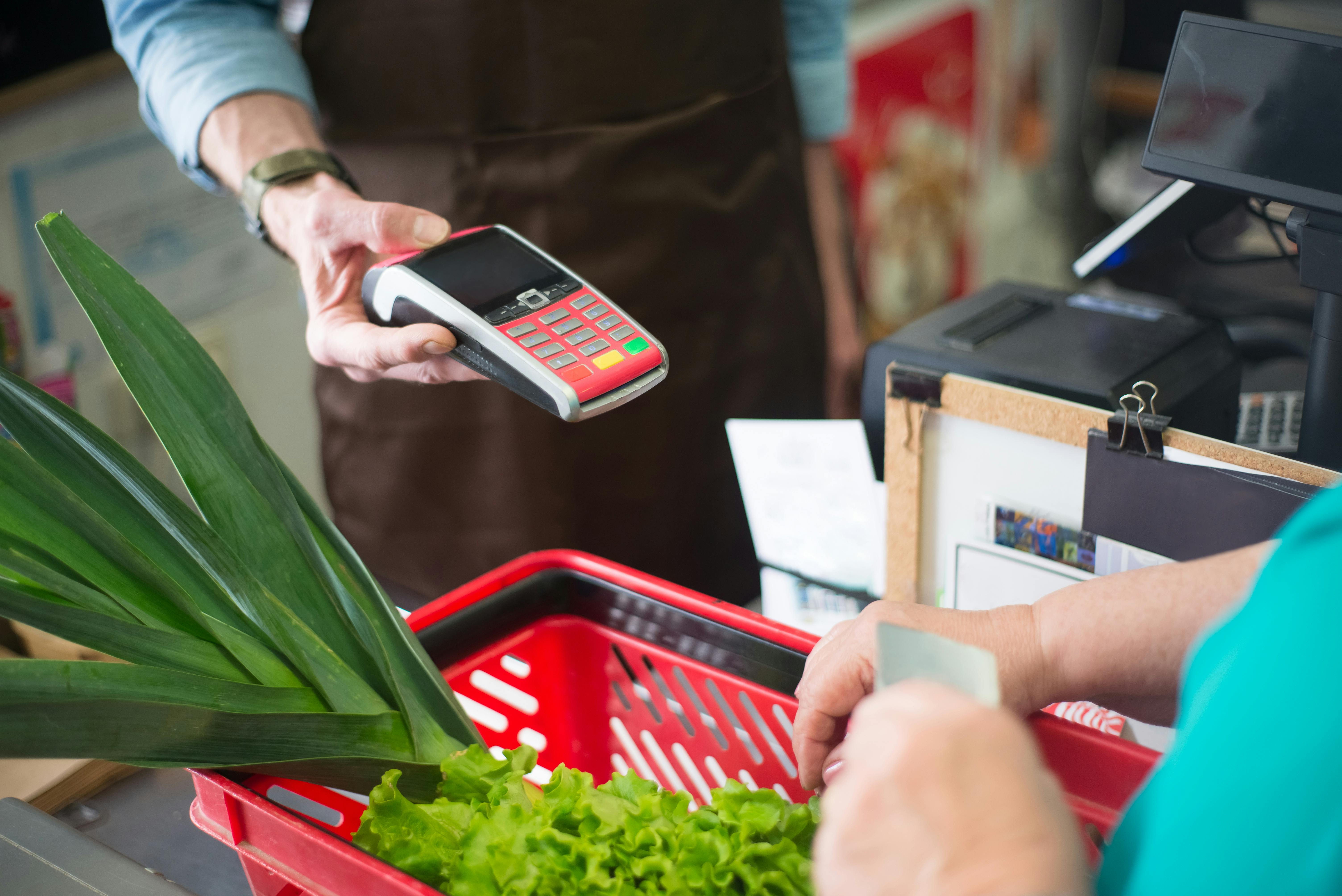
Here is the important distinction: Walmart Canada does not always mirror Walmart U.S. on timing, technology, or payment policy. The Canadian business operates in the same broader corporate family, but it serves a different banking environment, a different set of consumer habits, and different expectations around checkout technology. That means American headlines do not automatically become Canadian reality.
Canadian shoppers are already used to widespread contactless card use and mobile wallet acceptance across much of the retail sector. Tap payments became mainstream in Canada earlier and more naturally than in many U.S. settings, thanks in part to the country's strong credit and debit card infrastructure. Because of that, Walmart Canada faces a market where payment convenience is already highly developed.
That context matters. A payment shift that feels strategic and overdue in the U.S. may not offer the same advantage in Canada. Retail experts often note that companies adapt locally when consumer behavior differs, and Canada is a textbook example of that principle in action.
Could the U.S. Change Spread North?

A cross-border rollout is possible, but it is far from guaranteed. Walmart typically weighs local economics, customer habits, payment network costs, and operational complexity before expanding any checkout system. Rolling out a U.S.-style payment strategy in Canada would require a clear business case, especially if existing Canadian methods are already meeting shopper expectations.
There is also the issue of competitive pressure. In Canada, major grocers, pharmacies, and big-box chains already support fast card taps and popular mobile wallets with little friction. If Walmart Canada were to narrow choices or heavily push a proprietary option, it would have to prove that the trade-off creates visible value for customers.
Retail history shows that payment systems succeed when they solve a real problem. Starbucks built a powerful payment ecosystem by tying it directly to rewards and repeat visits. Walmart could pursue something similar in Canada, but only if it improves convenience rather than complicating it.
What Canadian Customers Should Watch For

The clearest signal would be changes inside the Walmart Canada app. If the company begins promoting app-based checkout more aggressively, expands digital receipt tools, or ties payments more closely to offers and memberships, that could suggest a broader strategic shift. Retailers usually test behavior softly before making a more visible national move.
Shoppers should also pay attention to signage at checkout and updates in store policies. Payment changes often appear first in pilot markets, select locations, or limited service areas like self-checkout. A retailer may use those tests to measure speed, technical reliability, and customer response before deciding on a wider launch.
Another clue is language around convenience and personalization. When retailers talk more openly about seamless shopping journeys, connected rewards, and one-app experiences, payment is usually part of that conversation. The messaging can reveal as much as the hardware at the register.
The Bottom Line for U.S. and Canadian Stores

The U.S. payment change is significant because it reinforces Walmart's long-term goal of owning more of the customer relationship from browsing to checkout. Payments are no longer just a back-end function. They are increasingly a strategic tool for data, retention, and platform loyalty.
For Canadian stores, the answer is more cautious. Walmart Canada may borrow ideas from the U.S., but it operates in a payment market that is already more mature in contactless behavior. That reduces the urgency for dramatic change, at least in the short term.
So, should Canadian shoppers expect the same shift soon? Not necessarily. The smarter expectation is gradual evolution, with Walmart Canada adopting only the parts that fit local consumer habits, competitive conditions, and the country's already efficient payment landscape.



Leave a Reply