
Trade fights rarely stay at the border. They show up quickly in grocery aisles, restaurant invoices, and farm balance sheets.
What the 50% tariff means in practical terms

At its core, a 50% tariff is a tax placed on imported goods at the border. If Canadian cheese, butter, milk-based ingredients, beer, wine, or spirits enter the United States under that rate, the landed cost rises immediately. Importers then decide whether to absorb the hit, raise prices, or cut orders.
That sounds technical, but the effect is easy to picture. A distributor bringing in Canadian whisky or specialty cheese would face much steeper costs before the product ever reaches a shelf. For lower-margin businesses, that can make some products commercially unworkable.
Tariffs also do not hit every product the same way. Premium alcohol brands may keep selling if loyal customers accept higher prices, while commodity-style dairy inputs used by food manufacturers may be replaced faster. The result is uneven pressure across supermarkets, bars, restaurants, and processing plants.
Why dairy and alcohol became political targets
Dairy has long been one of the most sensitive parts of the U.S.-Canada trade relationship. Canada tightly manages its dairy sector through supply controls and import protections, while U.S. producers have repeatedly argued that the system limits fair access. That is why dairy disputes surface so often in broader trade talks.
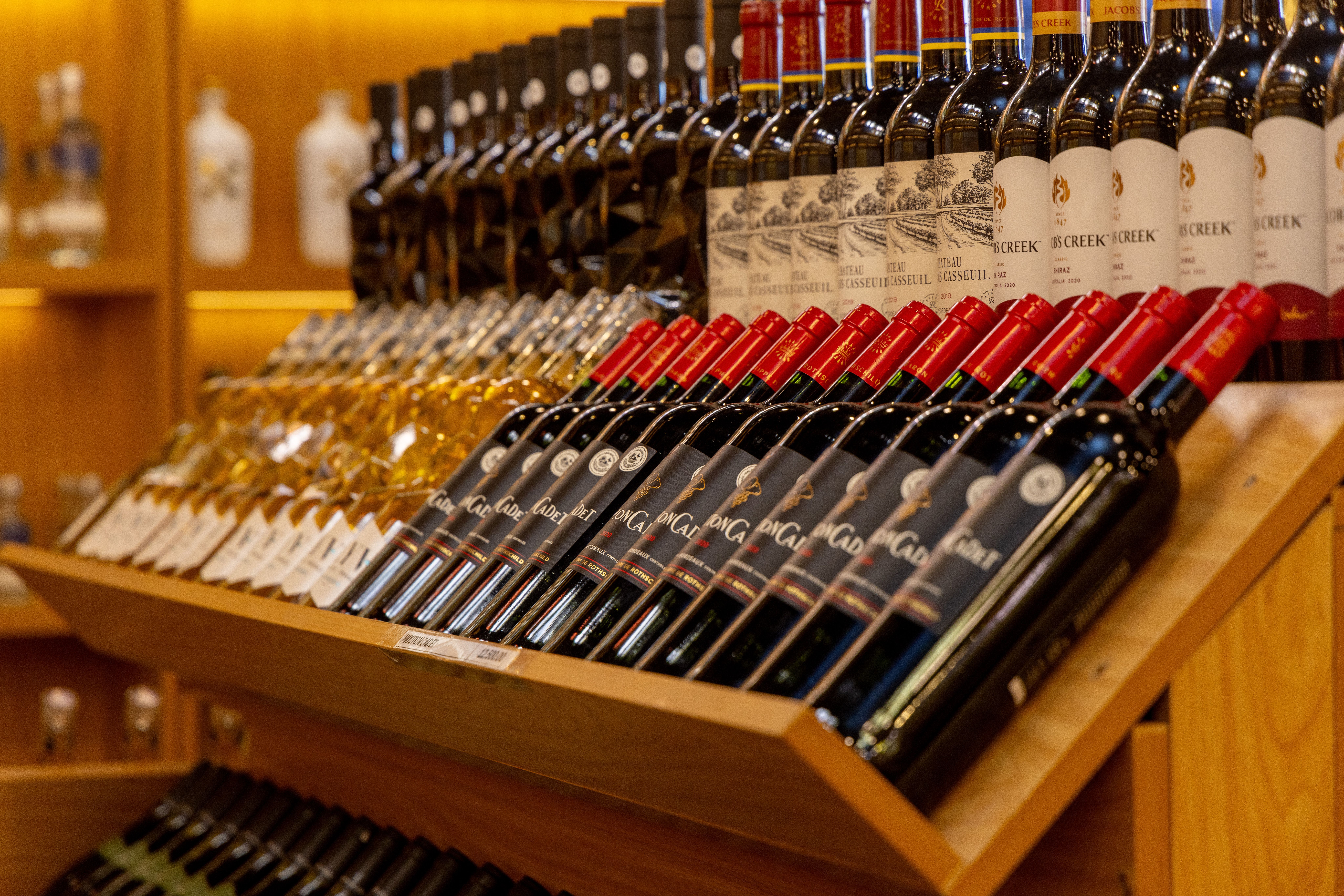
Alcohol is different, but still politically potent. It is highly visible, tied to regional jobs, and easy for governments to use in symbolic retaliation or pressure campaigns. When tariffs hit a bottle on a retail shelf, consumers notice quickly, and so do local distributors and hospitality businesses.
According to years of trade reporting from Reuters and other major outlets, politically charged tariffs are often designed to send a message as much as to change trade flows. Targeting recognizable consumer products can create public attention faster than imposing duties on obscure industrial inputs.
Likely effects on prices, shoppers, and businesses
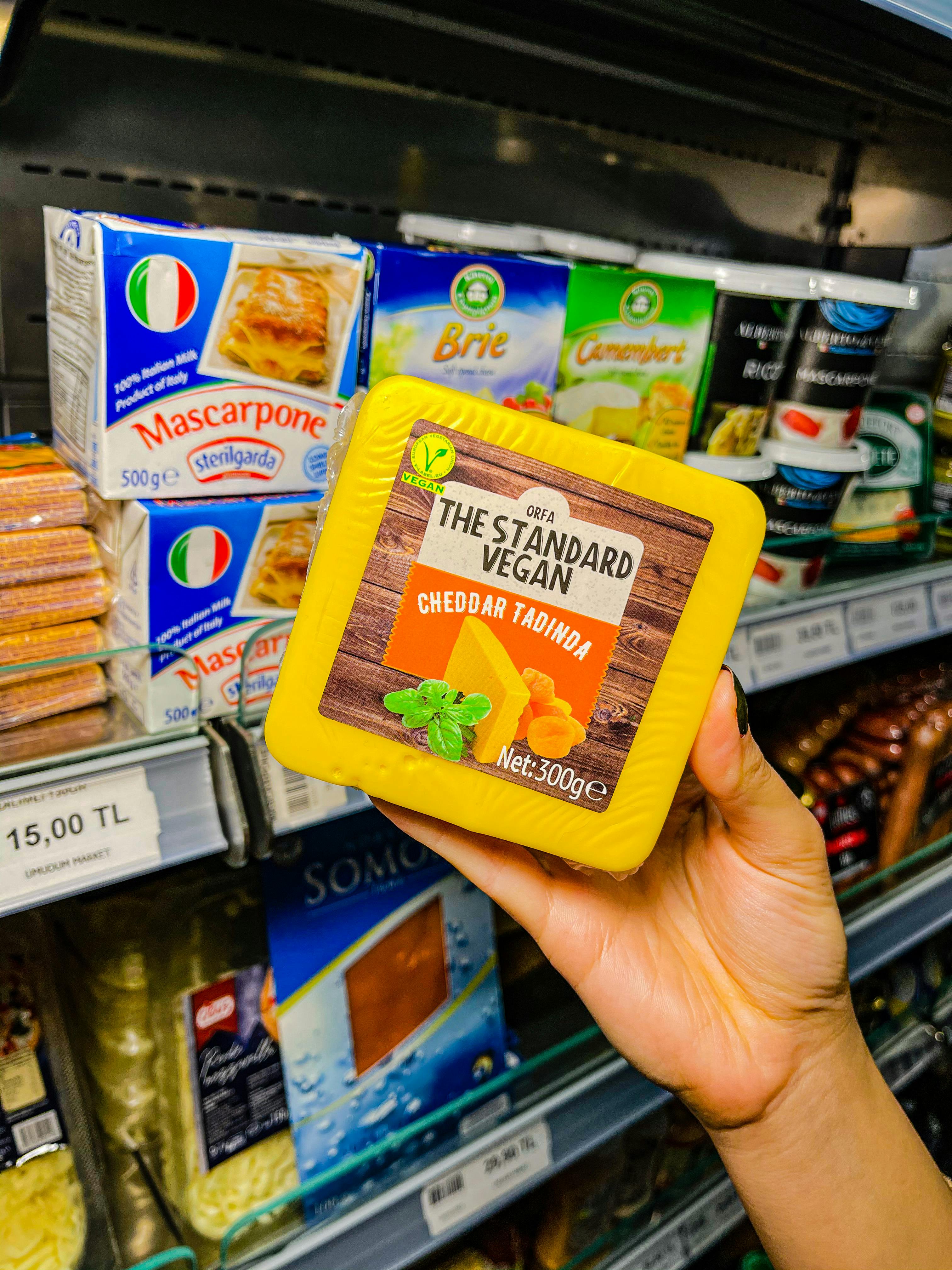
Consumers would probably feel the impact first in imported cheese sections, liquor stores, and restaurant menus. Higher border costs usually work their way through the supply chain, especially when importers lack room to absorb them. That means shoppers could face fewer discounts and more price increases on Canadian goods.
Restaurants and bars are especially exposed because many rely on branded imported products to maintain consistency. A steakhouse that pours a Canadian whisky label or uses specific dairy products in sauces and desserts cannot always switch instantly without affecting menu quality or customer expectations.
Retailers would also need to rethink inventory. Some may reduce orders, promote domestic substitutes, or renegotiate contracts with suppliers. Smaller specialty shops could be squeezed the most because they often depend on niche imported products and have less leverage to offset sudden cost shocks.
The pressure on farmers, producers, and supply chains
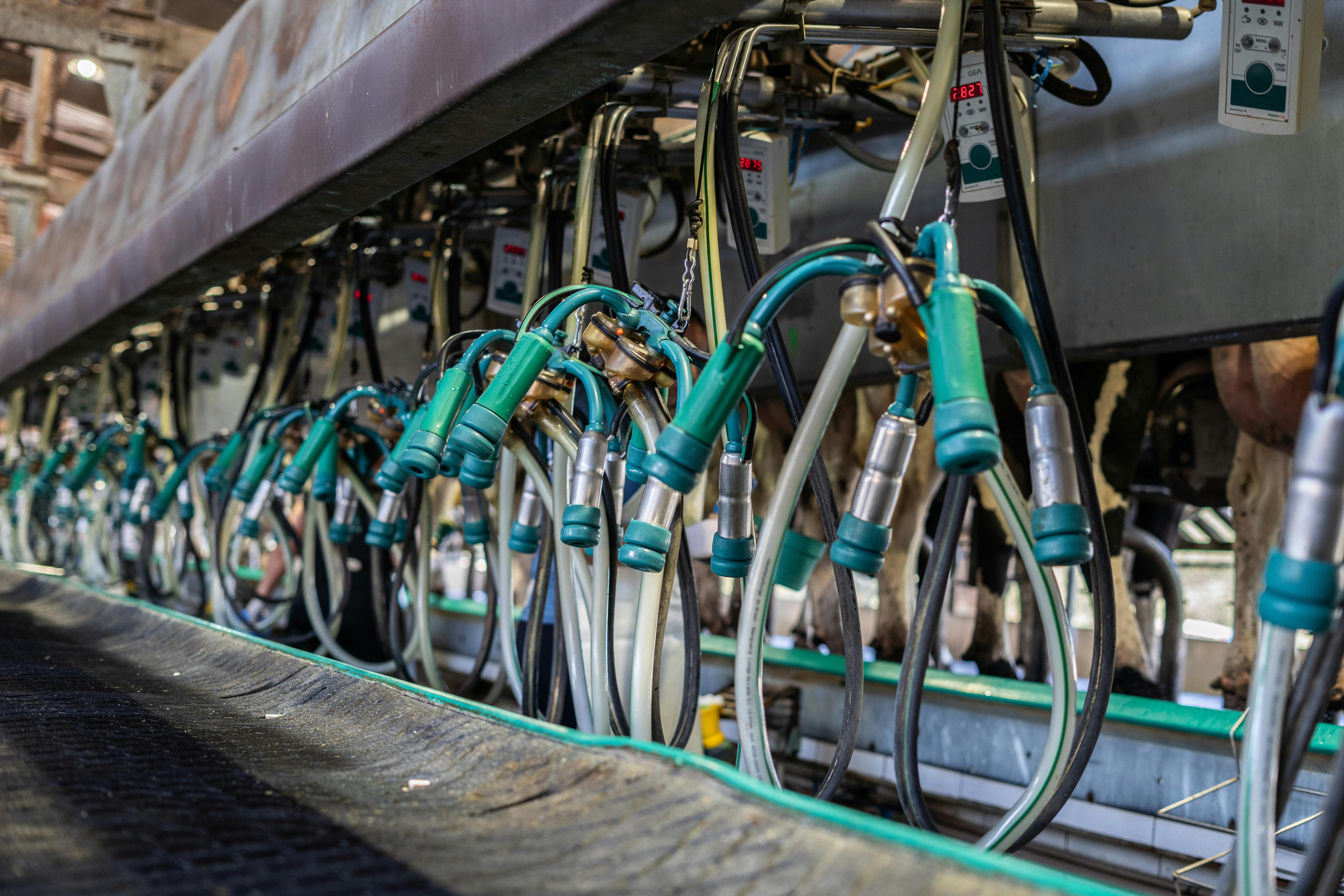
For Canadian exporters, a 50% tariff would threaten competitiveness almost overnight. Dairy processors and alcohol producers that built steady U.S. sales channels could see orders slow or disappear. Even when demand remains, shipping volumes may fall if buyers conclude the added costs are unsustainable.
American businesses are not insulated from that disruption. U.S. importers, warehouse operators, logistics firms, and retailers all participate in the same cross-border system. A trade barrier aimed at foreign goods often lands partly on domestic companies that handle distribution, marketing, and final sale.
Supply chains in food and drink are especially interconnected. Ingredients move across borders, products are blended or packaged in multiple stages, and seasonal demand matters. Once those flows are interrupted, rebuilding them is rarely quick, even if the tariff is later reduced or withdrawn.
How Canada could respond and why it matters

Canada would face strong pressure to respond, either through formal dispute channels or retaliatory trade measures. Ottawa has historically answered major U.S. tariff moves with a mix of legal action and politically calibrated countermeasures. The goal is usually to raise pressure without escalating beyond control.
That matters because retaliation broadens the damage. A dispute that begins with dairy and alcohol can spill into other sectors if both sides try to gain leverage. Manufacturers, agricultural exporters, and transport companies far removed from the original issue can end up caught in the middle.
Markets also watch these confrontations closely. Investors tend to see sudden tariff escalation as a sign of policy unpredictability, and businesses delay decisions when trade rules look unstable. Even before full economic damage appears, uncertainty alone can chill hiring, expansion, and cross-border contracting.
What to watch in the weeks ahead

The most important question is whether the tariff is a negotiating tool or a durable policy. If it is meant to force concessions, talks could intensify quickly and produce carve-outs, exemptions, or a phased rollback. If it hardens into long-term policy, businesses will start redesigning sourcing plans.
Watch for signals from importers, retail chains, restaurant groups, and farm organizations. These groups often reveal real-world pressure faster than official statements do because they see order cancellations, margin compression, and customer reaction in real time. Their response can shape how long a tariff remains politically sustainable.
Also watch price data and border volume trends. If Canadian dairy and alcohol shipments drop sharply while substitute products gain shelf space, the market will adapt, but not painlessly. In the end, tariffs this large are never just about trade policy. They become a direct test of economic resilience and political resolve.




Leave a Reply