
A dish does not usually taste bland because one big thing went wrong. More often, flavor fades because of small habits that weaken browning, dull seasoning, or mute the natural character of the ingredients.
These 10 mistakes show where home cooking often loses flavor and how a few smarter choices can make meals taste more vivid, savory and complete.
Underseasoning from the start

Many home cooks wait until the end to add salt, then wonder why the food still tastes flat. Salt does more than make food taste salty. It helps bring forward the natural flavor already in vegetables, meat, grains and beans.
Seasoning in layers works better than one last-minute sprinkle. A little salt in the onions, another pinch in the sauce, and a final adjustment at the table creates depth that tastes built in rather than placed on top.
This matters in simple foods especially. Soups, roasted vegetables and pasta all benefit when each part is seasoned as it cooks. If only the surface is salted at the end, the inside often stays dull.
The fix is straightforward: taste early, taste often, and adjust gradually. That habit gives you more control and keeps you from swinging from bland to too salty in a single step.
Crowding the pan

A crowded skillet is one of the fastest ways to lose flavor. When too much food is packed into the pan, moisture has nowhere to go, so ingredients steam instead of brown.
That lost browning matters because the deep savory notes many people associate with great cooking come from caramelization and the Maillard reaction, the set of changes that create richer flavor and darker color on the surface of food.
Mushrooms are a classic example. Packed tightly together, they leak water and turn gray. Given space, they brown, shrink and develop a meatier, more concentrated taste.
The same is true for chicken pieces, sliced zucchini and even diced potatoes. Cooking in batches can feel slower, but it usually delivers more flavor than rushing through one overloaded pan.
Cooking with cold ingredients

Food that goes straight from the refrigerator to the pan often cooks unevenly. The outside can overcook before the center catches up, which makes it harder to build good texture and full flavor at the same time.
This is especially noticeable with proteins like steak, chops and chicken breasts. If the surface dries out before the middle is ready, the final result can taste less juicy and less expressive, even if the seasoning is right.
Cold ingredients can also drop the temperature of the pan. That means weaker searing and less browning, which again reduces the savory complexity many home cooks are looking for.
A short rest on the counter can help with some foods, especially when cooking larger cuts. The goal is not to leave food out for long periods, but to avoid setting yourself up for uneven cooking from the start.
Skipping browning
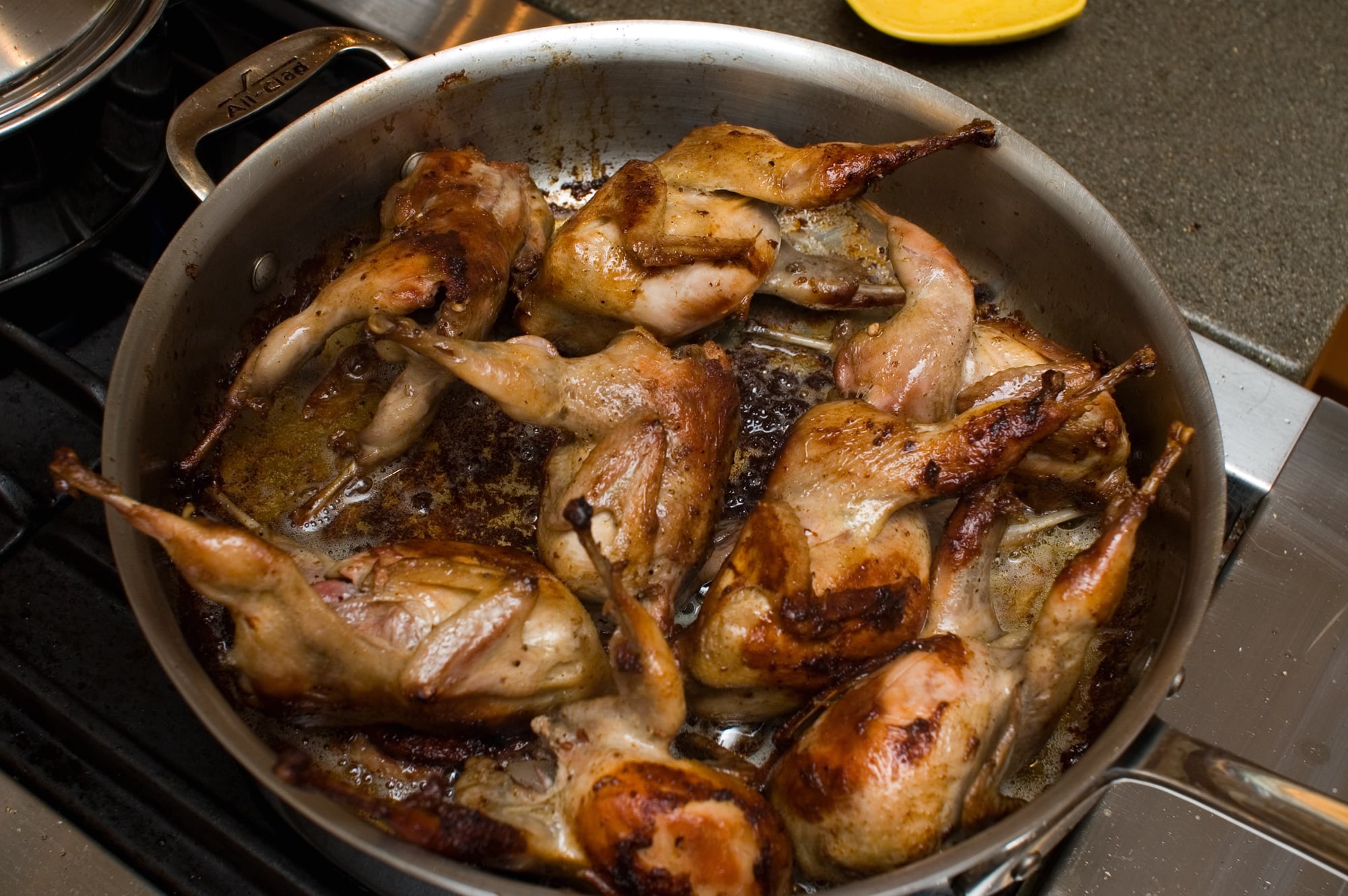
Pale food often tastes pale too. Browning creates layers of nutty, roasted and savory flavor that boiling, microwaving or rushing through a pan simply cannot match.
This is why onions cooked only until soft taste very different from onions cooked until golden. The first version is mild and watery. The second becomes sweeter, deeper and far more useful as a base for soups, sauces and braises.
Tomato paste offers another clear example. Stirred in briefly, it can taste raw and sharp. Cooked for a few minutes until it darkens, it becomes rounder and more concentrated.
The lesson is not that every ingredient needs to be deeply browned. It is that color usually signals flavor development, and skipping that step often leaves food tasting unfinished.
Using old spices and stale aromatics

A spice jar can look perfectly fine long after its flavor has faded. Ground spices lose strength over time, especially when they sit near heat, light and steam on a busy kitchen shelf.
Garlic and onions can also lose impact as they age. Old garlic may taste harsh rather than fragrant, and tired onions can become watery and flat instead of sweet and sharp.
That decline matters because aromatic ingredients build the foundation of many dishes. If the cumin is dusty, the paprika weak, and the garlic past its prime, the final meal can taste muted before cooking even begins.
Buying smaller amounts helps. So does storing spices in a cool, dark place and replacing them before they become little more than colored powder. Fresh ingredients do not guarantee great food, but stale ones often guarantee less interesting food.
Not tasting as you cook

One of the most common flavor mistakes has nothing to do with equipment or ingredients. It is simply failing to taste along the way.
Without tasting, it is hard to know if a soup needs more salt, if a dressing needs acid, or if a sauce has reduced enough. You are cooking blind, and small imbalances can grow into obvious problems by the end.
Professional cooks rely on repeated tasting because flavor changes as food heats, reduces and rests. A broth can seem right early on, then turn too strong after simmering. A pasta sauce can taste sharp at first, then soften as it cooks.
A clean spoon and a few quick checks solve a lot. This habit makes seasoning more precise and helps you catch flatness before dinner reaches the plate.
Forgetting acid

Salt builds depth, but acid brings brightness. A dish can be properly salted and still taste heavy or one-note if it lacks a little lemon juice, vinegar, tomato, yogurt or another acidic ingredient.
This is often the missing piece in soups, stews, braises and creamy sauces. Rich foods especially can seem sleepy until a small amount of acid sharpens the edges and wakes everything up.
The change does not need to be dramatic. A squeeze of lemon over roasted vegetables or a splash of vinegar in bean soup may not read as obviously sour, but it can make the whole dish taste more alive.
The key is balance. Too much acid overwhelms. Just enough makes flavors seem clearer, cleaner and more defined.
Overcooking delicate ingredients

Some ingredients lose their best qualities very quickly. Fresh herbs, seafood, tender vegetables and garlic all suffer when they stay on the heat too long.
Basil, parsley and dill are brightest when added near the end or used fresh. Cook them too long and their fresh, green notes disappear. Garlic can move from fragrant to bitter in less time than many people expect.
Seafood is another common casualty. Shrimp, scallops and fish often taste sweetest and cleanest when cooked just until done. A minute or two too long can turn them firm, dry and less flavorful.
Timing is part of seasoning. Protecting delicate ingredients preserves the flavor they already have, which is often more effective than trying to cover over overcooking later.
Ignoring fond in the pan

After meat or vegetables brown in a skillet, cooks often notice the dark bits stuck to the bottom and assume the pan is getting dirty. In many cases, that browned residue is fond, one of the easiest sources of concentrated flavor in home cooking.
When loosened with wine, stock, water or even a squeeze of lemon, fond dissolves into the beginnings of a pan sauce. That liquid picks up savory depth that would otherwise be washed down the sink.
This technique matters because it captures flavor created during searing. Chicken cutlets, pork chops and mushrooms all leave useful browned bits behind when cooked properly.
The key is watching the color. Deep brown fond is valuable. Burned black residue tastes bitter and should not be forced into the sauce.
Serving food without a final finish

The last 30 seconds of cooking often decide whether a dish tastes flat or complete. A final finish can add contrast, aroma and brightness that heat alone cannot provide.
That finish might be flaky salt on a tomato salad, black pepper over creamy pasta, chopped herbs on grilled chicken, or olive oil drizzled over soup. These details are small, but they shape what you smell and taste first.
Texture matters too. Toasted nuts, breadcrumbs or crisp shallots can make a soft dish feel more dynamic. A squeeze of citrus can sharpen rich flavors just before serving better than adding it much earlier.
Finishing touches are not decoration. Used well, they restore freshness and help all the cooked flavors come into focus.


Leave a Reply