
Restaurant kitchens expect substitutions, allergies, and special occasions. But chefs often say a few specific customer orders create outsized problems because they slow service, compromise the dish, or put staff in a difficult position.
Off menu creations

Some diners treat the menu like a starting point and ask the kitchen to build a custom meal from scattered ingredients. Chefs often find that frustrating because restaurant menus are designed around preparation flow, portioning, and ingredients already allocated to specific dishes. A request that sounds simple in the dining room can force the line to stop, rethink plating, and pull components from multiple stations.
There is also a quality issue. A chef may know that the requested combination does not work, but still has to decide whether to refuse it or send out a plate that does not reflect the restaurant well. In busy service, custom creations can also create confusion for servers and cooks, increasing the odds of mistakes.
Well done steak at a steakhouse
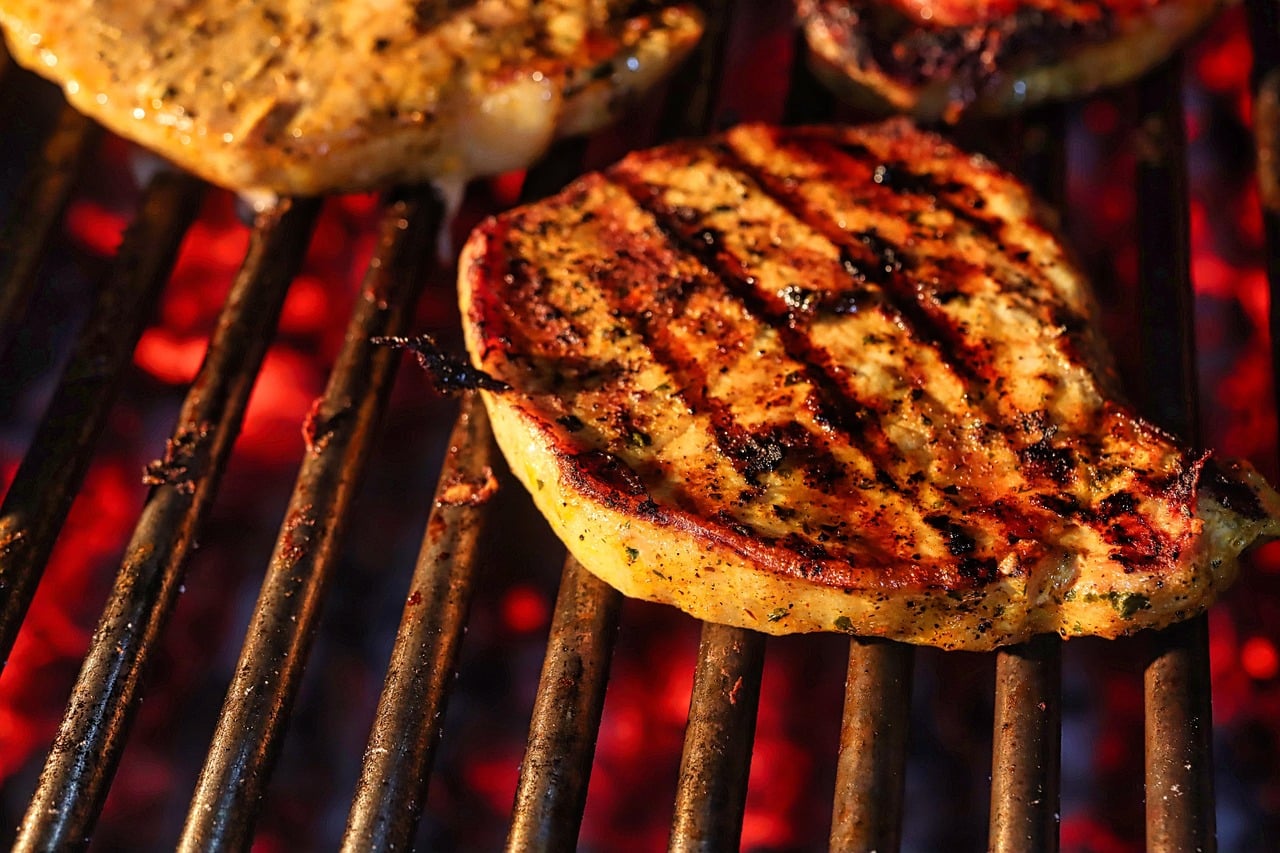
Few orders irritate steak focused chefs more than an expensive cut cooked until fully done. The reason is not snobbery alone. Premium steaks are chosen for marbling, texture, and juiciness, and prolonged cooking drives out moisture and changes the texture dramatically. Many chefs feel it defeats the point of paying for a high quality cut.
It also disrupts timing. A well done steak takes significantly longer on the grill than medium rare or medium, which can throw off an entire ticket if one guest wants all plates to land together. Some chefs will still cook it exactly as ordered, but they often view it as an order that asks the kitchen to deliver a result the cut was never meant to showcase.
Last minute allergy claims that are really preferences
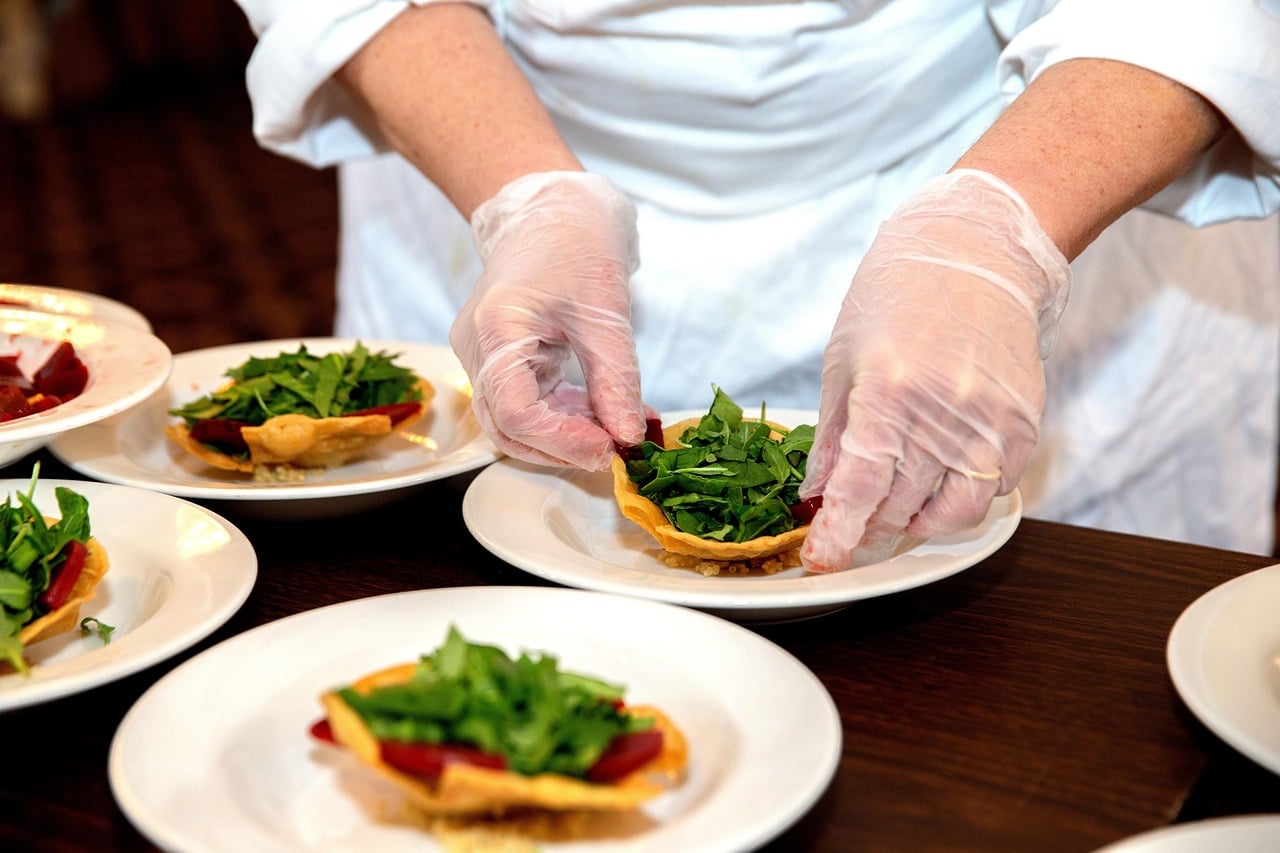
Food allergies are serious, and professional kitchens must treat them that way. That is exactly why chefs get frustrated when a diner says they have an allergy, then reveals it is actually a dislike or a casual preference. Once an allergy is flagged, the kitchen may need to sanitize surfaces, change gloves, use separate tools, and verify ingredients to reduce cross contact.
Those steps take time, and they matter most for guests with genuine medical needs. When false allergy claims become common, they can strain trust between dining rooms and kitchens. Chefs and servers would usually much rather hear an honest request, such as no onions or sauce on the side, than a made up safety issue that triggers emergency level precautions.
Complex substitutions during a rush

Most restaurants expect a reasonable swap now and then, like fries instead of salad. Trouble starts when a single dish arrives with a chain of changes: no sauce, different starch, dressing on the side, protein cooked a special way, and a garnish removed. During a rush, every extra note increases the chance of delay or error.
Chefs often say these tickets are especially hard because they interrupt repetition, which is how busy kitchens stay fast and accurate. Line cooks build muscle memory around standard plates. A heavily modified order breaks that rhythm, forces more checking and rechecking, and can hold up nearby orders. The issue is usually not one small change, but the cumulative effect of many at once.
Ordering close to closing time

A late table can be perfectly manageable if the kitchen is still fully set up. What annoys chefs is a large or complicated order placed right before closing, when stations may already be broken down and ingredients wrapped, cleaned, or stored. At that point, producing the meal can mean reheating equipment, reopening containers, and extending cleanup for the whole crew.
Closing time on the door also does not always mean the staff is done for the night. Cooks often still face cleaning, inventory, and prep tasks after the last plate leaves the pass. A near closing order is part of restaurant life, but chefs commonly say it is one of the toughest moments because it stretches a long shift even further.
Sending food back for reasons unrelated to mistakes

Chefs expect to fix genuine problems, such as undercooked food, the wrong dish, or a missed allergy note. What tends to bother them is when a guest sends back a correct plate because they changed their mind, did not read the description, or ordered something unfamiliar and then decided they did not like it. In those cases, the kitchen may have to remake a dish that was prepared properly the first time.
That creates waste in food, labor, and time. It can also delay other guests waiting on their meals. Most chefs want diners to enjoy what they ordered, but they also rely on the menu description to set expectations. When a correct dish is rejected for subjective reasons, it is often seen as one of the most avoidable forms of disruption.



Leave a Reply