
Dinner gets repetitive for a simple reason: many home meals rely on the same starch, the same protein, and the same seasoning pattern. A few smart swaps can change the feel of a meal fast, giving you more crunch, brightness, and variety without rebuilding your whole routine.
Rice for farro
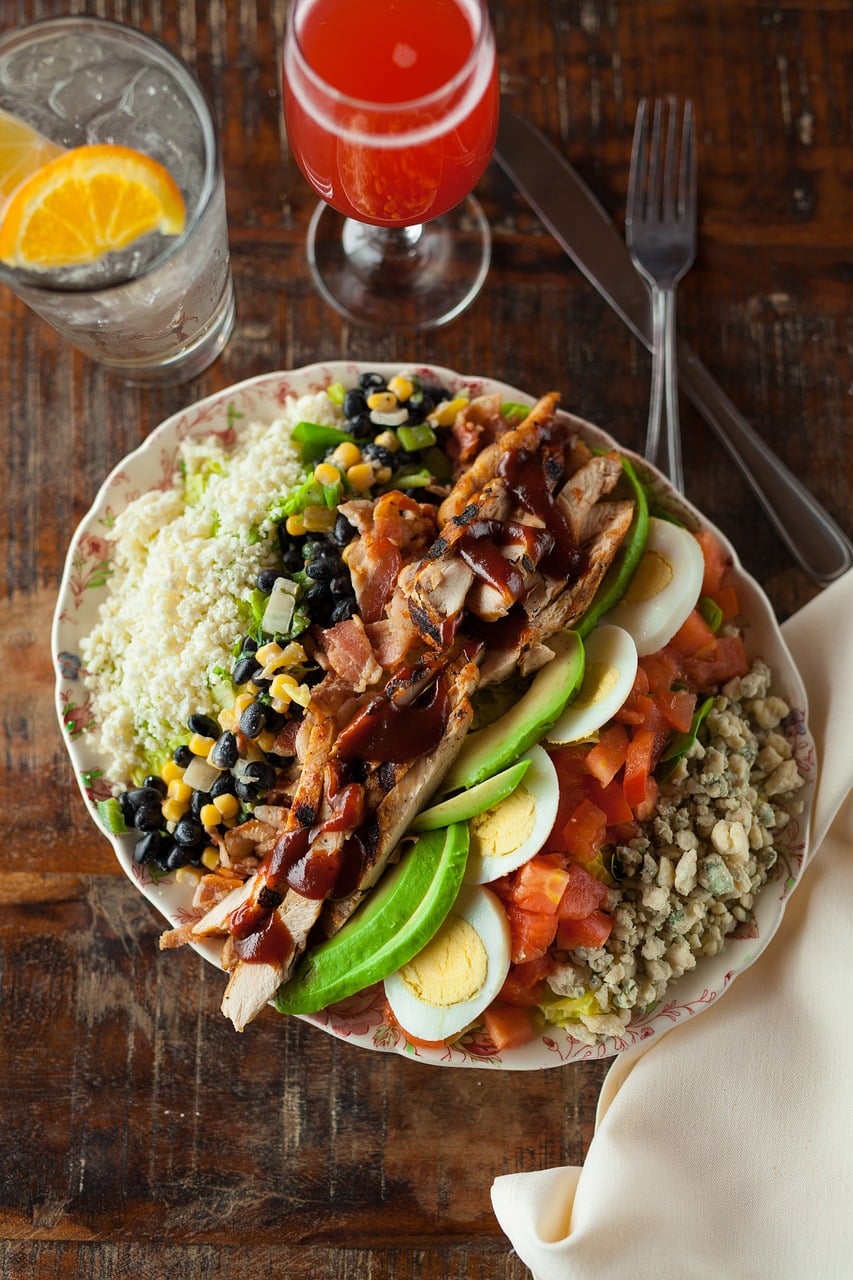
Farro changes the texture of dinner in a way plain white rice usually does not. It stays pleasantly chewy after cooking, so bowls, grain salads, and roasted vegetable plates feel more substantial with very little extra work.
This ancient wheat has a mild, nutty flavor that fits neatly into familiar meals. Use it under grilled chicken, spoon saucy beans over it, or toss it with olive oil, herbs, and roasted carrots. Because the grains stay distinct, leftovers also hold up well for lunch instead of turning soft and sticky.
Ground beef for ground turkey
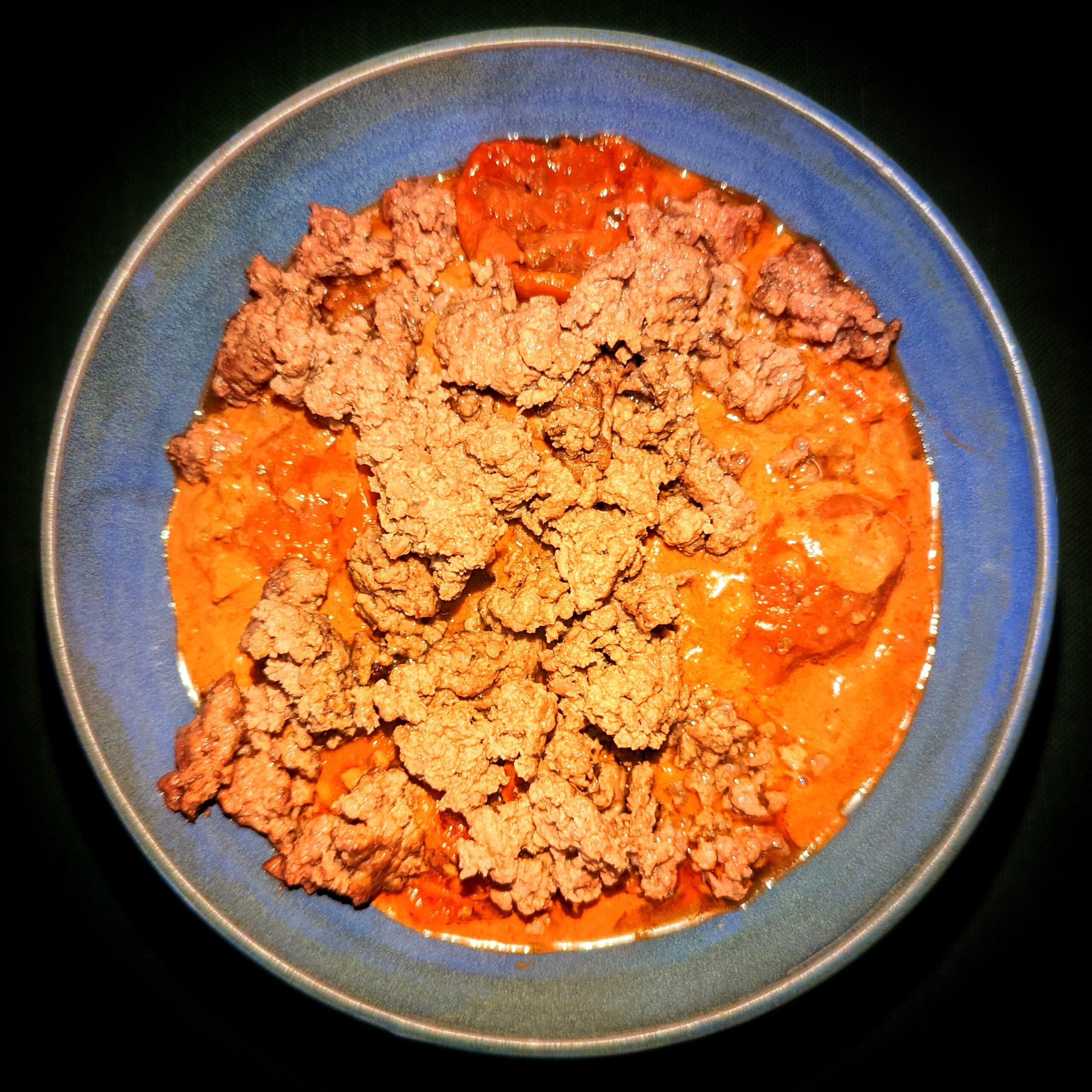
A dinner rut often starts with the same taco filling, pasta sauce, or skillet mixture every week. Swapping in ground turkey changes the flavor profile enough to make those staples feel new, especially when you season it assertively with garlic, cumin, smoked paprika, or chili powder.
Ground turkey is leaner than many beef blends, but it benefits from a little technique. Cooking it with onions or mushrooms adds moisture and depth, and a spoonful of tomato paste helps build savory flavor. In lettuce cups, meatballs, or stuffed peppers, it can feel less heavy while still delivering the comfort people expect at dinner.
Iceberg for cabbage
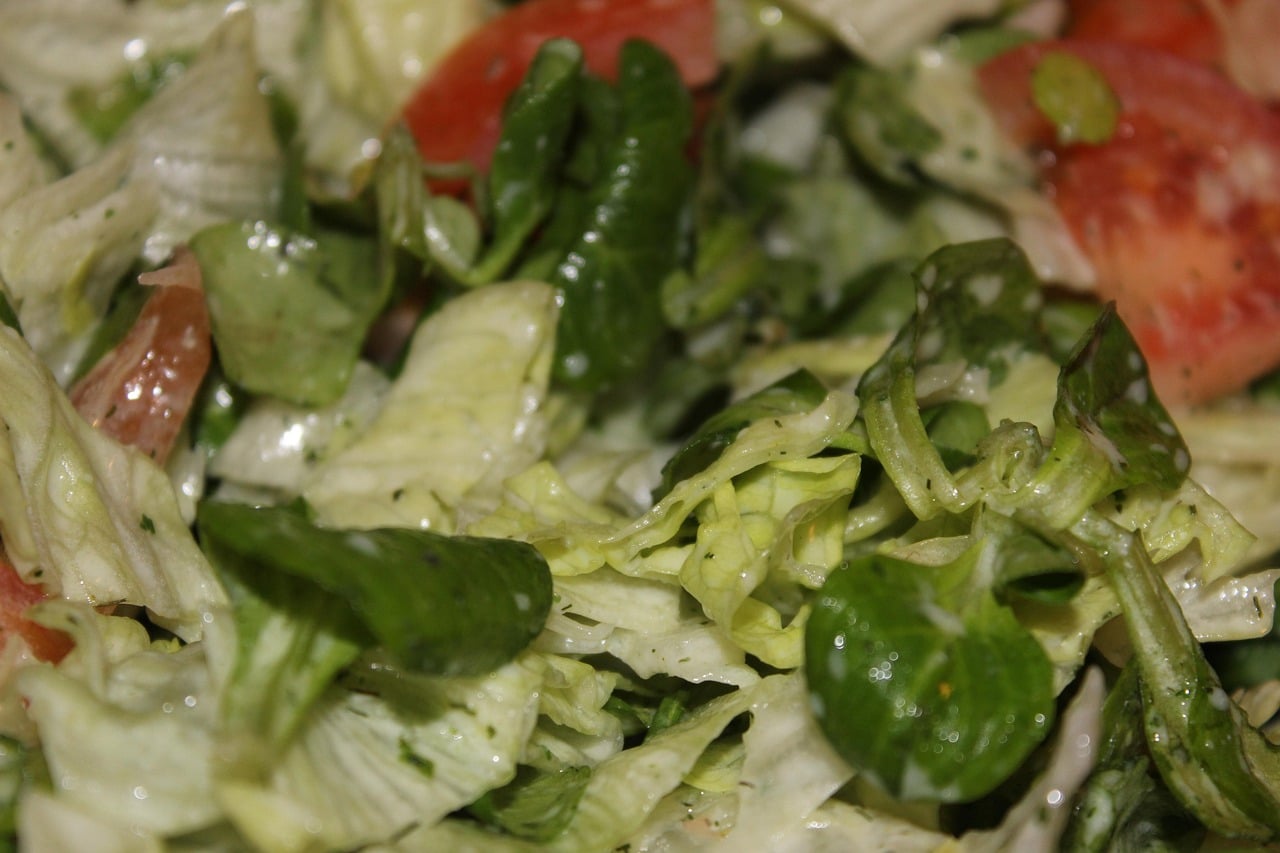
Lettuce brings freshness, but cabbage adds staying power. A bowl of tacos, grain bowls, or sandwiches becomes more interesting when the usual shredded lettuce is replaced with thinly sliced green or red cabbage.
The payoff is texture. Cabbage keeps its crunch under hot fillings and creamy dressings, so it works especially well in fish tacos, burgers, and noodle bowls. It also carries sharp flavors beautifully, whether you dress it with lime juice, vinegar, or a quick yogurt sauce. That means one inexpensive vegetable can stretch across several dinners without getting limp in the fridge after a day or two.
Jarred pasta sauce for canned tomatoes

Jarred sauce is convenient, but canned whole or crushed tomatoes give you more control over dinner. When you build your own quick sauce with olive oil, garlic, onion, and tomatoes, you can decide if it should taste brighter, richer, spicier, or more herb-forward.
This swap is less complicated than it sounds. Many weeknight sauces come together in the time it takes pasta to boil, and the flavor is easier to tailor to meatballs, seafood, or vegetables. A pinch of red pepper flakes, a knob of butter, or a handful of basil can shift the entire mood of the dish without making it feel like a restaurant project at home.
Sour cream for plain Greek yogurt

Some of the smartest dinner swaps happen at the finish, not the base. Replacing sour cream with plain Greek yogurt keeps the cool, tangy element people want on chili, baked potatoes, tacos, and grain bowls, but it adds a cleaner, lighter feel.
Greek yogurt also works beyond topping duty. Stir it into sauces, use it in marinades for chicken, or blend it with lemon and herbs for a fast dressing. The key is to add it thoughtfully, especially around high heat, so it stays smooth. As a final touch on spicy or smoky meals, it delivers contrast that can make the whole plate taste more balanced.




Leave a Reply