
Old food brands can become valuable in more than one way. Sometimes the company itself is sold for a large sum, and sometimes old packaging, signs, or limited products become collectible enough to command real money.
Hostess
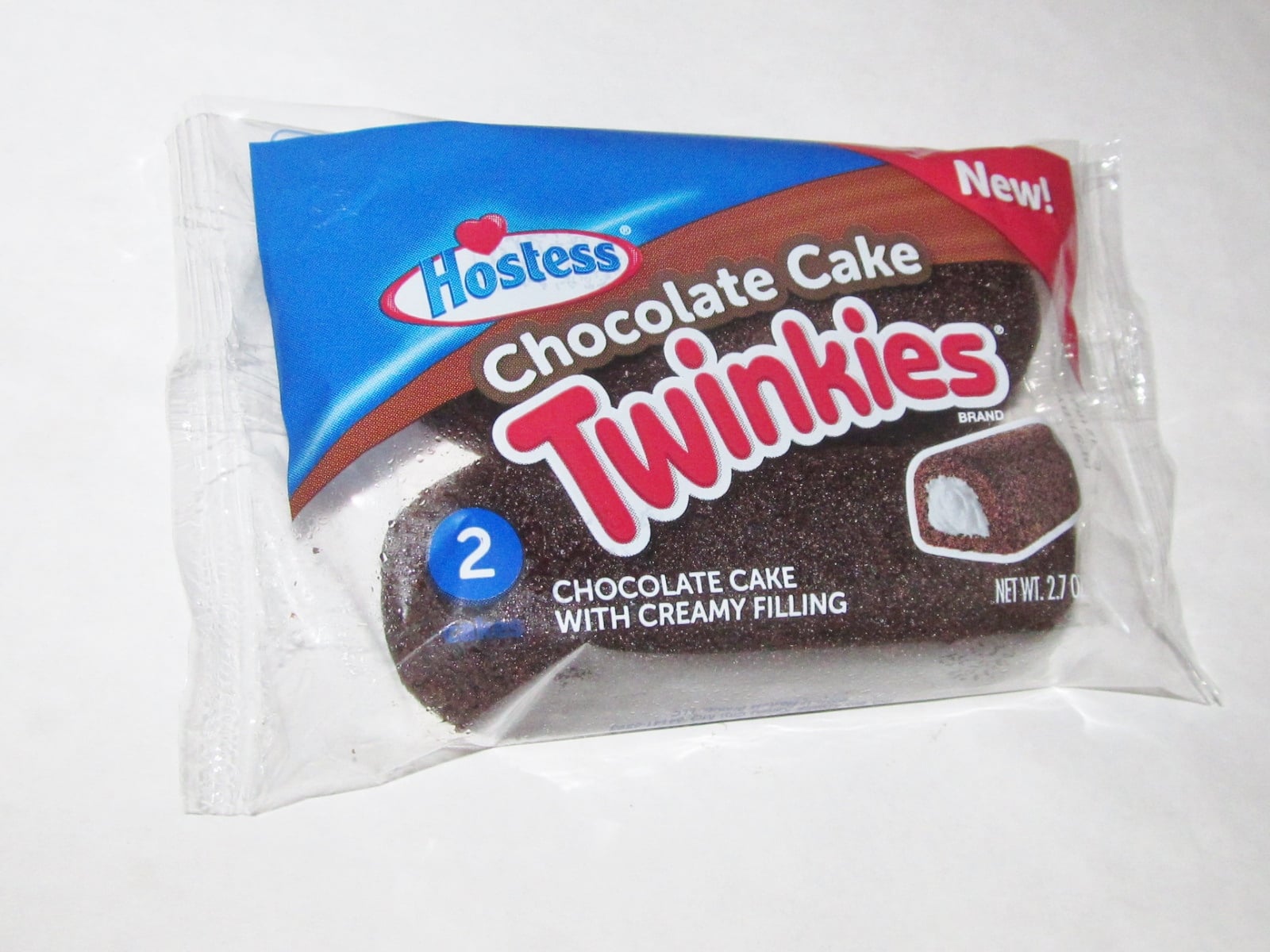
A snack cake brand can look ordinary on a store shelf and still be worth billions in the boardroom. Hostess shows how a long-running food name can regain serious value after years of upheaval.
Hostess Brands emerged from bankruptcy and returned to public markets in 2016 through a merger with Gores Holdings. In 2023, J.M. Smucker agreed to buy Hostess Brands for about $5.6 billion in cash and stock, including assumed debt, putting a very clear price on the staying power of Twinkies, Ding Dongs, and CupCakes.
That deal mattered because Hostess had once looked like a fading supermarket relic. Instead, the brand proved it could still attract loyal shoppers and premium interest from a much larger food company that wanted its snack portfolio.
Blue Bell
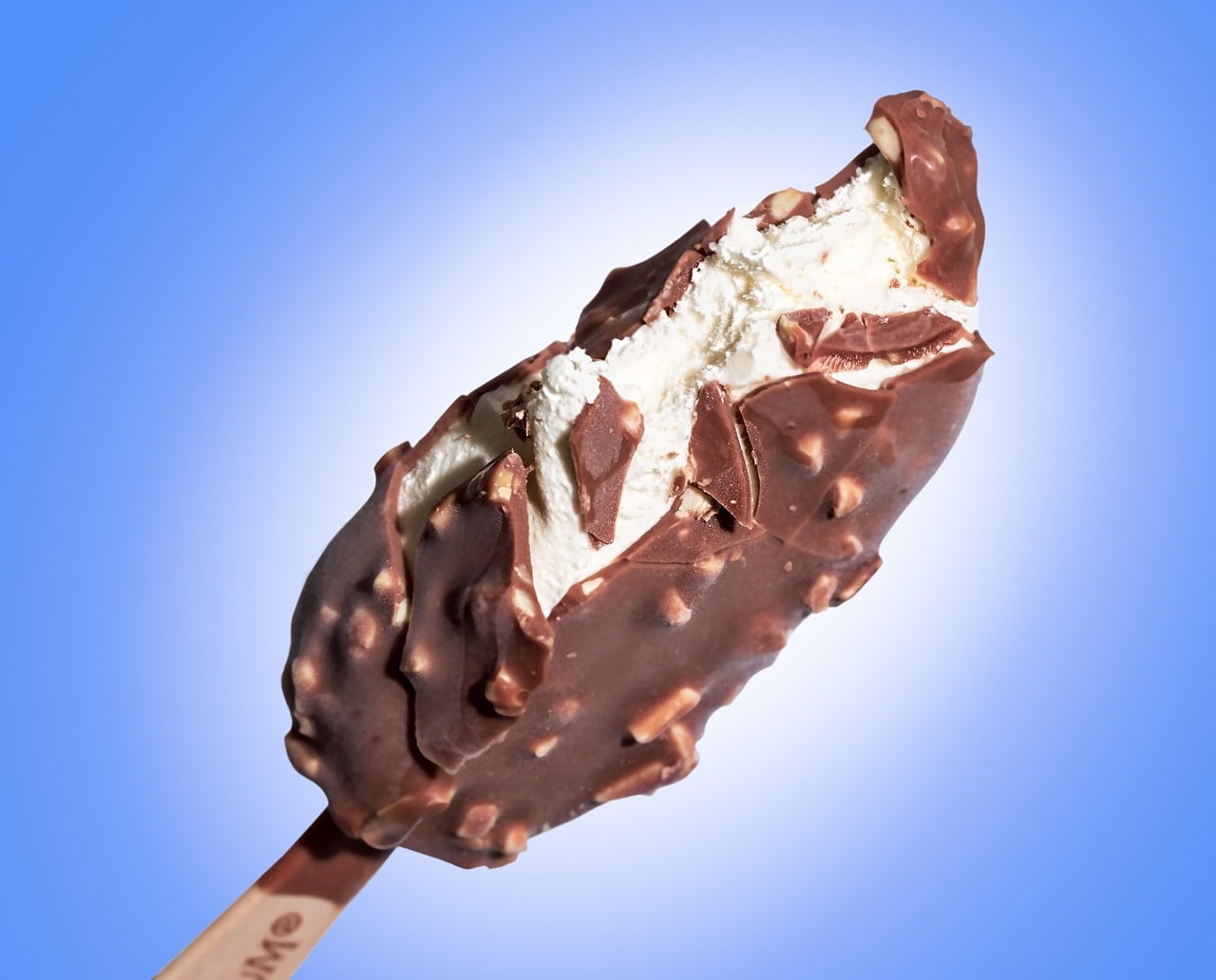
An old ice cream name can become more valuable simply because customers refuse to let it fade. Blue Bell built that kind of loyalty over generations, especially across Texas and the South.
In 2015, Blue Bell halted production after a listeria crisis and issued a recall. The company gradually returned products to stores later that year. What followed was a strong comeback driven by shoppers who had grown up with the brand and treated its return like the revival of a hometown institution.
That renewed demand helped restore Blue Bell's business relevance. It is still a privately held company, so there is no public sale price to point to, but its rebound showed that heritage alone can carry enormous economic value when people still trust the taste and the name.
Crystal Pepsi
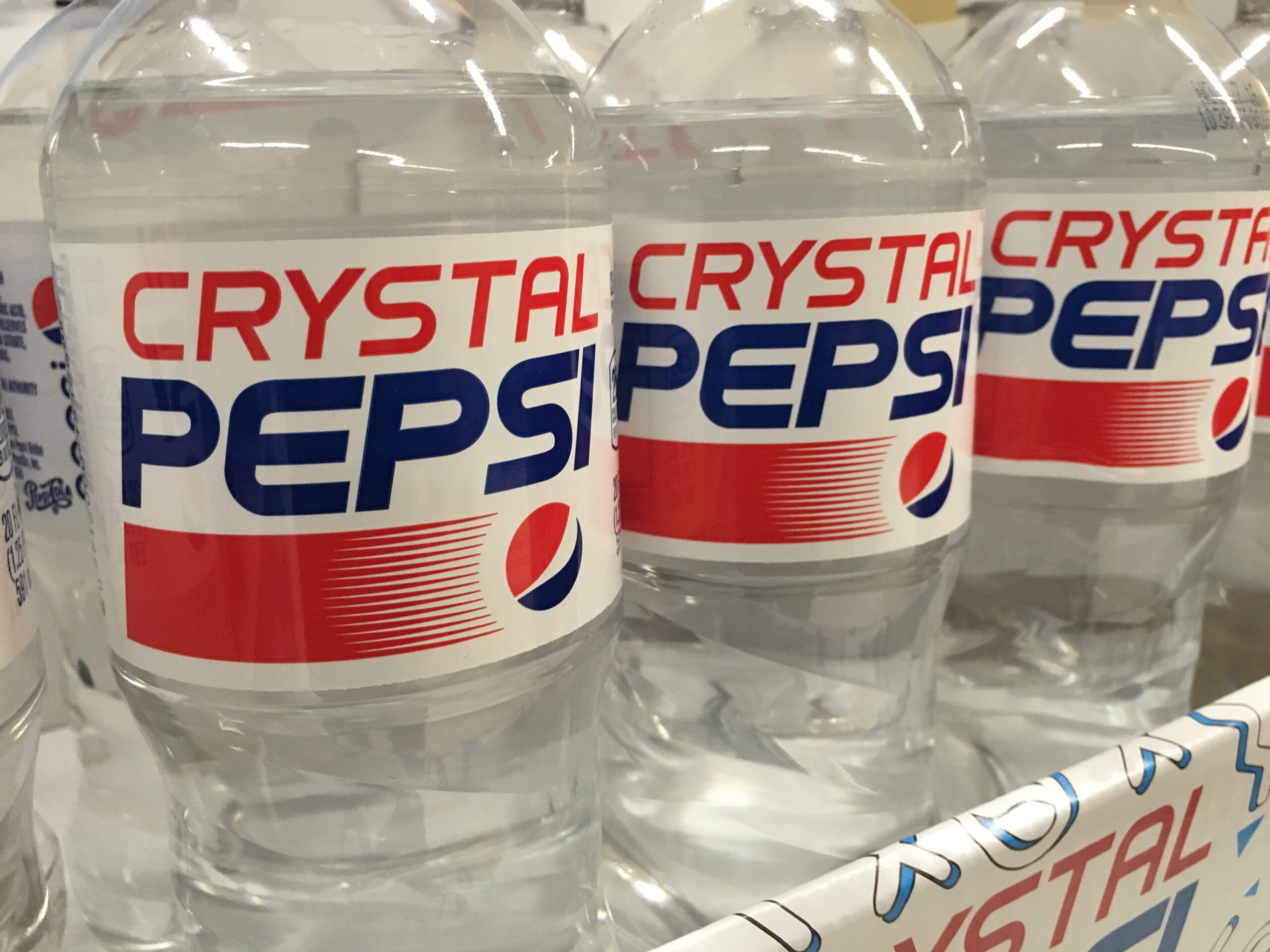
Not every valuable comeback happens through long-term shelf dominance. Sometimes scarcity and nostalgia turn a discontinued product into a temporary prize, and Crystal Pepsi is one of the clearest examples.
Pepsi first introduced Crystal Pepsi in 1992 and pulled it from the market not long after. Decades later, nostalgia for 1990s products helped fuel limited returns, including a 2016 relaunch that drew national attention and made the clear cola feel newly relevant to both collectors and curious younger buyers.
Its value today comes less from permanent grocery sales and more from cultural cachet. Unopened vintage bottles, old ads, and promotional items can draw collector interest because the brand represents a very specific moment in American food marketing history.
McDonald's McDLT

Sometimes the most valuable part of an old food brand story is not the food itself, but the memorabilia left behind. The McDLT, introduced by McDonald's in the 1980s, has become a collectible time capsule.
The sandwich is remembered for its two-sided foam container, which kept the hot side hot and the cool side cool. McDonald's eventually discontinued the McDLT, and the packaging became a symbol of an era when fast food chains sold convenience and novelty very differently than they do now.
Because the item disappeared, surviving containers, ads, and store displays now interest collectors of restaurant history. The product itself is gone, but the branded material around it has gained value as a rare physical reminder of a famous chain's past experiments.
Jell O 1 2 3
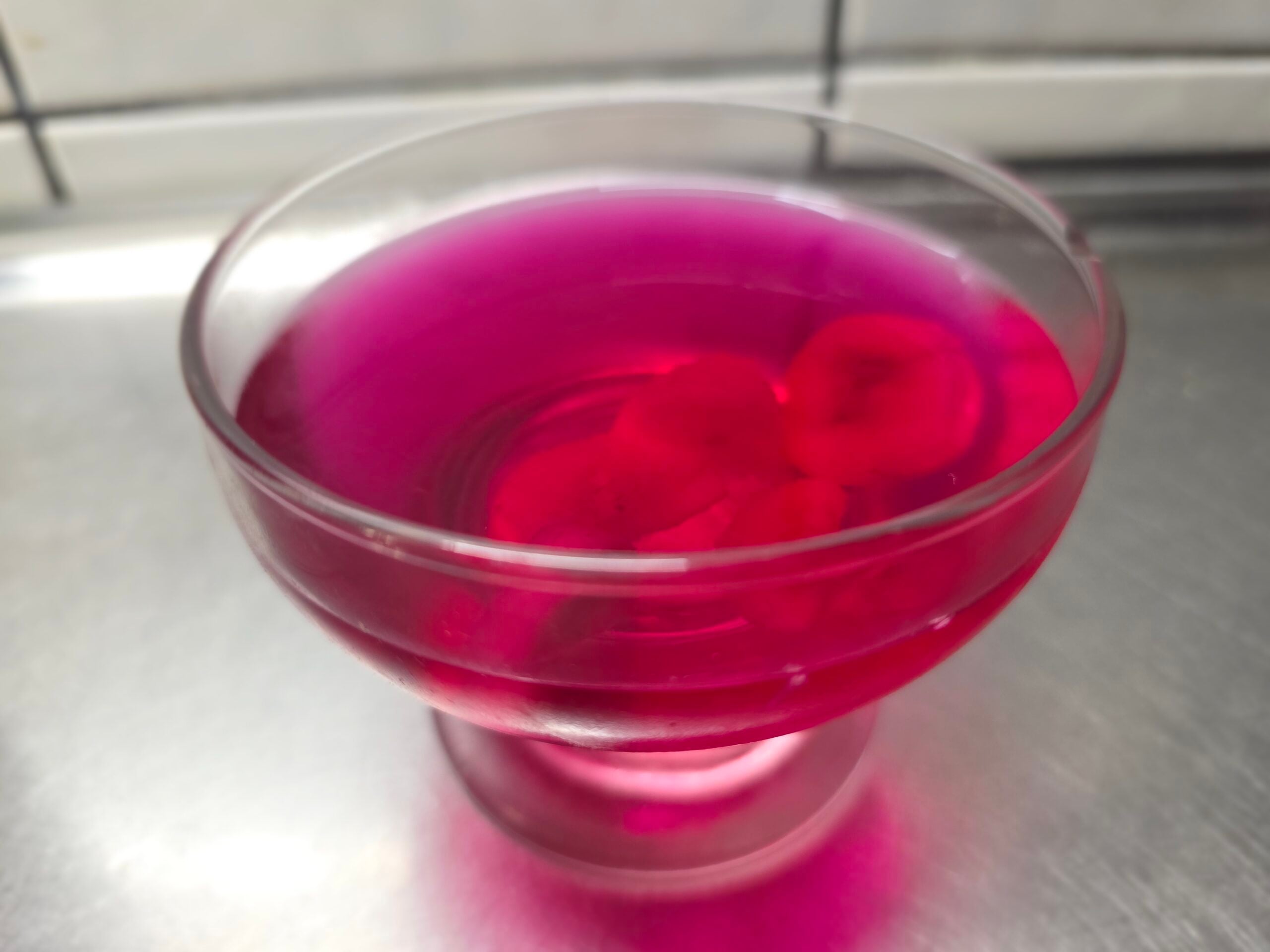
Few dessert mixes capture a vanished supermarket era as neatly as Jell O 1 2 3. The product, introduced by General Foods in 1969, separated into three layers after preparation, creating a built-in magic trick for home cooks.
It was eventually discontinued, but nostalgia never fully disappeared. Kraft brought back Jell O 1 2 3 for a limited run in 2023, showing that a retired grocery brand can still carry enough recognition to justify a modern revival decades after its first wave of popularity.
That return is a form of value in itself. It means the name still means something to shoppers, and it also boosts interest in old boxes, print ads, and kitchen ephemera that connect collectors to a very specific moment in American dessert culture.
Leave a Reply