
Food travel did not start with social media, tasting menus, or viral restaurant lists. Many boomers learned to build trips around markets, family-run restaurants, regional dishes, and unhurried meals, and those habits still offer practical lessons for travelers now.
Start with the market

One of the smartest boomer travel habits is beginning with the local market, not the trendiest reservation. A market shows what people in a place actually cook, snack on, and buy for dinner. It also reveals seasonality fast, because what is piled high on the stalls is usually what is freshest and most abundant.
That makes markets a useful shortcut for understanding a region's food culture. In Barcelona, La Boqueria displays jamón, olives, seafood, and fruit in one compact stop. In Florence, Mercato Centrale puts cured meats, cheeses, and bread at the center of the local table. Even smaller town markets can tell you more about a destination than a polished dining room can.
Boomers often treated these places as both classroom and lunch stop. That approach still works because vendors can explain unfamiliar ingredients in plain terms, and prepared counters let travelers sample local flavors without committing to a full formal meal.
Build the day around one regional dish

Another strong lesson is to travel with a dish in mind. Instead of trying to eat everything, many boomers focused on one local specialty and let the day unfold around it. That habit turns a meal into a way of exploring geography, history, and craft.
Think of paella in Valencia, barbecue in central Texas, or pho in Hanoi. These dishes are rooted in place, and the best versions usually make sense only when you experience them where they developed. Rice, smoke, broth, herbs, and timing all reflect local ingredients and cooking traditions.
This narrower focus can also improve decision-making. Rather than scrolling endless reviews, you learn what the region is proud of and seek out the cooks doing it well. The result is often a more grounded experience and a clearer memory of the trip.
Leave room for long lunches
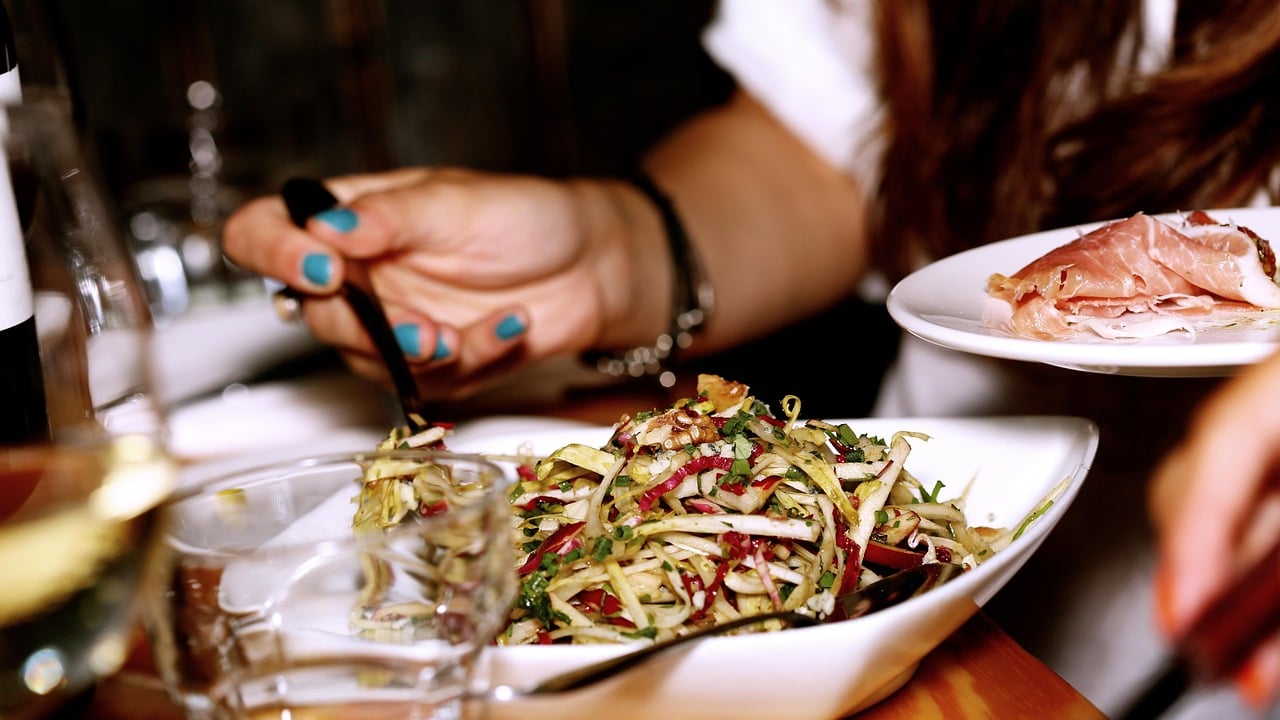
Boomers also understood that a memorable meal is not always a fast one. In many countries, lunch has historically been the main event, with more courses, more conversation, and more time at the table than dinner. Planning for that rhythm can make a trip feel more local.
In Spain, the sobremesa, the time spent talking after a meal, remains part of dining culture. In Italy and France, midday meals can still stretch out when families or friends gather. Travelers who rush through lunch often miss how food fits into everyday social life.
A long lunch also changes what you notice. You hear the room settle, watch regulars interact with staff, and see what people order when they are not performing for tourists. That slower pace often produces the kind of food memory that lasts.
Trust family-run places with a point of view

Many boomer travelers learned to value restaurants that do a few things consistently well. Family-run places often have a narrower menu, but that can be a strength. It usually means the kitchen is centered on dishes the owners know deeply and make repeatedly.
That kind of focus matters in food destinations where tradition is part of the appeal. A small ramen shop in Japan, a trattoria in Rome, or a barbecue joint in North Carolina may not try to please everyone. Instead, it may keep returning to a handful of preparations refined over years.
These restaurants also tend to carry local continuity. Recipes, sourcing relationships, and service styles are often passed through generations or shaped by long community ties. For travelers, that can offer a clearer sense of place than a concept designed to work anywhere.
Ask what is in season
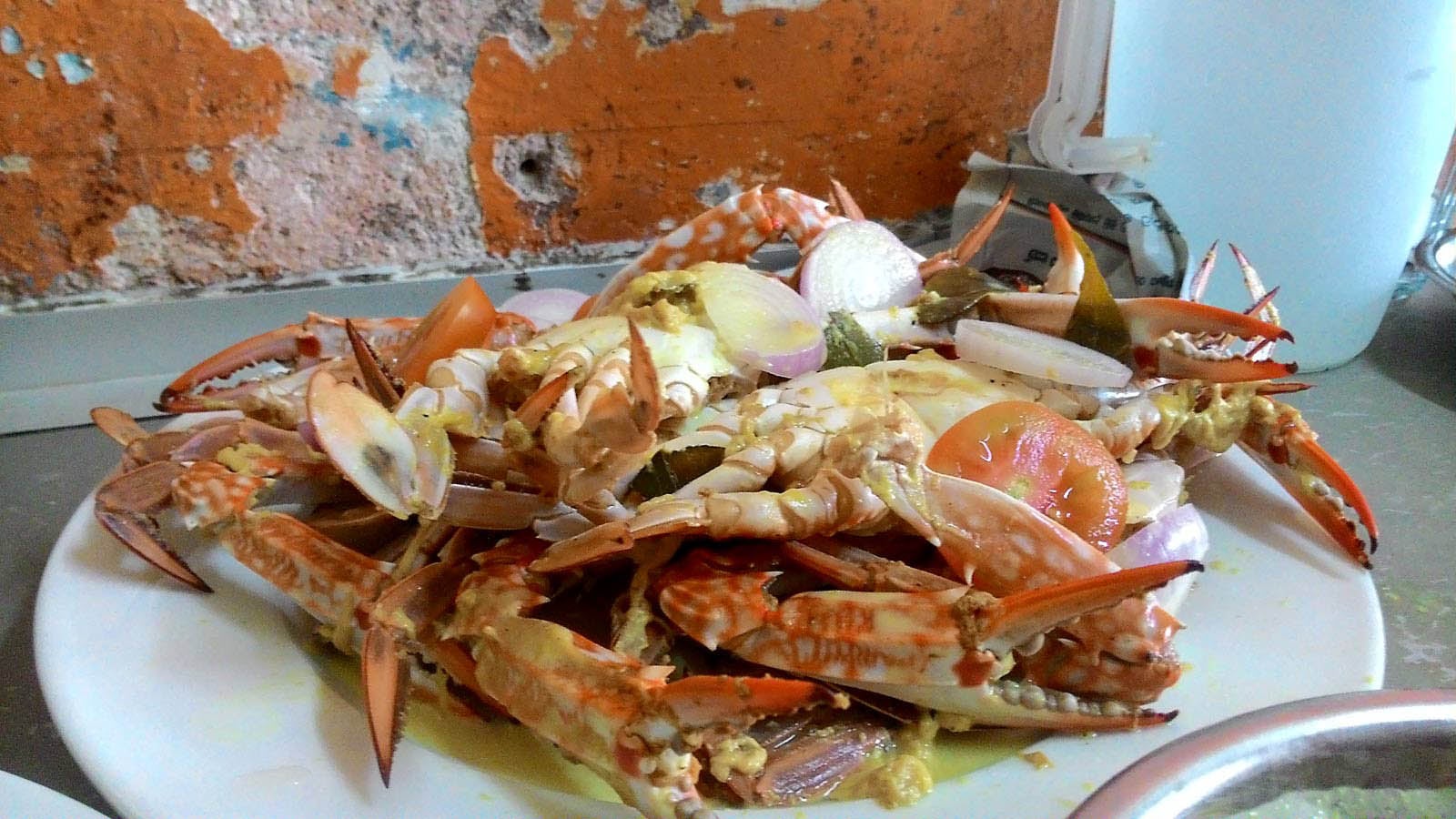
A practical boomer lesson is to ask a simple question early: what is in season right now. Seasonal eating is not just a restaurant trend. It affects flavor, price, and the chances that a place is serving food at its best.
In coastal areas, that might mean a certain fish is worth ordering now and not six months later. In farm regions, it can mean asparagus in spring, tomatoes in summer, or mushrooms in autumn. Menus that follow the local calendar usually taste more connected to the destination.
This approach also helps travelers avoid generic ordering. If every table is getting the same produce-driven special, there is often a reason. Boomers were often practical eaters first, and that practicality still leads to better meals than chasing the broadest menu.
Treat local foodways with respect

The best boomer food travelers were curious without trying to turn every meal into content. They asked questions, but they also listened. That matters because foodways, the shared habits around growing, cooking, and eating, carry identity, labor, and memory.
Respect can look simple. Learn the name of a dish before ordering it. Understand that a regional preparation may vary from town to town. Recognize that ingredients some visitors see as exotic may be everyday staples with deep cultural roots.
This mindset leads to better conversations and often better hospitality. Cooks and servers usually notice when a traveler is genuinely interested rather than chasing a checklist. The meal becomes less about collecting status and more about understanding how people live.
Bring home techniques, not just souvenirs

One lasting lesson from boomer-era food travel is that the trip should continue in your kitchen. A jar of mustard or a bag of spice can be nice, but the bigger payoff is learning a method, flavor pairing, or serving ritual you can repeat at home.
That might mean dressing tomatoes simply after seeing how they are served in southern Italy, brewing mint tea the way it is poured in Morocco, or understanding how a broth gains depth through patience rather than complexity. Small lessons travel well.
This is also why food memories often stay vivid. Recreating even part of a travel meal turns it from a one-time indulgence into lived knowledge. Boomers often traveled to taste, but they also traveled to learn, and that may be their best lesson of all.


Leave a Reply