
Some food rules from childhood were really parenting shortcuts in disguise. Others were old folk beliefs that stuck around so long they started to sound like science, even when they were mostly just a clever way to get dinner finished.
Eat your crusts, they make your hair curly
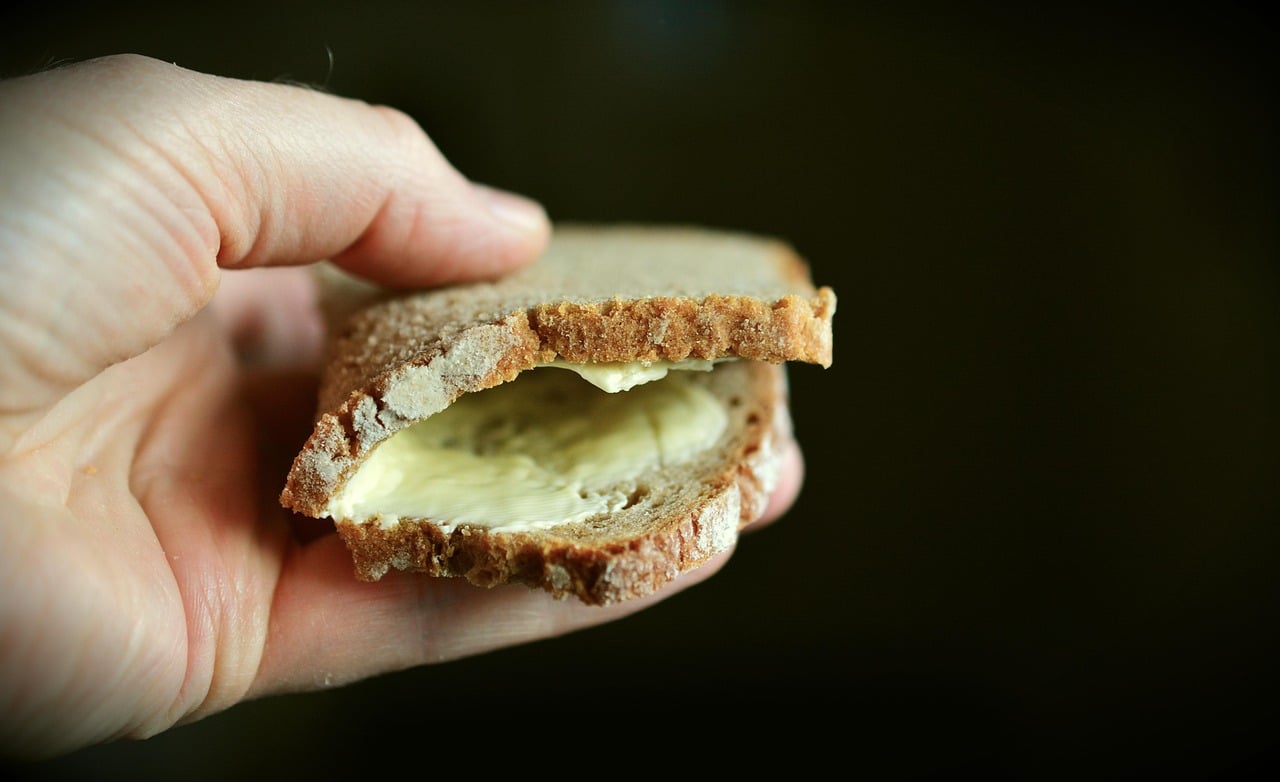
For a lot of kids, bread crust came with a beauty promise. Parents swore the outer edge of a sandwich could somehow turn straight hair curly, or at least make it grow better, thicker or faster.
There is no evidence that bread crust changes hair texture. Hair curl pattern is largely determined by genetics and the shape of the hair follicle. Nutrition does matter for hair health, but not in the magical, sandwich-specific way many kids were told.
The more likely explanation is simple: crusts were nutritious, edible and already paid for. In households that valued not wasting food, telling children the crust had special powers was a tidy strategy. It turned a boring bite into a prize, and sometimes that was enough to clear the plate.
Swallowing gum stays in your stomach for seven years

This may be the most famous food warning of all. One accidental gulp of chewing gum, and suddenly a child was told it would sit in the stomach for seven years like a permanent rubber souvenir.
Doctors have long said that is not how digestion works. Gum base is harder to break down than many foods, but in most cases swallowed gum moves through the digestive tract and leaves the body normally. It does not set up camp for years.
The lie probably lasted because it sounded dramatic and useful. Parents wanted children to spit gum out properly, avoid choking and keep sticky messes off floors, clothes and furniture. A plain cleanup lecture was easy to ignore. A seven-year digestive horror story had much better odds.
Coffee will stunt your growth

Kids who reached for a sip of coffee were often met with a serious warning. Drink that, many parents said, and you can say goodbye to getting taller.
Research has not shown that coffee stunts growth. Caffeine can affect sleep, and too much of it can make children feel jittery, raise heart rate temporarily or interfere with healthy routines. But it does not shrink bones or block the body from growing.
This one likely survived because it solved a real parenting problem. Adults did not want children drinking a stimulating beverage, especially late in the day, and they needed a fast explanation. Tying coffee to height made the rule feel immediate and personal, which is often more persuasive to a child than a discussion about sleep hygiene.
If you swallow watermelon seeds, one will grow in your stomach
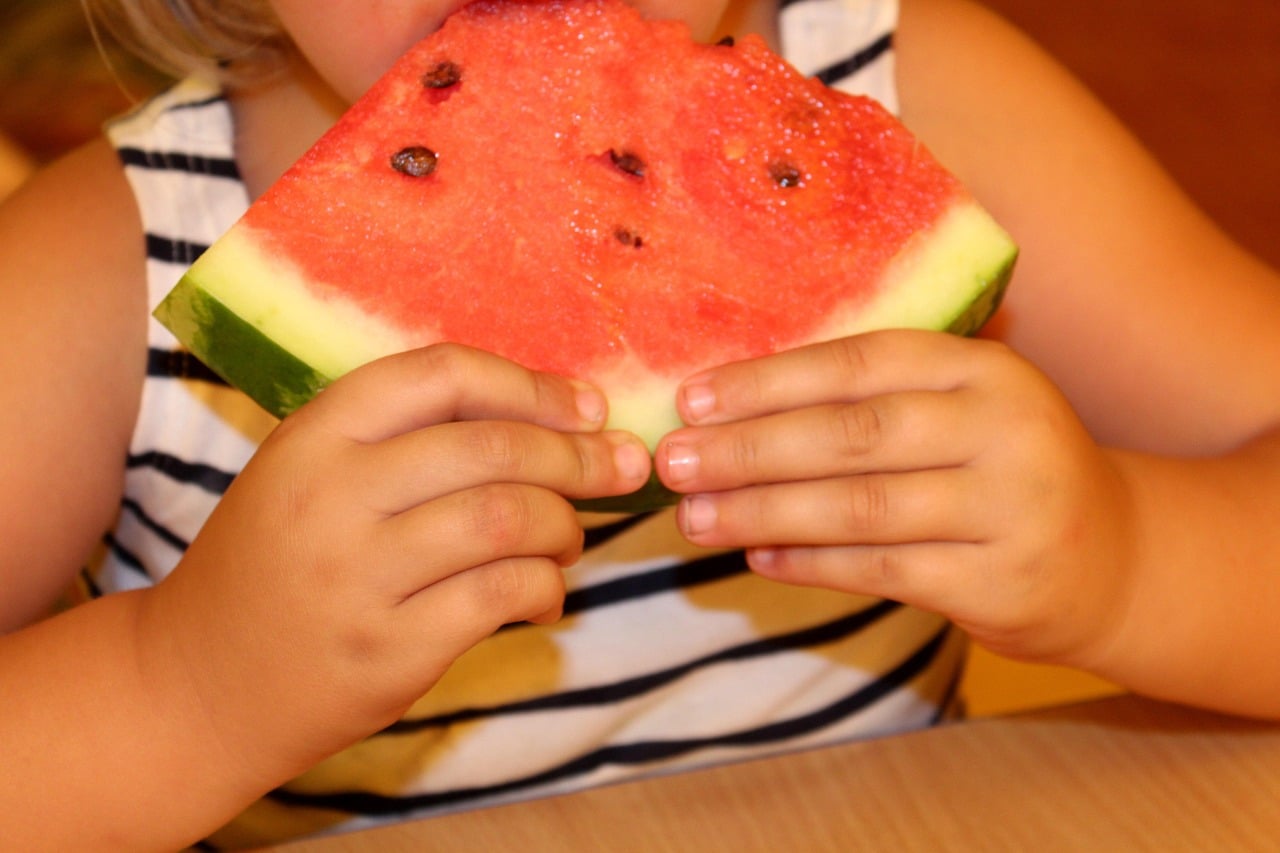
This white lie had excellent visual impact. A child spits out a black seed, hesitates for a second, and hears that any seed accidentally swallowed might sprout into a full watermelon inside their belly.
Biology says otherwise. Seeds need the right conditions to germinate, including suitable temperature, moisture and access to oxygen and soil conditions they simply do not get in the human digestive system. Stomach acid and digestion are not a greenhouse.
Parents probably leaned on this tale because it encouraged careful eating and less seed-spitting chaos at the table. It also fit a long tradition of turning plants into cautionary stories for children. The image of a watermelon vine in a stomach was absurd enough to be memorable, which is exactly what made it work.
Carrots will give you night vision

This one is especially interesting because it contains a sliver of truth. Parents often claimed that eating carrots would help kids see in the dark, as if one side dish could turn them into tiny nocturnal experts.
Carrots are rich in beta-carotene, which the body converts into vitamin A. Vitamin A is important for normal vision, especially in low light, and severe deficiency can cause vision problems. But eating extra carrots does not grant superhuman night vision if you already get enough vitamin A.
The story became especially famous during World War II, when British messaging linked pilots and carrots in a way that helped popularize the idea. For parents, it was perfect material. It made a humble vegetable sound powerful, and that was often enough to get a few more orange bites eaten.
Fish is brain food, so finish it
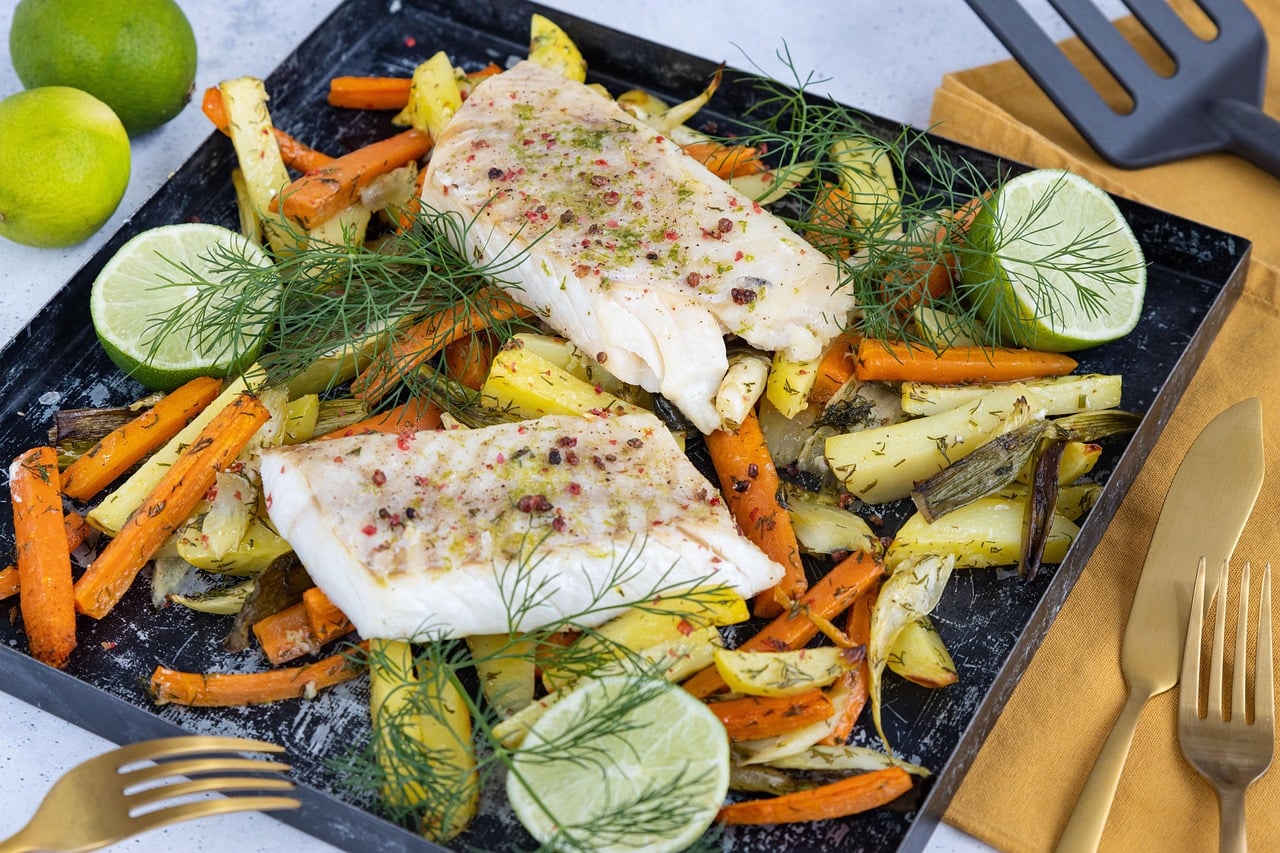
Many children heard that fish would make them smarter. It was presented less as nutrition and more as a direct trade: eat this now, become brilliant later.
There is a real nutritional basis here, though the promise was usually exaggerated. Fish can provide protein, iodine and omega-3 fatty acids, including DHA, which plays a role in brain development and function. That said, no single serving of fish flips a switch and produces instant academic success.
Still, parents were not entirely freelancing with this one. They were compressing a broad nutrition message into a line a child could remember. Fish had a reputation as a healthy dinner, and calling it brain food gave it a clearer identity than simply saying it was part of a balanced diet.
Spinach will make you instantly strong

Thanks to generations of cartoons and dinner-table storytelling, spinach became the vegetable of sudden strength. To a child, it sounded almost medicinal, like green leaves could replace effort, training and time.
Spinach is undeniably nutritious. It contains vitamins, minerals and plant compounds that support overall health, and it can be part of a diet that helps the body perform well. But it does not create instant muscle power, and the body does not respond to spinach with cartoon-speed transformation.
The myth lasted because it solved two jobs at once. It made a sometimes unpopular vegetable feel exciting, and it linked healthy eating to visible results. Parents have always known that children respond better to vivid payoffs than to abstract nutrition language printed on a label.
Candy will rot your teeth overnight

This warning usually arrived around Halloween, birthday parties or any moment involving a suspicious amount of sugar. The message was blunt: eat candy, and your teeth could be ruined in practically no time.
The truth is more gradual. Cavities form when bacteria in the mouth feed on sugars and produce acids that wear down tooth enamel over time. Frequency matters, oral hygiene matters and sticky sweets can be especially troublesome, but one piece of candy is not an instant dental catastrophe.
Even so, the warning had logic behind it. Parents wanted moderation, brushing and fewer sugar battles. Turning a slow process into an urgent consequence made it easier to police a candy stash. It was less a chemistry lesson than a practical tool for surviving treat-heavy seasons.
Turkey makes you sleepy

This line appears every holiday season and in plenty of ordinary kitchens too. If you felt drowsy after a turkey dinner, many parents pointed straight at the bird as the obvious cause.
Turkey does contain tryptophan, an amino acid involved in producing serotonin and melatonin. But many protein-rich foods contain tryptophan, and turkey is not uniquely powerful in a way that explains a full post-meal slump by itself. Large portions, rich side dishes, alcohol and a relaxed setting usually do more of the work.
As a family explanation, though, it was elegant. It pinned a complicated feeling on one familiar food and made a heavy meal seem almost scientific. Children heard a neat cause-and-effect story, while adults got a simple answer for why everyone suddenly wanted the couch.
Wait an hour after eating before you swim

Strictly speaking, this one is more about what happens after food than the food itself, but it lived in the same family rulebook. Many kids were told that getting into a pool too soon after eating would cause dangerous cramps.
Experts have generally said there is no basis for a mandatory one-hour wait for most people after a normal meal. Some swimmers may feel uncomfortable exercising hard right after eating, but the idea that digestion alone creates a major drowning risk has long been overstated.
The rule makes sense when viewed as household management. Parents at the beach or pool needed kids to slow down, digest, rest and stop cannonballing five minutes after lunch. Framing that pause as a safety requirement was much more effective than saying adults simply wanted a quieter half hour.




Leave a Reply