
A lot of food gets tossed because people confuse best-by dates with food safety. For a few common staples, the bigger issue is usually quality, not spoilage, especially when storage is cool, dry, and consistent.
Hard cheese
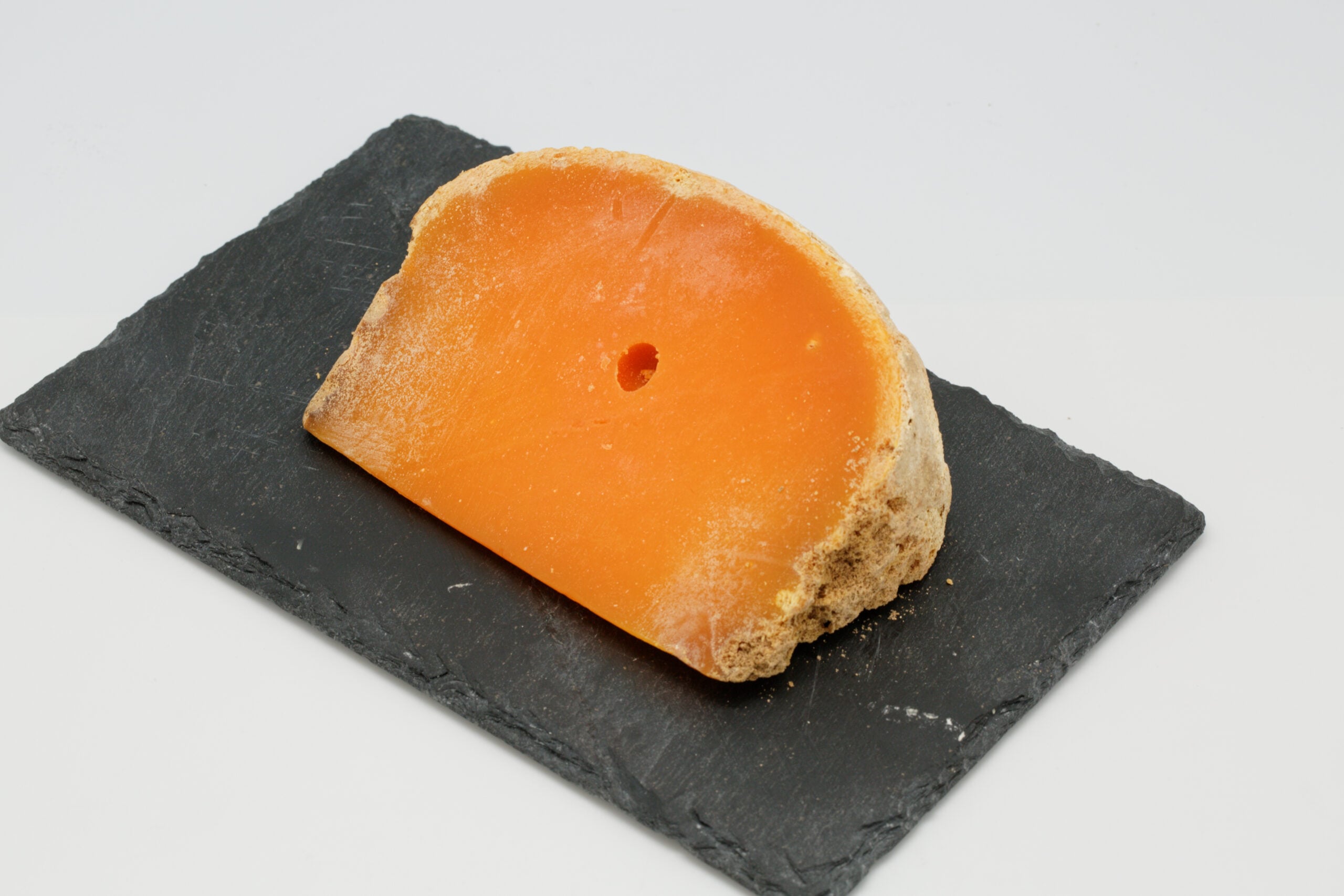
Cheese often looks more fragile than it is. According to the USDA, hard cheeses such as Cheddar, Colby, Parmesan, and Swiss can keep for a long time in the refrigerator because they contain less moisture than softer styles.
An unopened package of hard cheese can last up to 6 months in the refrigerator. Once opened, the USDA says it can keep 3 to 4 weeks. If surface mold appears on a hard cheese, the USDA advises cutting off at least 1 inch around and below the mold spot, keeping the knife out of the mold itself.
That guidance does not apply to soft cheeses. Brie, cream cheese, and cottage cheese need more caution because moisture helps mold and bacteria spread more easily.
Eggs
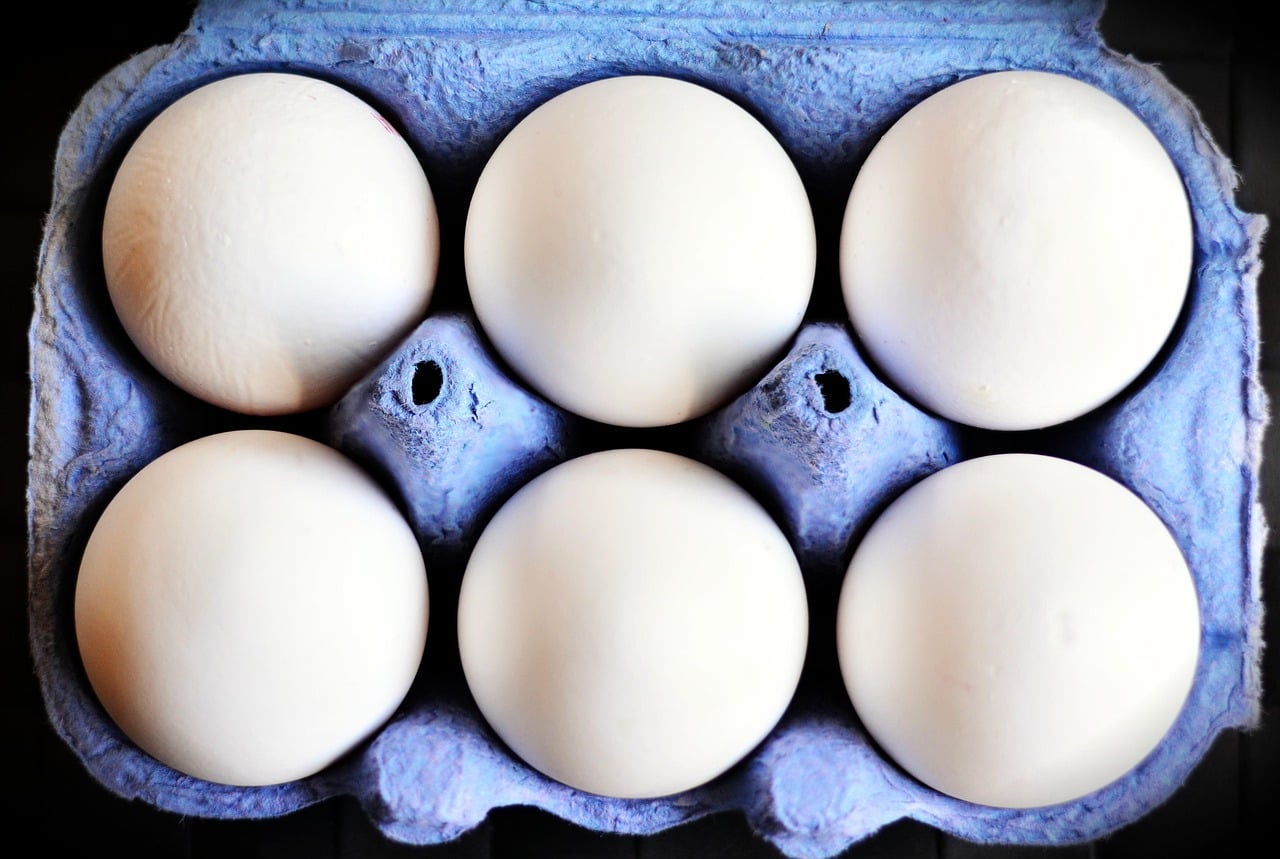
Egg cartons can seem dated before the eggs are truly done. The USDA says shell eggs can be refrigerated for 3 to 5 weeks from the day they are placed in the refrigerator, even if the carton date passes during that time.
What matters most is steady cold storage. The USDA recommends keeping eggs in their original carton and storing them in the main body of the refrigerator, not in the door, where temperatures swing more often.
Hard-cooked eggs are different. The USDA says they should be used within 1 week, which is a much shorter window than raw shell eggs.
Peanut butter
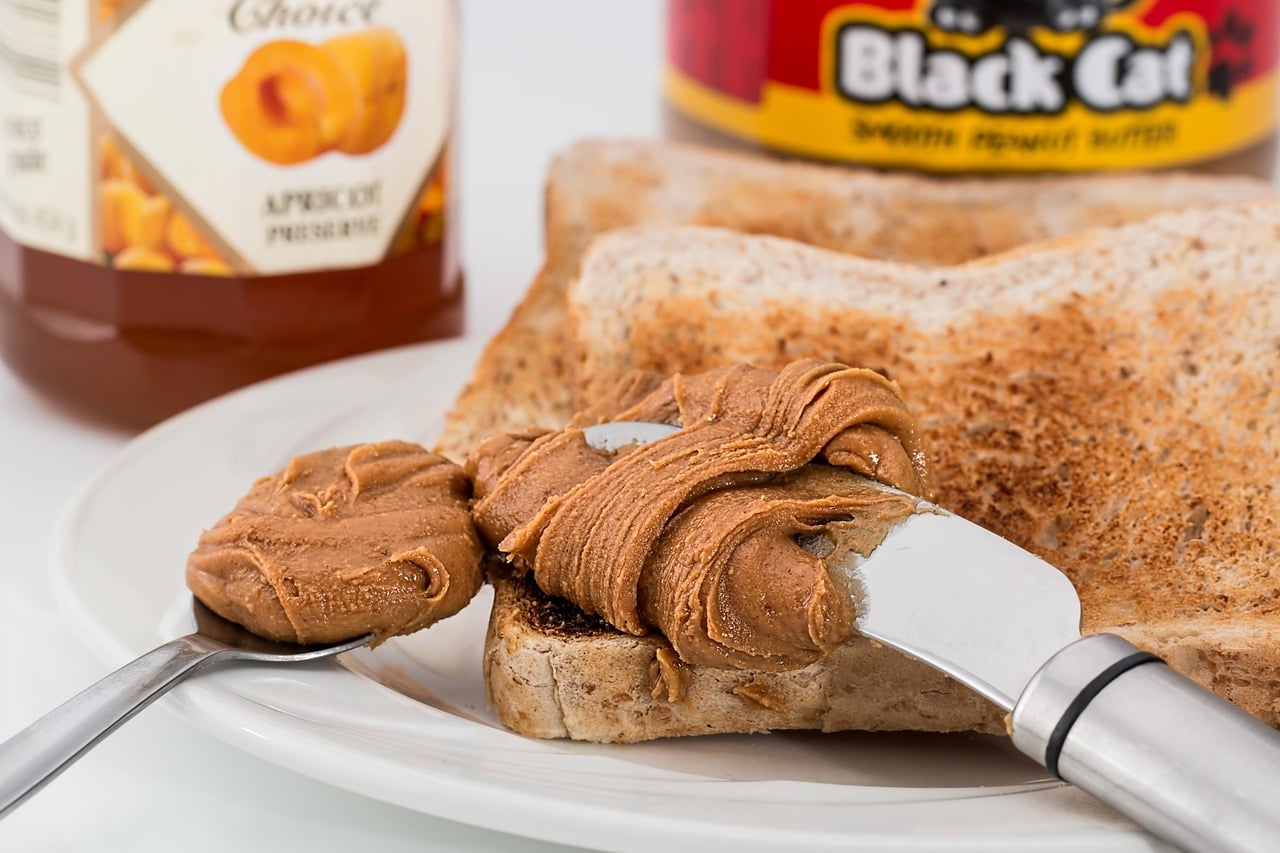
Peanut butter earns its long shelf life from low moisture content and a high fat level, which makes it less friendly to quick microbial growth than many other spreads. The National Peanut Board says unopened peanut butter can last 6 to 9 months in the pantry.
After opening, regular peanut butter is generally best for 2 to 3 months in the pantry and 6 to 9 months in the refrigerator. Natural peanut butter, which often separates because it has fewer stabilizers, keeps best in the refrigerator after opening.
Quality changes usually show up before safety issues do. Texture may dry out, and oils can turn rancid over time, creating a paint-like or bitter smell and taste.
Honey
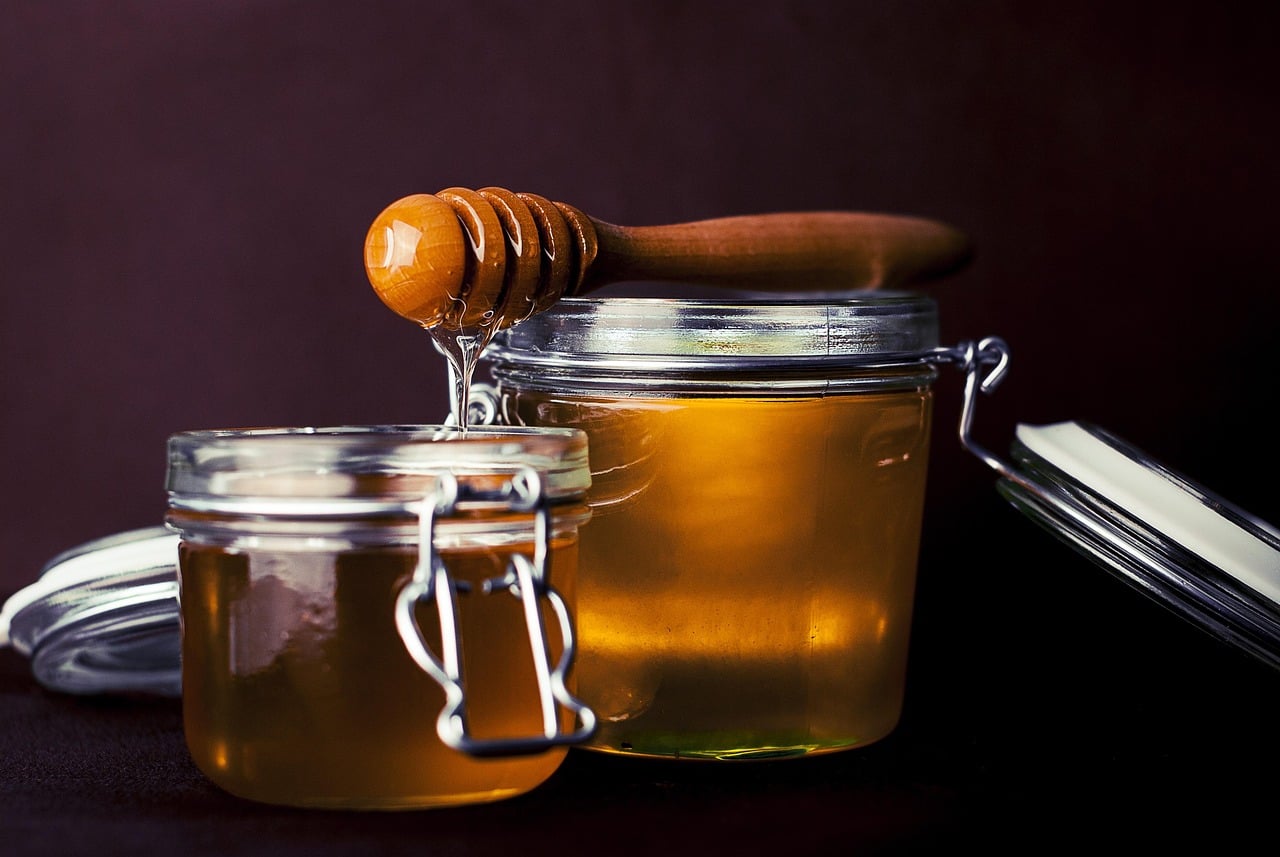
Honey has one of the most impressive shelf lives in the kitchen. The National Honey Board says honey stays safe to eat indefinitely when stored properly in a sealed container.
Its staying power comes from chemistry. Honey is low in moisture and naturally acidic, conditions that make it hard for bacteria and many other microbes to grow.
Crystals can still form over time, but that does not mean the honey has spoiled. The National Honey Board says crystallized honey can be returned to a smoother texture by placing the container in warm water. Honey should not be given to infants under 1 year old because of the risk of botulism.




Leave a Reply