
Some orders sound routine from the dining room, but in the kitchen they can turn into a test of timing, temperature and teamwork. These eight are often described by chefs as especially hard to nail because one small mistake can change the whole plate.
Eggs any style
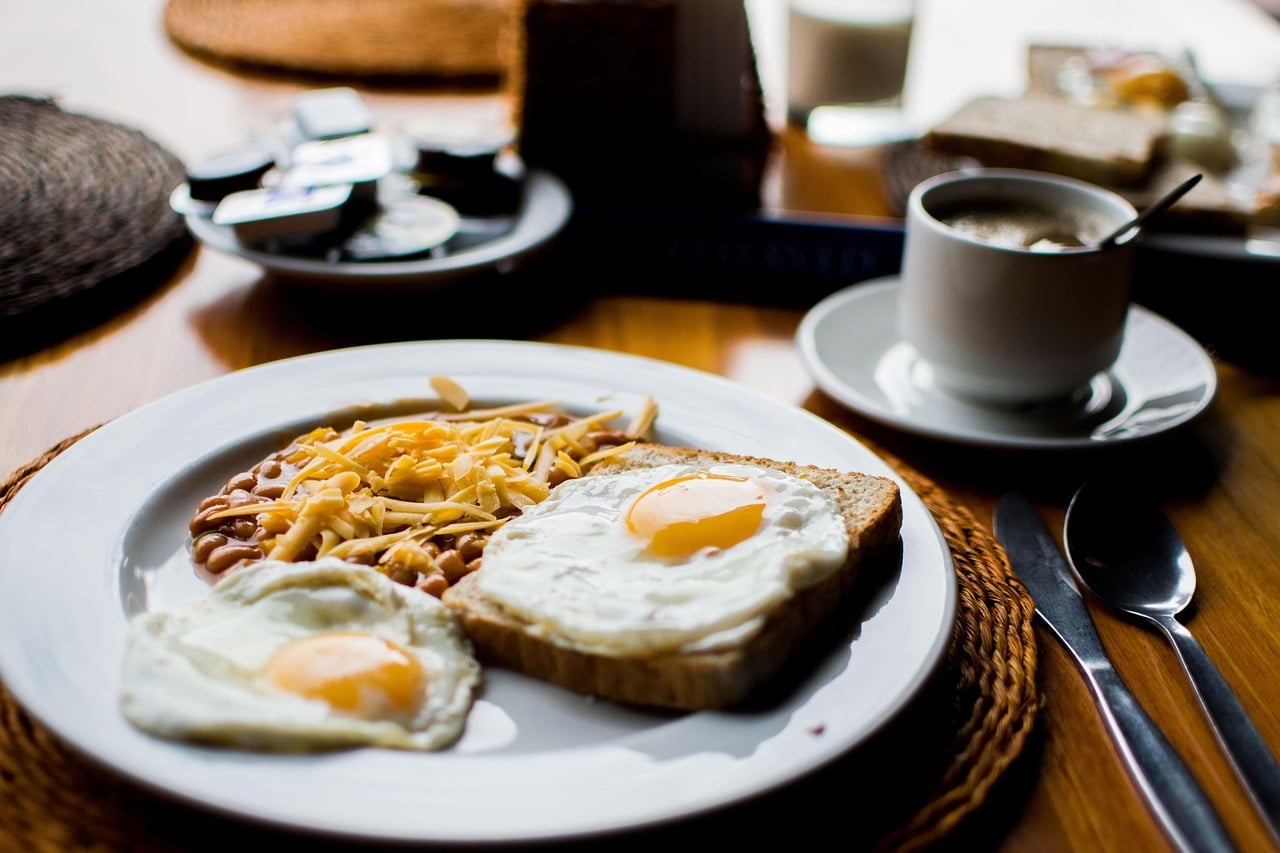
Eggs are one of the clearest examples of a dish that looks easy and punishes tiny mistakes. A scrambled egg can go from soft to dry in moments, and a poached egg needs the white set while the yolk stays fluid.
That narrow margin is why brunch can overwhelm even experienced cooks. Restaurants often receive many different egg requests at once, from over easy to poached to soft scrambled, and each one demands its own timing. A plate can also cool fast while toast, potatoes and bacon are being finished.
Chefs often say egg cookery reveals technique because there is nowhere to hide. If the pan is too hot, the texture changes immediately. If the food sits too long in the pass, the customer notices before the first bite is finished.
Risotto
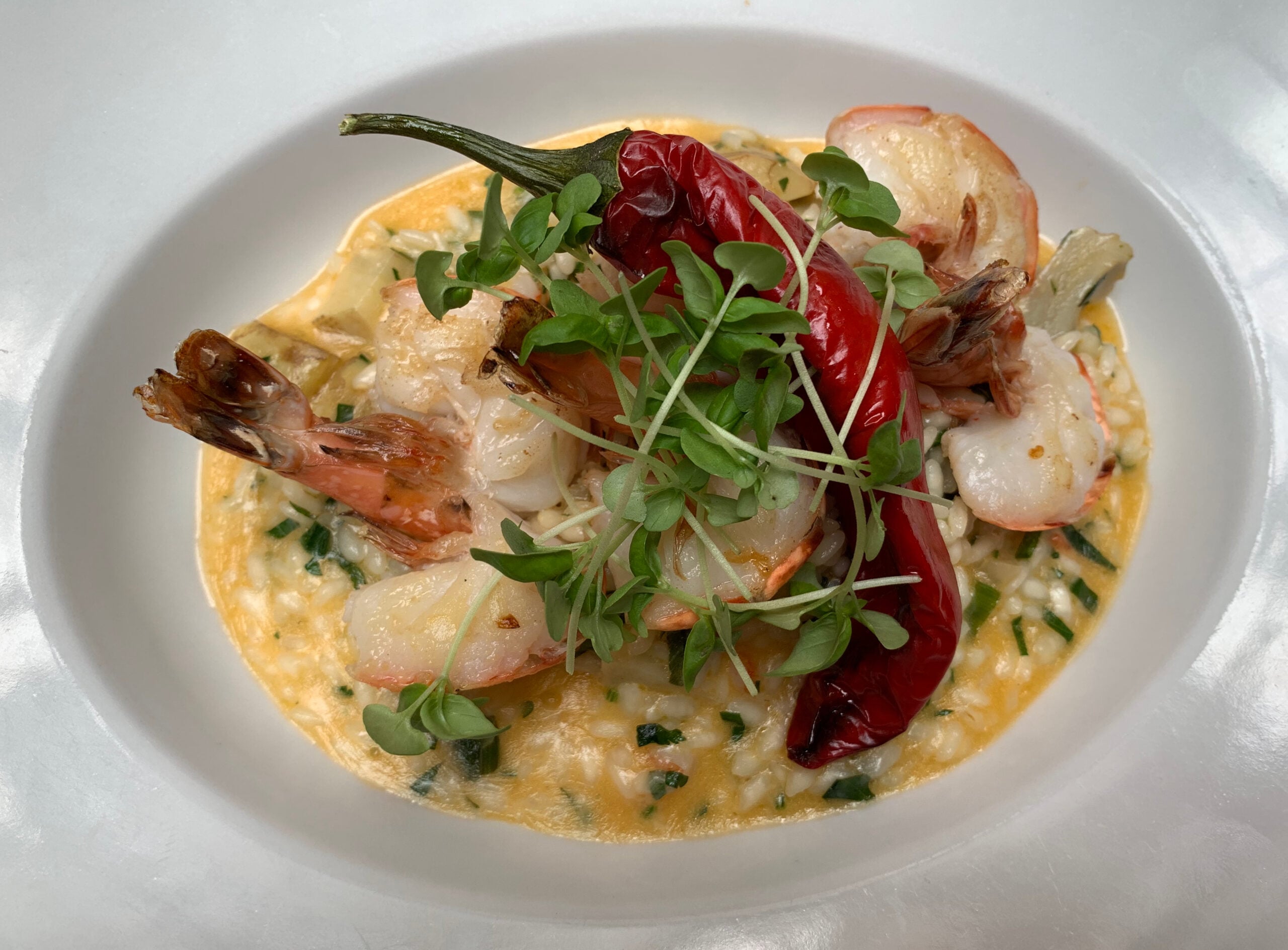
Risotto asks for constant attention in a way many other rice dishes do not. The classic method depends on gradually adding hot stock and stirring enough to release starch, which creates the creamy texture people expect.
In a busy service, that can be difficult to manage. A cook cannot walk away for long, and the rice can quickly become heavy, undercooked or too loose depending on heat and liquid. Timing also matters because risotto does not wait well once it reaches the right consistency.
That is part of why chefs often groan when a rush of risotto orders comes in at once. Each pan needs care, and every extra minute changes the result. Guests see a comforting bowl of rice, but the kitchen sees a dish with a very small window for perfection.
Well-done steak
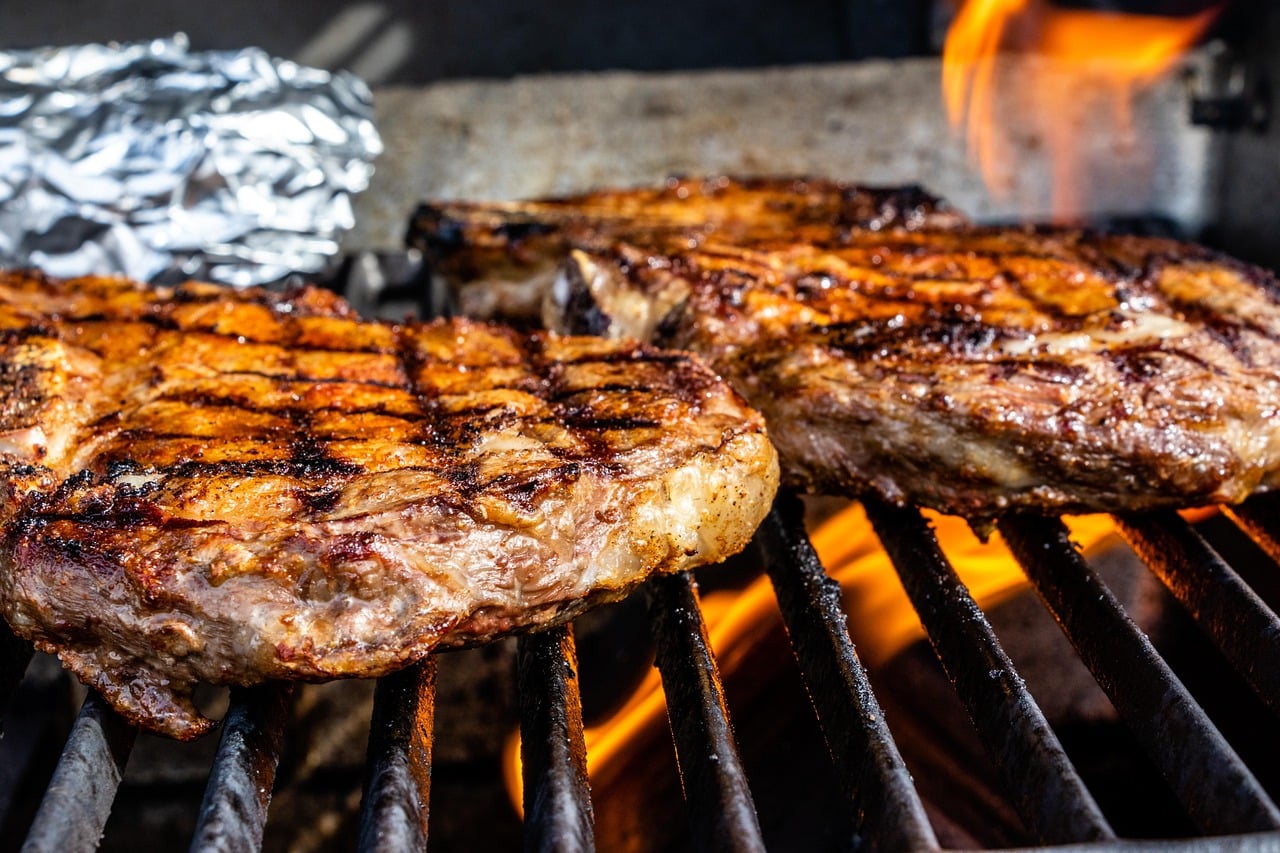
A well-done steak is challenging for a different reason: it asks the kitchen to cook the interior fully without turning the meat dry and tough. That balance gets harder with leaner cuts, which lose moisture faster under prolonged heat.
Thickness, marbling and starting temperature all affect the result. Two steaks of the same cut may not cook identically, and once a steak passes a certain point, it cannot be pulled back. A busy grill station also juggles multiple temperatures at once, which raises the chance of overcooking.
Chefs often say the issue is not snobbery but physics. Guests still expect a juicy steak, strong sear and proper seasoning, even when the meat stays on the heat much longer. Delivering all three together takes close attention and good communication between grill and servers.
Soufflé
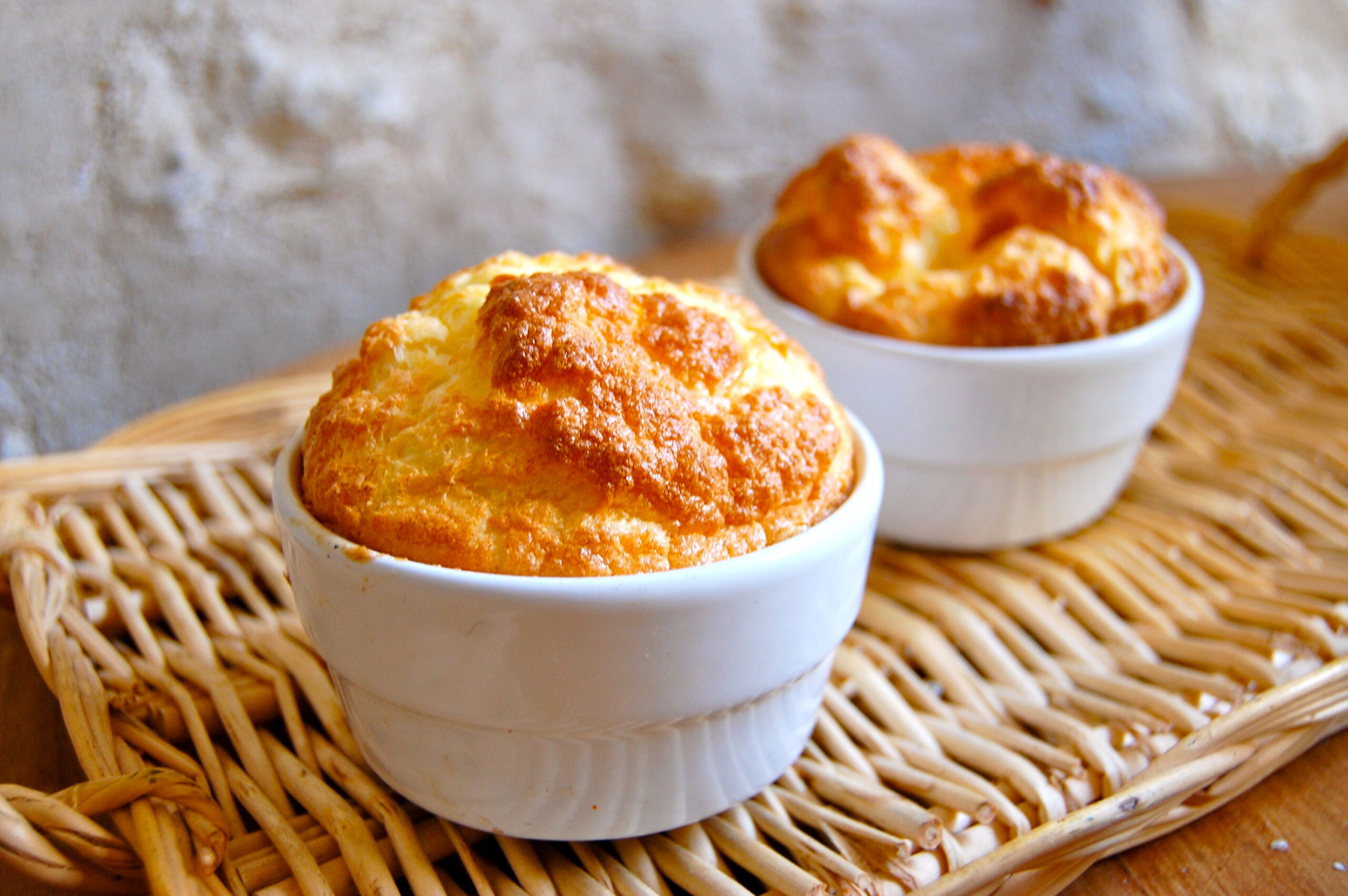
A soufflé is one of the classic restaurant orders with almost no safety net. Its lift depends on properly whipped egg whites, careful folding and precise baking, and the final dish can begin to fall soon after it leaves the oven.
That makes timing especially stressful. The kitchen has to coordinate the bake so it reaches the table quickly, often while managing the rest of the dining room. Even opening the oven at the wrong moment can interfere with how the soufflé rises.
Chefs respect soufflé because it combines pastry technique with service pressure. The ingredients are simple, but execution is not. When it works, the dish feels light and dramatic. When it misses by a little, the texture, height and visual appeal all tell on the cook immediately.
Fish with a crisp skin
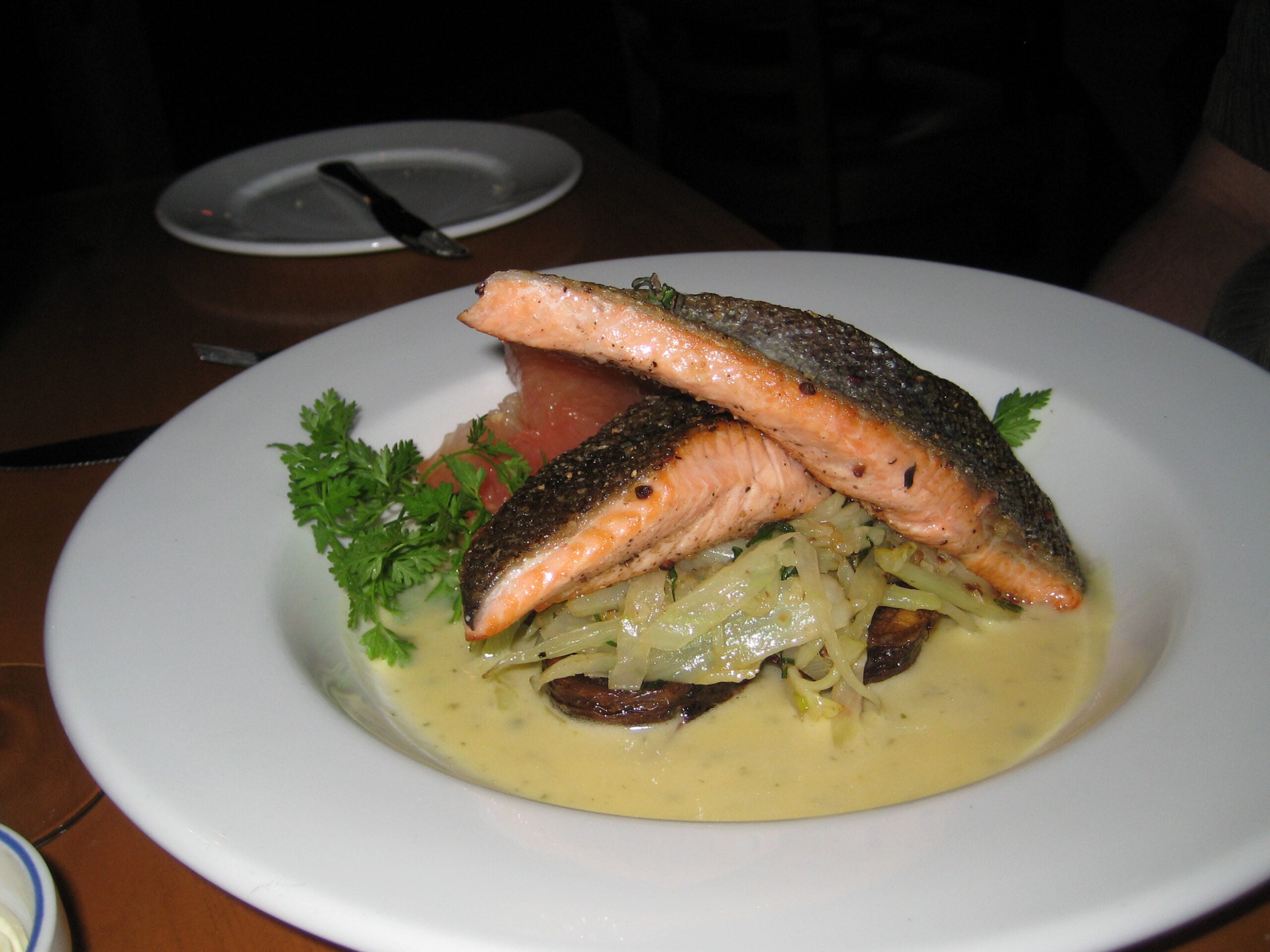
Crisp skinned fish seems straightforward, but it is one of the easiest proteins to mishandle. The skin needs to dry well before cooking, the pan must be hot enough, and the fillet has to release at the right moment instead of tearing.
Fish also cooks quickly and keeps cooking after it comes off the heat. A minute too long can dry it out, while too little can leave the center underdone. Different species behave differently too, which means the same technique does not always produce the same result.
Chefs often point out that diners expect two textures at once: crackling skin and moist flesh. That contrast is the whole point of the dish. Getting it right during a rush takes restraint, proper pan control and confidence about exactly when to stop cooking.
Multi-step allergy modifications
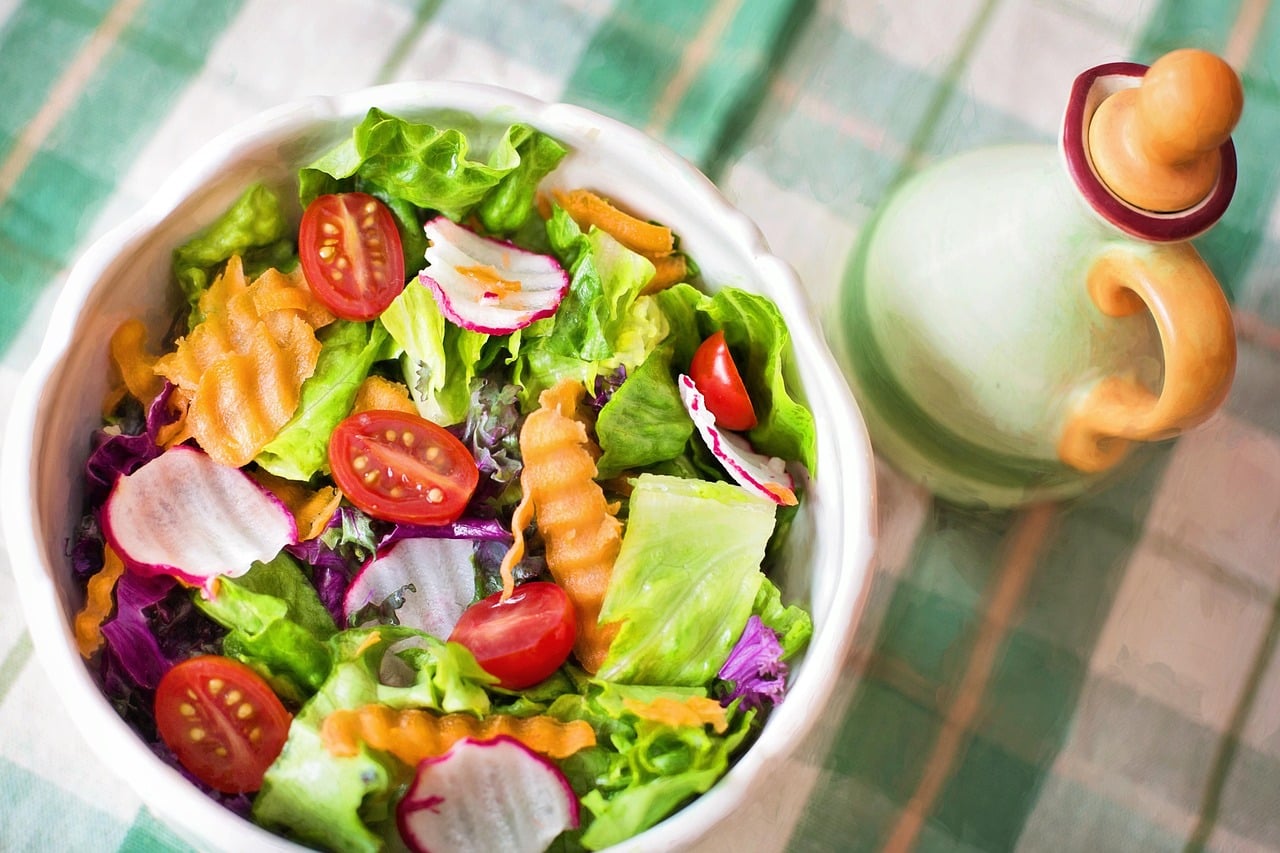
An allergy-safe order can be one of the most demanding tickets in any restaurant because it changes more than a single ingredient. The kitchen may need clean pans, fresh utensils, separate prep space and careful plate assembly to reduce cross-contact.
That process takes time and intense focus, especially in compact kitchens where many foods share surfaces, fryers or grills. It also requires clear communication from the server to the line and sometimes a conversation about what the restaurant can safely provide.
Chefs take these orders seriously because the stakes are high. This is not about preference or convenience. A guest may become seriously ill if a detail is missed, which is why many cooks see allergy modifications as among the hardest requests to execute correctly under pressure.
Steak tartare and other raw preparations
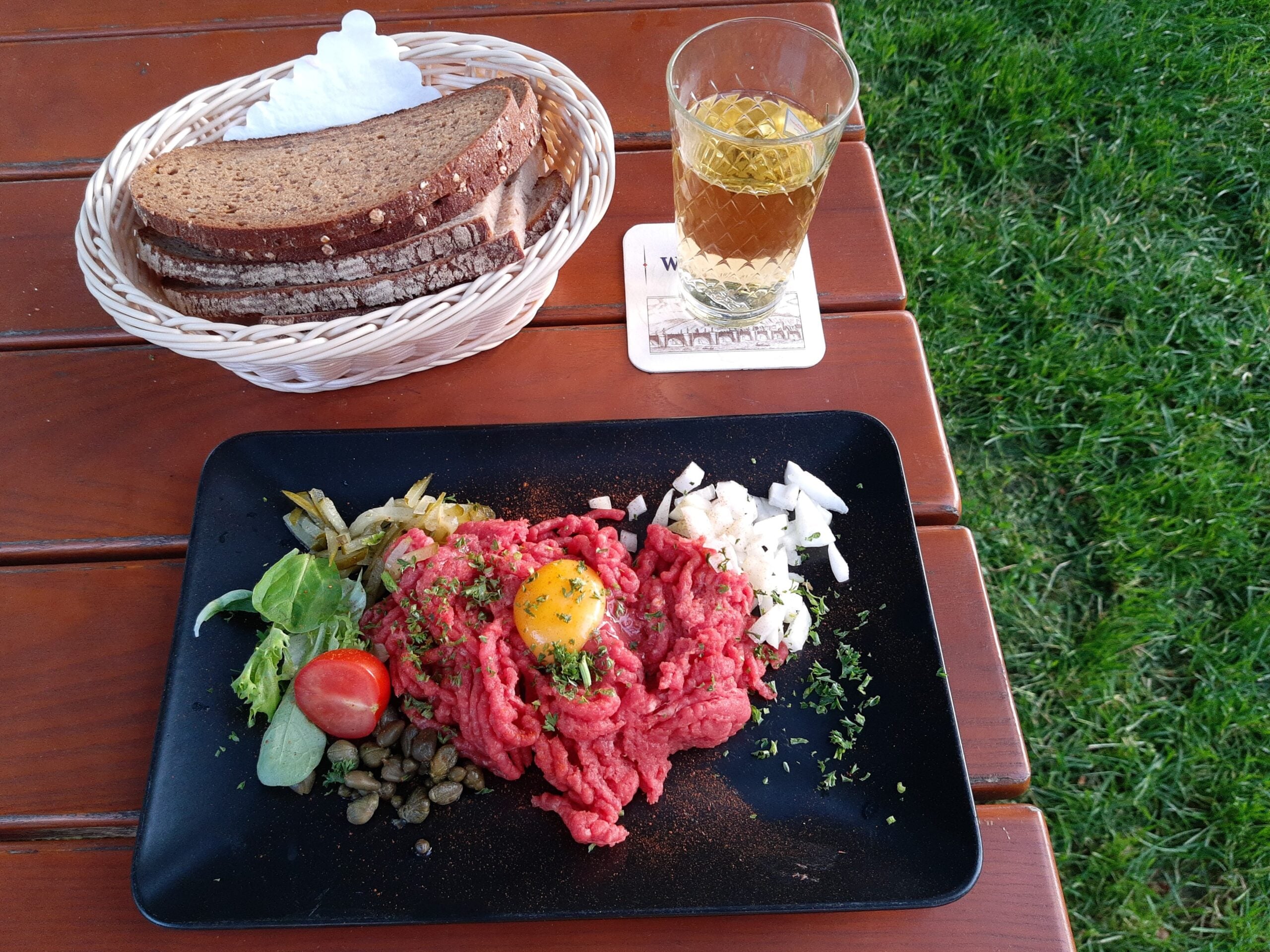
Raw dishes leave almost no room for error because freshness, knife work, seasoning and temperature all matter at once. Steak tartare, for example, depends on chilled meat, careful trimming and balanced flavor, since there is no cooking step to smooth over mistakes.
Food safety adds another layer. Restaurants need strict handling practices, and the product has to be served promptly. Even a small lapse in holding temperature or sanitation can turn a delicate dish into a risky one.
Chefs also know that guests notice every detail in raw preparations. Texture must feel deliberate, not mushy or ragged. Seasoning has to sharpen the meat without overwhelming it. That level of precision is why these plates often feel simple on paper and demanding in practice.
Split checks with heavily customized large-table orders
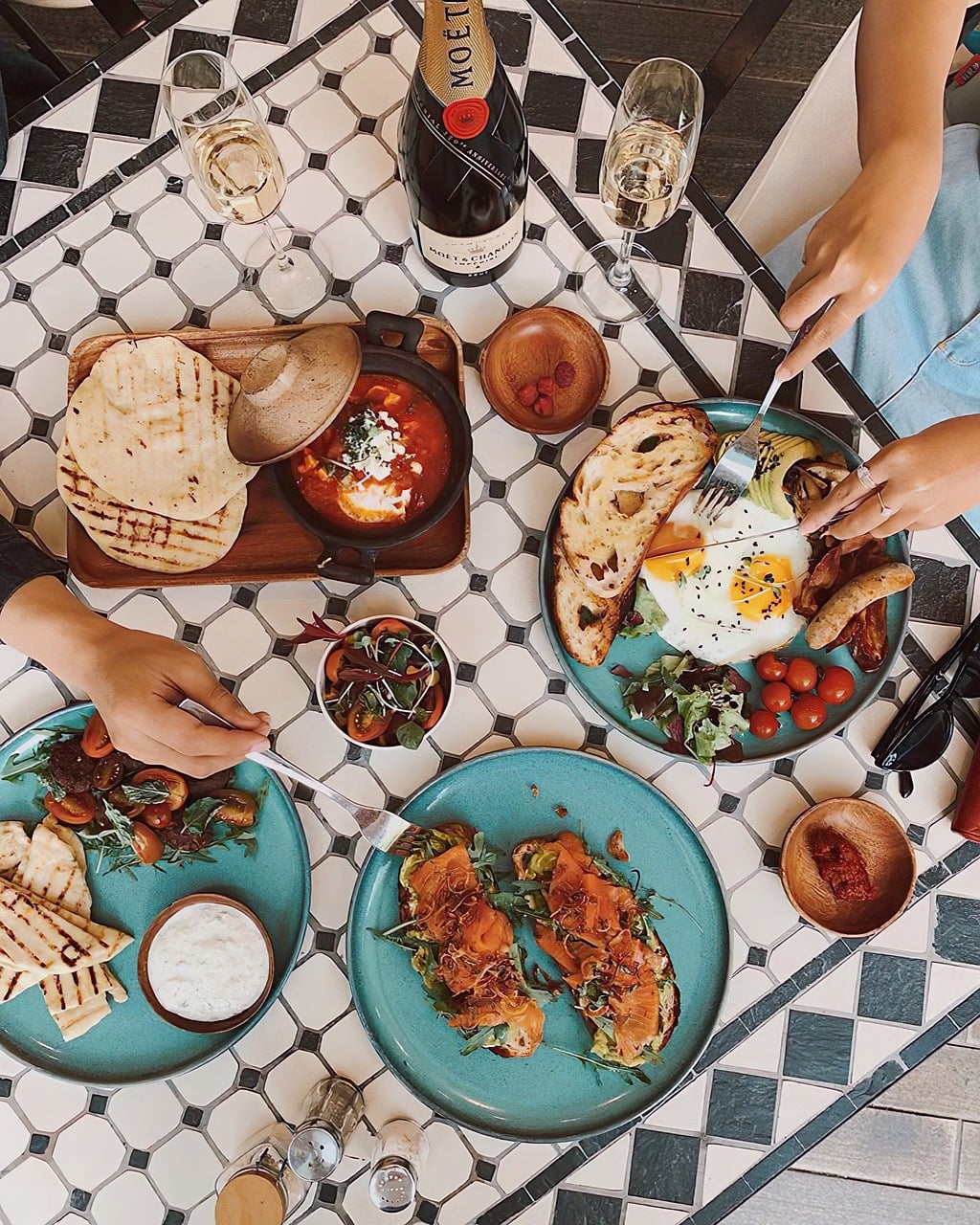
Sometimes the hardest order is not a single dish but a whole table. Large parties with many substitutions, staggered arrivals and separate checks create a coordination problem that touches the server, expeditor, cooks and payment system at once.
The kitchen may be asked to track no onions on one burger, dressing on the side for another, gluten-free pasta for one guest and an allergy note for someone else, all while trying to send food together. One mislabeled plate can delay the entire course.
Chefs often say this kind of complexity is difficult because it multiplies opportunities for small mistakes. A restaurant can cook excellent food and still struggle if communication breaks down. In the end, the toughest orders are often the ones that demand perfect execution from the whole team, not just one cook.

Leave a Reply