
It is still one of the most recognizable symbols in Canada. But the company behind the coffee cup is no longer Canadian in the way many people assume.
What changed when Tim Hortons stopped being Canadian-owned
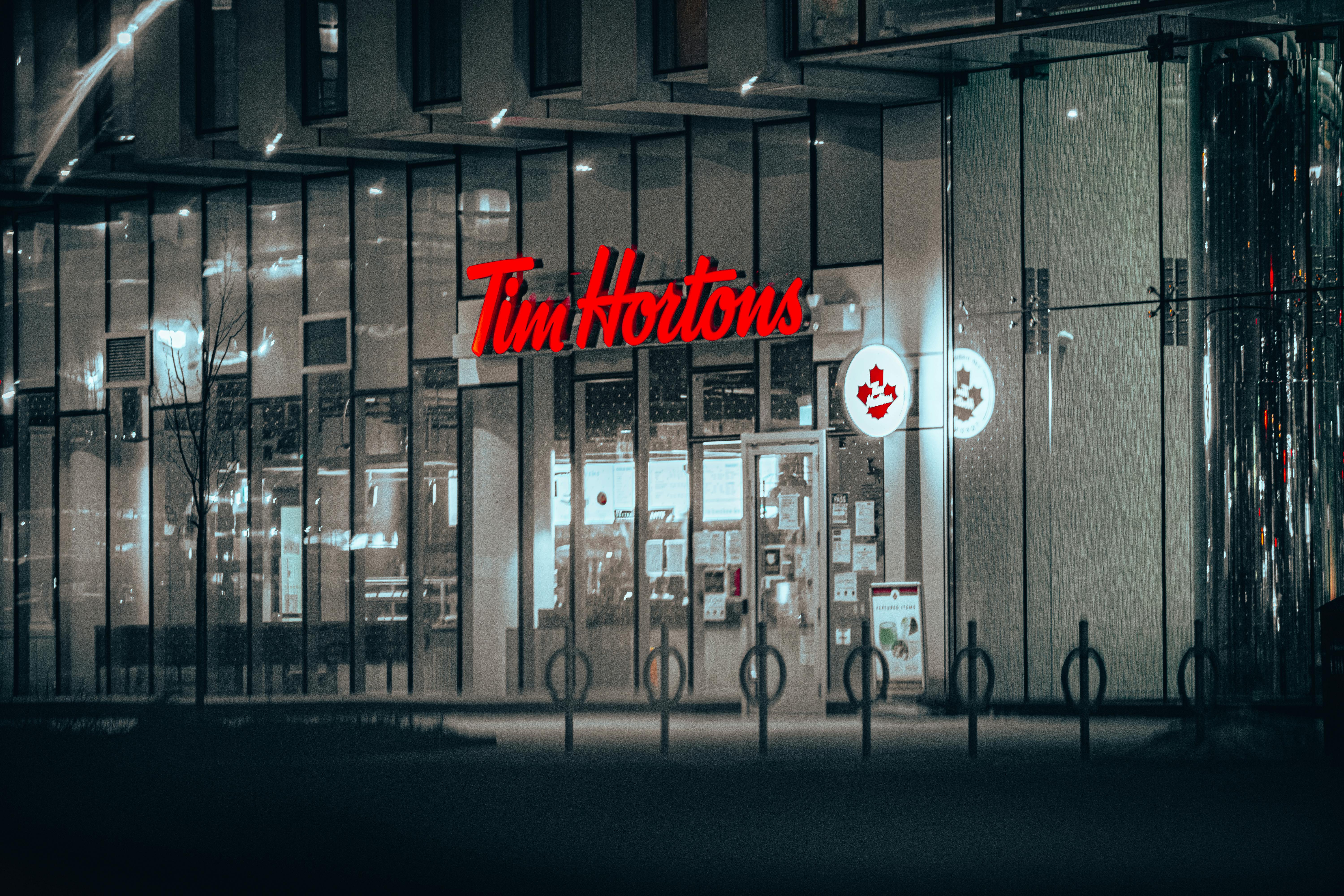
The turning point came in 2014, when Tim Hortons merged with Burger King in a deal backed by Brazilian investment firm 3G Capital. The new parent company became Restaurant Brands International, often called RBI. Its corporate headquarters were established in Canada, but ownership became distributed among international shareholders rather than rooted in a single Canadian owner.
That distinction matters because many consumers use "Canadian-owned" to mean controlled by Canadian investors and executives. In practice, Tim Hortons became part of a global fast-food structure with financial priorities shaped by an international market. According to major business reporting at the time, the move was designed to create scale, improve efficiency, and expand globally.
Even so, the brand did not suddenly become foreign in every practical sense. It still kept a major corporate presence in Canada, still operated thousands of Canadian locations, and still relied heavily on Canadian customers. The ownership changed faster than the everyday experience people had with the chain.
Why the brand still feels deeply Canadian

Cultural identity is rarely determined by a shareholder registry. Tim Hortons earned its place in Canadian life over decades by becoming attached to ordinary routines like morning commutes, youth hockey stops, road trips, and small-town gathering points. That emotional association is stronger than most corporate restructurings.
For many Canadians, the chain represents familiarity more than excellence. It is the place that is open early, found almost everywhere, and woven into habits across provinces and age groups. National symbols often work this way. They become meaningful because people repeatedly use them in common settings.
The company has also actively cultivated that identity through marketing. Hockey references, community sponsorships, and campaigns built around everyday Canadian life helped reinforce the idea that Tim Hortons was not just in Canada but of Canada. Ownership may have shifted, but those cultural signals remained visible.
Ownership and identity are not the same thing

A company can be foreign-owned and still act as a domestic cultural institution. Canada offers many examples of brands, retailers, and manufacturers whose ownership structures are international while their public image remains local. In a global economy, strict national ownership is often harder to define than consumers expect.
Tim Hortons illustrates that split clearly. The logo, menu habits, store footprint, and emotional memory are Canadian in the minds of millions. The capital structure, however, is multinational. Both statements are true at once, and the tension between them explains why this issue keeps resurfacing.
There is also a broader economic point here. Public companies answer to profitability, growth, and investor expectations first. When customers say a brand no longer feels Canadian, they are often reacting less to legal ownership and more to decisions about pricing, product quality, labor, and store experience.
What critics say has changed under global ownership

This is where the debate becomes concrete. Critics have argued for years that Tim Hortons has lost some of the warmth and product consistency that once made it beloved. Complaints about menu complexity, baked goods quality, coffee changes, and rushed service have all fed the sense that something important shifted.
Some franchisees have also clashed with corporate leadership over cost pressures and operational decisions. Those disputes drew attention because they suggested a widening gap between head office strategy and the realities of local operators. When that happens, consumers often interpret the friction as a loss of authenticity.
It is difficult to prove that every unpopular change came from foreign ownership alone. Fast-food chains everywhere have faced inflation, labor shortages, tougher competition, and changing consumer expectations. Still, for many people, the ownership story became a shorthand explanation for why the brand felt more corporate and less personal.
What still anchors Tim Hortons in Canada

The strongest argument for Tim Hortons' continued Canadian meaning is simple: Canadians still use it constantly. It remains one of the country's biggest quick-service chains, with an enormous national footprint and a daily role in routines that few competitors match. Representation is partly about participation, and the public still participates.
Its presence in smaller communities is especially important. In many towns, a Tim Hortons is not just a coffee shop but a practical meeting point, a travel stop, or a familiar public space. Brands become national symbols when they are accessible across geography, class, and language.
There is also the brand's origin story. Founded in Hamilton by hockey player Tim Horton in 1964, the chain carries a name and mythology that are unmistakably Canadian. That history still matters, even if the boardroom today is shaped by global finance rather than local ownership.
So does non-Canadian ownership change what it represents

Yes, but not in the simplest way. Tim Hortons no longer represents Canadian ownership in a strict business sense, and that is an important correction to a common misconception. Anyone treating it as a purely homegrown corporate champion is describing an earlier era, not the present structure.
But representation is larger than incorporation papers. Tim Hortons still reflects Canadian habits, nostalgia, geography, and social routine in ways few brands can match. What it represents now is a modern Canadian paradox: a national symbol preserved in public memory, even while the company behind it operates inside a global corporate system.
That may be disappointing to some consumers and beside the point to others. In the end, Tim Hortons is best understood as culturally Canadian, commercially multinational, and constantly judged by whether its daily experience still feels like the country it helped symbolize.




Leave a Reply