
It is not often that a regional fast-casual brand grows this quickly without making constant national headlines. Yet a once-local Ontario shawarma concept into one of the country's most notable restaurant expansion stories.
A homegrown brand with unusually broad appeal

What makes Osmow's stand out is not simply that it sells shawarma. It is that the chain has translated a familiar Middle Eastern street food format into a mass-market Canadian fast-casual business that feels accessible in suburban plazas, urban neighbourhoods, and college districts alike.
Founded in Mississauga in 2001, the brand spent years building density in Ontario before accelerating its franchise network. That patient early growth mattered. It allowed the company to refine operations, standardize recipes, and build recognition in one of Canada's most competitive food markets before pushing further west and east.
Its menu also helps widen its customer base. Chicken shawarma remains the centrepiece, but the brand's wraps, bowls, on-the-rocks platters, salads, and heavily customized sauce options give it reach across age groups and dining occasions, from quick lunches to late-night takeout.
Why the expansion model is working now
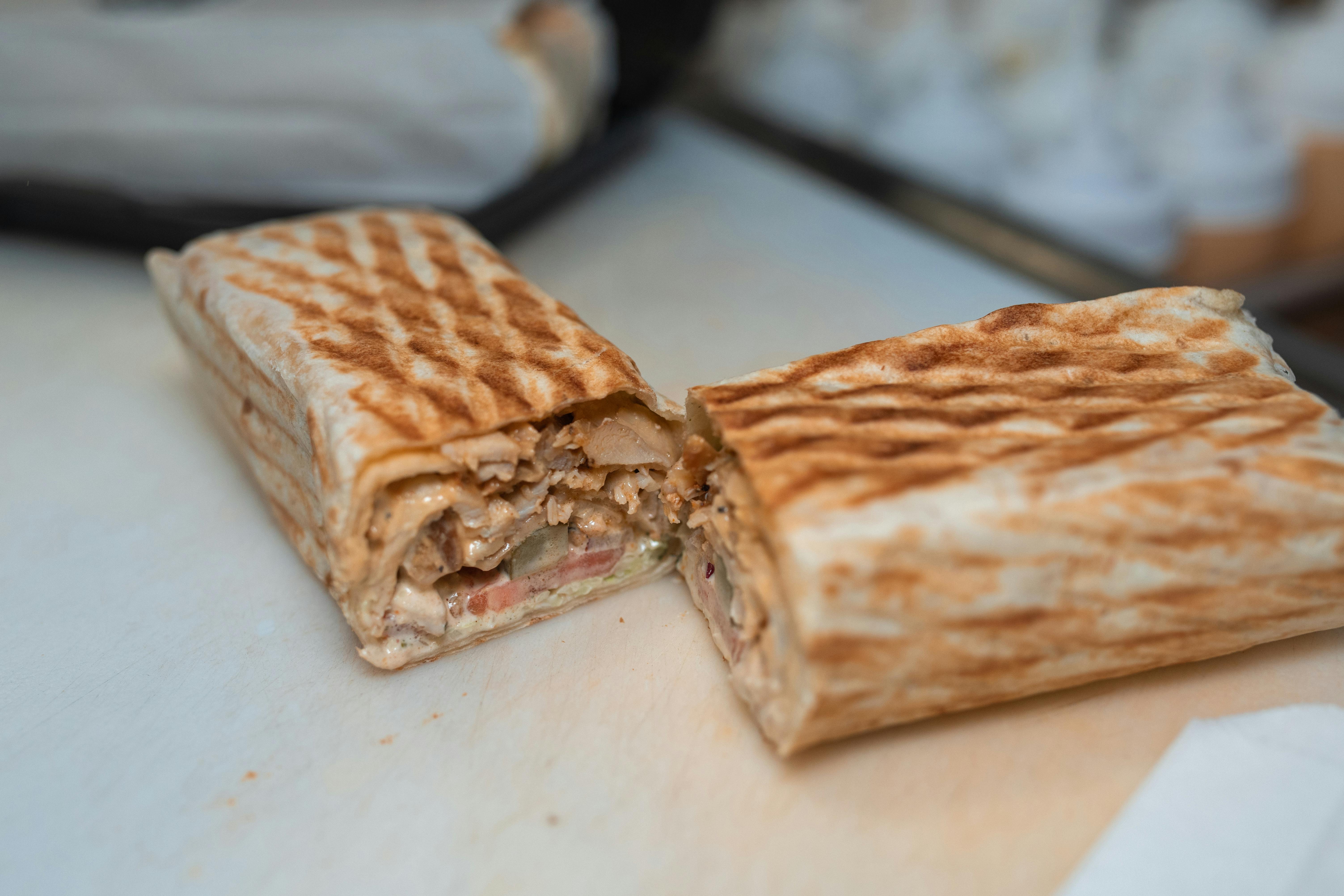
The timing of the brand's rise is closely tied to how Canadians now eat. Consumers want speed, portability, familiar flavours, and prices that still feel reasonable compared with full-service dining. Shawarma, once more niche outside major cities, now sits firmly in the mainstream.
Osmow's has benefited from that shift by occupying the middle ground between independent takeout shops and giant burger or chicken chains. It offers a cuisine people increasingly know well, but packages it with the consistency, branding, and convenience expected from a large multi-unit operator.
Franchising has clearly played a central role. By using local operators while keeping the menu and store format recognizable, the company has been able to scale faster than many independent Mediterranean concepts. That is especially important in Canada, where regional tastes vary, but familiarity still drives trial.
The menu strategy behind repeat business
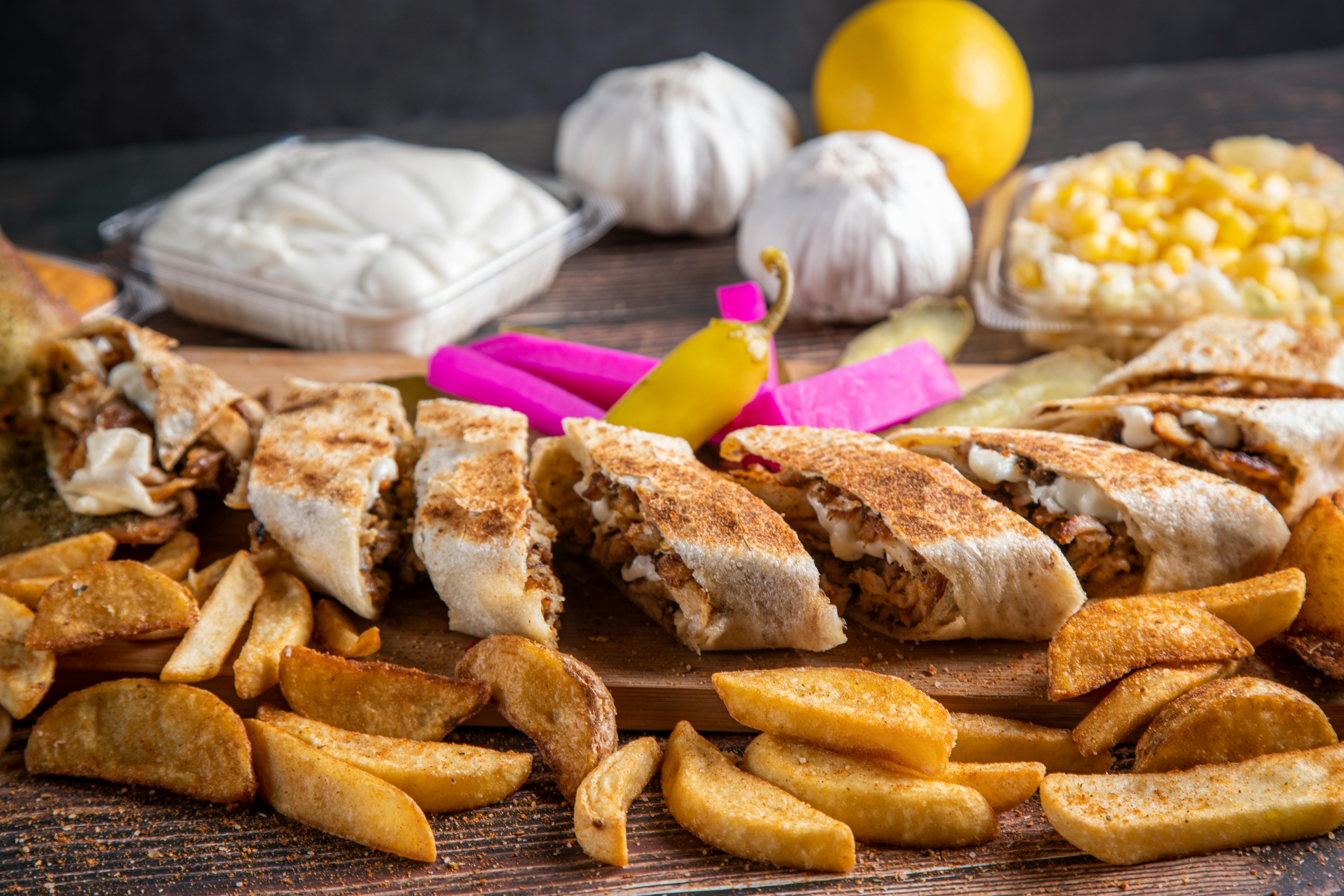
A big part of the chain's growth comes down to a simple business truth: first visits matter, but repeat visits matter more. Osmow's has built a menu that encourages routine use rather than one-time curiosity, and that is a meaningful advantage in the crowded quick-service sector.
Its food is easy to personalize without becoming operationally chaotic. Customers can choose proteins, carbs, toppings, and sauce intensity in a way that creates variety while preserving a standardized assembly line. That balance is critical for keeping service times predictable during rush periods.
The brand has also leaned into indulgence as much as authenticity. Signature hot sauces, loaded platters, and recognizable house-style combinations create a distinct identity. For many younger diners, especially in Ontario, the food is not just shawarma. It is specifically Osmow's, and brand-specific craving is powerful.
Competition is fierce, but scale changes the game
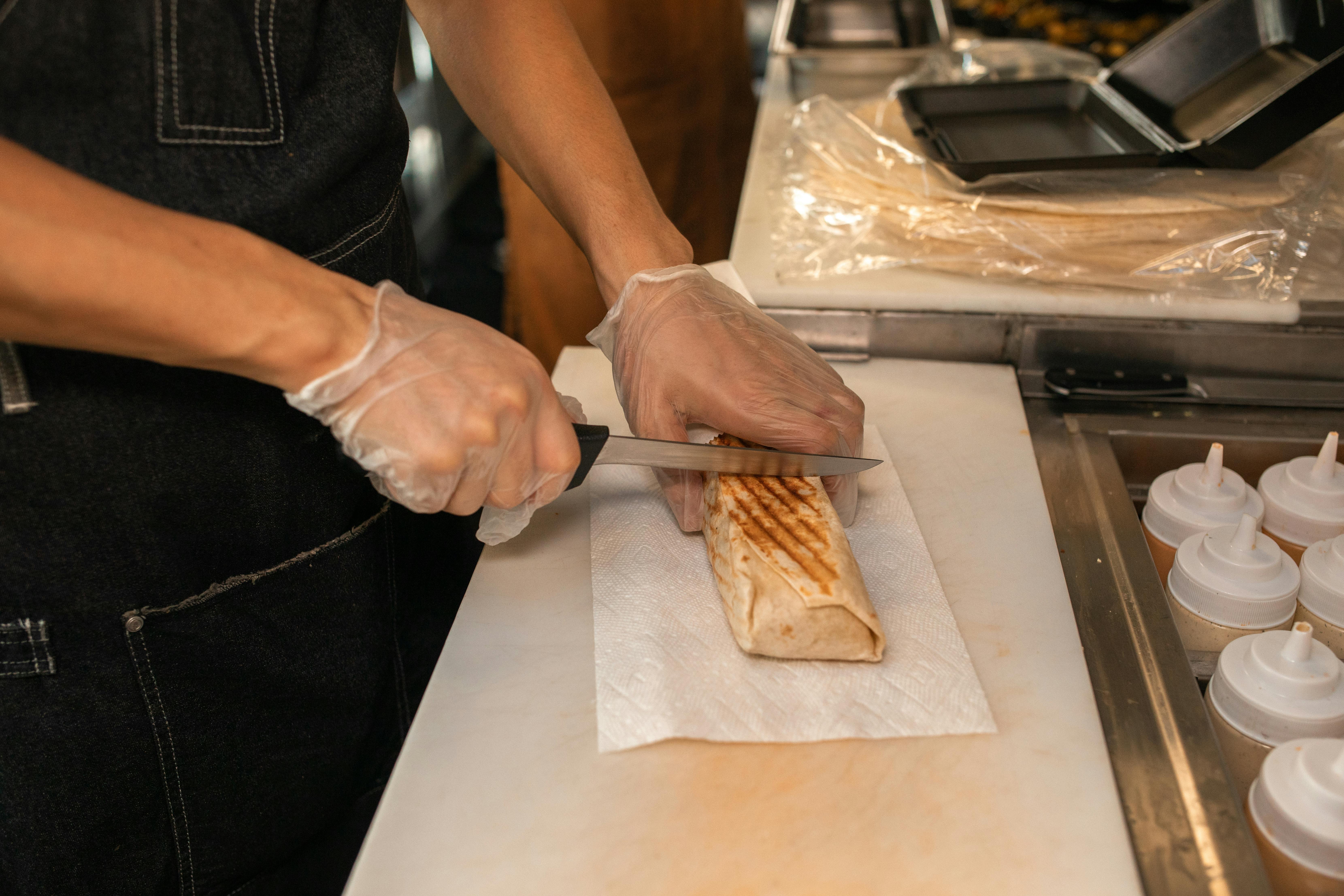
Canada is full of independent shawarma shops, and in many communities they remain formidable competitors. They often have strong local followings, lower overhead flexibility, and reputations built over decades. That makes this category far more fragmented than pizza, burgers, or coffee.
Still, scale brings advantages that independents cannot always match. A larger chain can invest more heavily in real estate selection, national marketing, supply systems, app-based ordering, and store design. Those capabilities become even more important as delivery and digital pickup shape where and how people order meals.
That does not mean growth is guaranteed. Rapid franchising can strain quality control, staffing, and consistency. But if the company manages those risks well, its national footprint could give it a durable edge in a category that is only becoming more visible and more competitive.
What the brand's growth says about Canada

In many ways, Osmow's rise reflects a broader Canadian food story. The country's restaurant scene has become more multicultural in plain sight, not just in major downtown cores but across suburban strips and secondary markets. Foods once treated as regional specialties are now everyday staples.
That matters because mass adoption changes the economics of expansion. A shawarma chain no longer needs to spend years explaining its product to new consumers. In much of Canada, the category already has built-in awareness, making it easier for a well-organized operator to enter new neighbourhoods with confidence.
It also signals that consumer definitions of comfort food are changing. For a growing share of diners, especially younger Canadians, a chicken shawarma wrap or rice platter is as familiar a default meal as a burger combo or slice of pizza. That shift creates long-term runway.
The next test is sustaining momentum nationally

The most important question now is whether the brand can convert rapid growth into lasting national strength. Expansion alone is not the same as endurance. Many chains open aggressively, only to discover that long-term success depends on store-level economics, training discipline, and customer trust.
For Osmow's, the opportunity is substantial. A recognizable format, mainstream flavour profile, and flexible fast-casual positioning give it real potential in markets across Canada. If it continues to balance speed with consistency, it could move from being a strong Ontario success story to a true national staple.
That is why this quiet rise deserves attention. In a restaurant industry where growth is expensive and consumer loyalty is hard won, Osmow's has found a lane that fits the moment. It is not just expanding quickly. It is expanding in a category and a country that increasingly make sense for it.




Leave a Reply