
Fast food in Canada is getting more expensive, and that has made customers far less forgiving. When a chain raises prices but fails to deliver speed, consistency, or quality, the decline becomes impossible to miss.
Subway
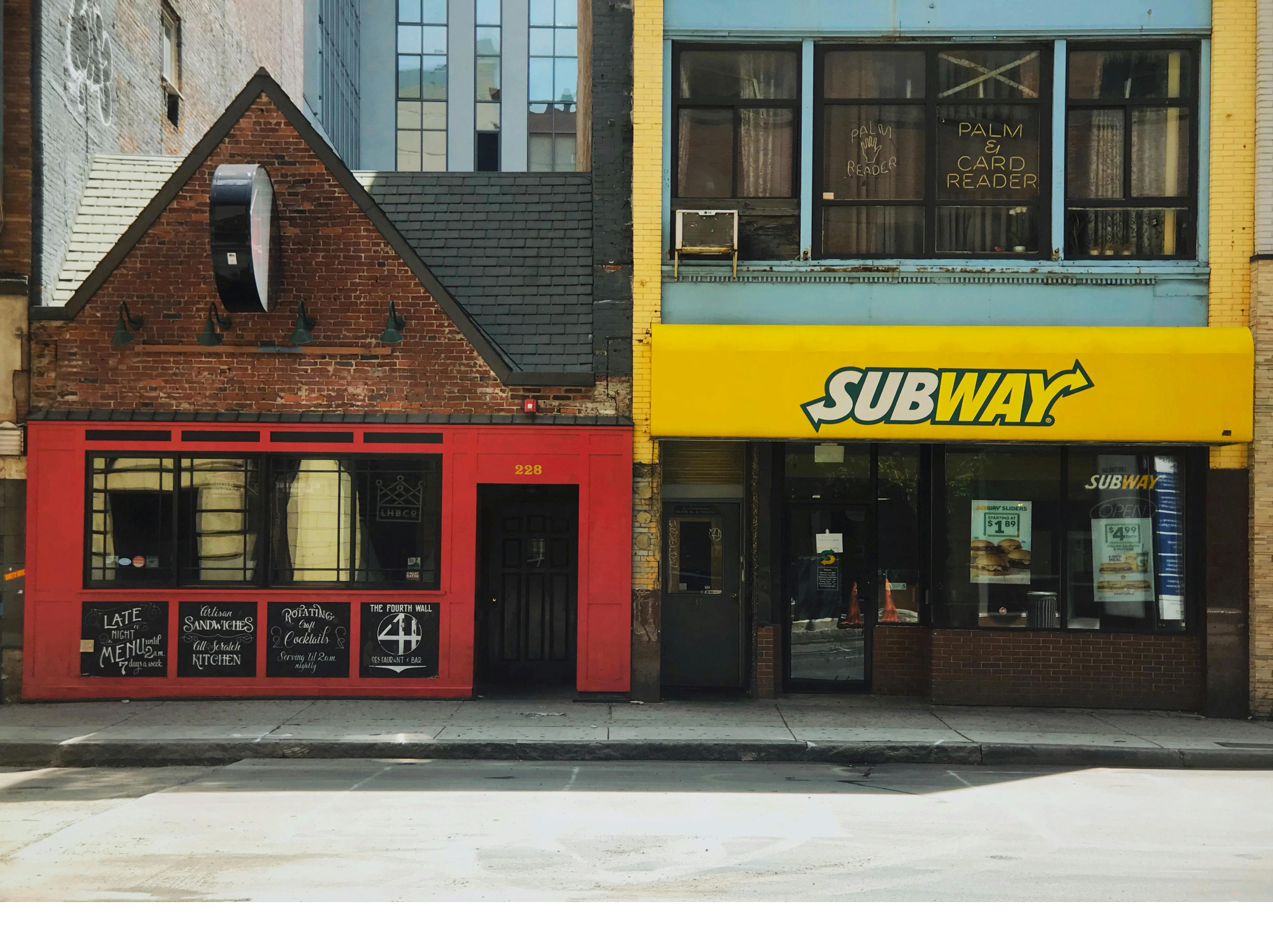
Subway once felt like the safer fast-food choice in Canada. It built its reputation on customization, lighter fare, and broad convenience, with locations in downtown cores, food courts, gas stations, and suburban plazas.
That advantage has weakened badly. Canadian diners increasingly complain that Subway now charges close to premium sandwich-shop prices while still delivering an experience that feels assembled rather than crafted. When the value gap closes, customers start asking why they are not simply going elsewhere.
The chain has also struggled with perception. Its heavy discount era trained people to expect cheap meals, so menu inflation hits harder here than at rivals with stronger brand prestige. In many markets, local delis and newer quick-service sandwich brands now look fresher, fuller, and more worth the money.
Tim Hortons
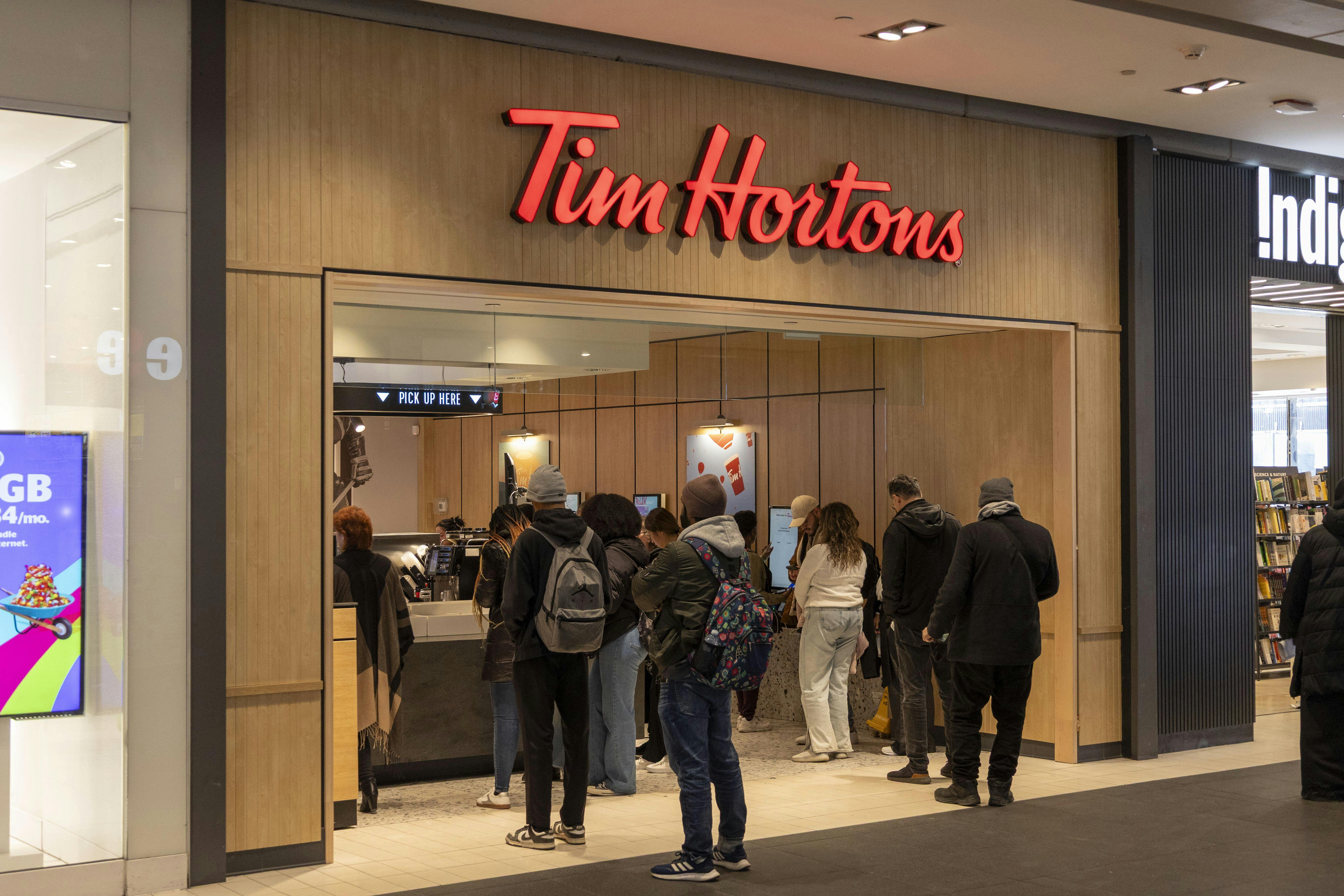
Few brands are more woven into Canadian daily life than Tim Hortons. That is exactly why its decline in customer enthusiasm stands out so sharply, because people are not comparing it to an outsider but to the chain they remember fondly.
The biggest complaint is consistency. Coffee quality, food freshness, order accuracy, and service speed can vary widely by location, which weakens trust in a chain built on habit. Consumers will forgive a mediocre visit once, but not when the next visit feels just as uncertain.
Tim Hortons still dominates in footprint, yet size has not protected it from criticism. Many customers argue the menu has become too broad, stretching operations while core items like coffee, donuts, and breakfast sandwiches no longer feel as dependable as they once did.
McDonald's
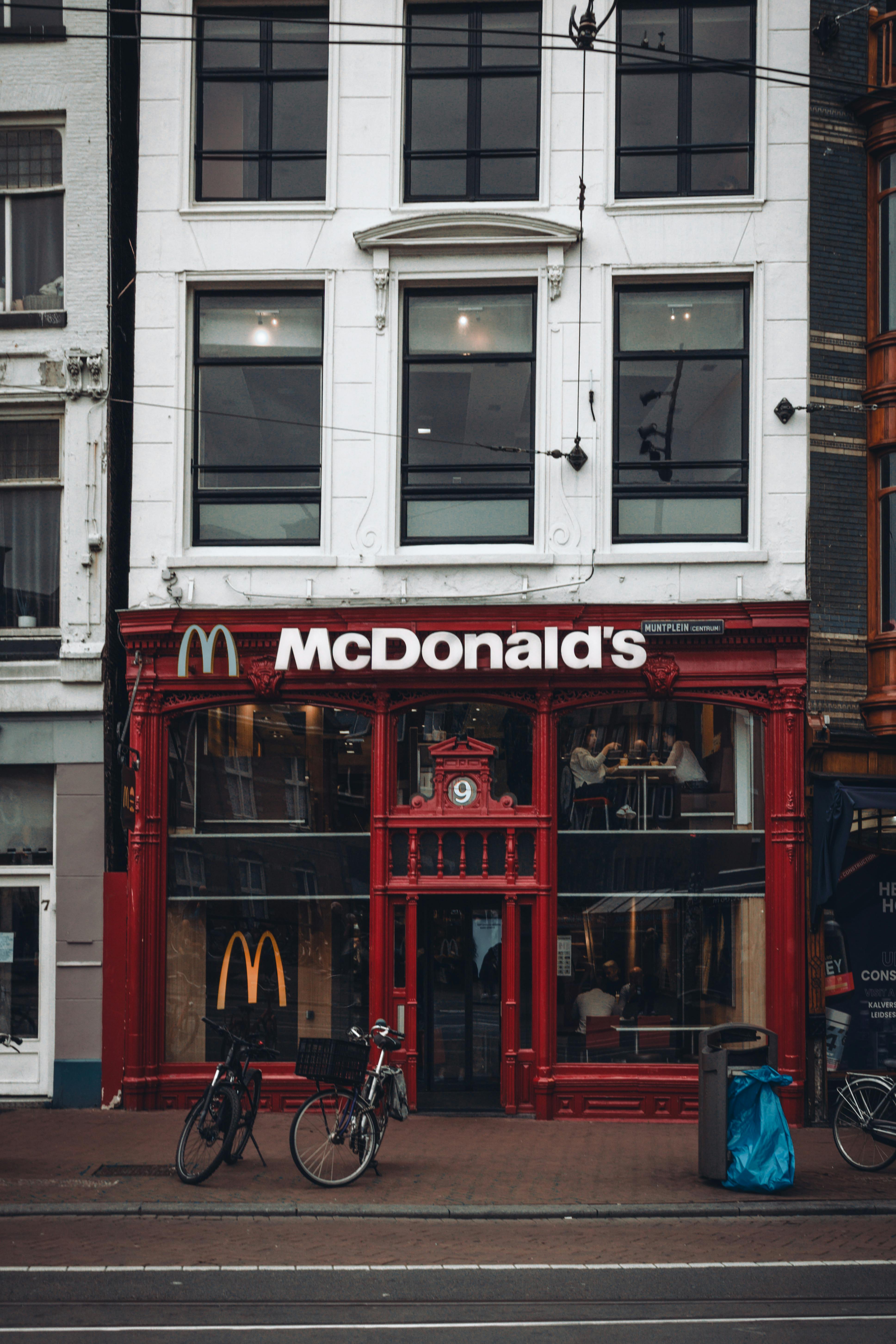
McDonald's remains enormous in Canada, but even market leaders can lose some of their shine. The issue is not collapse, but a noticeable weakening of its traditional strengths in affordability and everyday value.
For years, McDonald's won by being predictable, quick, and relatively cheap. Now, as combo prices rise, many customers say the math no longer works in the chain's favor, especially for families or routine lunch buyers. Sticker shock has become one of the biggest threats to its formerly bulletproof appeal.
The brand still performs better than many rivals operationally, yet it faces a harder question. If McDonald's is no longer the low-friction, low-cost default, then it has to compete more directly on food quality, and that is where premium burger chains and even convenience retailers have narrowed the gap.
KFC

KFC's problem in Canada is simple to spot. Fried chicken is having a major moment, but KFC no longer feels like the automatic first choice in the category it once helped define.
Newer chicken competitors have been more aggressive on crunch, spice, sandwich quality, and social media relevance. Popeyes, Mary Brown's, and a growing field of regional halal and independent shops have changed customer expectations. In that environment, KFC can come across as dated rather than classic.
There is also the issue of inconsistency. Some locations still deliver the familiar comfort people want, but too many others leave customers complaining about soggy coating, small portions, and sides that feel like an afterthought. Category leadership disappears quickly when competitors feel sharper and more current.
A&W

A&W has long benefited from a cleaner, more proudly Canadian identity. It marketed quality ingredients effectively and separated itself from the bargain-bin image that hurt some larger chains, especially among customers willing to pay slightly more.
But that positioning has become harder to sustain. If a chain asks for premium-ish prices, every weak point becomes more visible, from smaller perceived value to meal totals that can surprise people at the counter. In a strained economy, "better ingredients" alone do not always close the sale.
A&W has not fallen as dramatically as some others, but it has lost some momentum because expectations rose with its pricing. When customers spend more, they want a meal that feels distinctly better, not just modestly better, and that standard has become tougher to meet consistently.
Pizza Pizza

Pizza Pizza remains highly recognizable in Canada, especially in Ontario. Its challenge is that recognition does not automatically translate into affection, and the chain has struggled for years with a reputation that often feels built on convenience more than genuine craving.
That matters more now because the pizza market is crowded with stronger options. National rivals, independent pizzerias, and app-driven discovery have made it easier for customers to find better crust, sauce, cheese balance, and overall freshness without much extra effort.
Price is another pressure point. Pizza Pizza historically leaned on accessibility, speed, and late-night utility, but when customers feel they are paying too much for a product they see as average, brand loyalty fades fast. In food, convenience can open the door, but taste keeps it open.
Burger King
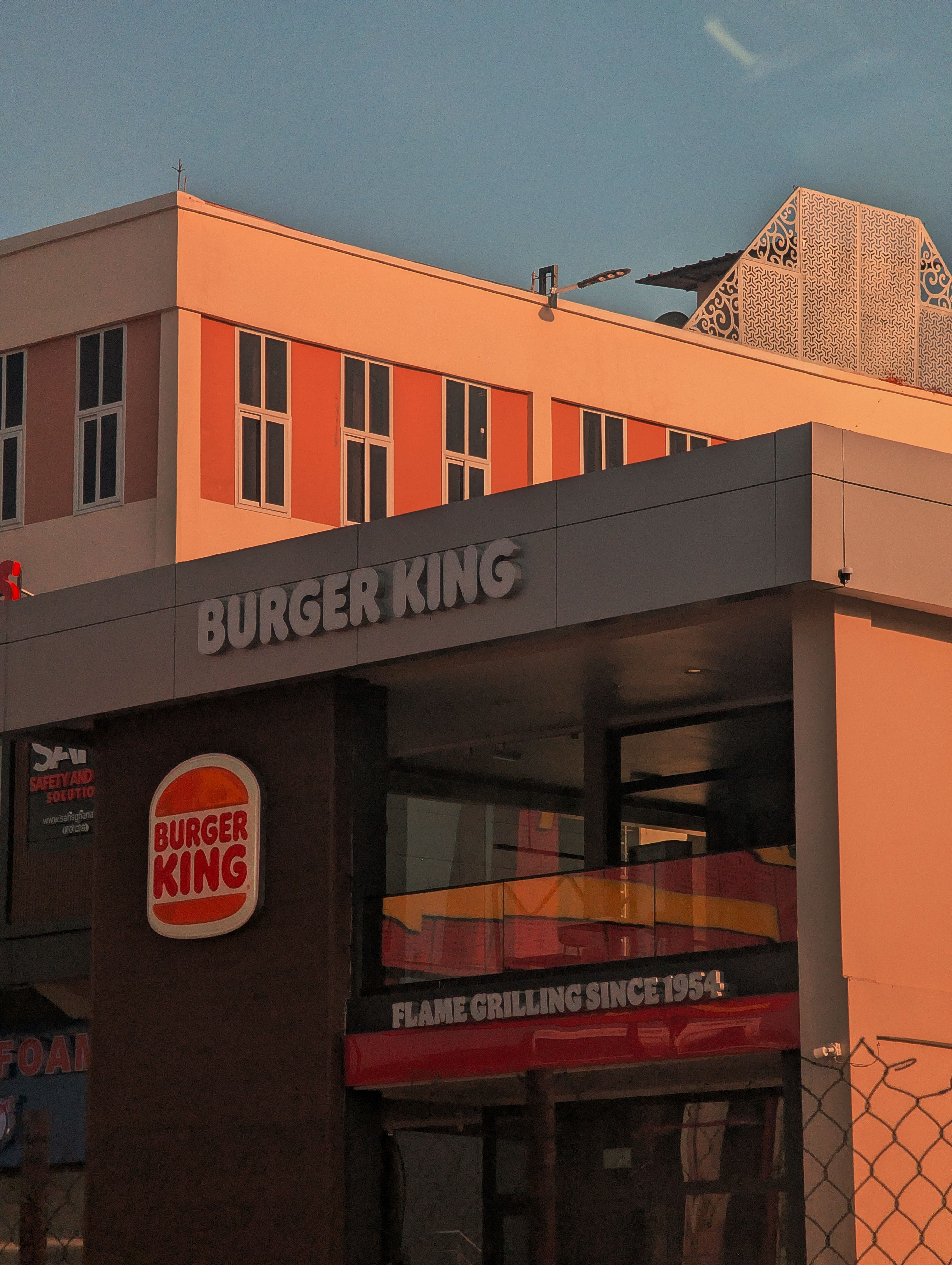
Burger King has never matched McDonald's in Canada, but it has often survived by offering flame-grilled differentiation and periodic value plays. Lately, though, that identity has felt weaker as execution problems undercut the brand's core message.
Customers still like the idea of Burger King more than the reality at many stores. Common complaints include slow service, uneven food assembly, lukewarm items, and restaurants that feel less well-maintained than direct competitors. Those factors matter because they shape whether a chain feels dependable.
The broader issue is relevance. In a market where consumers can choose from stronger burger specialists, upgraded convenience-food programs, and grocery prepared meals, Burger King's middle ground has become a difficult place to defend. Without sharper execution, it risks feeling like a backup plan rather than a destination.




Leave a Reply