
Some grocery staples feel permanent until they suddenly are not. In 2026, a mix of weak sales, changing health preferences, and retail strategy is set to push several well-known products off store shelves.
Diet sodas with older artificial sweetener formulas
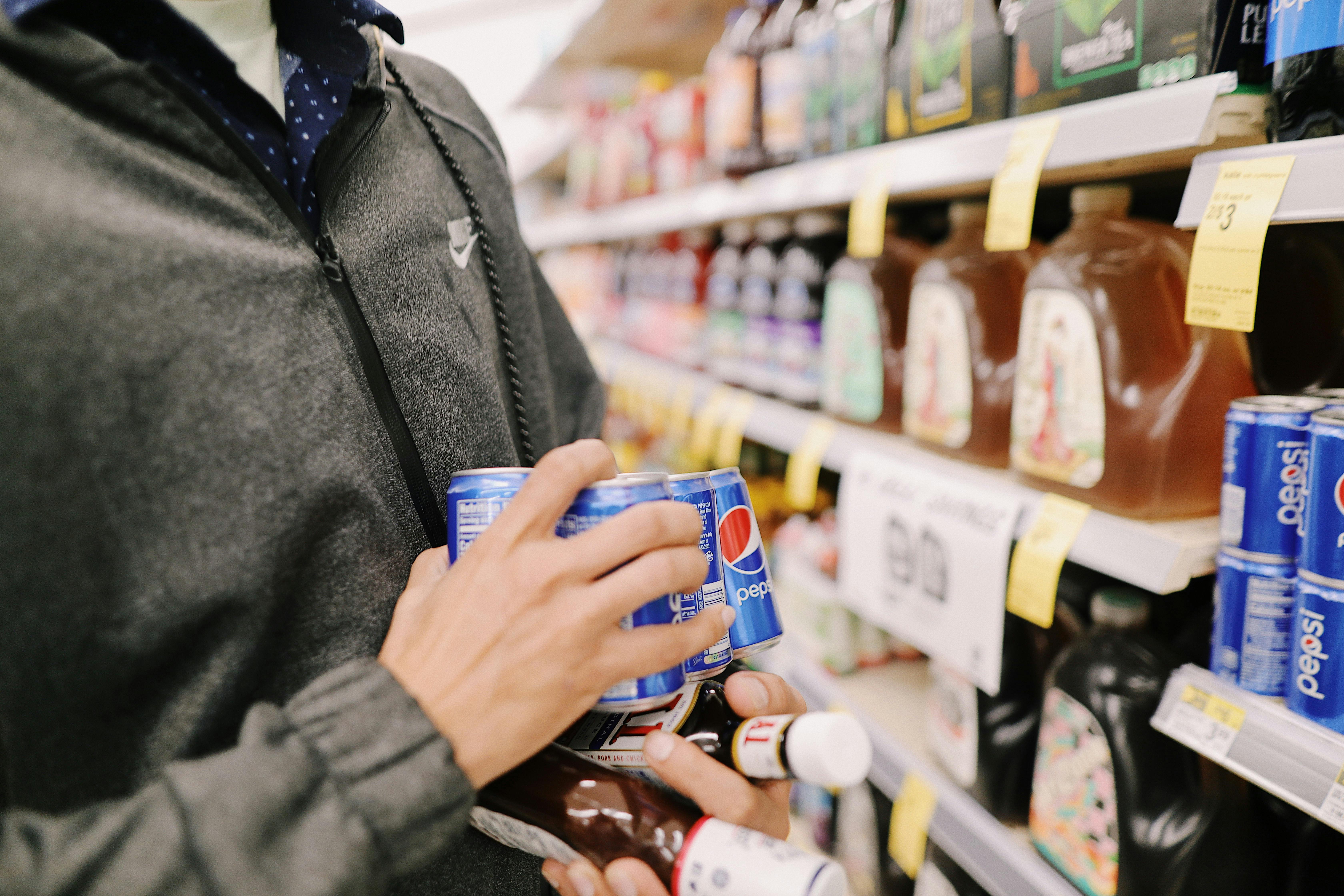
The first products under pressure are diet sodas still built around older sweetener blends that younger shoppers increasingly avoid. Beverage companies have spent years moving toward reformulated zero-sugar lines that taste closer to full-calorie soda, and that shift leaves older diet versions vulnerable.
Major soda makers have already trimmed regional and low-volume stock-keeping units since the pandemic. Executives have repeatedly emphasized productivity, meaning fewer slow-selling flavors and more focus on bestsellers. When a company can sell one zero-sugar cola nationwide instead of supporting several overlapping diet labels, discontinuation becomes the practical move.
Retailers also play a role here. Shelf space is expensive, and stores want faster turnover from each facing. If a legacy diet orange soda or lemon-lime diet formula underperforms next to energy drinks, sparkling water, or a newer zero-sugar option, it is often the older item that gets cut.
Health perception matters too, even when the science remains debated in public conversation. Shoppers reading ingredient labels more closely often prefer products marketed as zero sugar rather than diet, especially if the branding suggests a newer formula. In 2026, expect more of these older diet soda variants to quietly disappear, especially in secondary flavors.
Single-serve sugary breakfast cereals aimed at kids
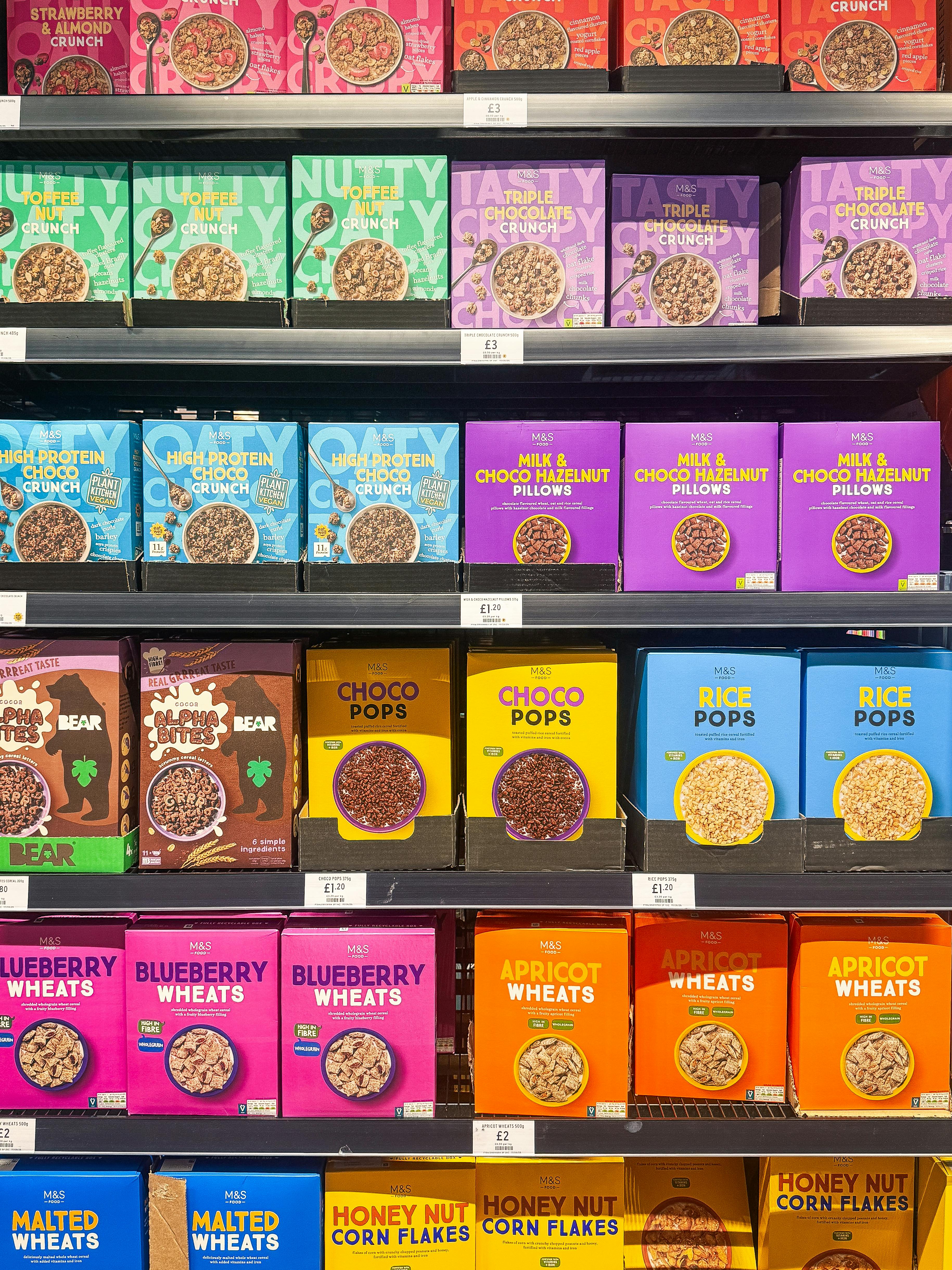
Colorful single-serve cereal cups once looked like an easy lunchbox win, but this category has lost some of its momentum. Parents are buying fewer highly sweetened cereals overall, and many are shifting to granola, protein-rich breakfast sandwiches, yogurt packs, or lower-sugar cereal brands.
Manufacturers have also faced criticism over portion marketing and nutritional quality in products designed for children. Public health advocates have spent years arguing that convenient packaging can make sugary cereals easier to consume outside the home and harder for parents to monitor. That pressure has helped reshape product development plans.
There is also a cost issue that matters in a tighter economy. Single-serve cups typically carry a much higher per-ounce price than standard boxes or bags. As shoppers compare unit prices more carefully, many have traded down or moved to store brands, which weakens demand for premium-name packaged cups.
Retailers watch those numbers closely. If a sugary cinnamon or frosted cereal cup sells slowly and competes with oatmeal cups, protein bars, or breakfast pastries, it becomes a likely candidate for deletion. By 2026, expect several kid-focused single-serve cereal products to be retired in favor of simpler, broader-selling breakfast lines.
Refrigerated plant-based dips with short shelf life
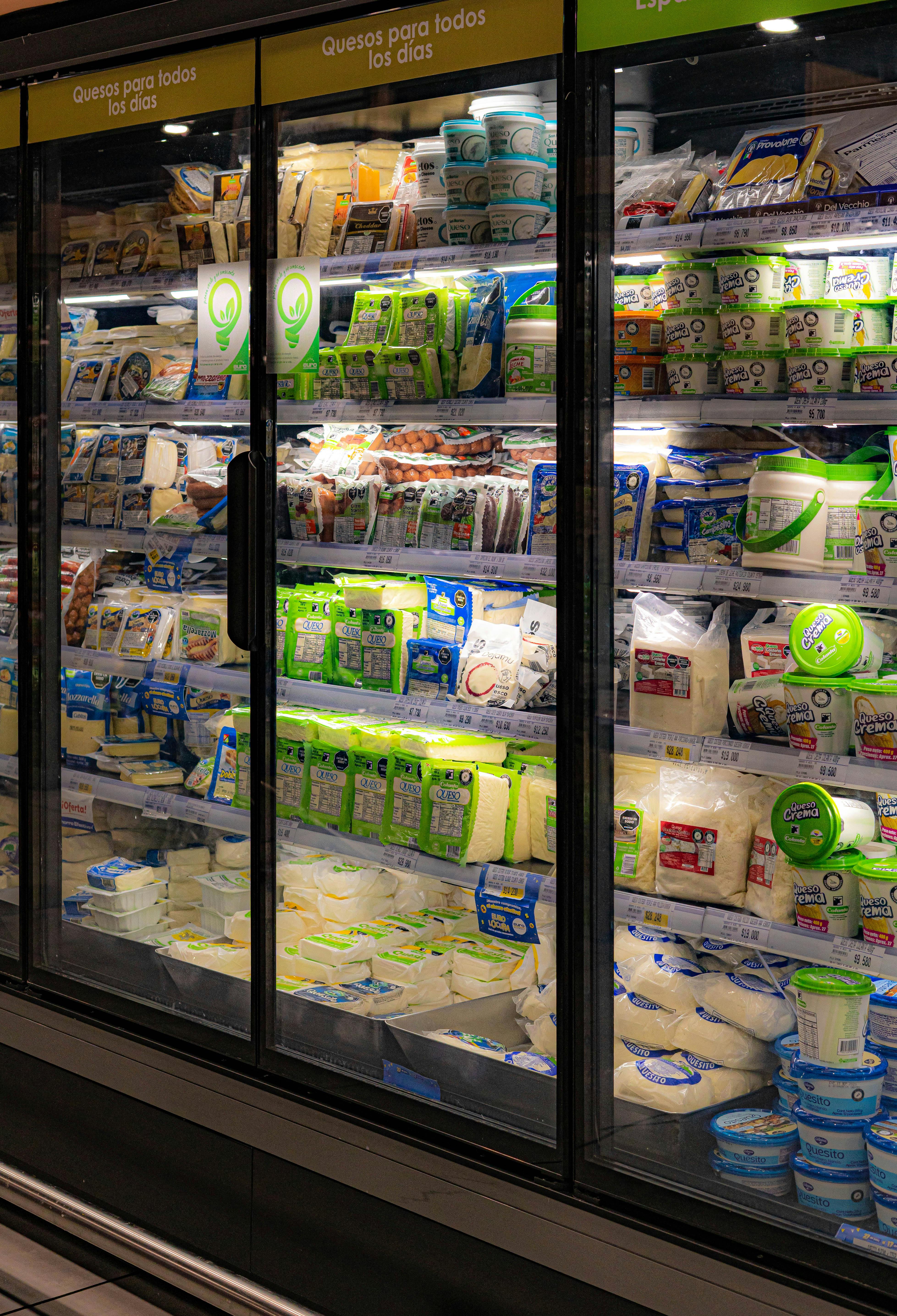
Plant-based dips surged when shoppers were experimenting with dairy-free eating, but not every item in the set proved sustainable. Refrigerated almond, cauliflower, and cashew-based dips often carry higher production costs and shorter shelf lives than traditional hummus, salsa, or dairy-based onion dip.
That creates a difficult equation for grocers. A product can generate interest online yet still fail at store level if spoilage is high. Industry analysts have noted that refrigerated innovation frequently gets trimmed when sell-through is inconsistent, because shrink hurts both suppliers and retailers.
Another factor is category crowding. The refrigerated dip case is now packed with guacamole, hummus, tzatziki, queso, ranch-style blends, and private-label alternatives. When a niche plant-based artichoke dip sells only in select urban stores, national distribution becomes harder to justify.
Consumer behavior has matured as well. Many shoppers who wanted to try dairy-free dips have settled into a few trusted staples rather than buying every new variation. In 2026, expect some of the more experimental refrigerated plant-based dip products to be discontinued, especially those with premium pricing and limited repeat purchase rates.
Frozen meatless entrees from early vegan boom years
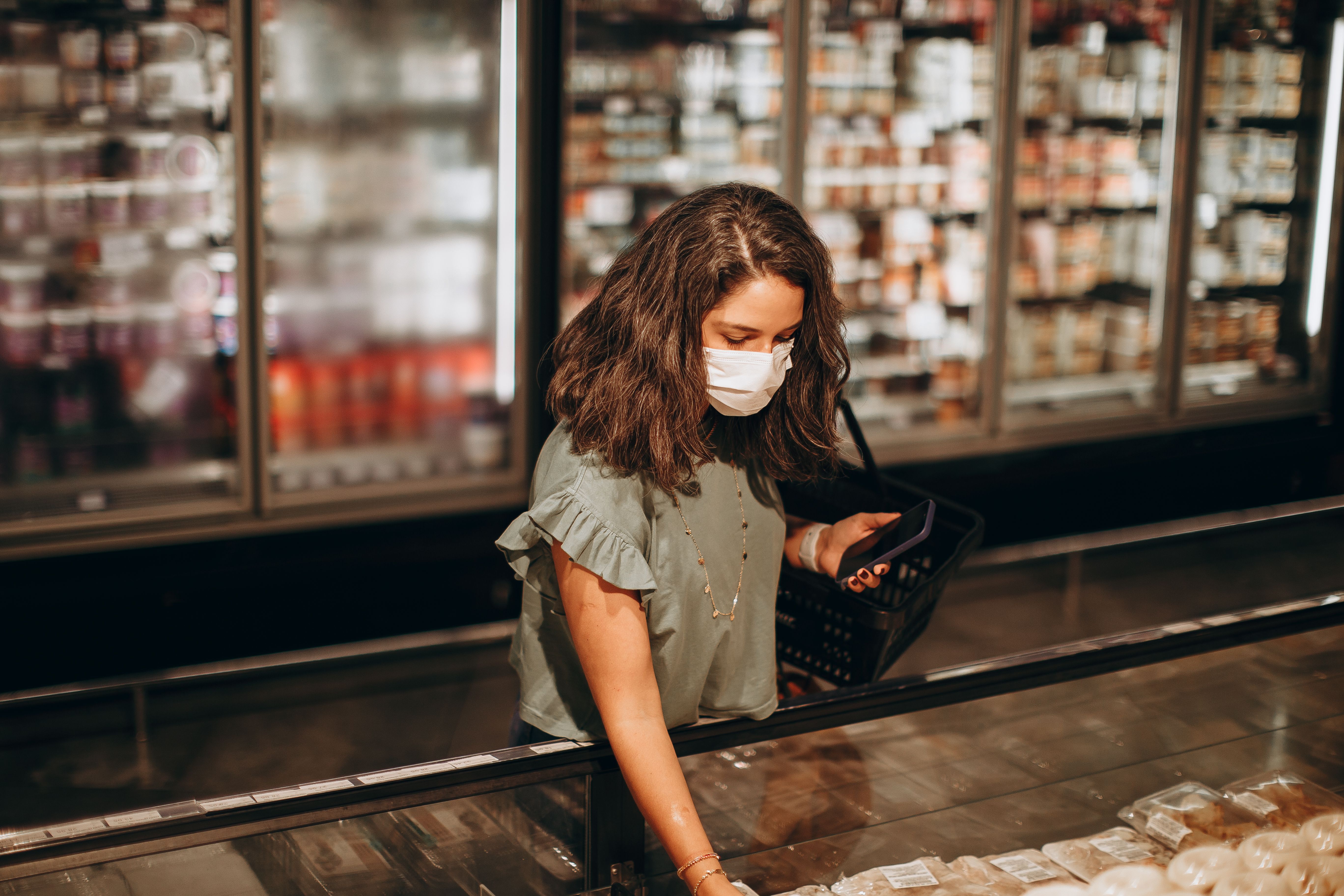
Some frozen meatless meals that arrived during the first big vegan merchandising wave are now aging out. The problem is not that plant-based eating has vanished. It is that the category is moving away from novelty and toward products that deliver better taste, cleaner labels, and stronger value.
Early frozen entrees often leaned heavily on processed textures, sodium, and long ingredient lists. That made them useful for early adopters, but less appealing to mainstream shoppers who now expect plant-based lasagna, burritos, bowls, and nuggets to taste as good as conventional frozen meals. Products that miss that standard are struggling.
Sales data across grocery has shown uneven performance in frozen plant-based subcategories. Some items remain strong, particularly simple burgers, nuggets, and vegetables-forward meals. Others have softened as inflation pushed consumers to be more selective and less willing to pay premium prices for products they do not love.
Brands are responding by narrowing assortments. Instead of carrying six frozen vegan entrees with modest demand, they may keep the two strongest sellers and retire the rest. In 2026, shoppers should expect more discontinued SKUs from the early expansion period, especially meals that never built a loyal repeat audience.
Bottled smoothie lines with added functional claims
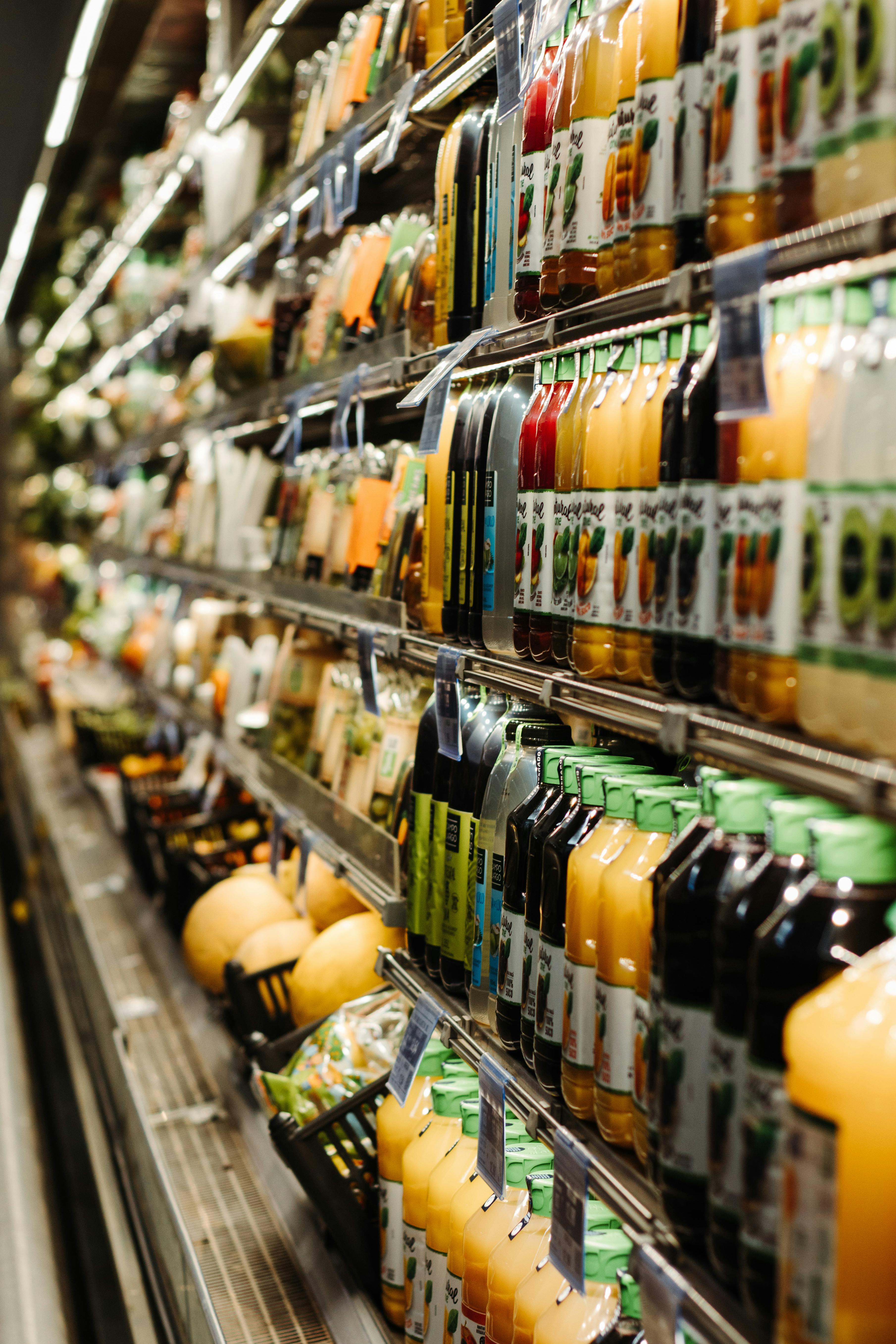
Bottled smoothies promising immunity, focus, beauty support, or digestive balance once benefited from wellness excitement. But many of these products now sit in a crowded refrigerated beverage case where juice shots, protein shakes, kombucha, cold brew, and enhanced waters are all fighting for the same dollars.
The challenge is proving value. Shoppers have become more skeptical of broad functional claims unless the ingredient story is simple and the taste is excellent. A smoothie with added collagen, adaptogens, probiotics, and botanicals may sound impressive, yet many customers will not repurchase if it feels expensive or overly complicated.
Cold-chain distribution adds another layer of pressure. Refrigerated bottled beverages require careful logistics, and spoilage risk can be meaningful if sales slow. For brands, that means even moderate underperformance can quickly turn a promising line into a discontinuation target.
Grocers are increasingly favoring clearer winners in this space. Core fruit smoothies, high-protein drinks, and recognizable wellness products tend to hold shelf space better than niche blends with fuzzy messaging. In 2026, expect several function-heavy bottled smoothie lines to be phased out as retailers simplify refrigerated beverage assortments.
Premium bagged salad kits with niche flavor themes
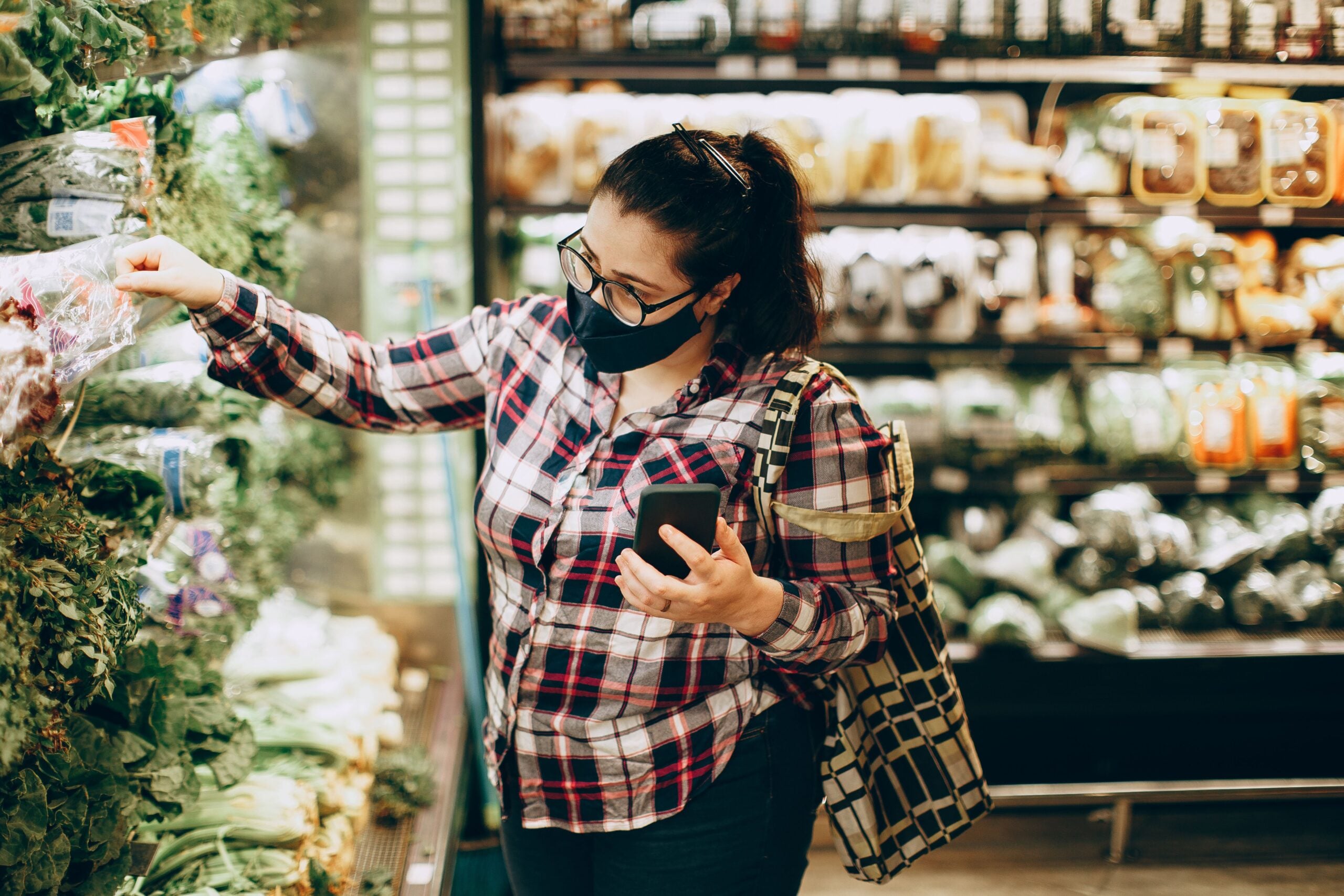
Bagged salad kits remain popular, but the most elaborate premium versions are facing headwinds. Kits built around limited-interest flavor concepts such as hot honey pickle ranch, street corn Caesar, or truffle dill crunch may generate curiosity once, yet they do not always earn the repeat sales needed for year-round shelf space.
Fresh departments work under strict timing. If a niche kit has a short sell window and customers hesitate at a high price point, waste rises fast. That matters because produce managers are judged heavily on shrink, and underperforming fresh products can disappear far faster than center-aisle groceries.
Store brands have intensified the pressure. Many retailers now offer solid salad kits at lower prices, and those private-label products often copy the most successful mainstream flavor profiles. National brands then have to decide whether highly specialized kits are worth keeping when simpler Caesar, Southwest, and chopped varieties perform more reliably.
Consumer caution around grocery spending reinforces the trend. People may still buy salad kits, but they are less likely to gamble on a premium flavor they are unsure the household will like. In 2026, expect some adventurous bagged salad kit varieties to be discontinued, even while the broader category stays healthy.
Seasonal coffee creamers with narrow holiday windows

Few grocery products create as much seasonal excitement as flavored coffee creamer, but not every limited-time bottle survives. Retailers and manufacturers increasingly want seasonal items that move quickly and predictably, and some highly specific flavors simply do not justify repeated production runs.
A creamer such as sugar cookie latte, cinnamon roll frosting, or peppermint mocha cold foam can perform well on social media yet still miss targets in stores. Viral attention does not always translate into broad weekly sales, especially after the first few weeks of a holiday set. Once demand fades, leftover inventory becomes a problem.
Ingredient costs also matter more than many shoppers realize. Dairy inputs, flavor systems, packaging, and refrigerated transport all affect margins. If a holiday creamer requires special sourcing and only sells in a short burst, companies may decide that a simpler vanilla, hazelnut, or classic pumpkin line is more profitable.
That is why 2026 is likely to bring fewer one-off seasonal creamers and more focus on proven favorites. The category is not going away, but weaker holiday editions probably are. Shoppers who love collecting every festive flavor may need to stock up early while these narrower seasonal products are still around.




Leave a Reply