
Food rules change dramatically once a product crosses a border. What feels normal on a Canadian shelf can become controversial, restricted, or completely banned elsewhere.
Raw milk cheese
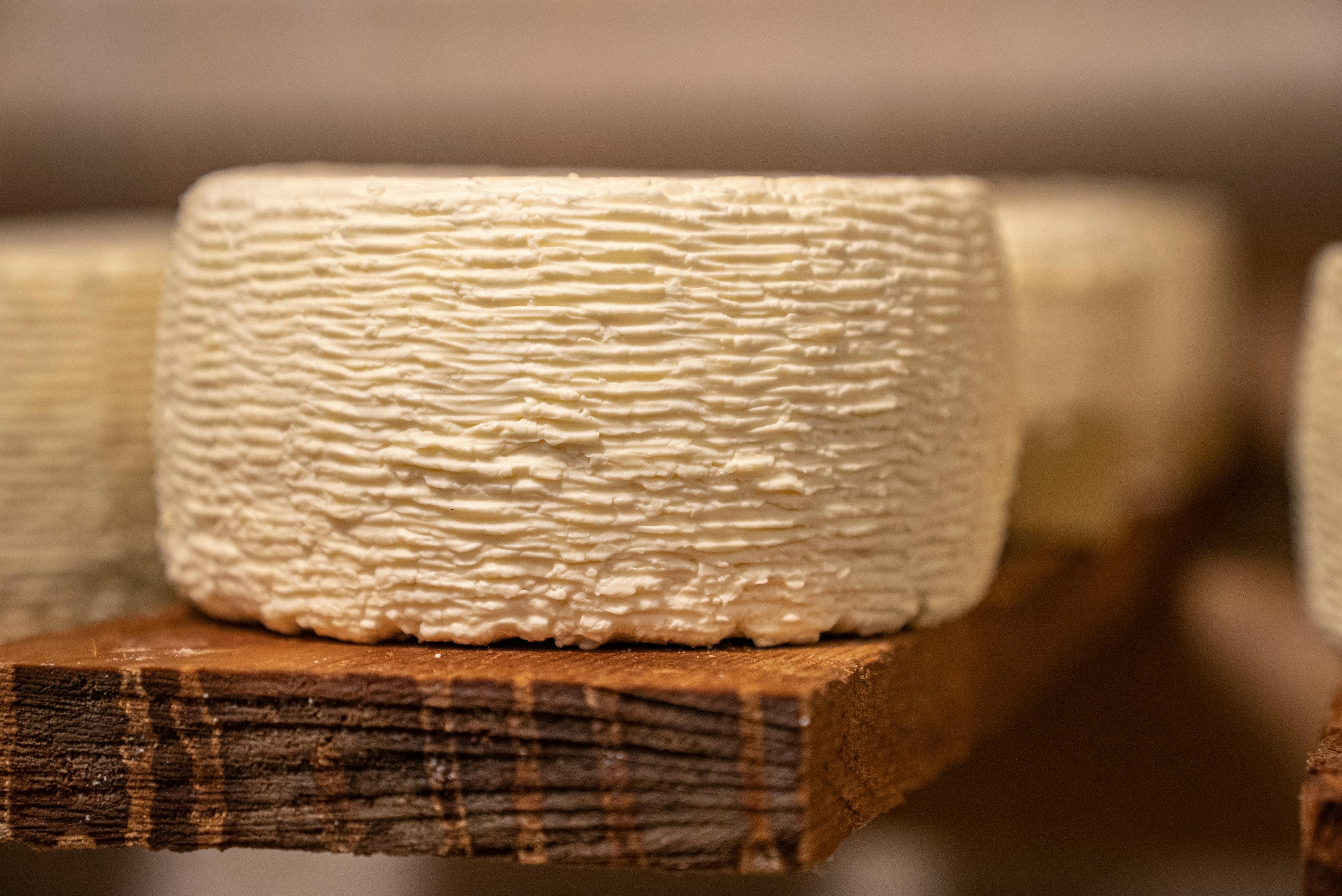
Cheese made from unpasteurized milk is prized in parts of Canada for its stronger flavor and traditional production methods. Yet around the world, raw milk products remain one of the most disputed food categories because regulators weigh taste and heritage against the risk of harmful bacteria.
In Canada, raw milk cheese can be sold if it meets aging and safety requirements. Other countries take a harder line. Some jurisdictions ban certain raw milk cheeses outright, while others only allow imports that satisfy strict microbial testing, aging standards, or plant certification rules.
The concern is simple: pathogens such as Listeria, E. coli, and Salmonella can survive if production controls fail. Food safety agencies in several countries have cited outbreaks linked to unpasteurized dairy as reason enough to keep bans or tight restrictions in place, even when the products are legal and popular in Canada.
Seal meat

For some northern and Indigenous communities in Canada, seal meat is more than food. It is part of culture, survival, and local economies. Outside Canada, however, seal products have faced some of the most emotionally charged trade restrictions in the global food system.
The European Union's seal regime effectively shut many commercial seal products out of its market, even while allowing limited exemptions connected to Indigenous hunts. In practice, that framework has made international sale and acceptance extremely difficult for Canadian seal meat and related goods.
Supporters of the bans cite animal welfare concerns surrounding seal hunts. Canadian officials and northern advocates have long argued that the restrictions ignore sustainable management and unfairly harm Indigenous communities. The result is a product that may be accepted at home but remains blocked, stigmatized, or commercially unworkable abroad.
Kinder Surprise

This one surprises many travelers because it looks so harmless. Kinder Surprise eggs have been sold in Canada for decades, but in some countries the combination of a toy hidden inside a chocolate shell has triggered strict legal objections.
The best-known example is the United States, where federal law historically prohibited confectionery containing a non-nutritive object. Authorities treated the embedded toy as a choking hazard, which meant the classic Canadian version of Kinder Surprise could not be legally imported or sold there for years.
That rule did not target Canada specifically, but it made a beloved Canadian grocery item effectively banned in a major neighboring market. A modified product, Kinder Joy, was later designed to meet U.S. requirements by separating the toy from the edible portion rather than sealing it inside chocolate.
Raw milk
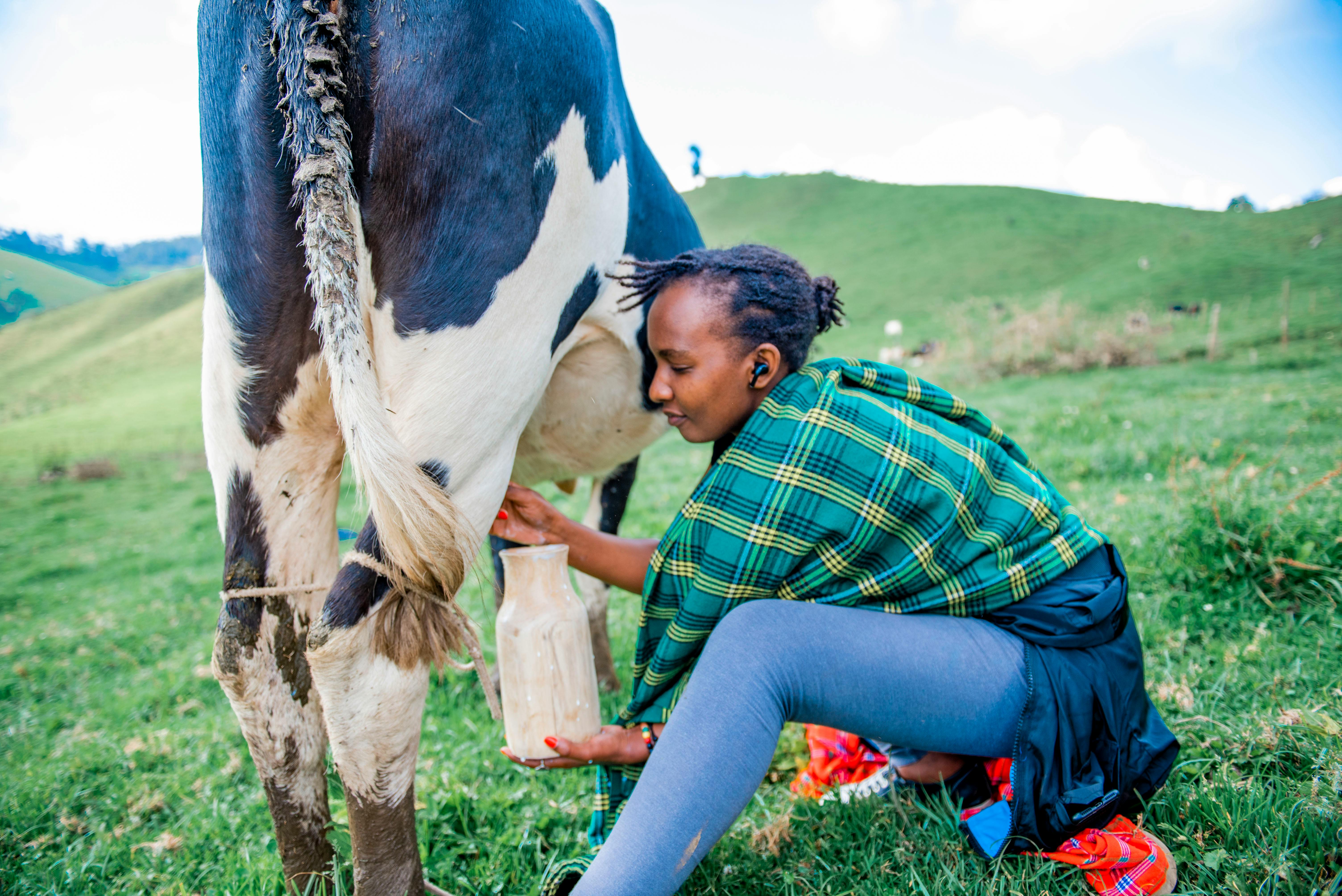
Raw milk has a loyal following in Canada, especially among consumers who believe less processing preserves taste or nutritional value. But internationally, it remains one of the clearest examples of how the same food can be seen either as a natural product or a public health risk.
In Canada, the retail sale of raw milk is generally prohibited, but the product still exists in broader food discussions because of farm access debates, loophole claims, and cross-border comparisons. In other countries, complete bans on sale are firmly enforced, while some permit very limited direct farm sales.
Where bans exist, officials usually point to the same evidence: unpasteurized milk has been repeatedly associated with bacterial illness. Public health agencies in places such as Australia and parts of Asia have defended strict rules by arguing that refrigeration alone cannot reliably remove the danger posed by contaminated milk.
Certain Canadian beef products
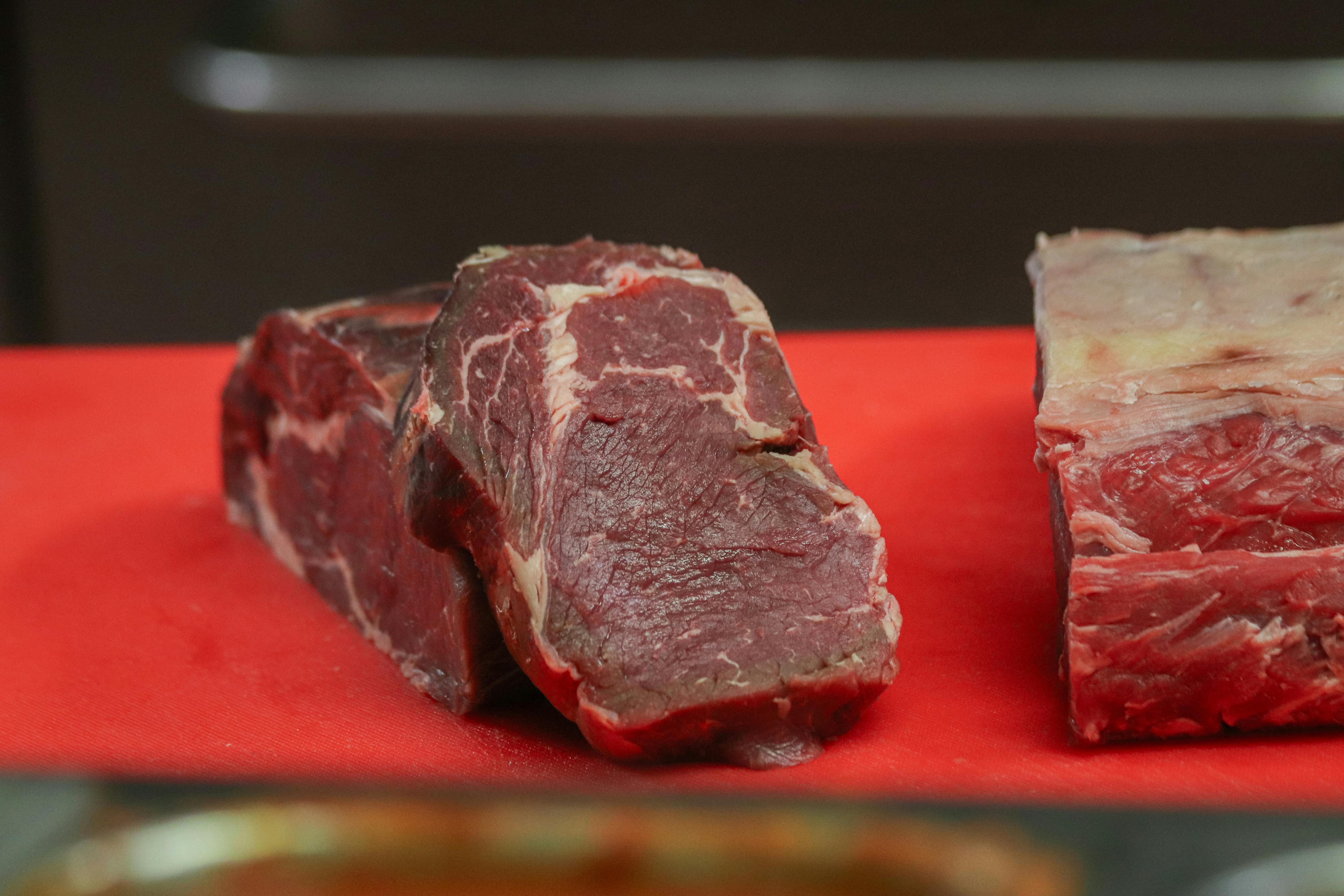
Beef is central to Canada's agricultural identity, but not every beef product travels freely. Countries around the world have at times blocked Canadian beef, especially after bovine spongiform encephalopathy, or BSE, was detected in Canada in 2003.
That single event triggered major international bans, with several nations suspending imports of Canadian cattle and beef products. Even after science-based risk controls were introduced, some governments maintained restrictions on specific cuts, age categories, or byproducts far longer than Canadian producers expected.
The case showed how quickly a food staple can become a diplomatic issue. According to trade reporting over the years, reopening markets often required long negotiations, technical reviews, and disease surveillance data. While many bans were eventually eased, Canadian beef has repeatedly faced foreign barriers rooted in health fears.
Genetically modified canola products
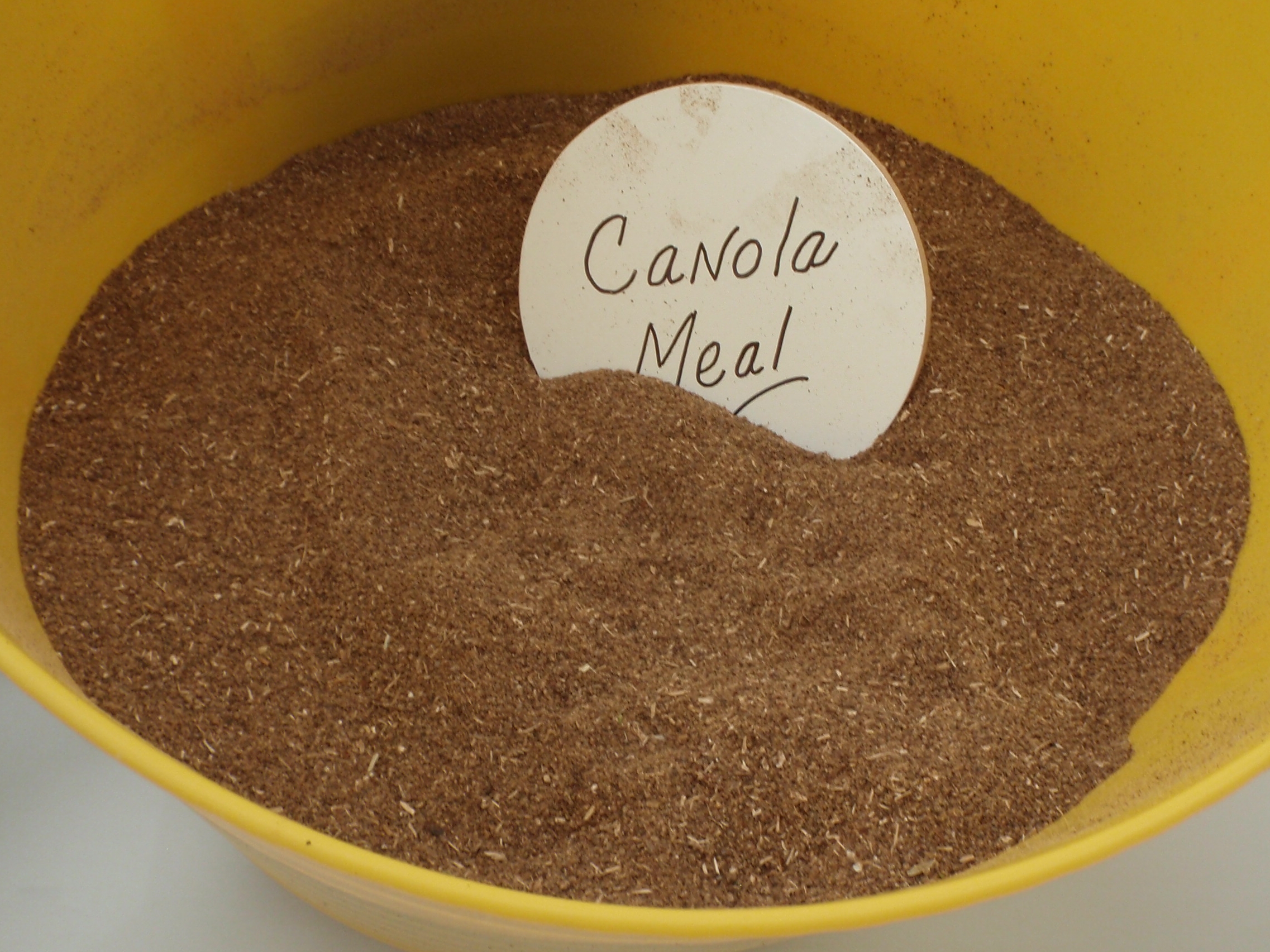
Canada is one of the world's biggest canola producers, and much of that crop is genetically modified for weed control and yield efficiency. Domestically, GM canola is mainstream. Abroad, though, foods made with or derived from such crops can run into legal, political, and consumer resistance.
Some countries have blocked imports of certain genetically modified food products unless they undergo local approval processes. Others require labeling so strict that retailers avoid stocking them. In a few markets, anti-GM policy has functioned as a practical barrier to Canadian canola-based food ingredients.
Regulators that oppose these imports often cite precaution, biodiversity concerns, or unresolved consumer acceptance. Supporters of Canadian canola point to decades of use and safety reviews by major scientific bodies. Still, when a country's rules reject or delay GM approvals, Canadian food exports containing those ingredients can effectively be banned.
High-caffeine energy drinks

Energy drinks are common in Canadian convenience stores, but some formulations have met resistance in foreign markets. The issue is rarely the concept itself. It is the caffeine level, added stimulants, marketing practices, and whether regulators classify the drink as a food or something closer to a controlled product.
Canada has its own rules on caffeine caps, labeling, and warnings, especially for children, pregnant people, and sensitive consumers. Elsewhere, authorities have sometimes gone further by removing products from sale or refusing import approval when stimulant combinations exceeded local safety thresholds.
Several European and Middle Eastern markets have periodically tightened controls after concerns about heart rhythm problems, overconsumption, and youth targeting. So while a can sold in Canada may be legal at home, that same drink or formula can face a foreign ban if its ingredient profile clashes with local standards.
Maple products with additives
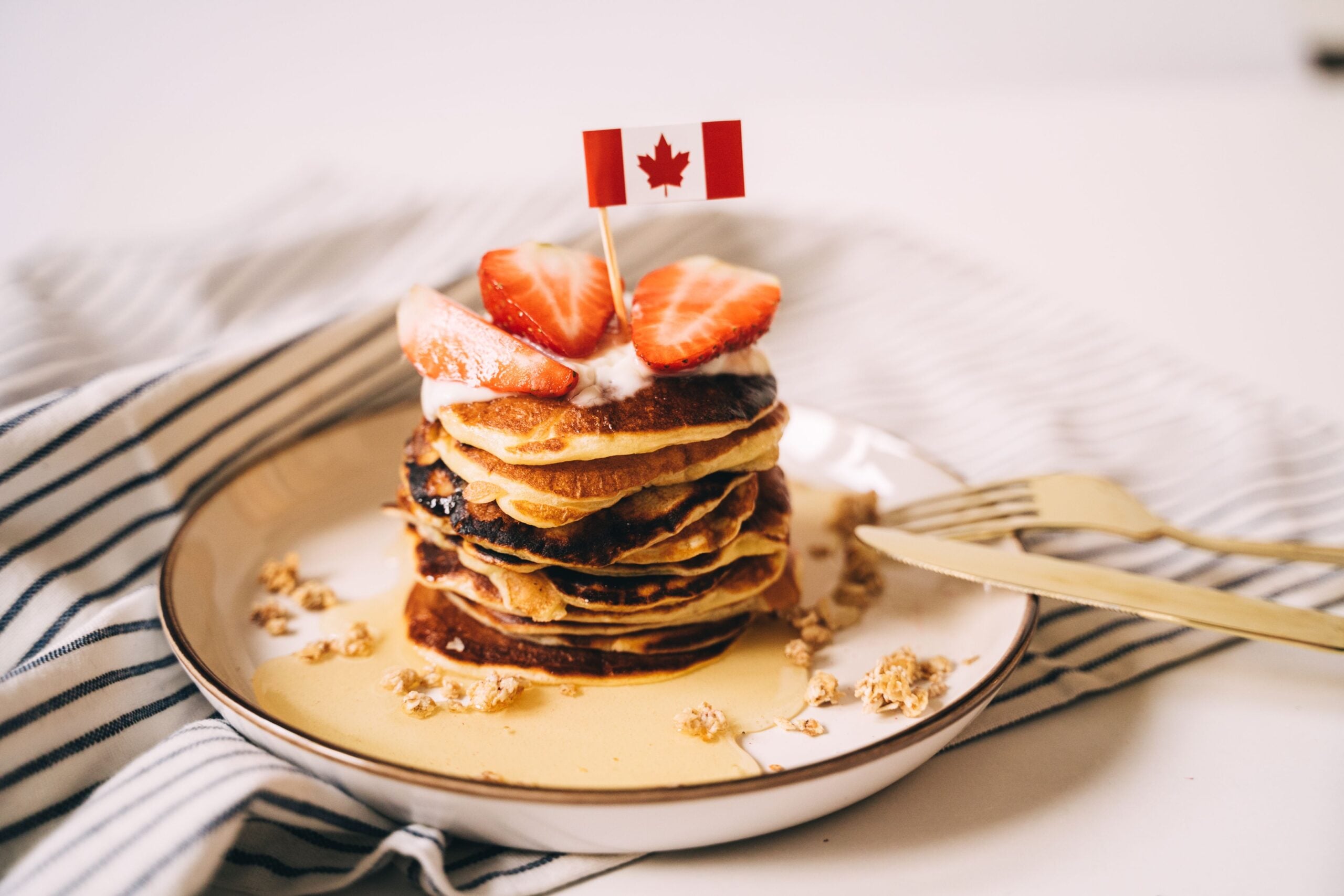
Pure maple syrup rarely runs into trouble, but maple-flavored products are another story. Canada exports a wide range of maple candies, spreads, and syrups, and some of those processed items may contain colorings, preservatives, or ingredient combinations that do not align with rules in every country.
Certain additives permitted in one jurisdiction are restricted in another, especially in markets with narrower approved lists for confectionery or flavored syrups. That means a Canadian maple product can be accepted domestically yet barred abroad because of a stabilizer, dye, or labeling issue rather than the maple itself.
This distinction matters for shoppers and exporters alike. When a country announces a ban, consumers often assume the core Canadian ingredient is at fault. In reality, the problem is frequently the processed formulation. Trade specialists regularly note that compliance failures in packaged foods often come down to additives and declarations.
Farmed salmon treated with restricted substances
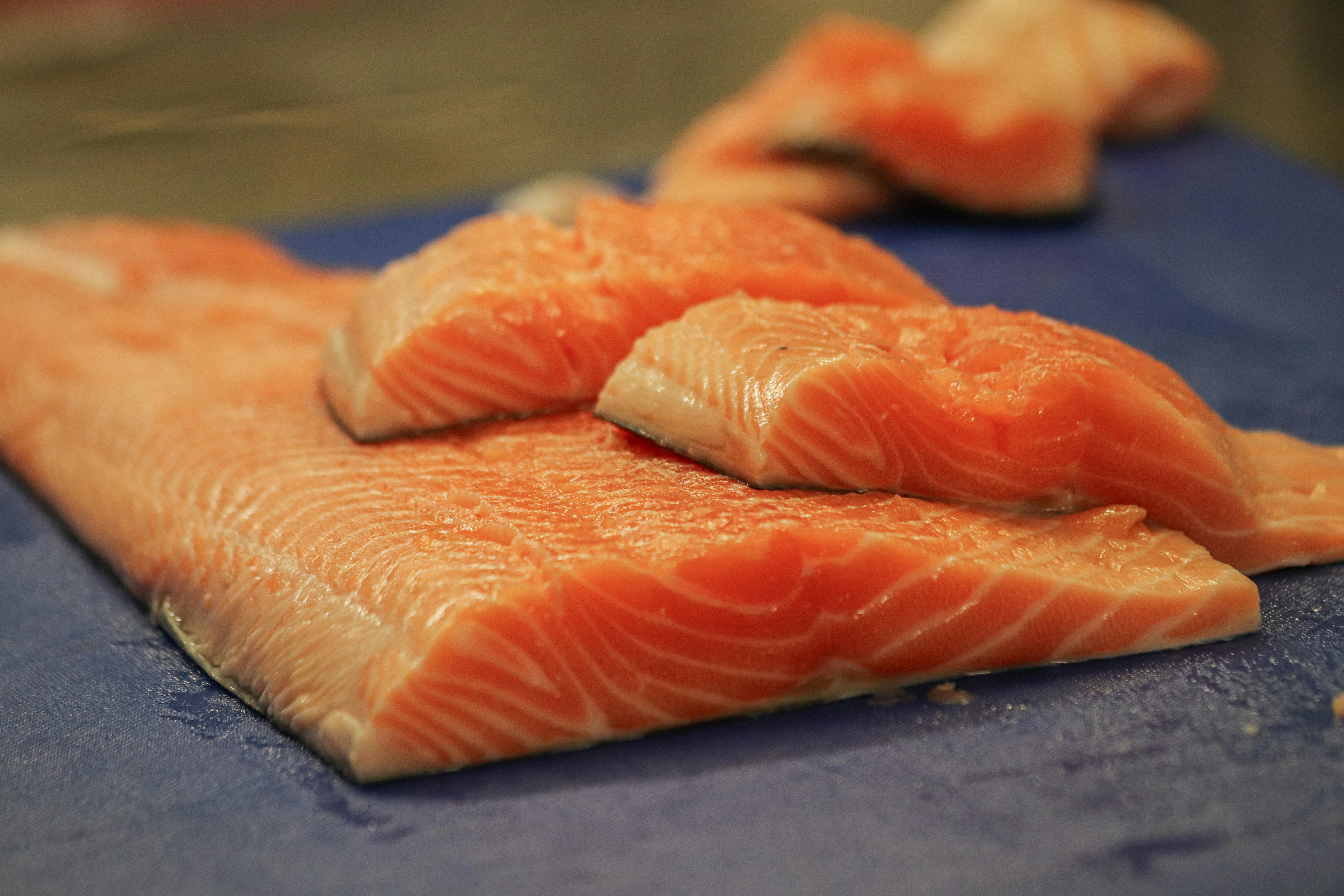
Salmon is strongly associated with Canada, especially on the Pacific coast and in Atlantic aquaculture. But fish products can become trade casualties when veterinary drugs, feed ingredients, or residue thresholds differ from one country to the next.
Some countries ban imports of fish if testing detects substances not approved under their domestic standards, even when those substances are lawful or tolerated elsewhere at low levels. Canadian salmon exporters, like seafood producers globally, must navigate these residue rules carefully to avoid shipment refusals.
The issue is not uniquely Canadian, but Canadian seafood has been affected by the same system. Import alerts in various markets have targeted aquaculture products over antibiotics or chemical residues. For regulators, the priority is consumer safety. For producers, even a narrow technical violation can amount to a de facto ban.
Haggis-style products containing sheep lung
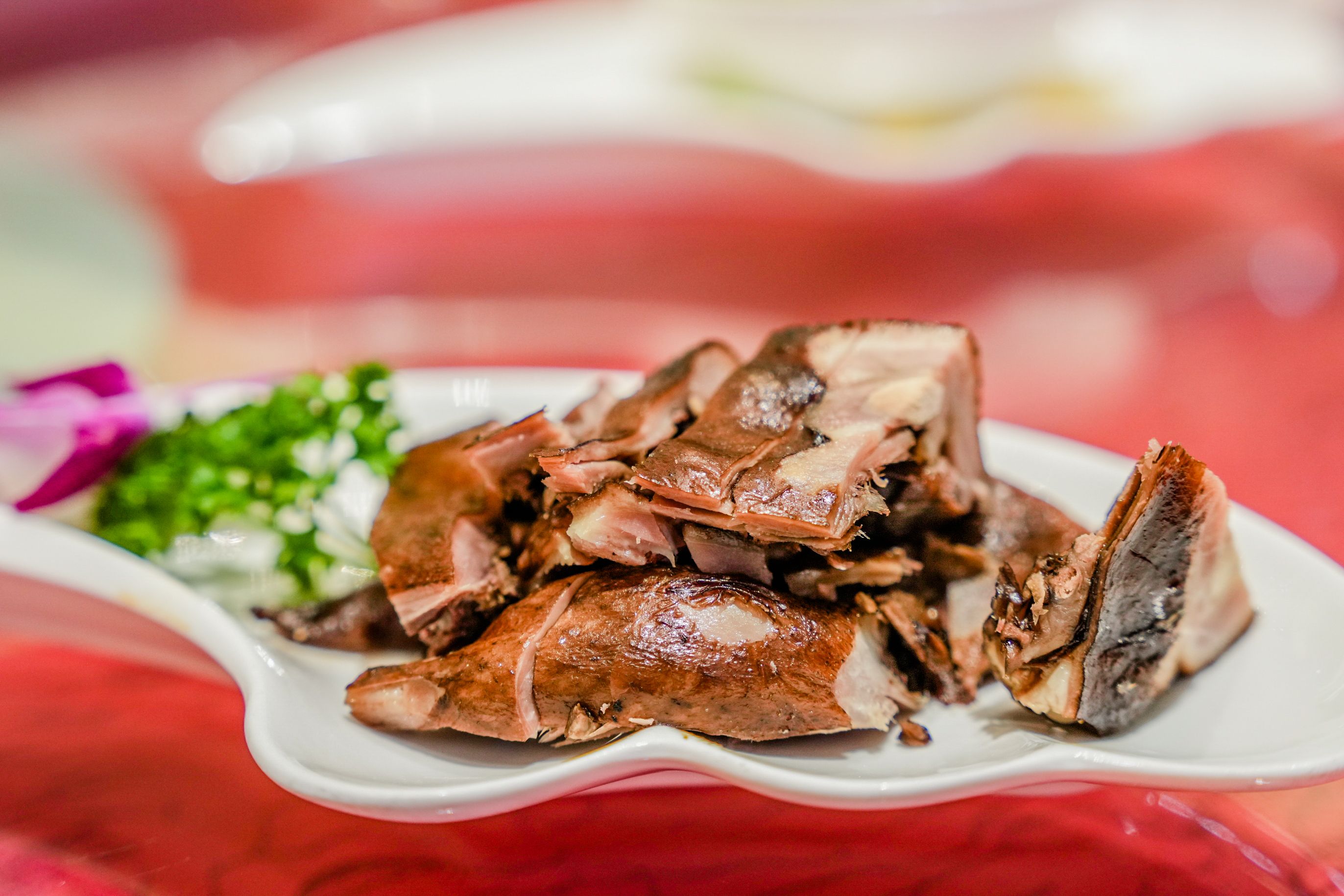
Canada does not own haggis, but Canadian producers do sell haggis-style foods, especially in regions with strong Scottish heritage. The controversy centers on one ingredient: sheep lung, which has been prohibited in foods in certain countries, most famously the United States, for decades.
That means a Canadian-made traditional haggis using lung cannot enter those markets in its classic form. Producers have had to reformulate recipes or market modified versions to comply. To traditionalists, that changes the dish. To regulators, it is simply a non-negotiable food safety standard.
The reasoning comes from slaughter and contamination concerns tied to organ handling. Although many consumers see the ban as outdated, it remains a clear example of how heritage foods can hit legal walls abroad. A product can be authentic in Canada yet unacceptable under another country's inspection rules.




Leave a Reply