
"Local" feels comforting. In Canada's food and drink industry, though, it has become one of the most contested words on the shelf.
A simple word with no simple meaning

At first glance, "local" seems self-explanatory. Consumers often assume it means food was grown nearby, processed nearby, and sold close to home.
In practice, the term is far messier. Canada is a vast country, and a product considered local in one province may have travelled hundreds or even thousands of kilometres.
That ambiguity matters because shoppers increasingly use "local" as a shortcut for freshness, lower environmental impact, and support for nearby farmers and makers. When one word carries that much trust, every business has an incentive to claim it.
The result is a fight over language, but also over money. Whoever controls the meaning of "local" gains a powerful marketing advantage in grocery aisles, farmers' markets, liquor stores, and restaurant menus.
Canada's rules leave room for argument

A major reason the dispute keeps growing is that Canada does not have one universally understood standard that settles every case. Guidance exists, but interpretation still varies by product and province.
The Canadian Food Inspection Agency has said a food can be labelled "local" if it is produced in the province or territory where it is sold, or sold across provincial borders within 50 km of the originating province or territory. That sounds clear until supply chains get more complicated.
Consider a jar of pasta sauce made in Ontario using imported tomatoes, or a beer brewed in Alberta with malt from Saskatchewan and hops from the United States. Is the local part the processing, the ingredients, the ownership, or the final sale?
Those grey zones have created frustration among smaller producers who say looser interpretations let larger companies capture the same halo without meeting the same expectations consumers have in mind.
Small producers say the label is being stretched
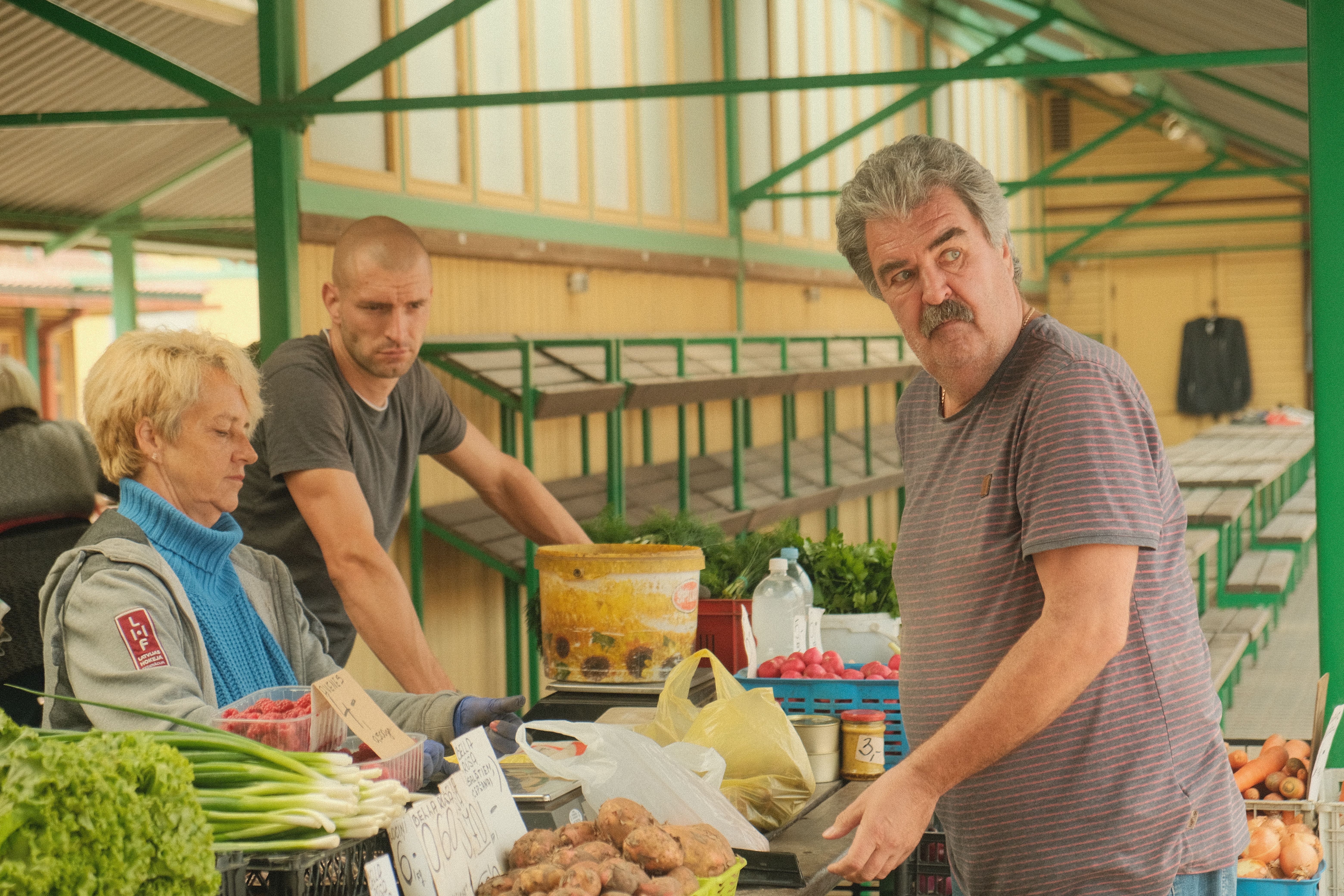
Independent farms, craft beverage makers, and regional food brands often argue they built the value of "local" through direct relationships with consumers. They say larger players are now stretching the word until it loses meaning.
A small apple grower selling fruit harvested a few kilometres away is not competing on equal terms, they argue, with a national brand using imported concentrate but bottling it in the same province. Both may appear local to a hurried shopper.
That tension is especially sharp in dairy, produce, beer, and prepared foods, where origin stories heavily influence purchasing decisions. In those categories, packaging language can shape sales as much as price.
Industry groups have warned for years that vague origin claims blur important differences between "made here," "grown here," and "owned here." To farmers and artisans, those are not semantic details. They determine who benefits from consumer loyalty.
Retailers and big brands see local differently
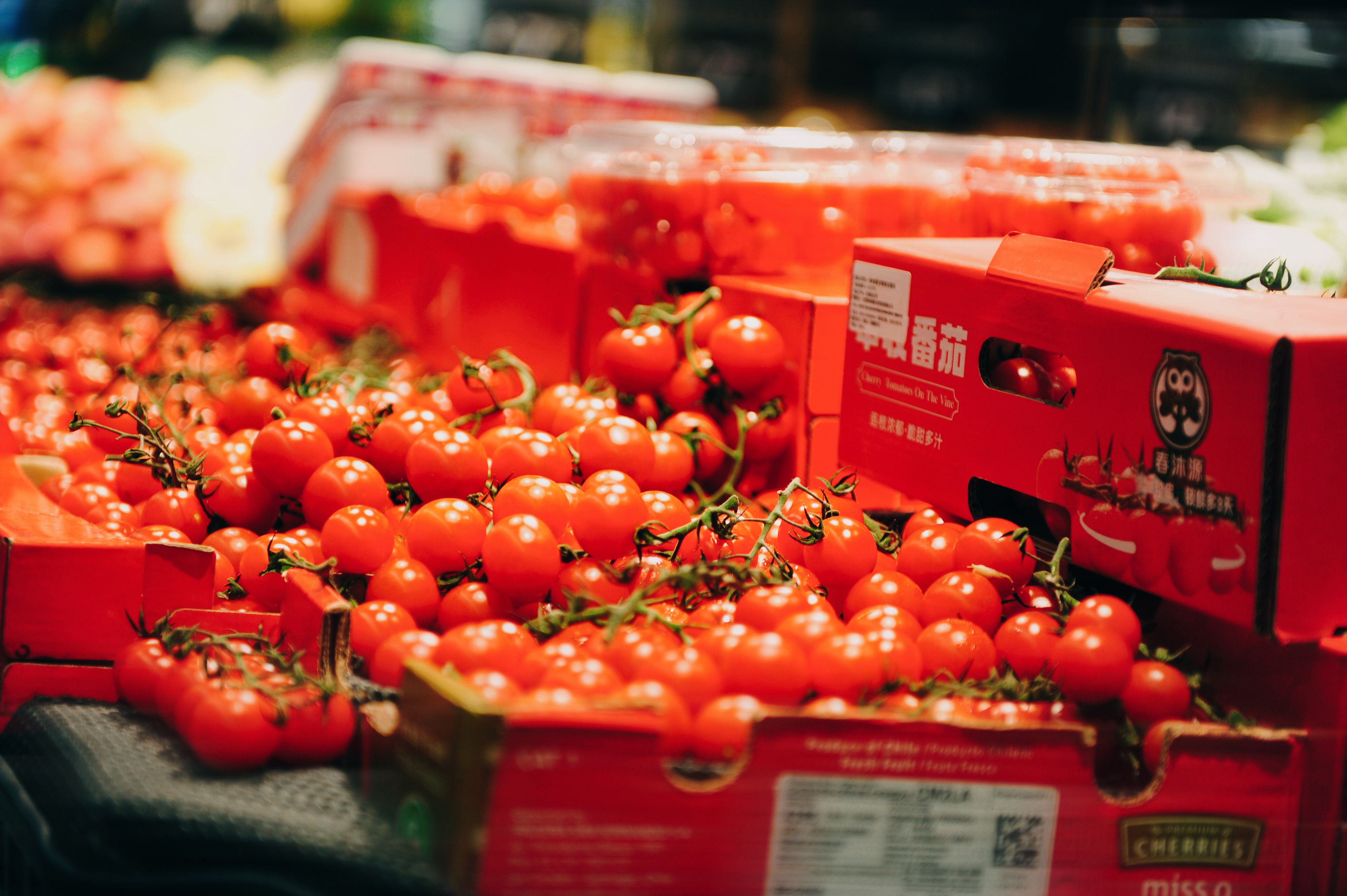
Large retailers and national brands do not necessarily reject the idea of local. Many say they are responding to consumer demand while working within modern supply chains that are rarely confined to one community.
A supermarket chain may source cucumbers from a nearby greenhouse for part of the year, then switch regions seasonally while still promoting local procurement overall. From its perspective, local is a sourcing strategy, not always a fixed geographic promise.
Big beverage companies make similar arguments. A spirit distilled in Canada, bottled in one province, and sold in another may support Canadian jobs even if some inputs are imported.
That broader definition reflects economic reality, but critics say it can dilute the term beyond usefulness. If everything with some regional connection becomes local, then truly place-based producers lose the distinction shoppers are trying to reward.
Consumers are buying a story, not just a product
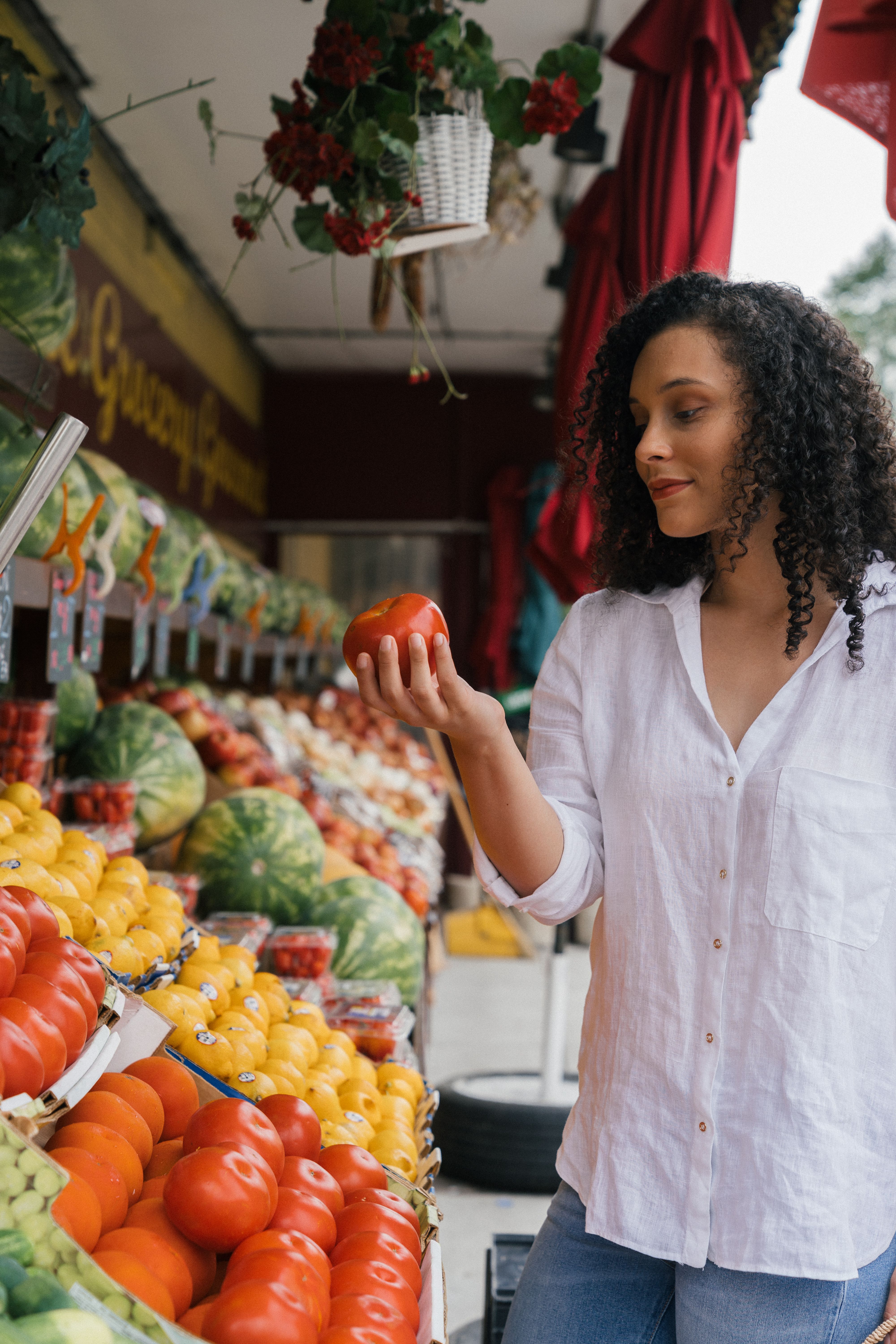
What makes the fight so sensitive is that "local" is not only about geography. For many Canadians, it signals values such as trust, community resilience, food security, and transparency.
The pandemic intensified those feelings. Disruptions in global supply chains pushed more consumers to think about where food comes from and whether nearby producers could offer a steadier alternative.
Research in recent years has consistently shown strong consumer interest in buying local, especially in fresh food and alcohol. But surveys also suggest many shoppers are unclear about official definitions and often rely on packaging cues alone.
That gap between expectation and regulation is where conflict thrives. Consumers think they are making a precise choice, while companies may be using a far broader interpretation than the buyer realizes.
Why the battle over "local" is likely to grow
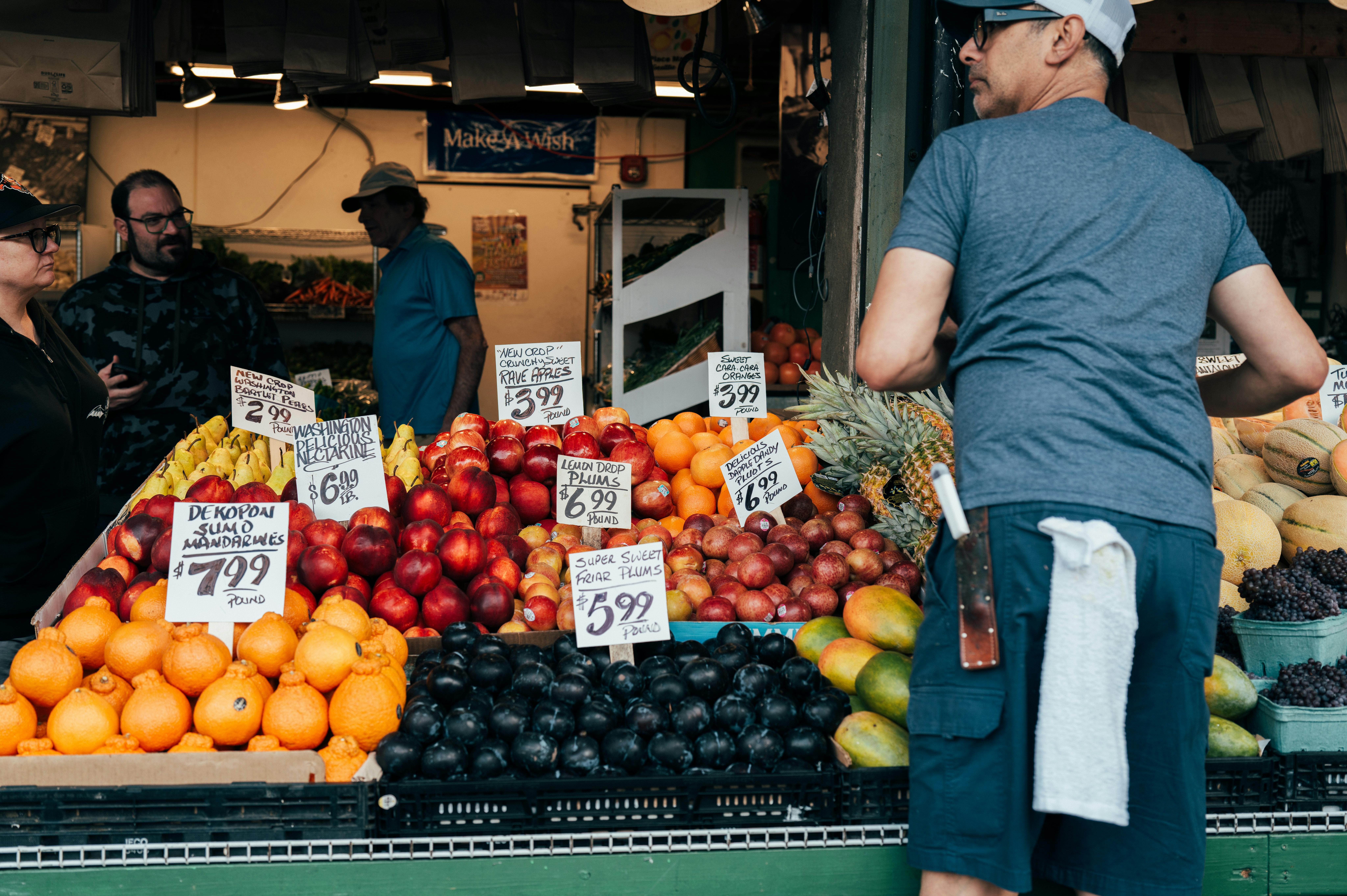
This dispute is not fading because the stakes are getting larger. Inflation has made food prices more painful, and businesses know that local branding can justify premium pricing or build stronger customer loyalty.
At the same time, climate concerns and domestic food security debates are giving origin claims even more weight. Provincial governments and industry groups are also eager to promote homegrown sectors, which adds another layer of marketing pressure.
The likely outcome is not the disappearance of the word, but a stronger push to define it more clearly. More precise labels such as "grown in Canada," "made in province," or "from local ingredients" could help restore trust.
Until then, the fight will continue because "local" is doing too many jobs at once. It describes distance, identity, economics, and values, and in Canada's food and drink business, that makes it far more than a harmless buzzword.




Leave a Reply