
Bigger does not automatically mean better value. In many aisles, "family size" is designed to feel economical long before it actually is.
The label sells an idea before it sells a discount

"Family size" sounds practical, responsible, and thrifty. That wording matters because shoppers often use it as a shortcut for value, especially when they are moving quickly through a store. Retail researchers have long found that larger packaging creates a built-in assumption that the per-unit price must be lower.
Manufacturers understand that this assumption reduces price checking. A cereal box that is 20% larger can look like a bargain even if the unit price is nearly identical to the regular box. In some cases, the larger package is actually more expensive per ounce, but the label still signals savings.
This is a classic example of perception pricing. The package is not only holding more product, it is carrying a message about abundance, preparedness, and smart household management. That message can be strong enough to override the small shelf tag that lists the true unit cost.
Retailers optimize for margin, not for your pantry

The second reality is simpler: stores are not obligated to make bigger packages the best deal. Their job is to maximize profit across the shelf, and that often means charging what different shoppers are willing to pay. A family shopping for convenience may accept a premium for buying more at once.
This is a form of price discrimination in plain sight. Smaller households may choose the standard size because the upfront price is lower, while larger households may gravitate to family size because it reduces shopping frequency. Retailers can charge both groups differently without changing the core product.
Warehouse clubs sometimes reinforce the myth that bulk always wins. Yet consumer comparisons from advocacy groups and newspaper pricing audits routinely show exceptions in snacks, condiments, paper goods, and frozen foods. The larger pack may offer convenience, but convenience and value are not the same thing.
Packaging and production costs do not fall as much as shoppers think

Many consumers assume a larger package should be cheaper per unit because economies of scale kick in. That can happen in manufacturing, but the savings are often smaller than expected at the individual product level. A bigger bag or box still requires redesigned packaging, stronger materials, and different handling during shipping and stocking.
In food categories, larger packages can also create higher risk for the seller. If demand slows, oversized inventory takes up shelf and warehouse space longer. That cost gets built into pricing, especially in categories with expiration dates or frequent promotional turnover.
There is also the issue of shelf geometry. A family-size package may consume more space without generating proportionally more profit for the retailer unless it carries a healthy margin. So the bigger format is often priced not as a discount vehicle, but as a separate premium product tier.
Promotions often make the smaller size the better deal
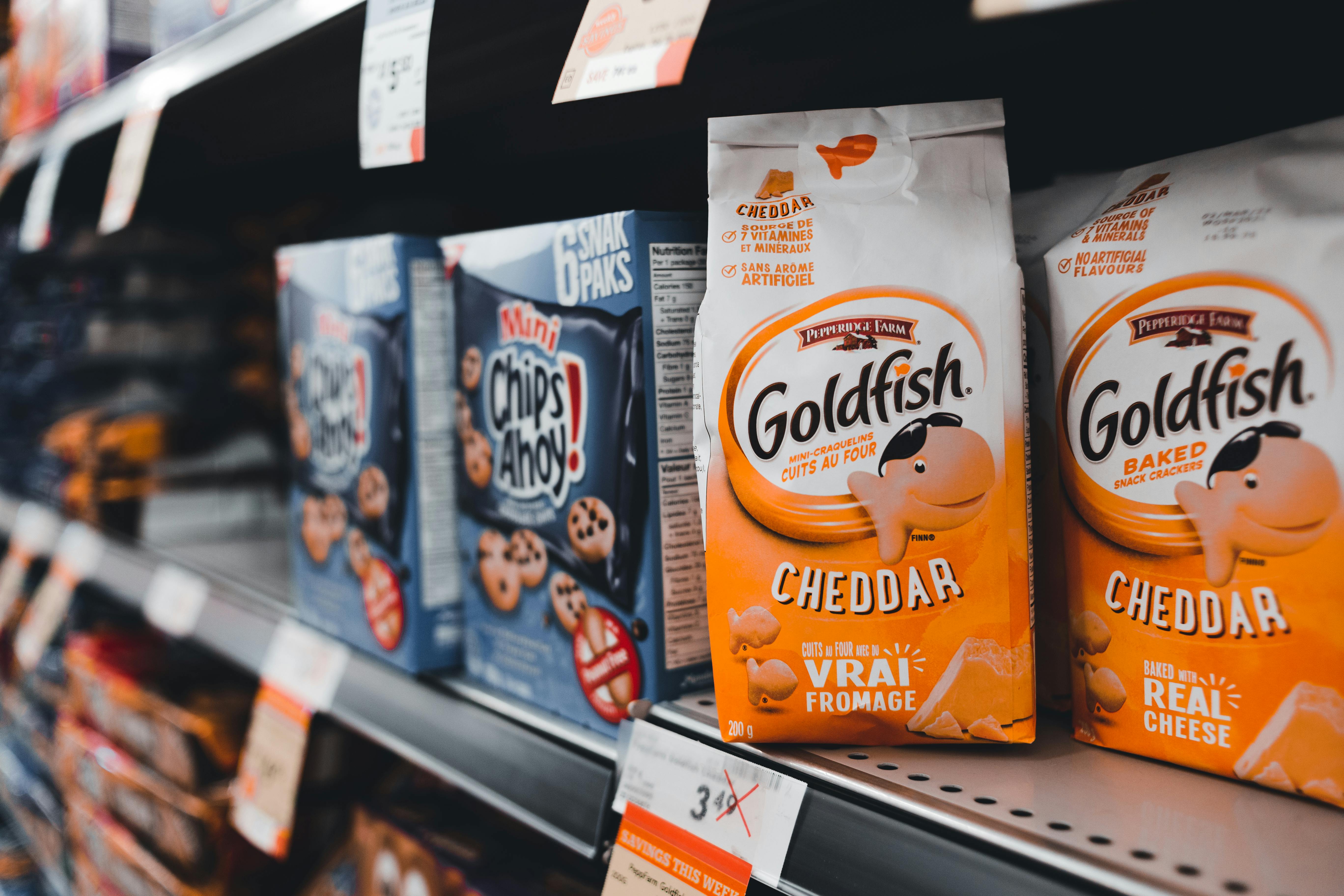
This is where the math turns against shoppers most often. Temporary discounts, loyalty offers, and manufacturer coupons are frequently applied to standard sizes because those are the highest-traffic products. When that happens, the smaller package can easily beat the family-size version on a per-unit basis.
A common example appears in grocery promotions such as 2-for-$5 or buy-one-get-one offers. If the regular size is included in the promotion but the larger size is excluded, the smaller item suddenly delivers a meaningfully lower cost per ounce. Many shoppers never compare because the larger pack still looks like the bulk option.
According to repeated consumer pricing checks by local news outlets and shopping analysts, this mismatch is widespread in beverages, breakfast foods, and cleaning products. The lesson is straightforward: promotional pricing often breaks the assumed size-to-savings relationship.
"Shrinkflation" and package design muddy the comparison

Another reason family size can disappoint is that pack formats change constantly. Brands may enlarge a package slightly, then raise the price by more than the added volume justifies. Because most people remember the rough look of a package, not the exact ounce count, these changes are easy to miss.
Shrinkflation complicates the picture further. A standard size may quietly lose a few ounces while the family size stays the same, making the larger version seem more efficient by comparison. But if both prices rise at the same time, the larger one still may not deliver a true unit-price advantage.
Design also plays a role. Taller boxes, wider bags, and bold quantity callouts can make differences seem dramatic when they are modest in reality. What shoppers experience as "more" is often a visual cue, not a reliable pricing signal.
The real savings test is unit price plus actual usage
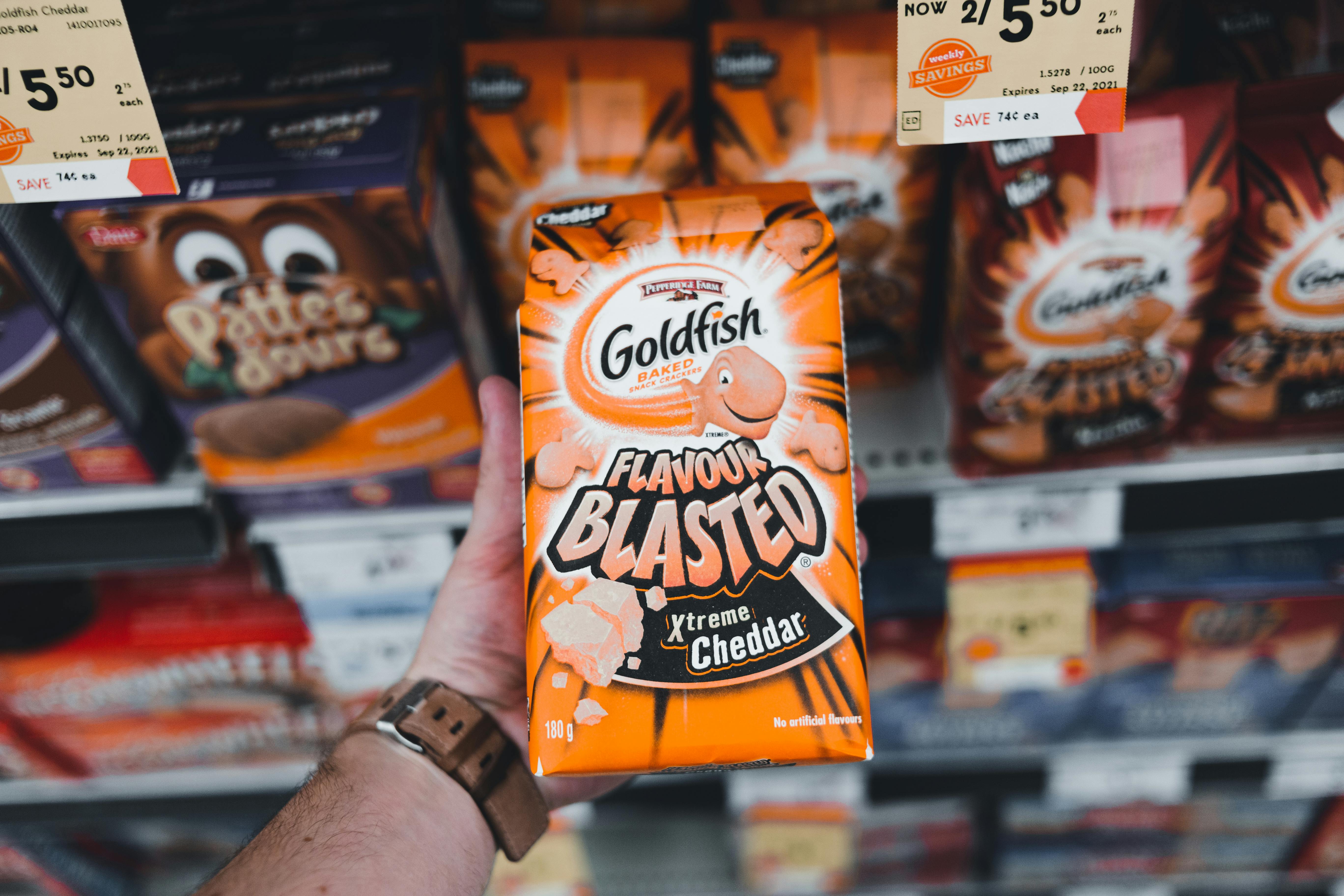
The smartest way to judge family size is not by the front label, but by the shelf unit price and your household's real consumption. If you will not use the product before it goes stale, expires, or gets wasted, even a lower unit price is not a genuine bargain. Value depends on usage, not volume alone.
This matters especially for produce, dairy, snacks, and condiments. A large container of yogurt or a giant bag of chips can carry hidden waste costs that erase any apparent savings. Households with fewer people often lose money by buying for an imagined future need rather than current demand.
The bottom line is that family-size pricing is usually built around shopper behavior, not automatic economies. Bigger packs are often sold as reassurance and convenience first. If you want the real deal, ignore the label, read the unit price, and buy only the amount you will actually use.



Leave a Reply