
Some snacks disappear quietly. These chips did the exact opposite, turning each restock into a small event for devoted shoppers.
Why These Chips Became a Sellout Story

Scarcity alone does not create a hit. Plenty of limited-run snacks come and go without leaving much of a mark, but these potato chips landed at the perfect intersection of flavor curiosity, social media attention, and retail timing. Shoppers were not just buying a salty snack. They were buying into the thrill of finding a bag that seemed to vanish almost as soon as it arrived.
A big reason for the frenzy was the flavor profile itself. The chips stood out in a crowded aisle by offering something more layered than the usual barbecue, sour cream, or plain salted choices. Consumers increasingly want snacks that feel chef-inspired, globally influenced, or tied to seasonal trends, and food companies have responded by developing products that promise stronger identity in every bite.
Retail behavior added fuel to demand. Once early buyers posted store finds and reviews online, more people began checking local shelves, often only to find them empty. That pattern created a feedback loop. The harder the chips were to find, the more desirable they became, and repeated sellouts gave the product a reputation that ordinary advertising could never have purchased.
Industry analysts have seen this dynamic across food and drink in recent years. Limited availability can boost urgency, but it only works when the product delivers enough quality to justify the chase. In this case, shoppers came back after trying them, which is the clearest sign that the excitement was not just hype. It was repeatable demand built on taste.
What Makes the New Return Better Than the First Run

Comebacks only matter if they improve on the original. This latest release appears to do exactly that, with a tighter recipe, more consistent seasoning, and a crunch that feels noticeably more deliberate than before. For returning fans, the difference is subtle but important. For new buyers, it makes the product feel polished rather than experimental.
Texture is one of the biggest upgrades. Potato chips live or die by their bite, and brands know that even small inconsistencies can affect perception. The new batch seems to offer better uniformity from bag to bag, with fewer broken chips and a more even fry. That matters because consumers often interpret texture as a sign of freshness, quality control, and overall value.
Flavor balance also appears more refined. Last year's version may have impressed people with boldness, but some highly seasoned snacks can lose precision if salt, sweetness, acid, or spice pull too far in one direction. The updated release seems designed to keep the signature taste intact while improving depth and finish, giving each chip a cleaner, more complete flavor.
Packaging and distribution have likely improved as well. Food companies often use the first sellout cycle as a real-world stress test, learning how much inventory to ship, how quickly stores reorder, and where demand clusters geographically. A better product is not just about what is inside the bag. It is also about whether shoppers can actually find it before the next wave of online buzz empties the shelf again.
How Snack Trends Helped Set the Stage
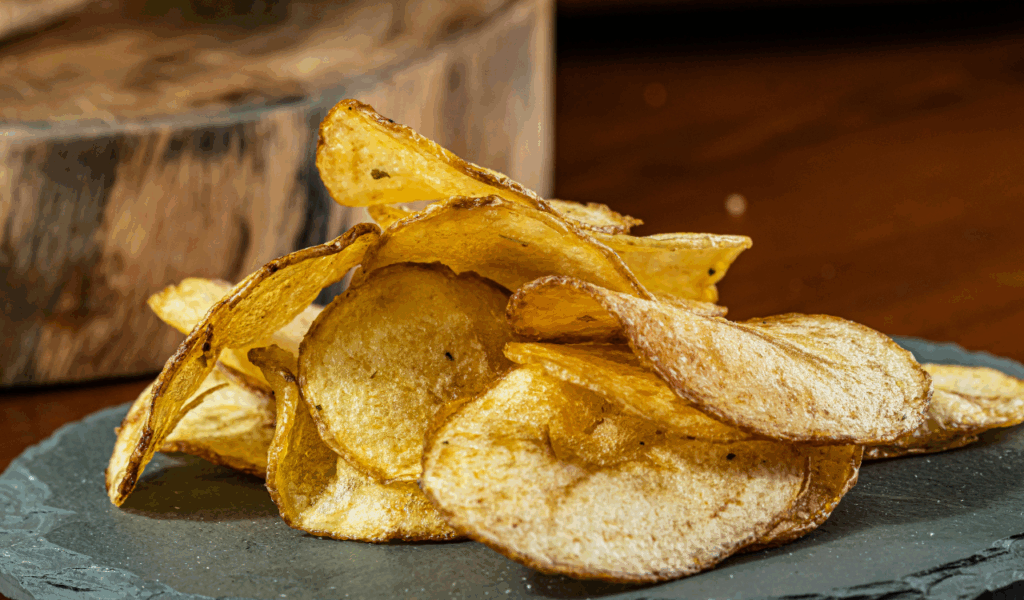
The modern chip aisle looks very different from the one shoppers knew a decade ago. Consumers now expect bolder tastes, cleaner labels, premium ingredients, and an experience that feels worth talking about. That shift has opened the door for standout launches like this one, where a simple potato chip can gain cultural traction far beyond its price point.
One major trend is flavor escalation. Snack makers have learned that shoppers are willing to try combinations once considered niche, including smoky-sweet blends, spicy regional styles, and restaurant-inspired seasonings. This product benefited from that broader appetite for novelty, but it also avoided the common trap of being strange for the sake of attention. The flavor felt adventurous while still remaining familiar enough for a wide audience.
Another factor is the rise of limited-edition culture in grocery retail. Seasonal drops and small-batch releases, once common mainly in fashion or beverages, now shape packaged food strategy too. When consumers believe a product may not return, they act faster, buy more, and share the discovery more widely. That urgency turns everyday snacks into event purchases.
Economic behavior also plays a role. In periods when dining out feels expensive, shoppers often seek affordable indulgences at home. A premium-feeling bag of chips can offer a small luxury without the cost of a restaurant meal or specialty delivery. That makes successful snack launches especially powerful because they meet emotional, sensory, and budget needs all at once.
Why Fans Are Responding So Quickly Again
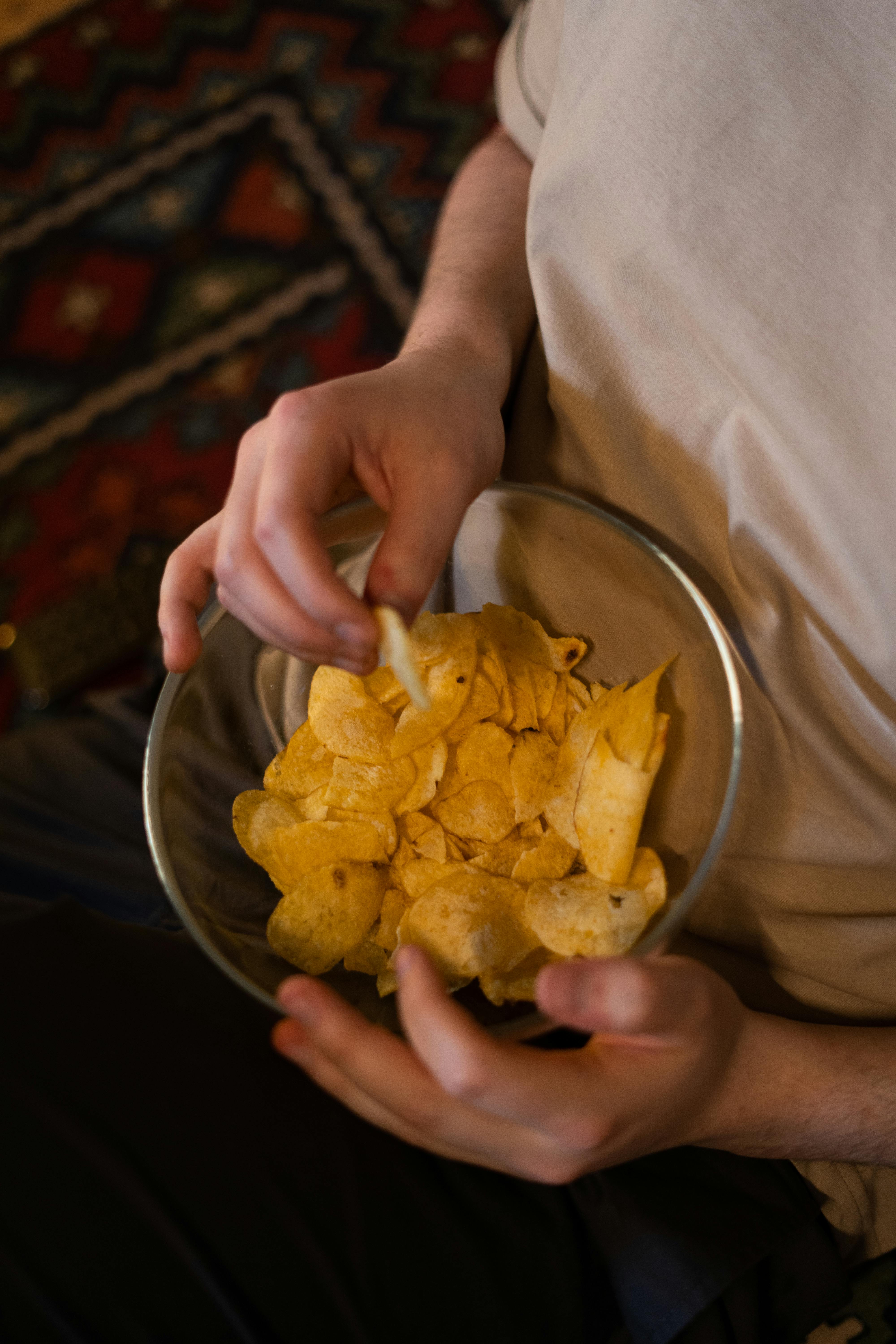
The strongest product launches usually create memory, not just first impressions. People remembered these chips from last year because the experience attached itself to a moment: the hunt, the first taste, the recommendation to a friend, the disappointment of empty shelves. That emotional imprint is why the return has generated immediate traction instead of needing a long reintroduction campaign.
Consumer loyalty in food often depends on trust. Once shoppers feel that a product delivered on a promise, whether that promise was bold flavor, premium quality, or simply fun, they are more likely to buy it again when it reappears. In this case, the earlier sellouts acted as social proof. People assumed the chips were worth trying because so many others had already demonstrated demand.
Social media continues to amplify the cycle, but it is not the whole story. A post may spark curiosity, yet repeat purchases come from satisfaction. Grocery buyers and category managers understand this distinction well. Viral products that do not convert into repeat sales fade fast, while those that pair buzz with quality earn better shelf placement and longer retail life.
There is also the appeal of belonging. When shoppers track down a sought-after food item, they join a shared conversation that stretches across stores, family kitchens, and online reviews. That sense of participation makes the product feel bigger than a snack. It becomes part of a broader food moment, and that is exactly what these chips have managed to capture again.
What Retailers and Brands Can Learn From the Relaunch

A sold-out product teaches retailers as much as it excites consumers. The return of these chips highlights how quickly demand can outpace forecasting when a snack connects across taste, timing, and visibility. For store operators, the lesson is clear: fast-moving specialty items need more agile replenishment systems and better communication between distributors, warehouses, and individual locations.
Brands can also take note of how to handle momentum without exhausting the audience. When a product sells out repeatedly, the temptation is to flood the market on the next run. That can weaken the sense of occasion and sometimes expose quality issues if production ramps too fast. A smarter approach is controlled expansion, preserving consistency while still reaching more shoppers.
Another takeaway is the value of listening after launch. Consumer reviews often reveal where a product can improve, from seasoning intensity to packaging durability. The best brands use that feedback not defensively but strategically. This relaunch seems to reflect that kind of discipline, suggesting the company understood that popularity alone was not enough to sustain long-term interest.
Finally, the chip's return shows that grocery success still depends on fundamentals. Storytelling matters, packaging matters, and buzz matters, but taste remains the core engine. If the product is not genuinely enjoyable, no amount of scarcity or digital excitement will keep it moving. Strong relaunches work because they respect both marketing and the basic expectations of people opening a bag at home.
What Happens Next for a Breakout Snack Hit
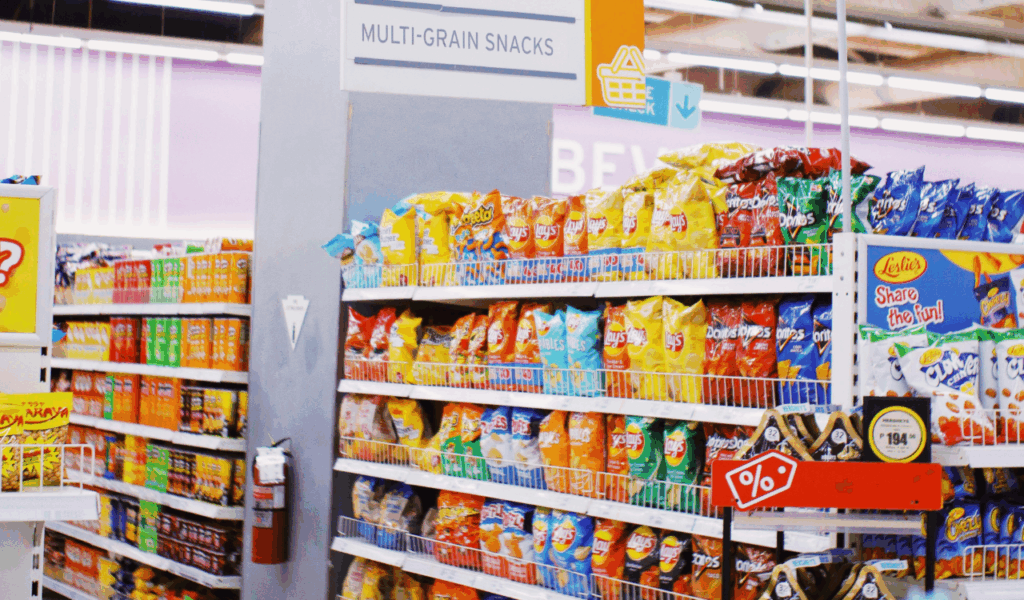
A successful return creates a new challenge: proving the product can evolve from a hot item into a lasting brand asset. That shift is not automatic. Many breakout snacks peak during their first burst of attention and then settle into ordinary sales patterns. To avoid that fate, the company behind these chips will need to maintain quality, manage supply carefully, and decide whether expansion helps or hurts the brand's identity.
One likely path is selective innovation. If the current version keeps selling, the brand may introduce adjacent flavors, seasonal variations, or packaging formats without changing the core product. This strategy can work well when the flagship item stays recognizable and the line extensions feel like a natural continuation rather than a gimmick. Consumers usually reward brands that build thoughtfully instead of chasing every trend.
Retail placement will matter too. If more chains commit shelf space and restocking improves, the chips could move from cult favorite to mainstream staple. That transition would broaden the audience, but it could also reduce the exclusivity that made the product feel exciting in the first place. Balancing availability with desirability is one of the hardest tasks in modern food marketing.
For now, the most important fact is simple. The chips are back, and early signs suggest they earned the second chance. In a crowded snack market where attention is cheap and loyalty is rare, that is no small achievement. It means the product did more than sell out. It built trust, and trust is what turns a one-season sensation into something with staying power.




Leave a Reply