
Canada's food identity is full of surprises. Some of the dishes and treats many people strongly associate with Canadian life did not begin there at all, but arrived through immigration, trade, empire, and clever marketing. What happened next is the interesting part: Canadians adopted them so deeply that they now feel woven into the national story.
Butter tarts
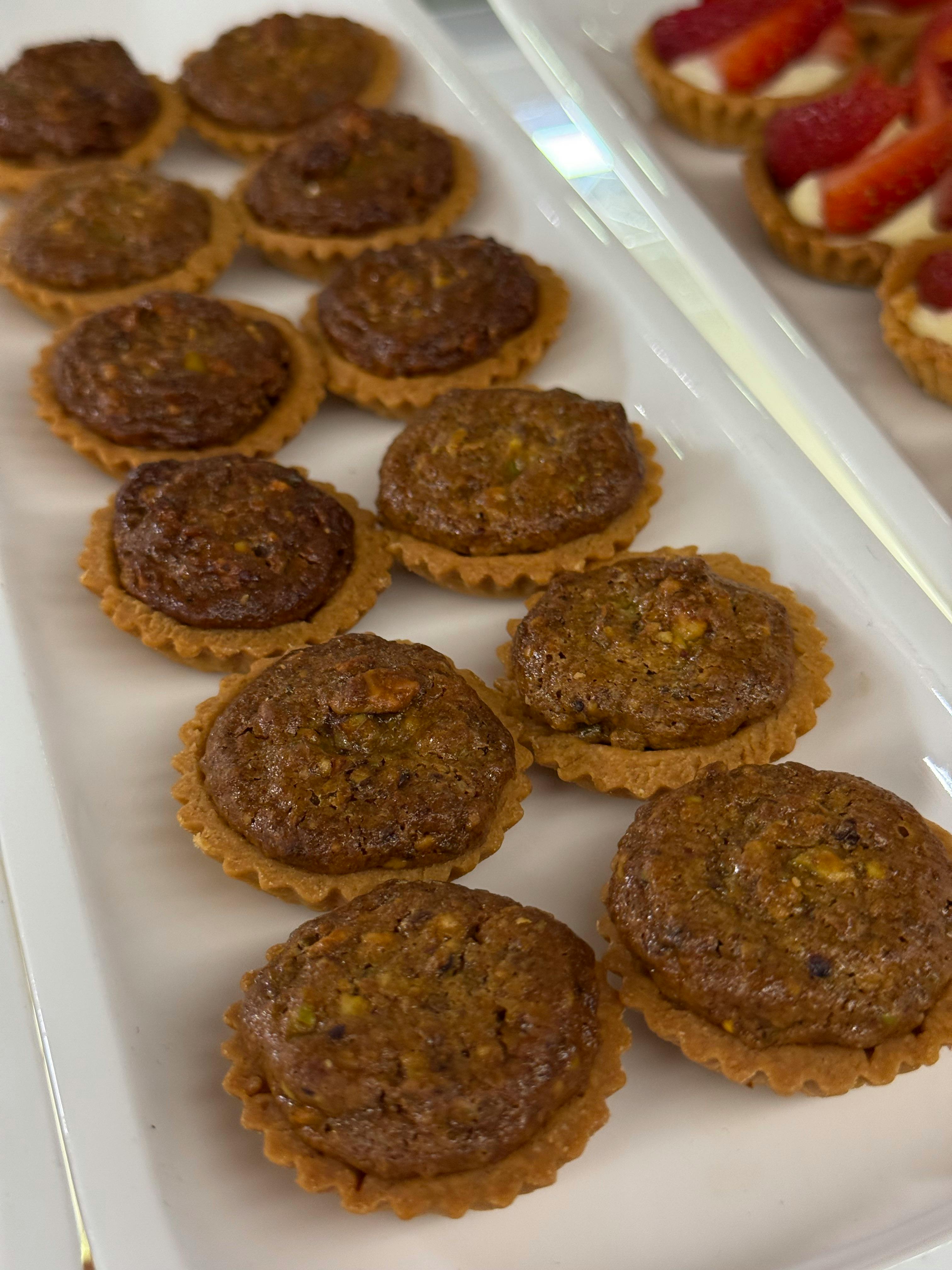
Few sweets feel more Ontario than a butter tart, yet its roots reach well beyond Canada. Food historians often trace the tart's ancestry to British treacle tarts and sugar pies brought by settlers from England, Scotland, and France. The core idea, a rich filling baked in pastry, was already old by the time it appeared in Canadian kitchens.
What Canada did was give the tart its own personality. Local butter, maple or brown sugar, and the eternal raisin-versus-no-raisin debate turned it into a distinct regional obsession. So while the modern butter tart is undeniably tied to Canadian baking culture, the concept behind it was imported and then transformed.
Nanaimo bars

This dessert wears a Canadian passport in name, but its family tree is more international than many realize. The layered no-bake square became famous through British Columbia, especially Nanaimo, yet its style echoes British custard slices, chocolate biscuit cakes, and other Commonwealth tray bakes that circulated in community cookbooks for decades.
The bar's middle layer also depends on Bird's Custard Powder, a British pantry staple. That detail alone says a lot about where its inspiration traveled from. Canada gave the dessert a place, a name, and lasting fame, but the techniques and flavor structure were part of a wider transatlantic baking tradition long before Nanaimo bars became a national favorite.
Pouding chômeur
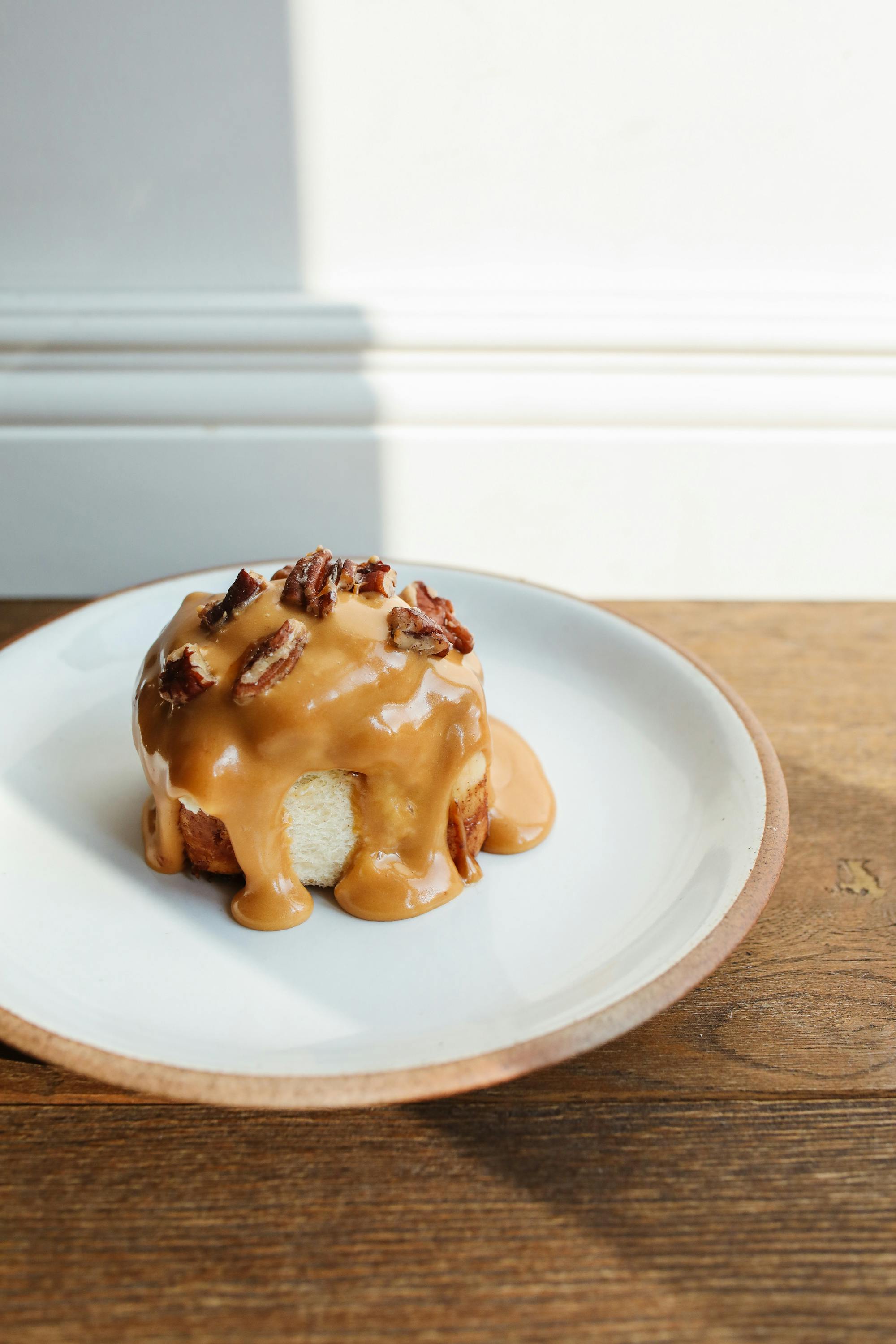
This humble Quebec dessert sounds deeply local because it is deeply local in spirit, but its origins are still tied to older European pudding traditions. The dish, a simple cake baked under hot syrup or cream, belongs to a long line of self-saucing puddings and poorhouse sweets that came from Britain and France before being adapted in North America.
Its name, which means "unemployed person's pudding," links it to Quebec's economic hardships during the Great Depression. The ingredients were inexpensive, the result was comforting, and the method was practical. Canada, and especially French Canada, turned inherited dessert ideas into something emotionally specific, which is why pouding chômeur feels native even though its culinary DNA arrived from overseas.
Tourtière

Tourtière is often treated as a cornerstone of French Canadian holiday cooking, but the pie itself belongs to a much older European lineage. Meat pies were common in medieval and early modern France, where enclosed pastries helped preserve fillings and stretch ingredients. French settlers brought those habits with them, and the form took hold in Quebec.
Over time, local differences changed everything. Some versions use pork, others game, and Saguenay-Lac-Saint-Jean styles become deep, hearty, and almost stew-like. That evolution is what made tourtière a Canadian classic. Still, the basic idea of a savory meat pie was never born in Canada. It was inherited, adapted, and folded into the rhythm of Canadian winter tables.
Peameal bacon

It may be one of Toronto's most recognizable foods, but peameal bacon is not as purely Canadian in origin as its reputation suggests. The curing of pork loin and rolling it in a dry coating comes from older British and Irish preservation methods. In the 19th century, cured pork was a major Atlantic trade item, and these techniques crossed the ocean with migrants and merchants.
What changed in Canada was the finishing touch. Yellow pea meal was originally used to help preserve and transport the meat, and later cornmeal became more common. Toronto popularized it, especially in sandwich form, but the practice of curing pork this way had European roots. Canada refined it and branded it, which is why it feels so strongly local today.
Montreal smoked meat

Montreal smoked meat is one of the clearest examples of an immigrant food becoming a regional emblem. The dish is closely connected to Jewish deli culture and was brought by Eastern European Jewish immigrants who arrived in Canada in the late 19th and early 20th centuries. Their traditions included curing, spicing, smoking, and steaming beef, especially brisket.
Montreal's version developed its own identity, distinct from New York pastrami. The spice profile, cut, and texture are different enough that locals fiercely defend the distinction. Still, the method and deli culture behind it were not born in Canada. They came with people carrying memory, skill, and appetite, then evolved in Montreal into something the city now proudly claims as its own.
Bagels
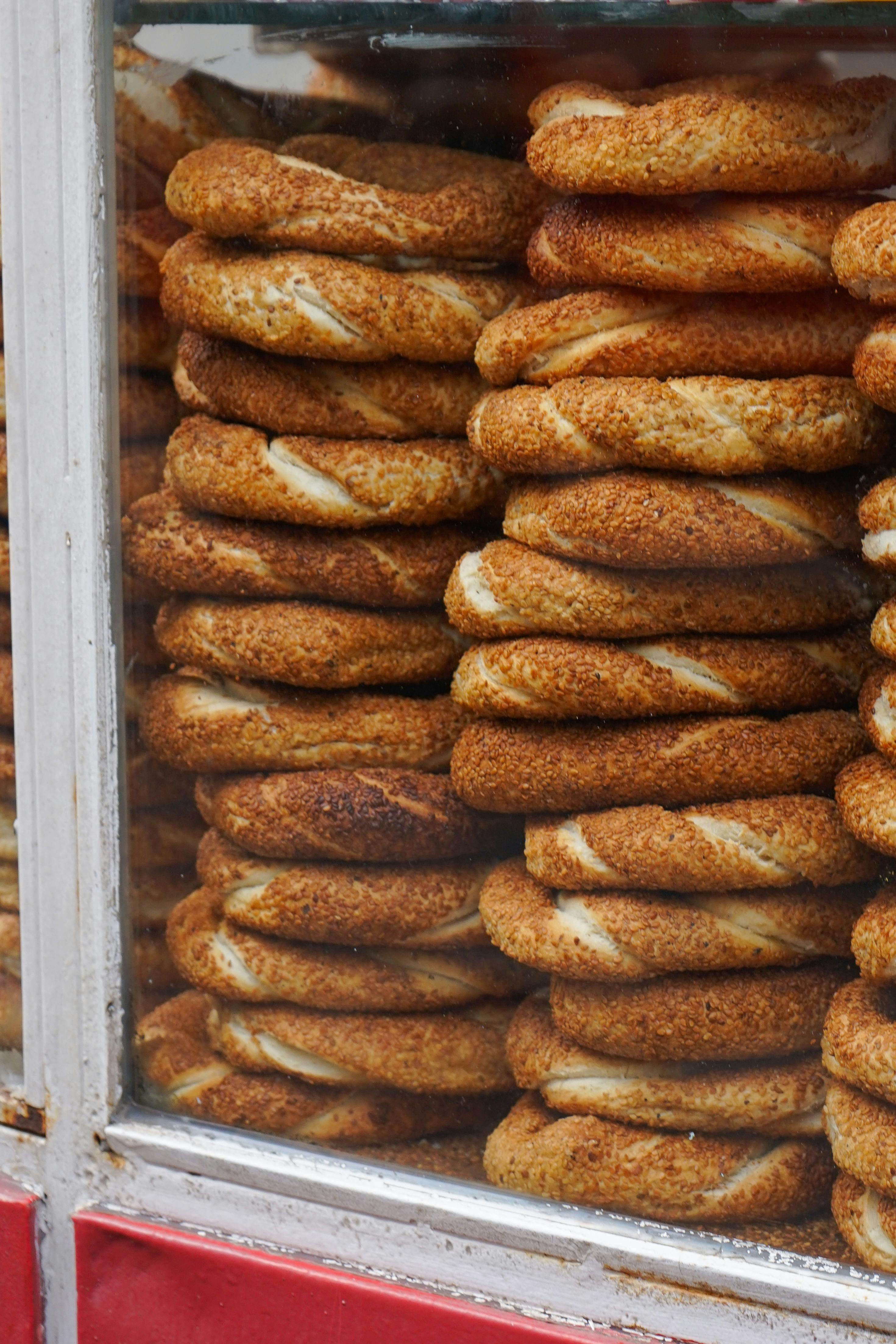
Ask many food lovers about Montreal, and bagels are among the first things they mention. But bagels are not Canadian inventions. They originated in the Jewish communities of Poland and spread through Eastern Europe long before they arrived in North America. Immigrants brought the technique, the shape, and the cultural meaning with them.
Montreal simply made a different kind of bagel famous. Smaller, sweeter, hand-rolled, boiled in honeyed water, and baked in wood-fired ovens, they developed a character all their own. That local style is real and distinctive, but the bagel's origins remain firmly European. Canada did not invent the bagel. It did, however, create one of the world's most beloved regional versions.
Donairs
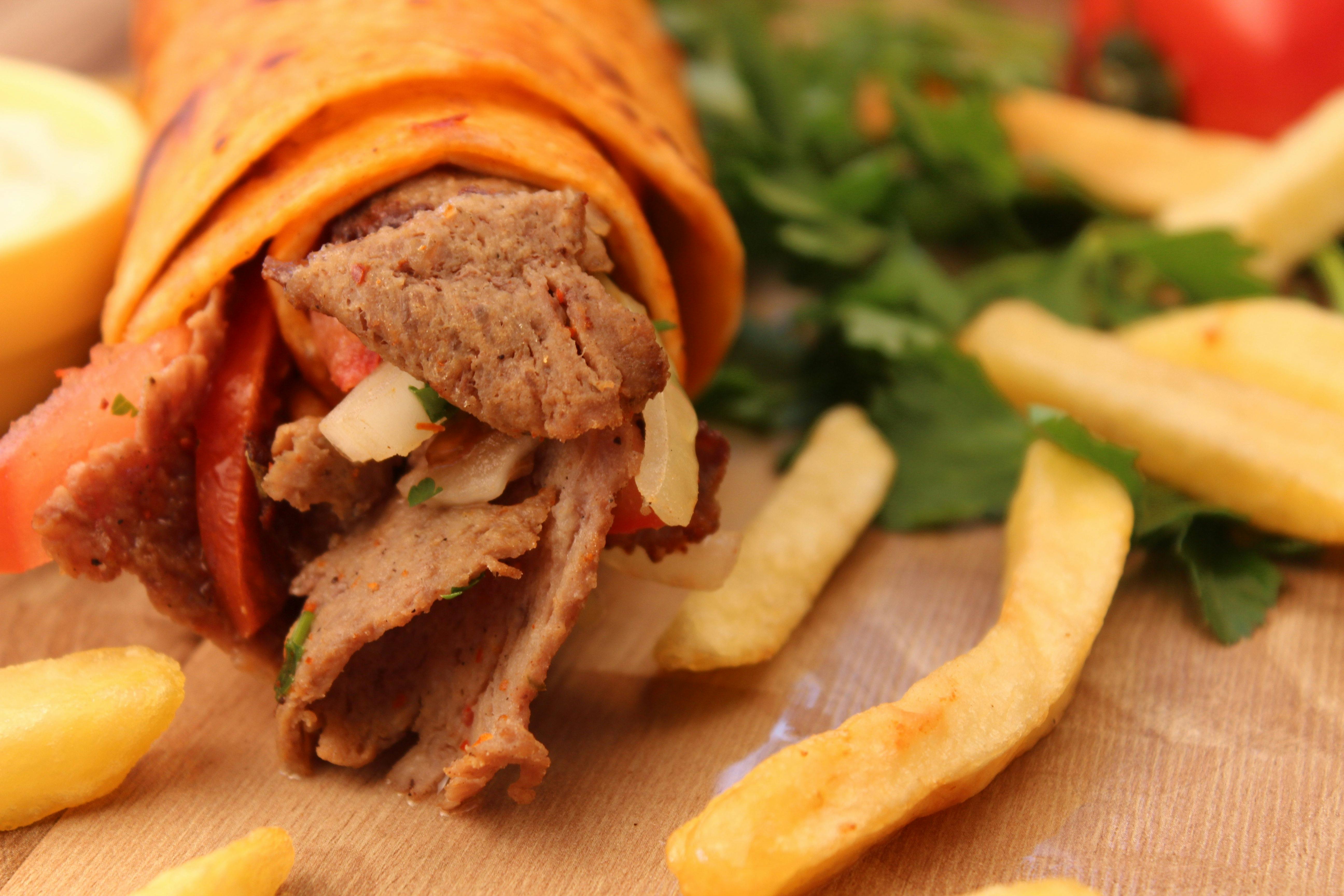
The donair is a Halifax legend, but its ancestry begins in the eastern Mediterranean. It descends from döner kebab, the Turkish dish of seasoned meat cooked on a vertical spit, and from related Greek and Middle Eastern street foods such as gyro and shawarma. The method, the equipment, and the very idea of shaved spit-roasted meat were all imported.
In Nova Scotia, restaurateur Peter Gamoulakos reshaped the concept in the 1970s to suit local tastes. He used spiced beef rather than lamb and paired it with the now famous sweet garlic sauce. That twist made the donair feel uniquely Canadian, especially in Halifax. But its backbone is unmistakably immigrant, a classic case of adaptation becoming identity.
Pierogies

On the Canadian Prairies, pierogies can seem as ordinary as Sunday dinner. Even so, they are not Canadian in origin. Pierogi and related dumplings come from Eastern and Central Europe, especially Poland and Ukraine, where filled dough traditions have deep roots. Immigrants carried these recipes to Manitoba, Saskatchewan, and Alberta, where they fit neatly into farm cooking.
Once in Canada, pierogies became part of community suppers, church halls, and freezer-friendly home kitchens. Potato and cheddar fillings often became more common than some Old World versions, and they settled into prairie comfort-food status. Their importance in Canada is undeniable, but their story begins with migration. Canada embraced them so completely that many now forget they arrived with settlers.
Cabbage rolls
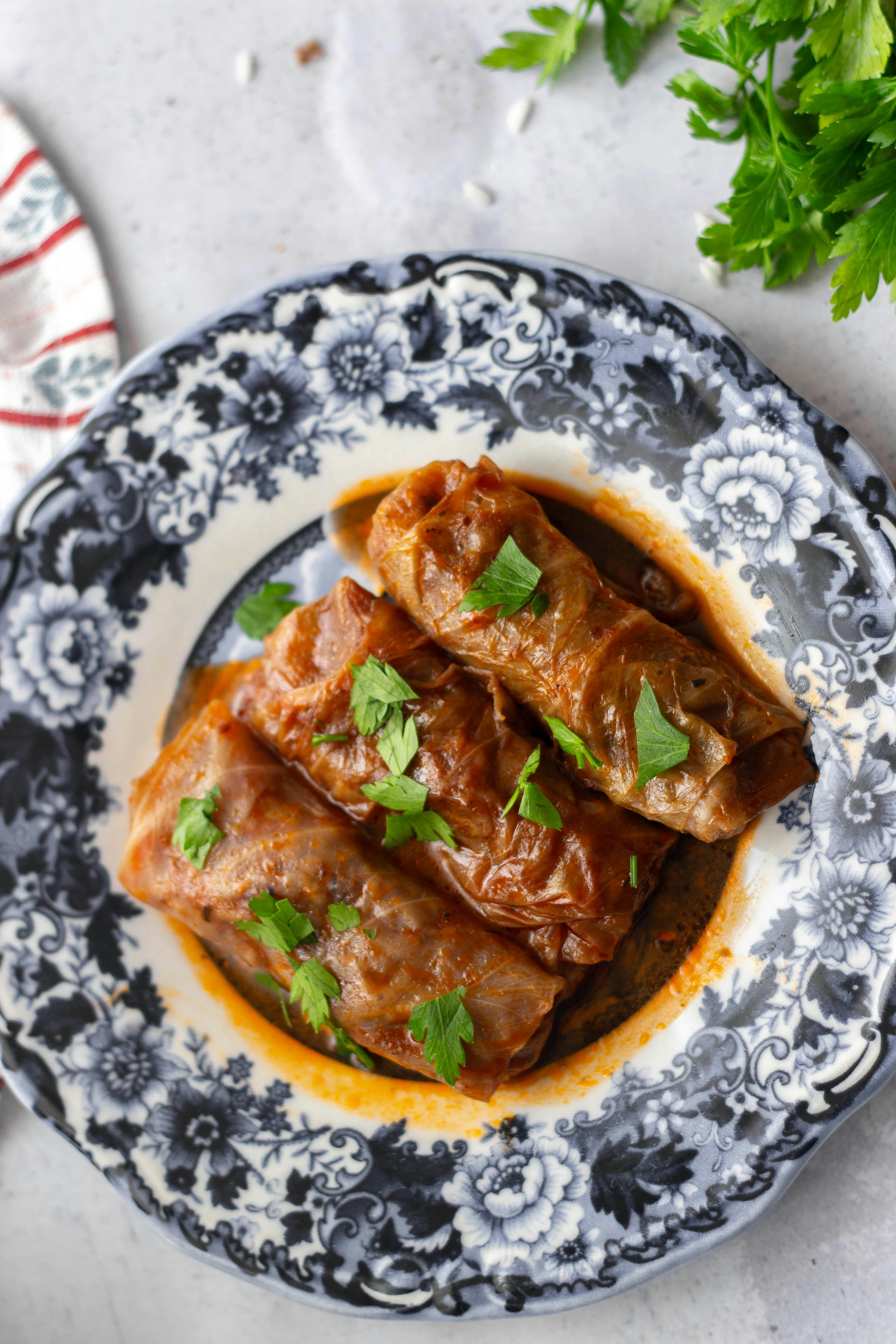
Cabbage rolls occupy a familiar place in many Canadian homes, especially in the Prairies and parts of Ontario, but they are part of a very old food family that stretches across Europe and the Middle East. Versions appear in Polish, Ukrainian, Jewish, Romanian, Hungarian, Turkish, and Balkan cooking. Wrapping grains and meat in leaves is an ancient, wide-traveled idea.
In Canada, the dish settled in wherever immigrant communities built churches, farms, and neighborhood kitchens. It became a staple of fundraisers, holiday spreads, and practical make-ahead meals. The ingredients might shift, the tomato sauce might thicken, and the seasoning might soften, but the origin story remains abroad. Canada gave cabbage rolls a new home, not their first one.
Sausage rolls and meat pastries

From small-town bakeries to hockey arena snack counters, savory pastries feel right at home in Canada. But sausage rolls, patties, and meat-filled hand pies are rooted in British, Caribbean, and European traditions that arrived through empire, migration, and trade. The idea of baking seasoned meat inside pastry is much older than Canada itself.
What happened in Canada is a familiar pattern. Regional bakeries made these pastries part of daily life, often mixing traditions in the same display case. A Prairie meat bun might sit beside a British-style sausage roll or a Jamaican beef patty in Toronto. That local adoption can blur the line between belonging and origin. These pastries became Canadian favorites, but they were never Canadian inventions.
Fish and chips
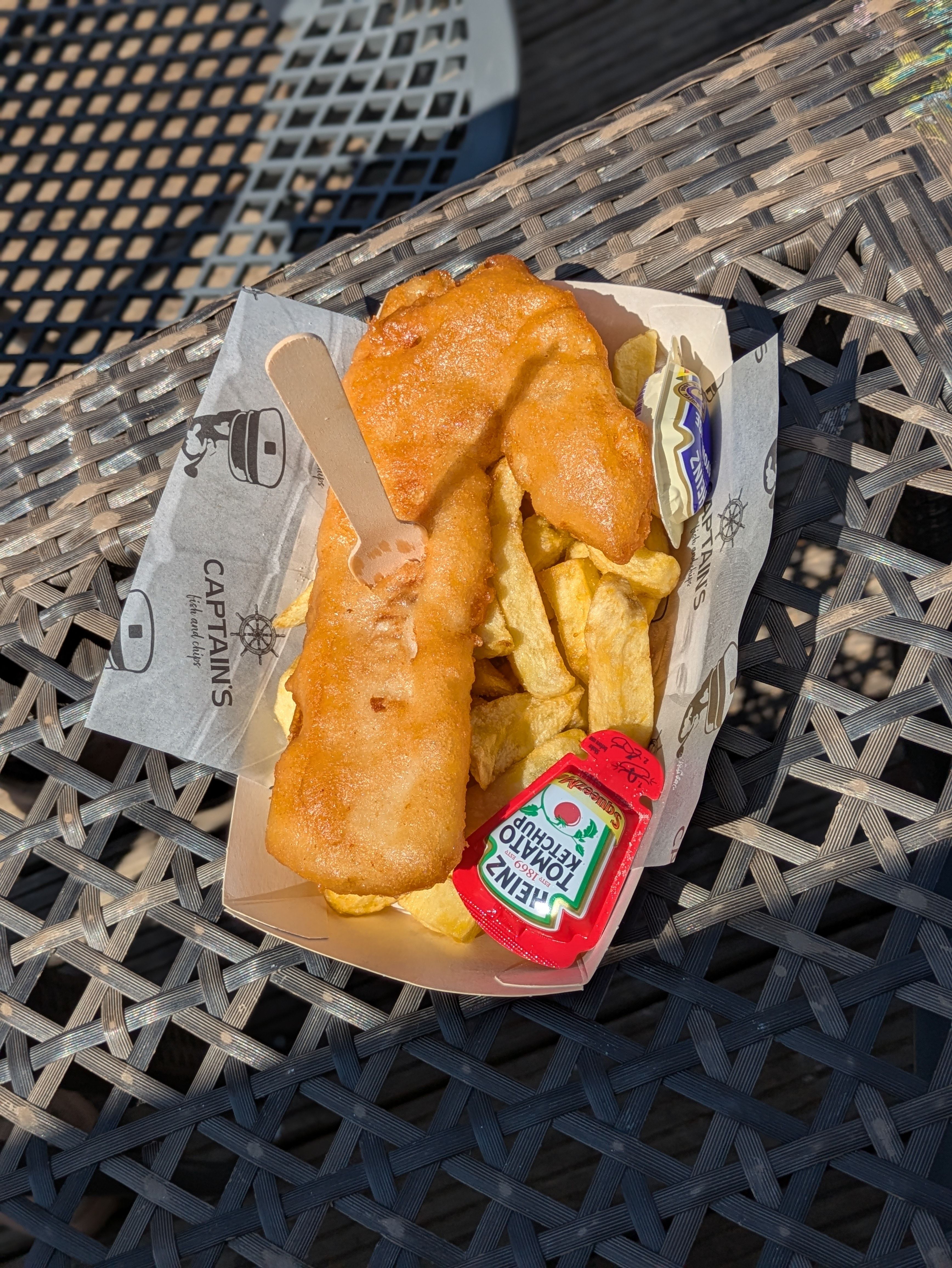
In coastal Canada, fish and chips can feel as natural as sea air. Yet the dish was established in Britain long before it became a staple in Newfoundland, Nova Scotia, and beyond. Historians generally trace fried fish to Sephardic Jewish cooking in Britain and chipped potatoes to industrial-era England, where the combination became a working-class classic.
Canada had all the ingredients to love it: abundant fish, port cities, and strong British influence. Once it arrived, it fit perfectly into maritime life and roadside dining culture. Malt vinegar, wrapped paper, and a view of the harbor completed the picture. But however Canadian the ritual now feels, the dish itself came across the Atlantic already famous.




Leave a Reply